


Potato Pancakes (Draniki)
Draniki are Belarusian potato pancakes: grated potato and onion fried in oil until crisp at the edges and soft inside. They are traditionally served hot from the skillet with a generous dollop of cold sour cream.
Ingredients
- 1 kgstarchy potatoes
- 1 largeonion
- 1 tspsalt, or to taste
- optionalfreshly ground black pepper
- 500 mlvegetable oil
- for servingsour cream
- optional, for garnishfreshly chopped dill or chives
Method
- Peel the potatoes and onion. Using the fine side of a box grater, grate both into a large bowl (grating the onion with the potatoes helps prevent browning).
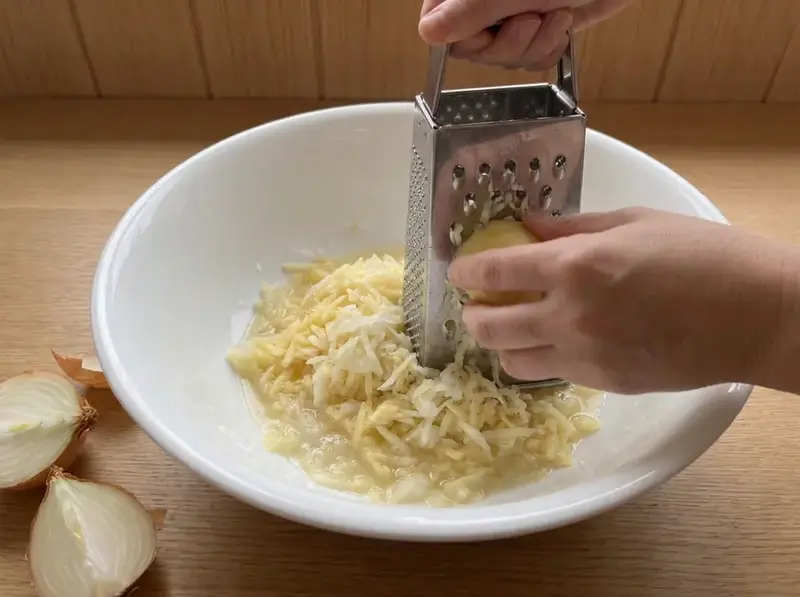
- Transfer the grated mixture to a sieve or cheesecloth set over a second bowl. Press down firmly to remove as much excess liquid as possible — this is the key to crispy draniki. Return the potato and onion to the first bowl. Let the squeezed-out liquid stand for about 5 minutes, pour off the water and stir the starch from the bottom back into the potatoes. Season with salt and pepper and mix well.
- Heat about 1 cm of vegetable oil in a large heavy-bottomed skillet over medium-high heat. The oil should be shimmering but not smoking. Stay at the stove while the oil is hot and keep a lid that fits the skillet within reach: if the oil ever catches fire, turn off the heat and cover the pan — never use water.
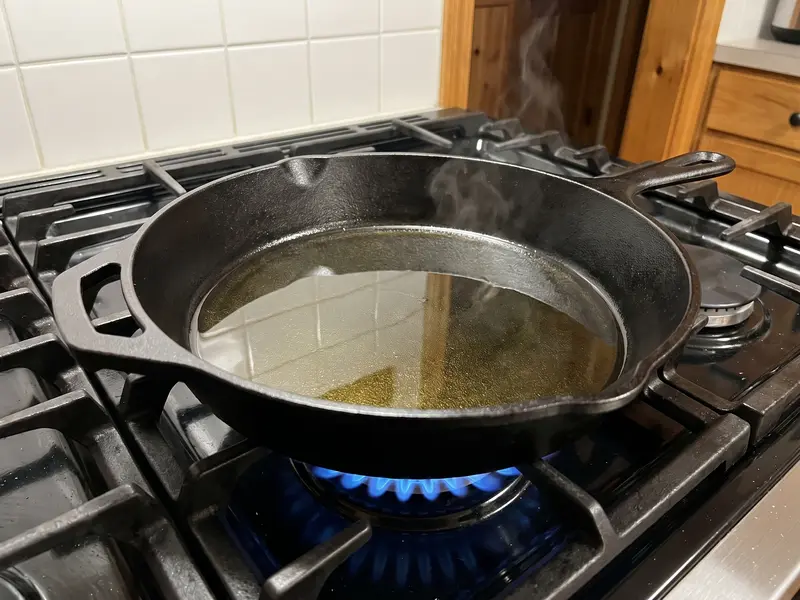
- Spoon heaping tablespoons of the potato mixture into the hot oil, flattening each one slightly to form a small pancake. Lower each spoonful close to the surface and away from you — the wet mixture spits. Do not overcrowd the pan. Fry for 3–5 minutes per side until the edges are deep golden brown and the pancakes are crisp and cooked through, with no raw potato taste in the middle.
- Transfer to paper towels to drain any excess oil; keep finished pancakes on a rack in a 100°C oven while you fry the rest. Serve immediately while hot and crispy with a large spoonful of cold sour cream and a sprinkle of chopped dill or chives.
Cooked it? Rate the recipe
FAQ
The main reason is too much moisture in the potato mixture. After grating, squeeze the potato well through a cheesecloth or kitchen towel to remove as much juice as possible, and stir the starch that settles in the liquid back in. If the mixture is still very watery or the pancakes keep falling apart, stir in 1 egg or 1–2 tablespoons of potato starch — optional, the base recipe works without them. Fry in a well-heated pan with enough oil — on a cold pan they stick and tear when flipped.
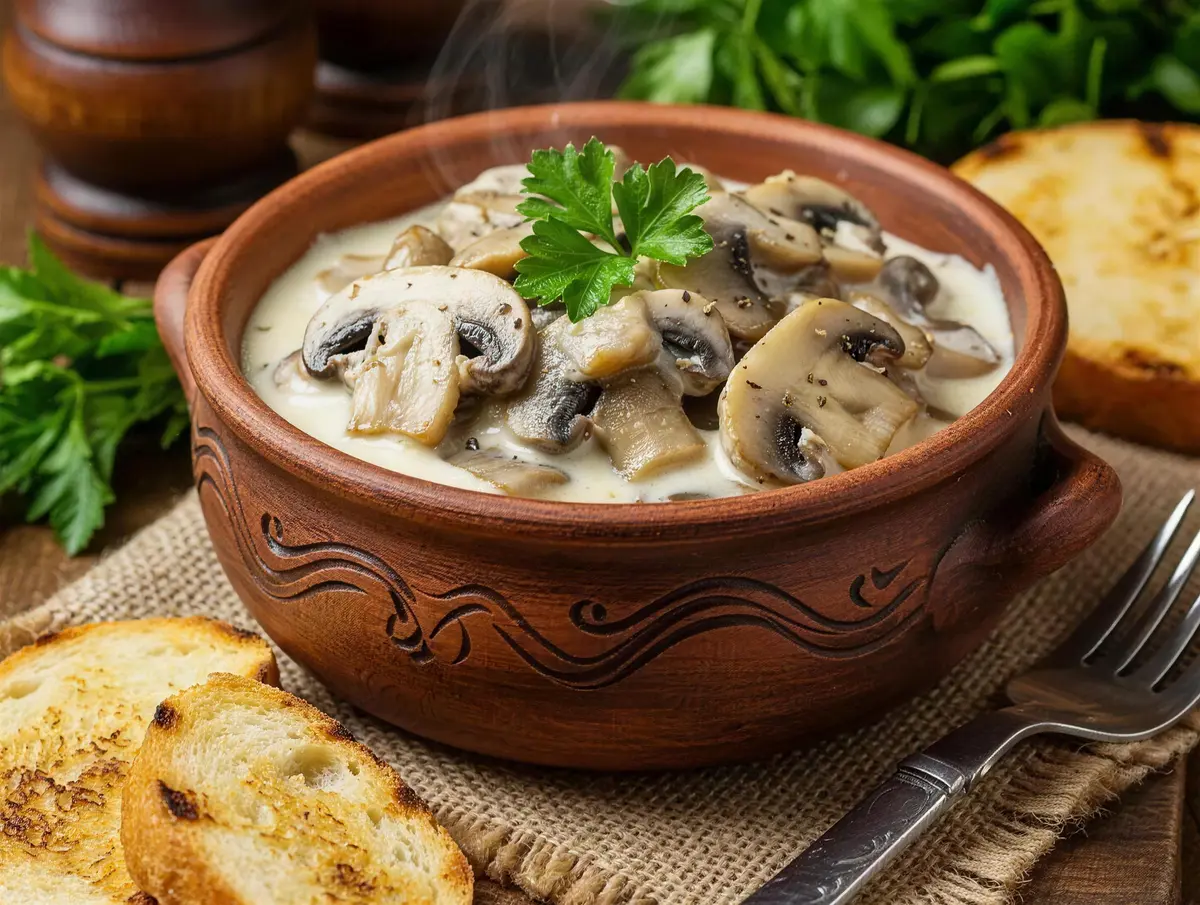
Traditionally, Belarusian draniki are served with sour cream — it perfectly balances the crispy crust and tender interior. If you don't have sour cream, Greek yogurt, crème fraîche, or homemade cultured milk work well. In Belarus, draniki are often served with machanka, a thick pork gravy, or with mushrooms braised in sour cream. They also go well with smoked salmon, cottage cheese, or simply butter and dill. For a festive table, draniki are traditionally served in clay pots with mushroom or meat sauce.
Yes, baked draniki are lower in calories and don't require constant attention at the stove. Place the shaped pancakes on a parchment-lined baking sheet, brush both sides with oil, and bake at 200°C for about 20–25 minutes, flipping once in the middle. However, baked draniki won't achieve the crispy golden crust that frying provides. A good compromise is to fry for 1 minute on each side to set the crust, then finish in the oven at 180°C for another 10 minutes.
Darkening is caused by oxidation — when grated potato contacts air, an enzymatic reaction starts. To prevent this, add a teaspoon of lemon juice or a little apple cider vinegar to the mixture right after grating. Working quickly also helps: grate and fry immediately, don't let the mixture sit. Potato variety matters too: use mature starchy potatoes — new potatoes have less starch and hold together worse.
Cooked draniki lose their crunch within 15–20 minutes if stacked — steam makes them soft. For storage, lay them in a single layer on a rack, not a plate. Once cool, they keep in a covered container in the refrigerator for up to 2 days, and in the freezer for up to 2 months. The best reheating method is a pan with a small amount of oil over medium heat, 2–3 minutes per side. A microwave or oven below 180°C will give soft results without the crispy crust.
Keep browsing
More dishes from the Belarusian archive — picked by overlap with what you're cooking now.


Recipes by email
One letter a week: a recipe picked for your taste, plus whatever is new on the site. You can stop the letters in one click.
Welcome gift: Sergei's cookbook (e-book).
By signing up for the newsletter you agree to the privacy policy.
Tell us what you like to cook (30 seconds) →
Join the conversation
Comments
No comments yet — be the first!