
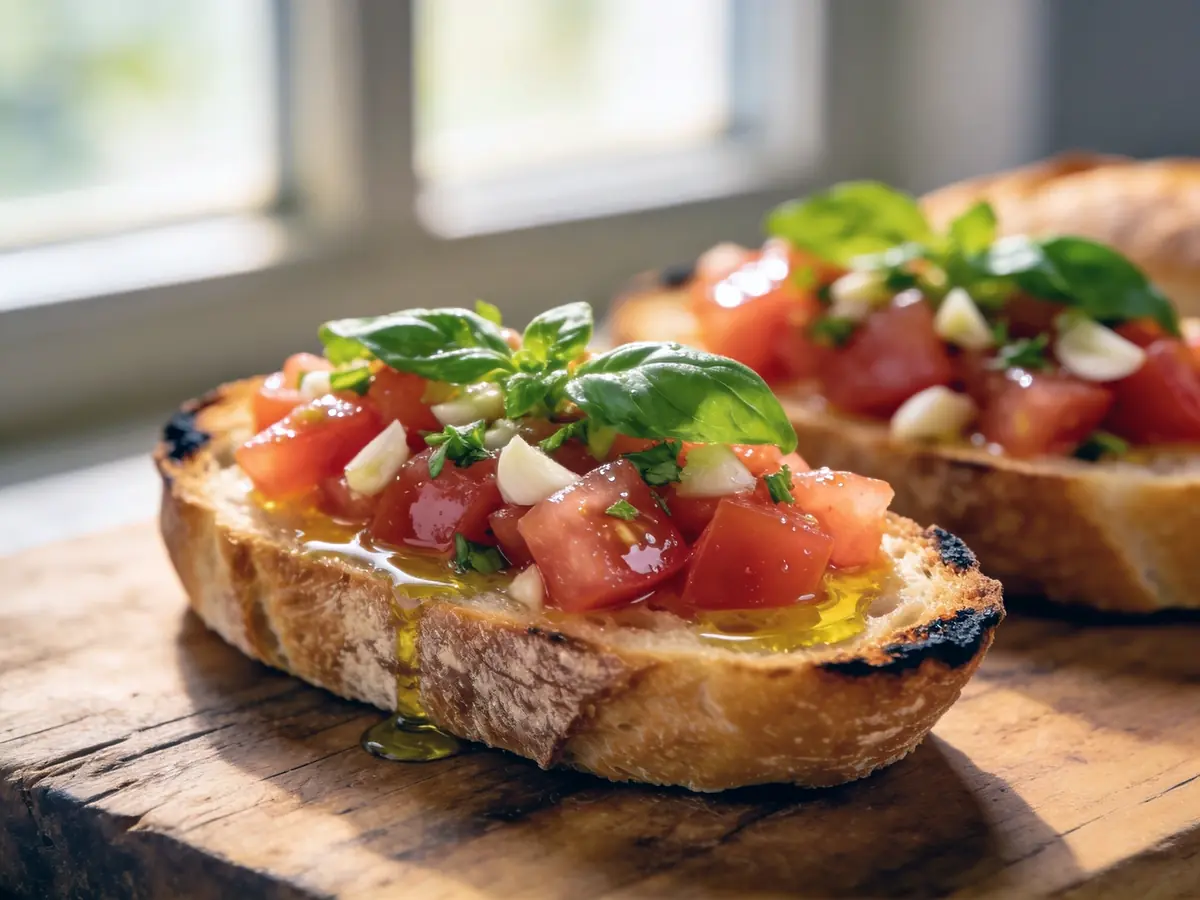
Bruschetta
Du pain grillé frotté d'ail cru, arrosé d'une bonne huile d'olive, puis couvert de tomates bien mûres et de basilic déchiré à la main. Le pain doit être assez grillé pour craquer sous la dent, tout en restant moelleux à l'intérieur — c'est ce contraste qui fait tout.
Ingrédients
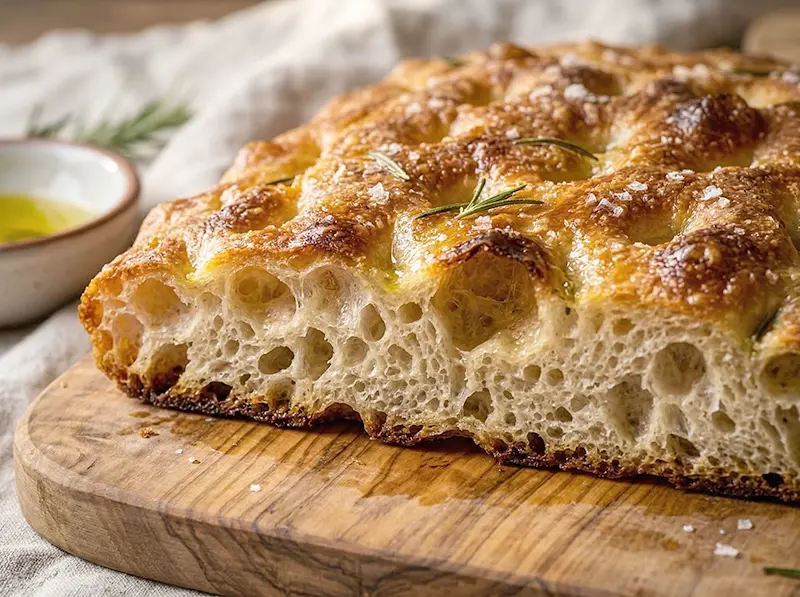
- 1 baguette ou ciabatta / focaccia
- 2 gousses d'ail
- 4 tomates bien mûres (environ 500 g)
- 1 petit bouquet de basilic frais (environ 15 feuilles)
- 50 mlhuile d'olive (2 c. à soupe pour le pain, le reste pour les tomates)
- selon le goûtmozzarella ou parmesan
- selon le goûtsel et poivre
Préparation
- Coupez le pain en tranches d'environ 1 à 1,5 cm d'épaisseur (la baguette en biais, sur une grande diagonale). Faites griller les tranches dans une poêle sèche ou sur un gril jusqu'à ce qu'elles soient bien dorées des deux côtés.
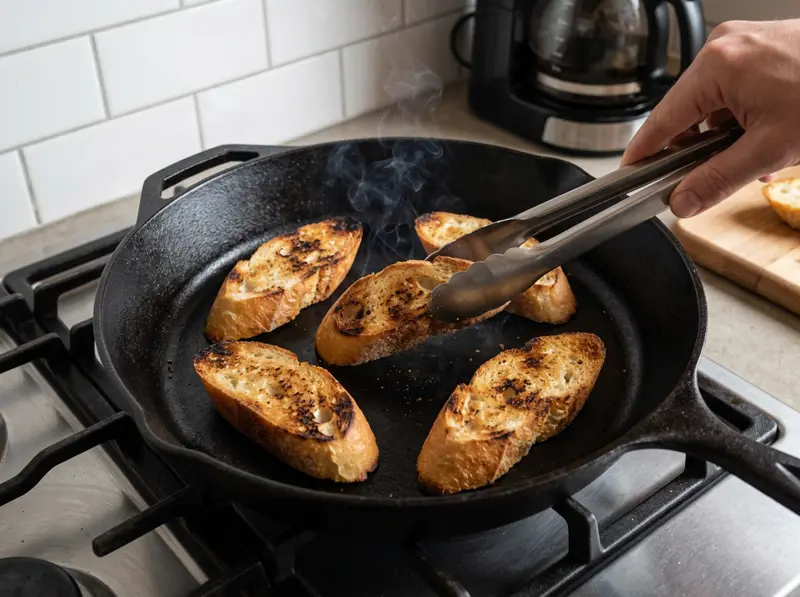
- Tant que les tranches sont encore chaudes, frottez chacune avec une gousse d'ail coupée (2 gousses en tout), pour que l'ail fonde dans le pain. Arrosez de 2 cuillères à soupe d'huile d'olive au total et réservez.
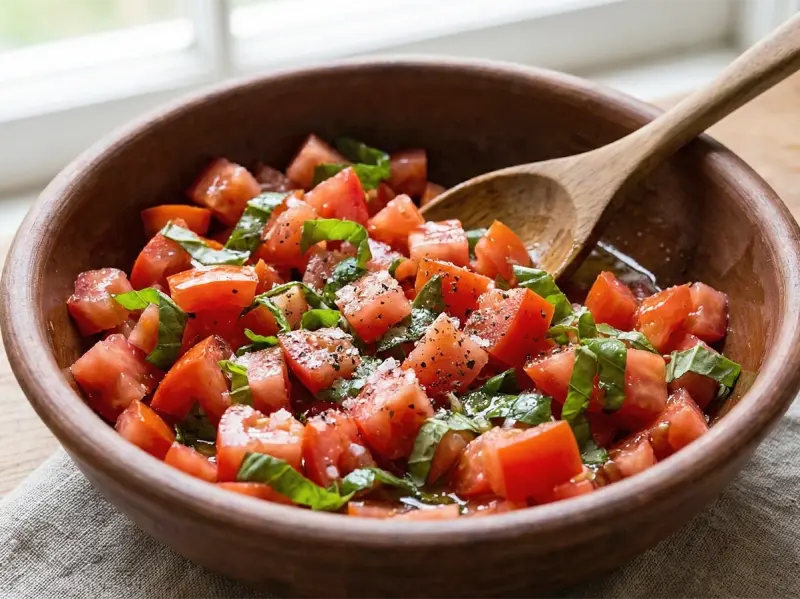
- Coupez les tomates en petits dés, salez-les et laissez-les reposer 5 à 10 minutes, puis égouttez l'excès de jus. Ciselez le basilic. Mélangez les tomates avec le basilic, le reste de l'huile d'olive (environ 1½ cuillère à soupe) et du poivre ; goûtez et salez si besoin.
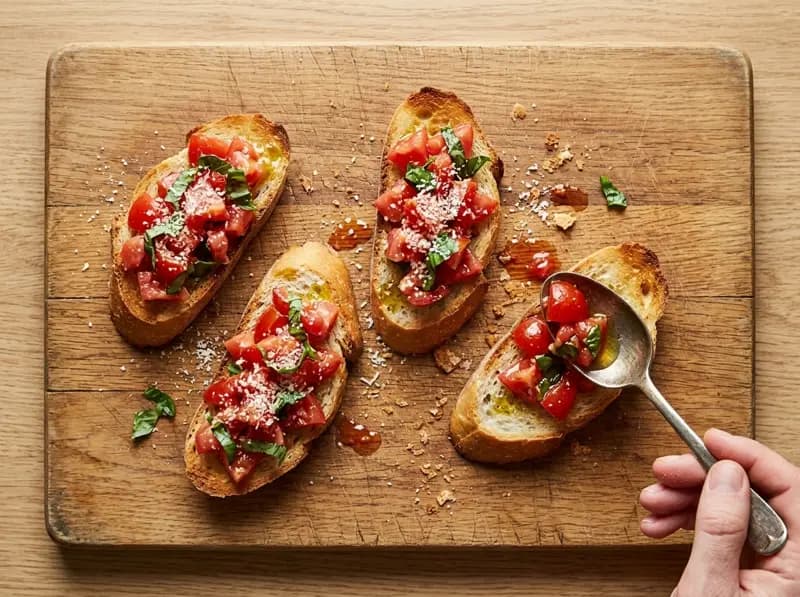
- Répartissez le mélange de tomates sur les tranches de pain grillé. Parsemez de mozzarella ou de parmesan râpé selon votre envie. Servez immédiatement.
Questions
Les tomates libèrent du jus dès qu'on les coupe — il imbibe le pain. La solution : couper les tomates, les saler, laisser 5 à 10 minutes, égoutter le liquide. Frotter le pain encore chaud avec l'ail et arroser d'huile, ajouter la garniture au dernier moment. Dans les restaurants italiens la garniture est souvent servie séparément pour que le convive monte sa bruschetta lui-même.
Dans l'original c'est du pain toscan rustique au levain sans sel — dense avec une croûte épaisse, tient bien au gril. La ciabatta ou la focaccia fonctionnent parfaitement : les grands alvéoles retiennent l'huile. La baguette convient aussi si vous la coupez en biais et un peu plus épaisse, mais la ciabatta ou le pain de campagne tiennent mieux la garniture. Le critère principal : le pain doit être grillé à haute température jusqu'à être croustillant.
Pour la bruschetta classique — non, la peau reste. Les graines et le liquide valent mieux être enlevés : couper les tomates en deux et laisser égoutter dans une passoire. La peau n'a pas besoin d'être retirée — la texture est plus intéressante avec. Exception : grosses tomates à peau épaisse — mieux vaut les éplucher ou utiliser des tomates cerises.
Le mot bruschetta vient de bruscare — 'brûler sur les braises'. Dans l'original c'est du pain grillé sur feu ouvert, frotté d'ail cru et arrosé de bonne huile — c'est tout. La bruschetta à la tomate (bruschetta al pomodoro) est la version la plus connue. Les Italiens mangent la bruschetta comme du pain, pas comme un antipasti chargé.
Pour la bruschetta l'huile est l'ingrédient principal — la différence est énorme. Il faut de l'Extra Vierge première pression à froid, idéalement de Toscane ou des Pouilles — elles donnent un goût vert, épicé, légèrement amer qui est l'âme du plat. L'huile raffinée donne un résultat sans goût. Règle simple : si l'huile est bonne mangée avec du pain, elle convient à la bruschetta.
Notez
Des recettes par e-mail
Une lettre par semaine : une recette choisie selon vos goûts et les nouveautés du site. Vous pouvez la désactiver en un clic.
En cadeau : le livre de recettes de Sergei (e-book).
En cliquant sur le bouton, vous acceptez la politique de confidentialité.
Dites-nous ce que vous aimez cuisiner (30 secondes) →Continuez à parcourir
D’autres plats des archives — choisis pour leur proximité avec ce que vous êtes en train de cuisiner.
Rejoignez la discussion
Commentaires (1)
Make this bruschetta in individual portions for formal occasions, or as one large shared board for casual settings. The recipe works both ways — just adjust the assembly, not the ratios.