
Olive Tapenade
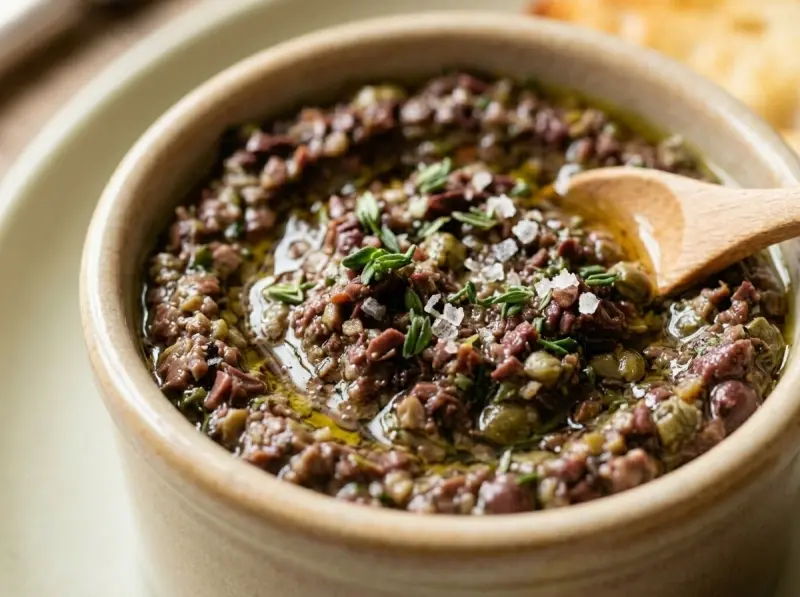
Olive tapenade is a Provençal paste of chopped black and green olives, capers and anchovies, bound with olive oil and lemon juice. This version also has red onion, parsley and chili flakes. Spread it on crusty bread or serve it with grilled vegetables or fish. A little goes a long way.
Ingredients
- 150 gkalamata olives, pitted
- 150 ggreen olives, pitted
- 40 gcapers, drained
- 40 gred onion, finely chopped
- 2 anchovy fillets
- 2 tbspolive oil
- 2 tbsplemon juice
- 2 tbspfresh parsley or basil
- 1/4 tspred pepper flakes
Method
- Drain the olives and the capers (blot the capers dry, and rinse them first if they are very salty) and chop the anchovies finely. Finely chop the kalamata and green olives and place them in a bowl, then add the capers, red onion and anchovies.

- Pour in the olive oil, lemon juice, parsley or basil and red pepper flakes. Mix well.
- Optionally, for a smoother paste, blend in 6-8 short pulses, scraping down the sides once or twice. Stop while it is still a coarse paste with pieces of olive visible: two pulses too many and it turns into a smooth cream.

- Serve with crusty bread, crackers or use as a spread on sandwiches or pizza.
FAQ
Tapenade is a classic Provençal paste — its name comes from the Provençal word tapeno meaning caper. Capers are a mandatory ingredient, not optional: they provide the characteristic salty-sour note. Greek olive paste is simply blended olives with olive oil. Tapenade is more complex: capers, anchovies (optional), lemon juice, herbs — a complete sauce with layered flavor.
Anchovies in tapenade don't register as fish — they provide umami, the fifth taste, depth and saltiness. When blended they dissolve completely into the paste. This is the same role as Worcestershire sauce in Caesar dressing. Without anchovies tapenade is flatter. Vegetarian version: add a little miso paste or a pinch of nori flakes — they provide a similar umami note.
A classic tapenade noire is made from black olives, so Kalamata is a good choice: meaty, with deep flavor and moderate bitterness. Tinned black olives (California-style) are too soft and bland, often artificially colored. Green olives make a different tapenade, fresher and sharper, which is why this recipe uses a mix. Whichever you buy, rinse olives that come in strong brine, or the paste will turn out over-salted.
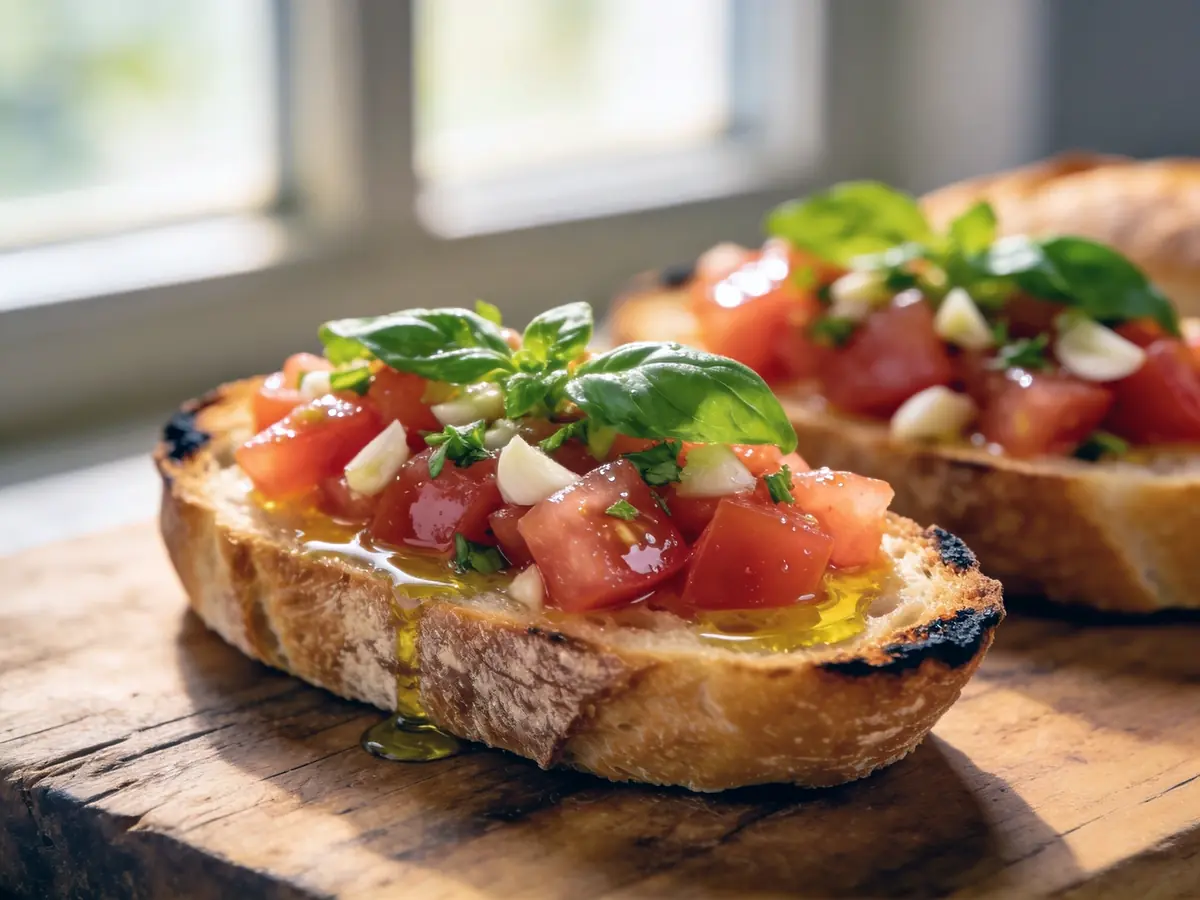
In Provence tapenade is spread on toast or grilled bread as aperitivo. It is used as a paste under meat for roasting — rub lamb or chicken before the oven. Diluted with olive oil it becomes a pasta sauce. Added to pizza instead of tomato sauce. Served with crudités — raw vegetables. In the fridge it keeps under a layer of olive oil for 2–3 weeks. Spread it on toasted bread as you would for bruschetta, or put a bowl next to hummus on a meze board.
In Provence it is made in a mortar — slowly, by hand, with an uneven grainy texture. A blender is acceptable but it's easy to go too far: the main mistake is turning tapenade into a smooth cream. The right texture is rough, with pieces. In a blender use the pulse function — 1–2 second bursts, then stir with a spoon, then pulse again. The result should still look 'readable'.
Rate this
Recipes by email
One letter a week: a recipe picked for your taste, plus whatever is new on the site. Unsubscribe in one click.
Welcome gift: Sergei's cookbook (e-book).
By subscribing you agree to the privacy policy.
Tell us what you like to cook (30 seconds) →Keep browsing
More dishes from the French archive — picked by overlap with what you're cooking now.


Join the conversation
Comments (1)
I cut everything for olive tapenade to bite size — nothing that requires a knife or causes an awkward moment. Appetizers should be effortless to eat so the conversation stays uninterrupted.