
Tonkatsu
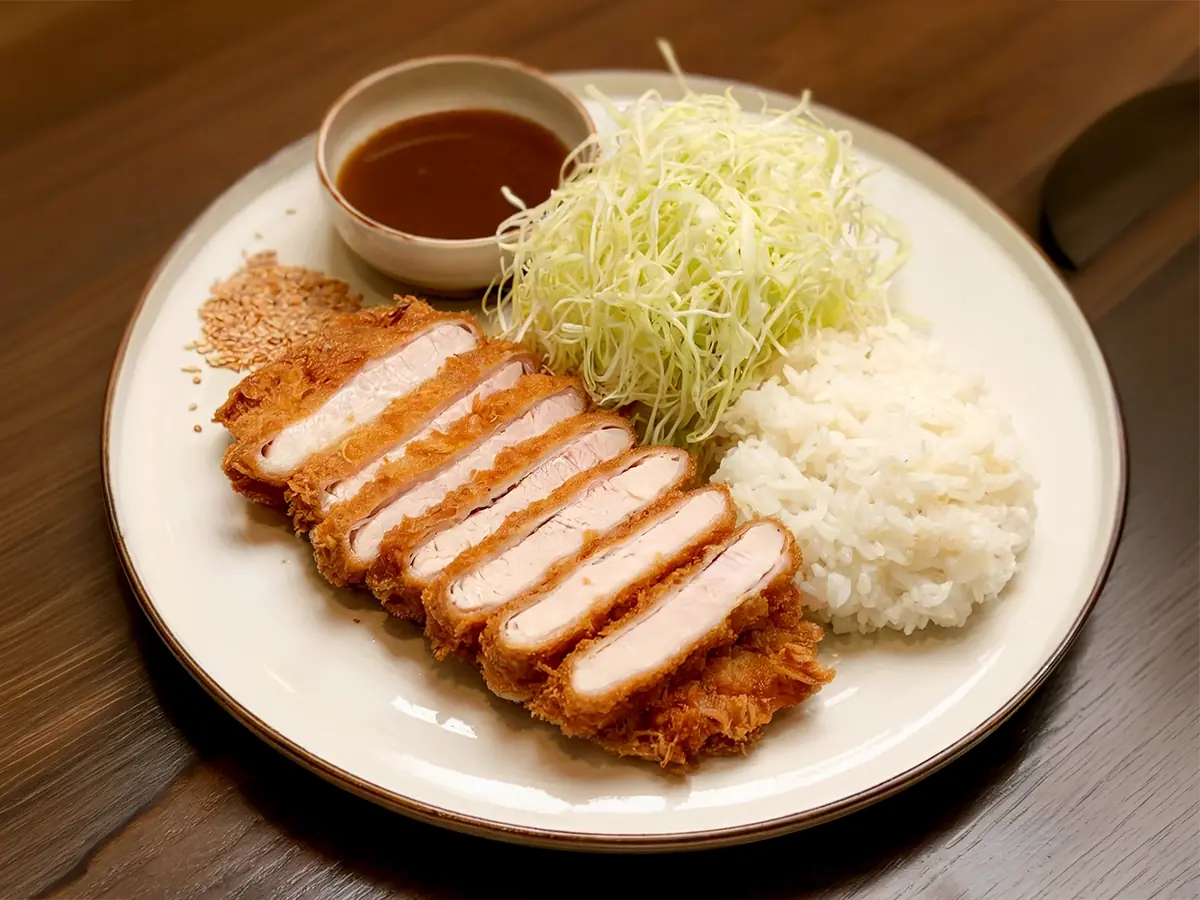
Tonkatsu is a popular Japanese dish — a breaded pork chop. A perfect example of adapting Western cooking techniques into Japanese cuisine.
Ingredients
- 4 piecesboneless pork loin, about 2 cm thick
- 1/2 cupflour
- 2 eggs
- 2 cuppanko breadcrumbs
- for fryingvegetable oil
- 1/2 cupketchup
- 2 tbspWorcestershire sauce
- 2 tbspsoy sauce
- 1 tbspsugar
- 1 tspmustard
- to tastesalt and black pepper
1 cup = 240 ml
Method
- Lightly pound the pork to an even thickness. Season both sides with salt and pepper.
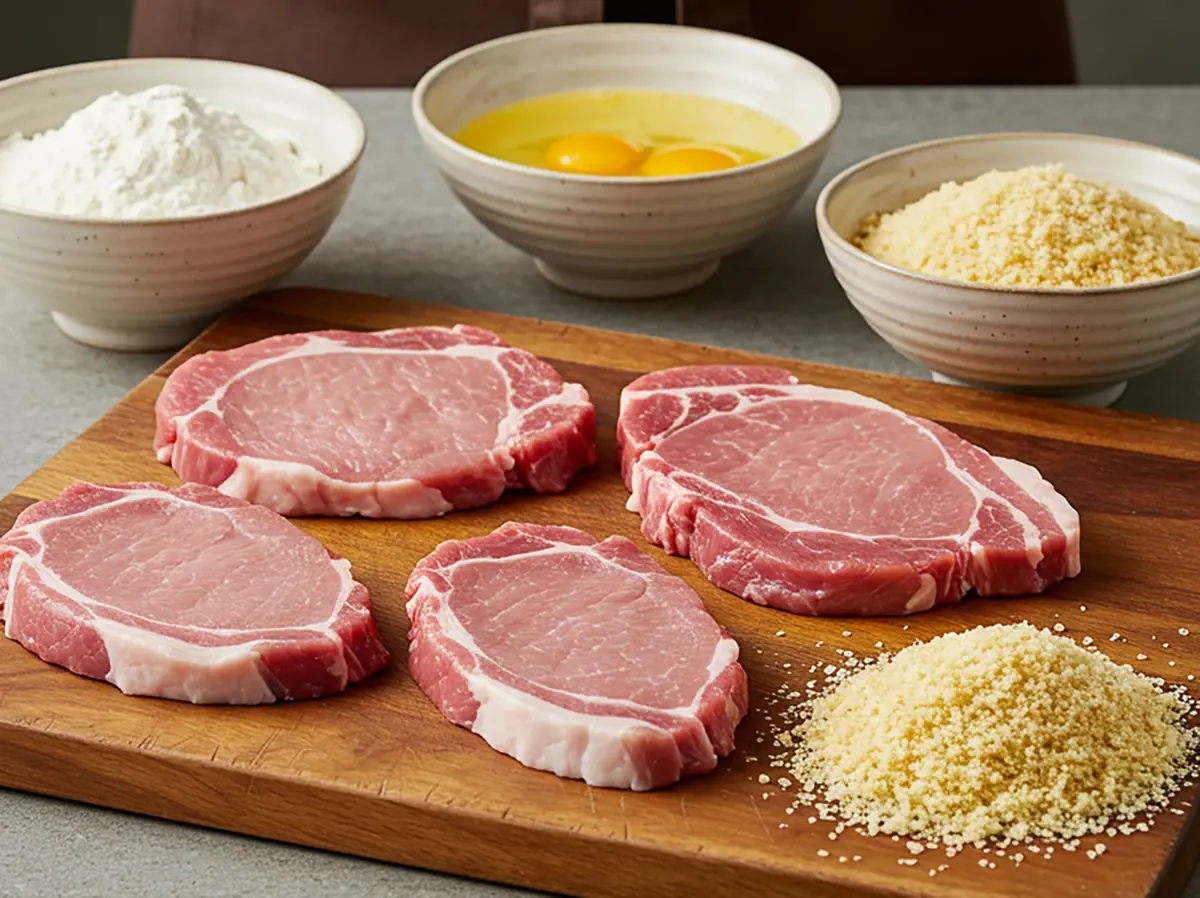
- Prepare three bowls with flour, beaten eggs and breadcrumbs. Dip each piece of pork first in the flour, then in the egg, and finally in the breadcrumbs, pressing down well.
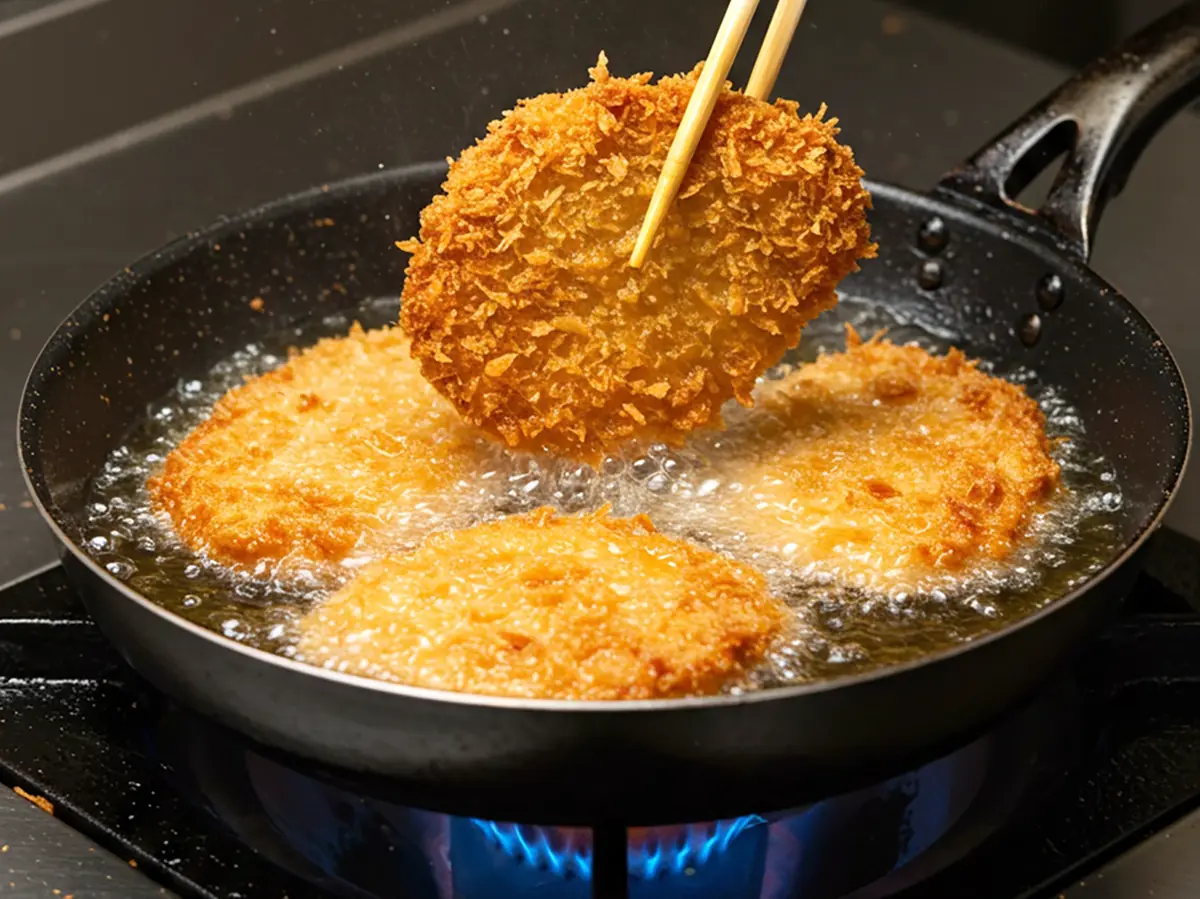
- Heat the oil in a deep frying pan or deep fryer to 170°C. Fry the pork for 3-4 minutes on each side until golden brown. Place on paper towels to remove excess oil.
- For the sauce: combine the ketchup, Worcestershire sauce, soy sauce, sugar and mustard in a small saucepan and heat over medium heat, stirring constantly, until the sauce thickens, about 5 minutes.
- Cut the tonkatsu into strips and serve with the sauce, shredded cabbage and rice.
FAQ
Breading falling off is almost always a moisture problem. Pat the pork completely dry with paper towels before breading — any surface moisture turns the flour paste into a steam barrier that pops the crust off during frying. Follow the three-step sequence strictly: flour (thin layer, shake off excess), egg wash, then panko. Press the panko firmly onto the meat with your hands so it adheres. Let the breaded cutlet rest on a wire rack for 5–10 minutes before frying — this allows the coating to hydrate and bond. Fry at a steady 170–175°C; if the oil is too cool the crust absorbs fat and slides off, if too hot the outside cooks before the egg sets.
Both cuts work but give different results. Pork loin (rosu) is the traditional choice — it has a fat cap along one edge that keeps the cutlet moist and adds flavor. Pork tenderloin (hire) is leaner and more tender naturally, popular with those who prefer less fat. For loin, score the fat cap with a knife every 2 cm to prevent the cutlet from curling in the pan. Light pounding (once or twice with the smooth side of a mallet, not flat) helps tenderise loin and creates an even thickness for uniform cooking, but tenderloin should not be pounded at all — it is already delicate.
Fry tonkatsu at 170–175°C (340–347°F). At this temperature a 1.5 cm thick cutlet takes about 4–5 minutes total, turning once halfway. To test the oil without a thermometer, drop a few panko crumbs in — they should sink briefly, then rise and sizzle steadily. If they sizzle immediately on contact (too hot) or just sink and sit (too cool), adjust. The cutlet is done when the crust is deep golden brown and the internal temperature reaches 63°C (145°F). A faster check: press the center lightly — it should feel firm and spring back. Let it rest on a rack for 2–3 minutes before cutting so the juices redistribute.
Tonkatsu sauce (also called 'Worcester sauce' in Japan) is thick, dark, sweet-savory, and tangy — closer to a fruity HP sauce or a mild ketchup-Worcestershire blend than a thin soy-based sauce. The commercial version (Bull-Dog is the most famous brand) contains pureed vegetables and fruit (tomatoes, prunes, apples) and is spiced with cloves and allspice. A quick homemade version: mix 3 tablespoons ketchup, 2 tablespoons Worcestershire sauce, 1 tablespoon soy sauce, 1 teaspoon sugar, and a pinch of ginger. Stir well and taste — adjust with more Worcestershire for tang or ketchup for sweetness. It keeps in the fridge for 2 weeks.
Yes, baked tonkatsu is a workable lighter alternative, though the crust will be slightly less crisp than deep-fried. To get as close as possible to the original: brush the breaded cutlet with a thin, even layer of oil or spray generously with cooking spray, then bake on a wire rack set over a baking sheet at 200°C (400°F) for 18–22 minutes, flipping once halfway. The rack allows hot air to circulate under the cutlet, crisping the bottom too. For extra crunch, toast the panko in a dry pan for 2–3 minutes until lightly golden before breading — pre-toasted panko browns better in the oven than raw panko.
Rate this
Recipes by email
One letter a week: a recipe picked for your taste, plus whatever is new on the site. Unsubscribe in one click.
Welcome gift: Sergei's cookbook (e-book).
By subscribing you agree to the privacy policy.
Tell us what you like to cook (30 seconds) →Keep browsing
More dishes from the Japanese archive — picked by overlap with what you're cooking now.
Join the conversation
Comments (1)
The pan needs to be properly hot before the boneless pork loin goes in for tonkatsu. A lukewarm pan steams instead of sears. Wait until you see the faintest wisp of smoke — that's your signal.