
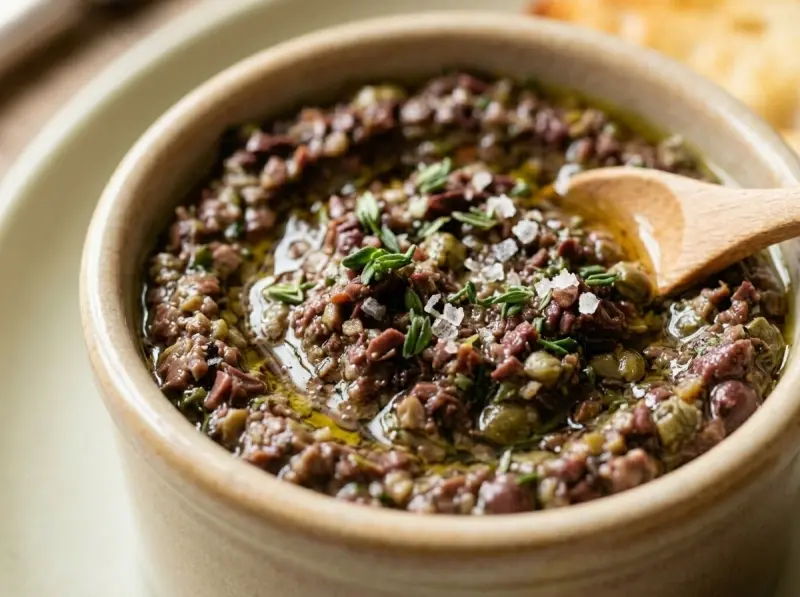
Тапенад из оливок
Тапенада — провансальская паста из рубленых чёрных и зелёных оливок, каперсов и анчоусов, которую связывают оливковым маслом и лимонным соком. В этой версии есть ещё красный лук, петрушка и хлопья чили. Намажьте её на хрустящий хлеб или подайте к овощам на гриле и рыбе. Много не нужно.
Ингредиенты
- 150 голивки каламата, без косточек
- 150 гзелёные оливки, без косточек
- 40 гкаперсы, без рассола
- 40 гкрасный лук, мелко нарезанный
- 2 филе анчоуса
- 2 ст.л.оливковое масло
- 2 ст.л.лимонный сок
- 2 ст.л.свежая петрушка или базилик
- 1/4 ч.л.хлопья красного перца
Приготовление
- Слейте рассол с оливок и каперсов (каперсы промокните бумажным полотенцем, а если они очень солёные, сначала ополосните), анчоусы мелко порубите. Мелко нарежьте оливки каламата и зелёные оливки, выложите в миску, добавьте каперсы, красный лук и анчоусы.

- Влейте оливковое масло, лимонный сок, добавьте петрушку или базилик и хлопья красного перца. Тщательно перемешайте.
- Для более однородной пасты, если хотите, пробейте смесь блендером 6–8 короткими импульсами, один-два раза соскребая её со стенок. Остановитесь, пока это ещё крупная паста с видимыми кусочками оливок: два лишних импульса, и выйдет гладкий крем.

- Подавайте с хрустящим хлебом, крекерами или используйте как намазку для сэндвичей и пиццы.
Вопросы
Тапенада — классическая прованская паста, название происходит от провансальского слова tapeno — «каперс». Каперсы обязательный ингредиент, не дополнение: именно они дают характерную солёно-кислую ноту. Греческая паста из маслин — просто перетёртые оливки с маслом. Тапенада сложнее: каперсы, анчоусы (опционально), лимонный сок, зелень — полноценный соус с многослойным вкусом.
Анчоусы в тапенаде не чувствуются как рыба — они дают умами, «пятый вкус», глубину и солёность. При измельчении полностью растворяются в пасте. Это та же роль, что Worcester sauce в Caesar dressing. Без анчоусов тапенада более плоская. Вегетарианская версия: добавить немного мисо-пасты или щепотку хлопьев нори — дадут похожую умами-нотку.
Классическая тапенада нуар делается из чёрных оливок, поэтому каламата — хороший выбор: мясистая, с глубоким вкусом и умеренной горчинкой. Чёрные оливки из банки (калифорнийские) слишком мягкие и пресные, часто крашеные. Зелёные дают другую тапенаду, более свежую и острую, поэтому в этом рецепте берут смесь. Какие бы ни купили, промойте оливки из крепкого рассола, иначе паста выйдет пересолённой.
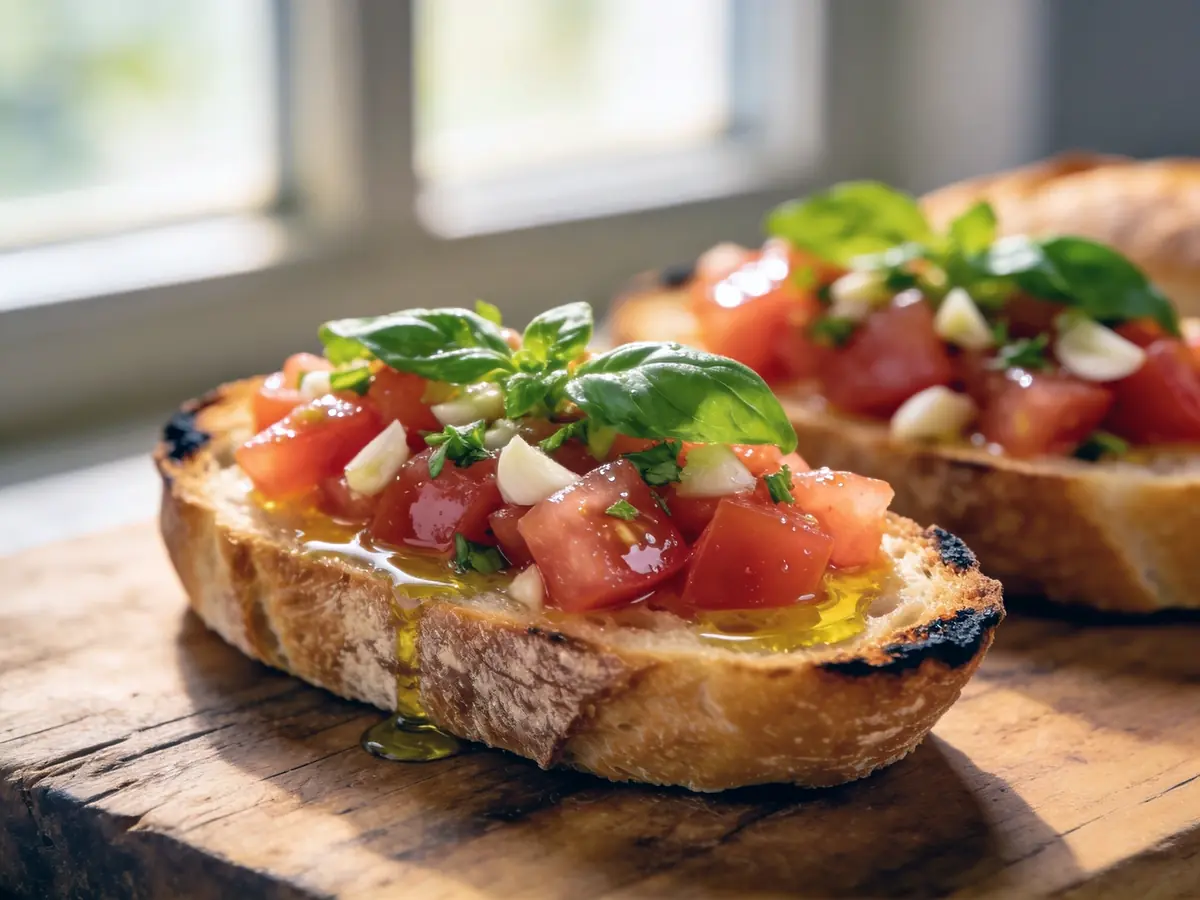
В Провансе тапенаду намазывают на тост или гриллированный хлеб как aperitivo. Используют как пасту под мясо при запекании — натирают ягнёнка или курицу. Разводят оливковым маслом — получается заправка для пасты. Добавляют в пиццу вместо томатного соуса. Подают с crudités — сырыми овощами. В холодильнике под слоем оливкового масла хранится 2–3 недели. Намажьте её на поджаренный хлеб, как для брускетты, или поставьте миску рядом с хумусом на столе с закусками.
В Провансе её делают в ступке — долго, вручную, с неровной зернистой текстурой. Блендер допустим, но легко переусердствовать: главная ошибка — превратить в однородный крем. Правильная текстура — грубоватая, с кусочками. В блендере используют режим pulse — нажатия по 1–2 секунды, затем перемешать ложкой, снова пульс. Результат должен оставаться «читаемым».
Оцени
Рецепты на почту
Одно письмо в неделю: рецепт под ваш вкус и всё новое на сайте. Отключить рассылку можно в один клик.
В подарок — книга рецептов Сергея (epub).
Нажимая кнопку, вы соглашаетесь с политикой конфиденциальности.
Расскажите, что любите готовить (30 секунд) →Смотри дальше
Ещё блюда из архива — подобраны по пересечению с тем, что ты сейчас готовишь.


Обсудить рецепт
Комментарии (1)
I cut everything for olive tapenade to bite size — nothing that requires a knife or causes an awkward moment. Appetizers should be effortless to eat so the conversation stays uninterrupted.