Paleo diets try to eat the way humans did before farming: meat, fish, vegetables, fruit, nuts. No grains, no dairy, no sugar. Here's the odd part. A lot of what the Greeks and Romans cooked, especially the older and simpler dishes, lands almost exactly inside those rules by accident. Fish roasted whole. Meat over fire. Vegetables in olive oil.
Then the same cultures built their whole civilisation on wheat, cheese, and honey, and the paleo overlap ended. So this is two stories at once: five ancient-style dishes that happen to be paleo, and one that shows exactly where the ancient world walked away from it. I find that contrast more interesting than pretending Roman food was a low-carb plan. It wasn't. But the bones of it were.
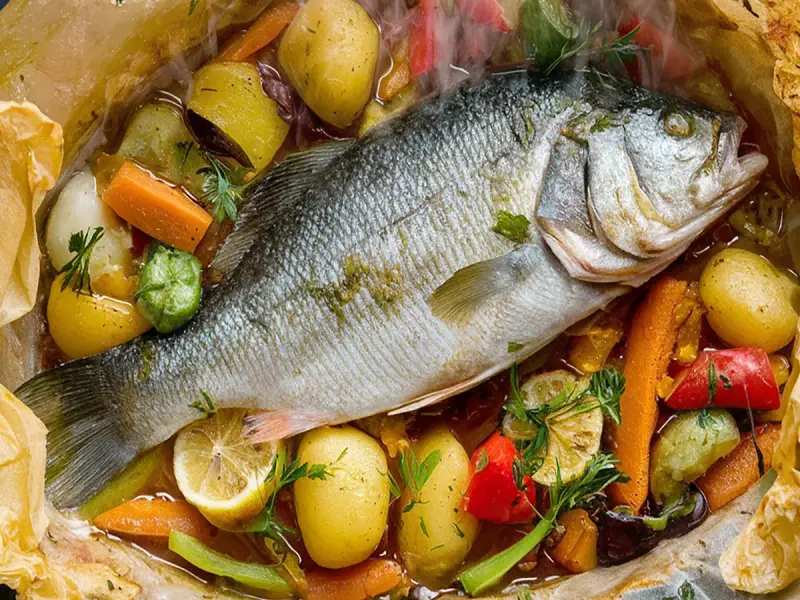
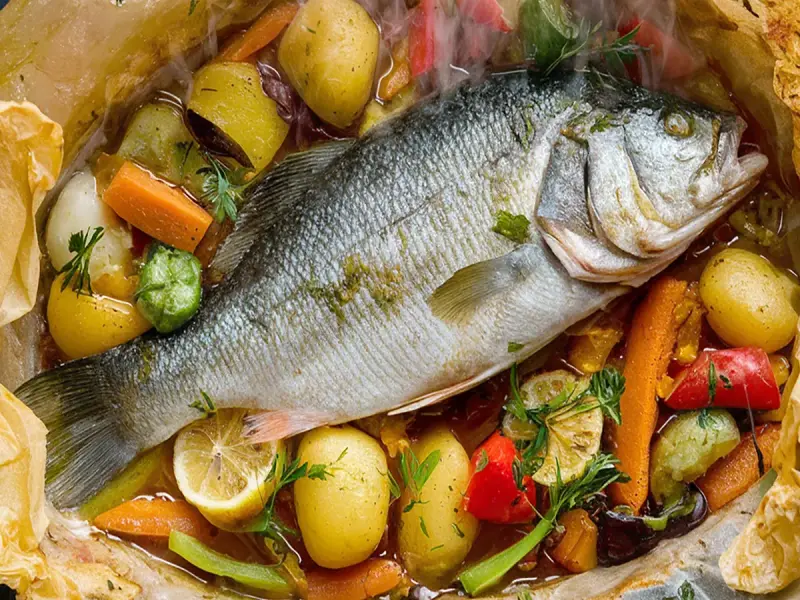
Sea Bass Baked in Paper — the oldest trick in the Mediterranean
A whole fish, herbs, olive oil, sealed up and cooked in its own steam. Greeks and Romans were doing a version of this with clay and fig leaves two thousand years ago, long before parchment. It's about as paleo as cooking gets: fish, fat, herbs, nothing else.
Don't skip the whole fish for fillets if you can help it. The bones and skin keep the flesh moist and add flavour you simply can't get otherwise, and the parcel traps all of it. Score the skin, stuff the cavity with whatever's green and fragrant, and pull it the moment the flesh turns opaque at the bone.
→ Sea Bass Baked in Paper recipe
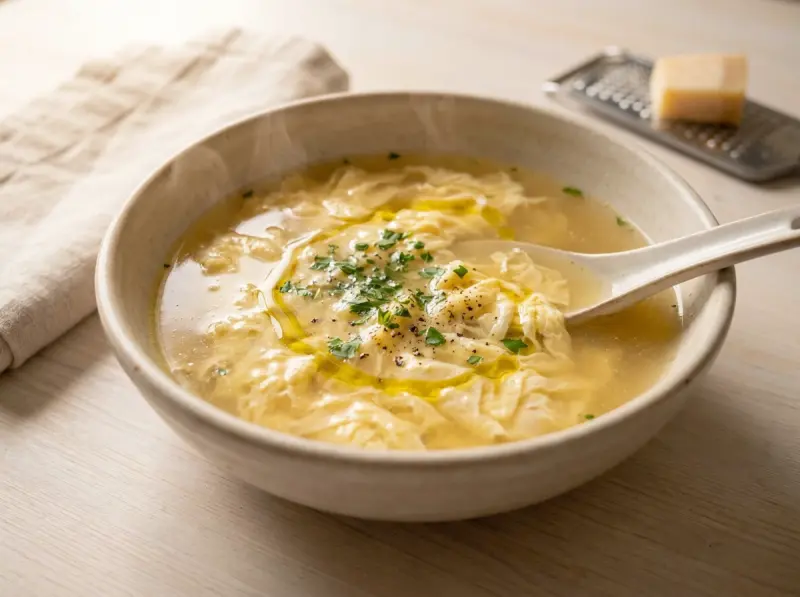
Stracciatella alla Romana — Rome's two-minute egg soup
Eggs whisked into hot broth until they form soft ragged threads. The Romans ate egg-and-broth dishes like this constantly. Strip it back to good stock and eggs and you've got something a paleo eater can have any night of the week.
The trick is temperature. The broth should be at a bare simmer, not a rolling boil, when the eggs go in. Pour slowly and stir gently so you get delicate strands instead of one rubbery omelette floating in soup. Classic versions add a little cheese, so leave it out if you're keeping it strict — the dish holds up fine without it.
→ Stracciatella alla Romana recipe
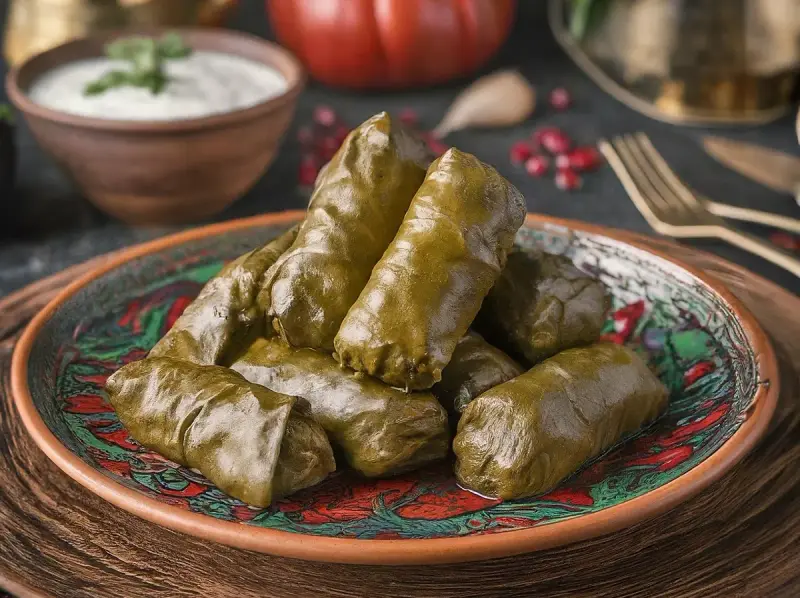
Dolma — stuffed leaves older than most countries
Vine leaves wrapped around a savoury filling. The technique goes back to the ancient eastern Mediterranean, and the original logic is pure paleo: use the leaf as a wrapper, fill it with meat and herbs. The rice came later.
Make the meat version and go easy on or skip the grain entirely, and you're eating something close to what people wrapped up thousands of years ago. Pack the filling loosely, line the pot so the bottom layer doesn't scorch, and weigh the parcels down with a plate so they hold their shape while they cook low and slow.
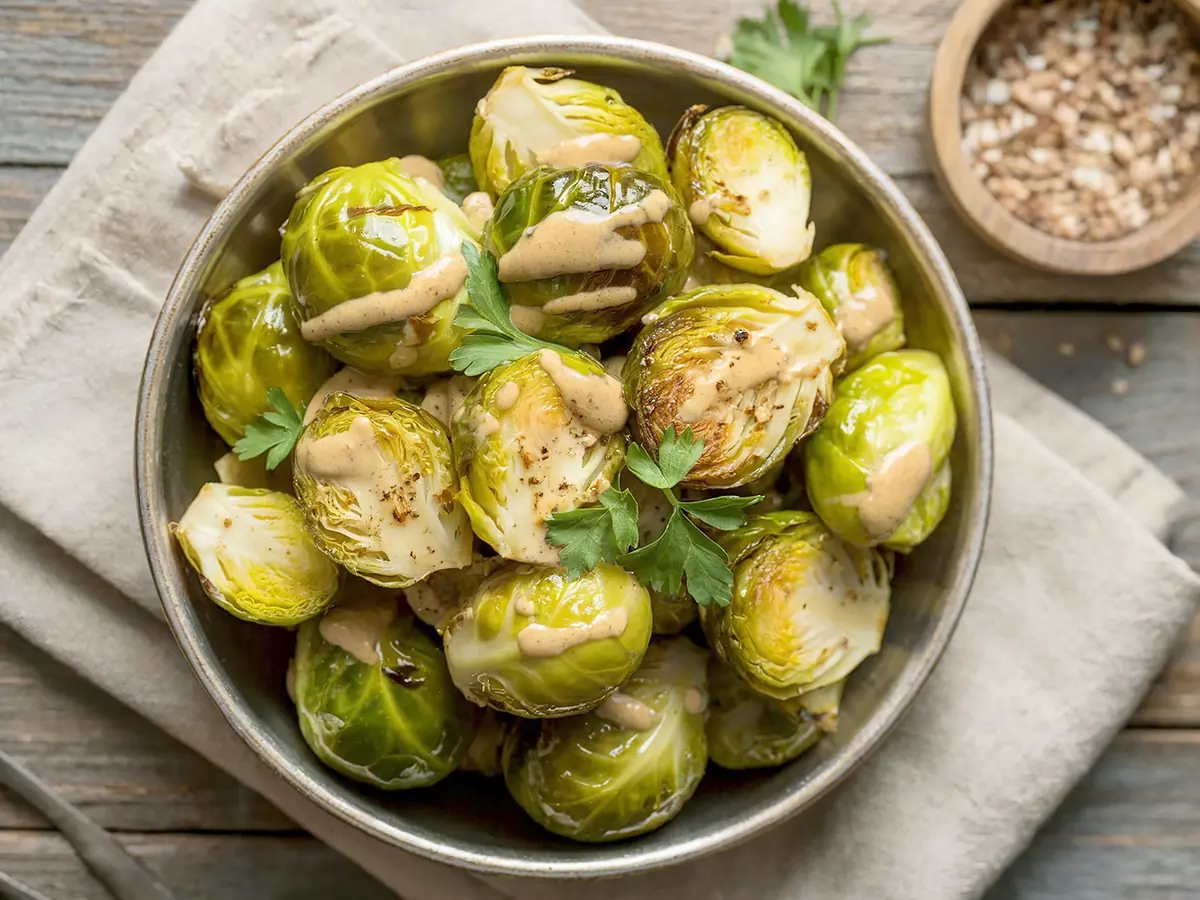
Roasted Brussels Sprouts — the Roman way with any vegetable
The Romans grew a wild ancestor of the sprout and treated their vegetables the way these are treated here: tossed in olive oil, roasted hot until the edges go dark and crisp. Caramelisation was their seasoning long before anyone wrote it down.
High heat is everything. Crowd the tray and the sprouts steam pale and sulphurous instead of roasting. Spread them out, cut side down, and leave them alone until the flat faces are properly browned. A squeeze of lemon at the end is about as ancient and as paleo as a finishing touch gets.
→ Roasted Brussels Sprouts recipe
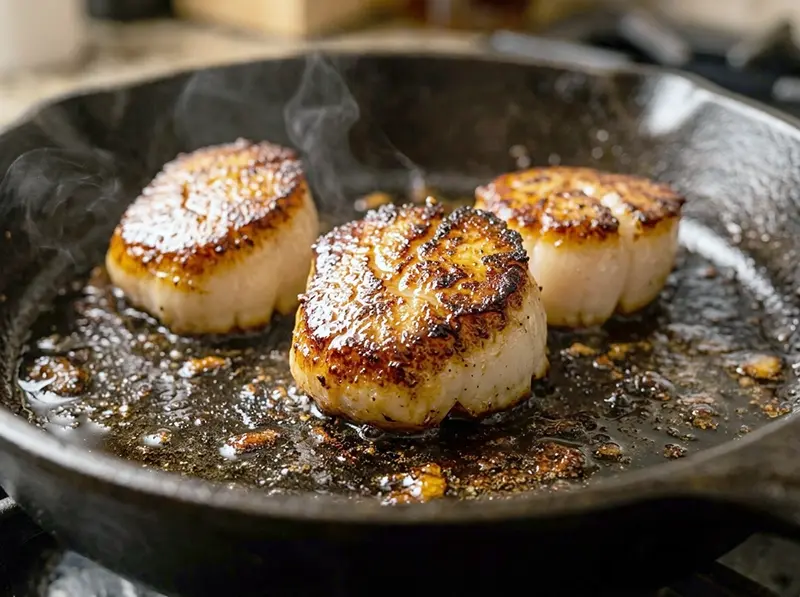
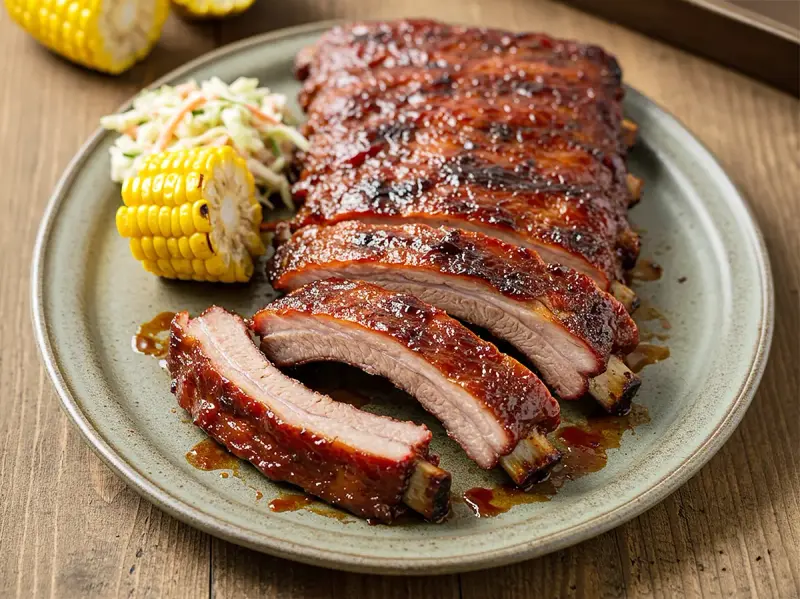
Spare Ribs — fire and meat, the oldest meal there is
Before the cheese and the wheat and the honey, this is what cooking actually was: a cut of meat and a fire. Slow-cooked ribs are the most direct line you can draw from a modern kitchen back to the first cooked meal a human ever ate.
Low and slow does the work. Rib meat is full of connective tissue that needs hours of gentle heat to turn tender, and rushing it just gives you tough, chewy meat. If you want to keep it strictly paleo, season with salt, herbs, and maybe a little fruit for sweetness instead of a sugary commercial sauce. The fire does most of the flavour anyway.
Savillum — and here's where paleo ends
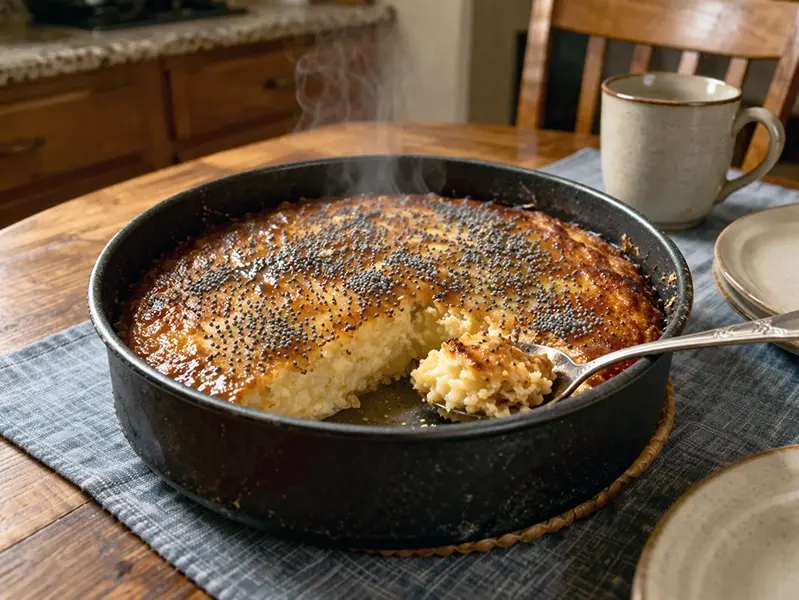
This is the dish that proves the point. Savillum is an ancient Roman cheesecake: flour, soft cheese, honey, baked and drenched in more honey. Cato wrote the recipe down around 160 BC. It is delicious. It is also flour and sugar, which is to say it is the exact opposite of paleo.
I'm including it on purpose. The ancient world wasn't living on a low-carb plan — the moment people had grain and honey, they made sweets, and they were proud of them. Savillum is what the Roman table looked like once farming gave it options. Make it when you want a genuine taste of antiquity and aren't worried about the rules.
What the ancient pantry actually held
Olive oil above all, then fish, herbs, vegetables, eggs, and meat cooked over fire — the part that overlaps with paleo. Then the rest of it: wheat for bread and puls, cheese, honey, wine, and fermented fish sauce on nearly everything. The honest version of "eating like the ancients" includes both halves. Cook the first half if you're doing paleo. Cook the second when you want the full Roman experience and a slice of very old cheesecake.