People think Korean cooking is complicated. It isn't, really. What it is, is bold. There's a willingness to lean hard into fermentation, heat, garlic, and that funky-sweet thing gochujang does, and once you stop being polite about it, the whole cuisine opens up. Most of what follows is weeknight food in Korea. Comfort, not occasion.
Six dishes below, from the pickle that's basically a national project to the chewy rice cakes teenagers eat after school. A couple need patience. None of them need anything you can't keep in the fridge for months.
Kimchi — the thing everything else leans on
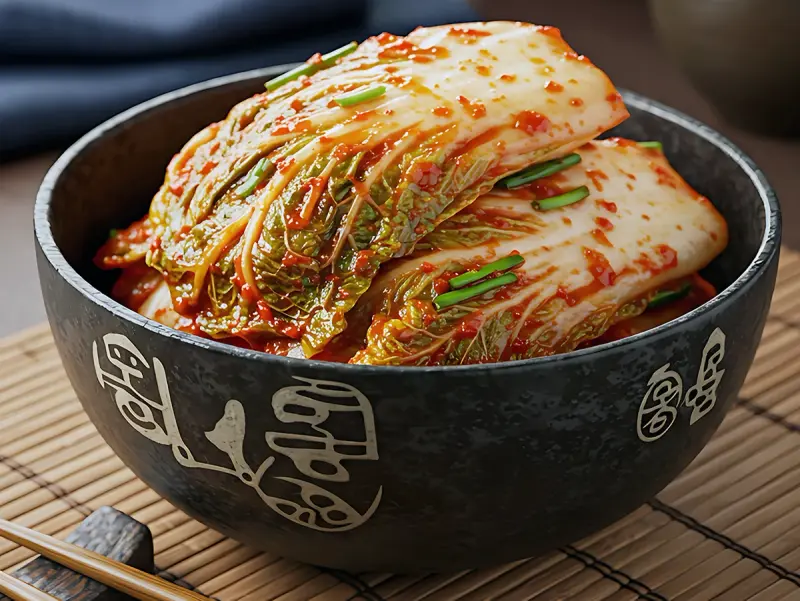
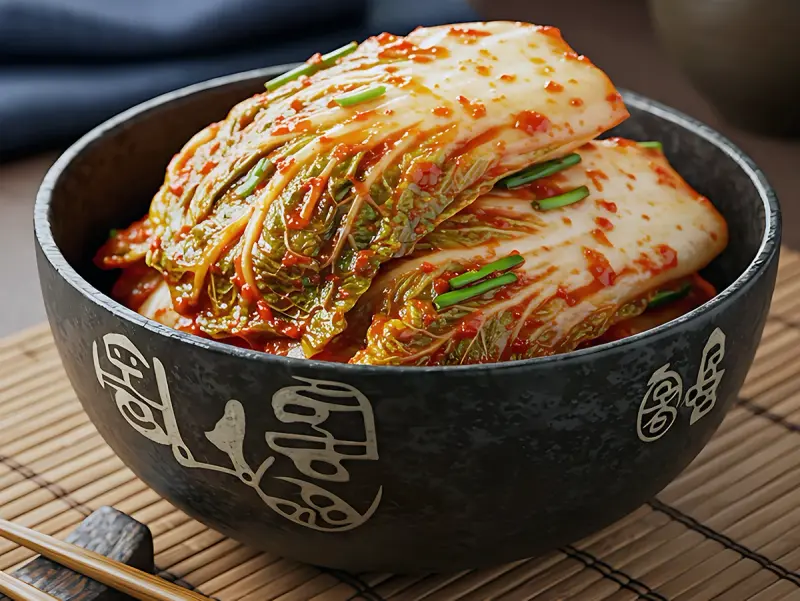
Napa cabbage salted, then packed with a paste of gochugaru, garlic, ginger, and fish sauce, and left to ferment until it's sour and alive. It's a side dish, an ingredient, a fridge staple, and honestly a personality test. Every Korean family swears their version is the right one.
Salt the cabbage properly and give it time to wilt before you rinse it. Skip that and you get watery, limp kimchi that never develops a good crunch. The other thing people rush is the ferment. Leave it on the counter a day or two until it tastes tangy, then move it to the fridge, where it keeps getting better for weeks. Patience does the work here, not you.
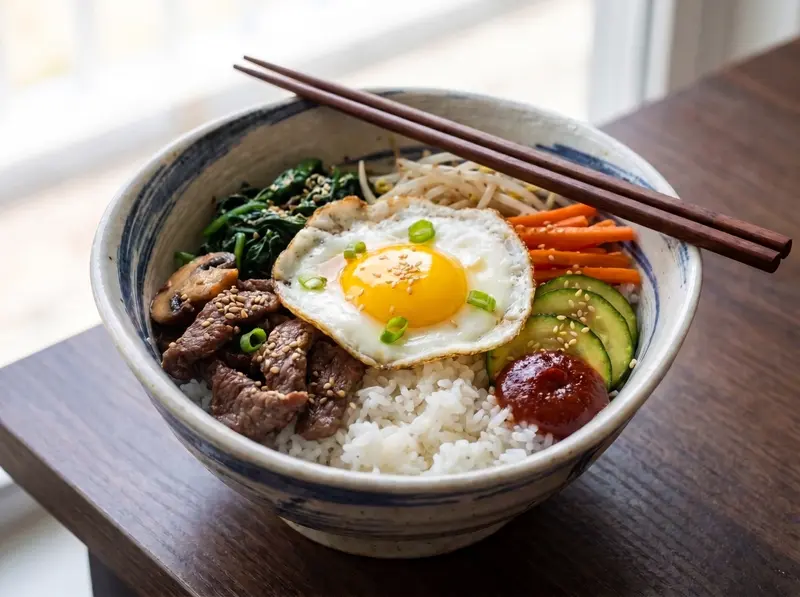
Bibimbap — a bowl that's secretly a strategy
Rice topped with seasoned vegetables, a bit of meat, a fried egg, and a spoonful of gochujang, all mixed together at the table. The name literally means mixed rice. It looks composed and tidy in the photos, but the point is to wreck it — stir everything into a glorious mess and eat.
Crisp the bottom of the rice if you can. A hot stone bowl gives you that scorched, crackly layer that's the best part, but a regular skillet works too: press the rice down and leave it alone over medium heat until it browns. Season each vegetable separately, even if it feels fussy. Bland spinach next to bland carrot is just sad. A little sesame oil and salt on each one and the bowl comes alive.
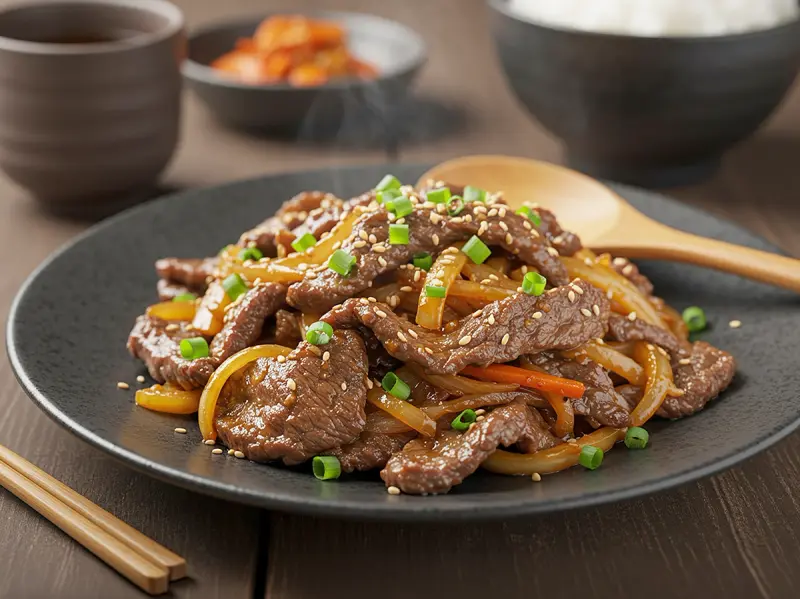
Beef Bulgogi — the gateway drug
Thin slices of beef marinated in soy, sugar, garlic, sesame, and usually grated pear, then seared fast and hot. Sweet, savoury, a little smoky. This is the dish that converts people who think they don't like Korean food.
Slice the beef thin and against the grain — easier if you freeze it for 30 minutes first so it firms up. The grated pear isn't a quirk, by the way. It carries an enzyme that tenderises the meat and adds a clean sweetness sugar can't fake. Cook it in a screaming-hot pan in batches so it sears instead of stewing. You want browned edges, not grey liquid.
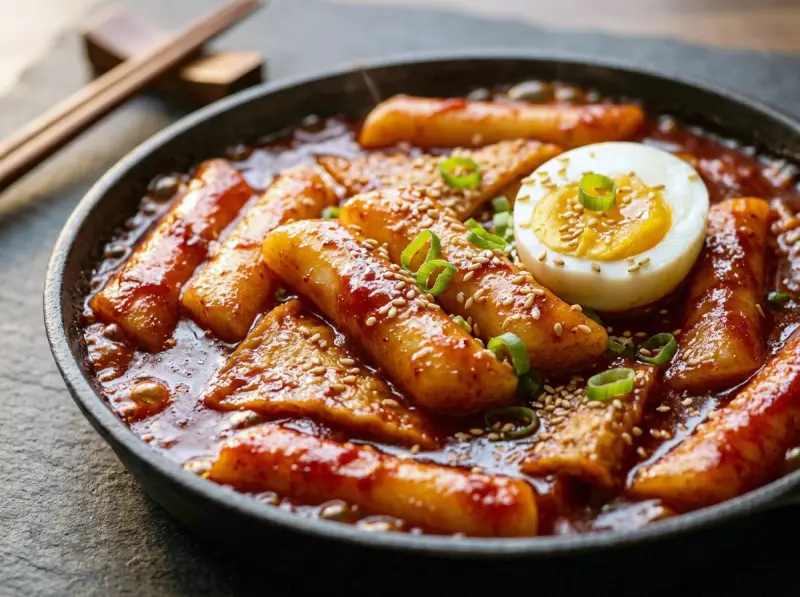
Tteokbokki — chewy, spicy, gloriously messy
Cylindrical rice cakes simmered in a sauce of gochujang and gochugaru until the whole thing turns thick and glossy and red. Street food, snack food, the thing you make at 11pm. It's chewy in a way Western food rarely is, and that texture is half the appeal.
If your rice cakes are dried or frozen, soak them in warm water first so they soften and don't turn to rubber. Don't let the sauce reduce too far, either — it thickens fast at the end and goes from saucy to gluey in about a minute. Pull it off the heat while it still coats a spoon. A sheet of fish cake and a boiled egg make it a meal instead of a snack.
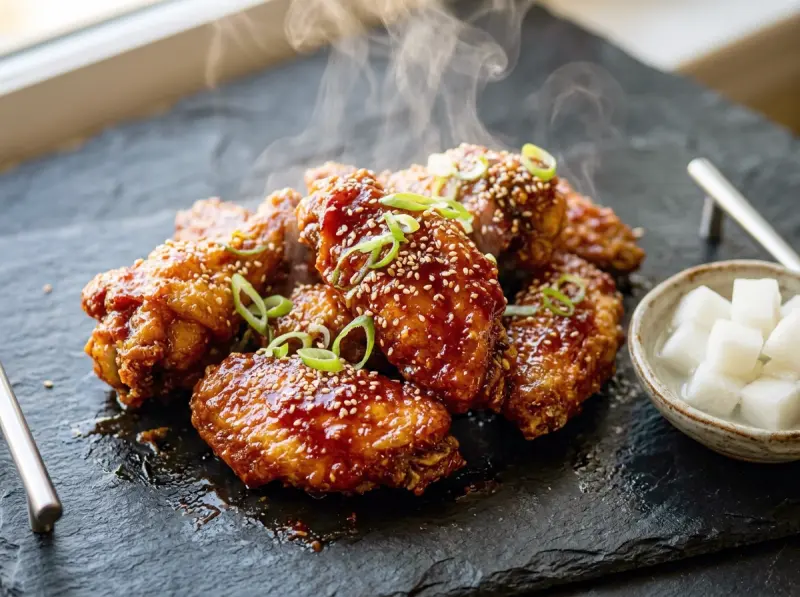
Korean Fried Chicken — the crunch that ruined other fried chicken for me
Chicken fried twice, tossed in a sticky-sweet-spicy glaze, and somehow still shatteringly crisp under all that sauce. The double fry is the trick the whole world copied. It's not optional.
First fry cooks the chicken through. Second fry, after a rest, drives out the last of the moisture and locks in that glass-like crust. Skip the rest between fries and the coating goes soft. Keep the oil at a steady heat and don't crowd the pot, or the temperature crashes and you get greasy, pale chicken. Toss it in the glaze the second it comes out, and eat it fast, before the sauce softens the shell.
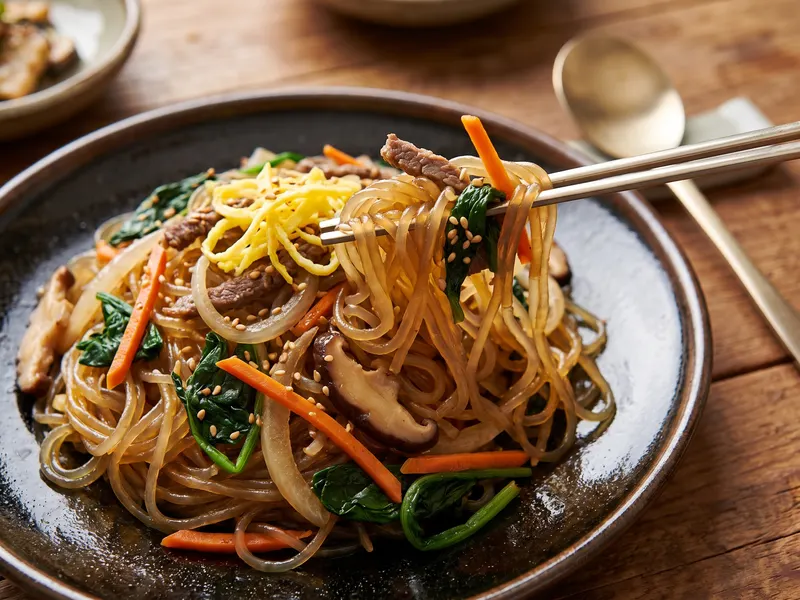
Japchae — noodles that are actually a vegetable dish
Glass noodles made from sweet potato starch, stir-fried with a rainbow of vegetables and beef in a light soy-sesame dressing. Springy, slippery, faintly sweet. It shows up at every celebration, but it's good enough for a Tuesday.
Cook the noodles, then rinse and toss them in a little oil so they don't clump into one sad lump. Stir-fry the vegetables separately and combine at the end — pile everything in at once and the delicate ones overcook while the firm ones stay raw. Dress the whole thing while it's warm so the noodles drink up the soy and sesame. It's just as good at room temperature, which is why it travels to every party.
The Korean pantry
Gochujang (the fermented chilli paste that anchors half these dishes), gochugaru (coarse red pepper flakes, smoky rather than scorching), toasted sesame oil, soy sauce, fish sauce, garlic by the head, and a bag of short-grain rice. None of it is fragile and most of it keeps for ages. Stock those and you're a marinade away from dinner any night of the week.