Skip to content
GetCookMatch
⌘K
Cuisine · Japan

Japanese cooking

Rice, dashi, restraint. Every flavor earns its place. Ramen with honest broth, vegetables cooked like they matter, fish treated with reverence.

Sort by
Mille-Feuille Nabe (Japanese Cabbage and Pork Hot Pot) with napa cabbage, pork belly and dashi — Japan recipe
🇯🇵JapanMedium
Soups

Mille-Feuille Nabe (Japanese Cabbage and Pork Hot Pot)

Mille-feuille nabe borrows its name from the French pastry of a thousand leaves, but here the layers are napa cabbage and paper-thin pork belly, packed upright into a pot so the cut edges spiral outwards like a flower. One small napa cabbage of about 1.2 kg is enough for a pot 24–26 cm across. A clear dashi broth is poured over and everything simmers for twenty minutes until the cabbage collapses into sweetness and the pork melts. It looks like far more work than it is, and the leftover broth makes the best bowl of udon you'll have all winter.

45 min770 kcal4 serves
★★★★★
Miso Soup with miso paste, tofu and seaweed — Japan recipe
🇯🇵JapanEasy
Soups

Miso Soup

Miso soup (味噌汁, miso shiru) is a Japanese soup of dashi stock with miso paste stirred in, here with silken tofu, wakame seaweed and scallion. Ready in 15 minutes with just 5 ingredients. Regular dashi is made with katsuobushi (dried bonito flakes) and some miso is made with barley, so for a vegetarian or gluten-free bowl use kombu dashi and a rice or soybean miso labelled gluten-free. The one rule: never boil the soup once the miso is in, or its aroma cooks off.

15 min90 kcal2 serves
⚡Quick🥑Keto
★★★★★
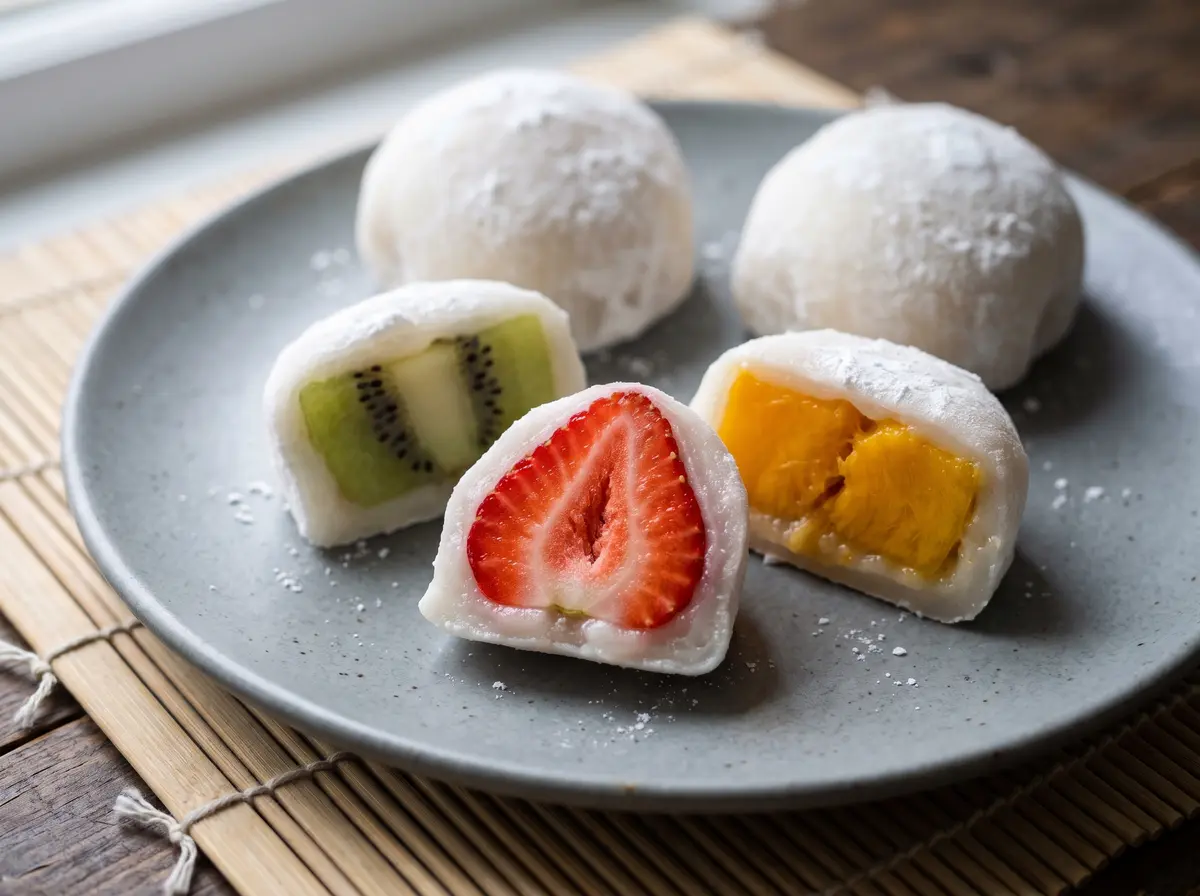
Mochi with glutinous rice flour and sugar — Japan recipe
🇯🇵JapanMedium
Sweet Dishes

Mochi

Mochi is Japanese rice cake made by steaming glutinous rice and pounding it into a smooth, stretchy dough; wrapped around fresh fruit like this, it becomes fruit daifuku (フルーツ大福). The taste changes with the fruit, but the chewy texture is always recognizable. The rice needs to soak for at least 2 hours, ideally overnight, before steaming.

60 min85 kcal10 serves
🌿Vegetarian🌱Vegan🌾Gluten-free

Napoleon Pie (Japanese Strawberry Mille-Feuille) with puff pastry, strawberries and heavy cream — Japan recipe
🇯🇵JapanAdvanced
Flour and Confectionery Products

Napoleon Pie (Japanese Strawberry Mille-Feuille)

Napoleon pie (ナポレオンパイ) is the Japanese name for a strawberry mille-feuille: three layers of crisp puff pastry stacked with cold custard, whipped cream and fresh strawberries. In Japan it is also sold as 苺のミルフィーユ, which simply means strawberry mille-feuille. The pastry is French, and using the name Napoleon pie for the strawberry version is Japanese usage: Maxim's de Paris, which opened in Ginza in 1966, sold its strawberry mille-feuille under that name. This home version makes 4 pieces from one 150 g sheet of frozen puff pastry instead of pastry made in house. It also leaves out the roasted sliced almonds that some shops press onto the sides and the orange liqueur that Maxim's put in its custard. It takes about 1½ hours start to finish, 1 hour of it the custard chilling while the pastry bakes.

70 min440 kcal4 serves
🌿Vegetarian
★★★★★
Nikujaga (Japanese Meat and Potato Stew) with beef, potato and onion — Japan recipe
🇯🇵JapanMedium
Meat Dishes

Nikujaga (Japanese Meat and Potato Stew)

Nikujaga (肉じゃが, also written nikujyaga, literally "meat and potatoes") is a Japanese home-style stew of thinly sliced beef, potatoes, onion and carrot simmered in a broth of dashi, soy sauce, mirin, sake and sugar. In western Japan it is usually made with beef, in eastern Japan more often with pork. You sauté the onion and meat first, simmer everything under a drop lid for about 15 minutes, then let the pot stand off the heat for 30 minutes so the potatoes soak up the broth.

40 min400 kcal4 serves
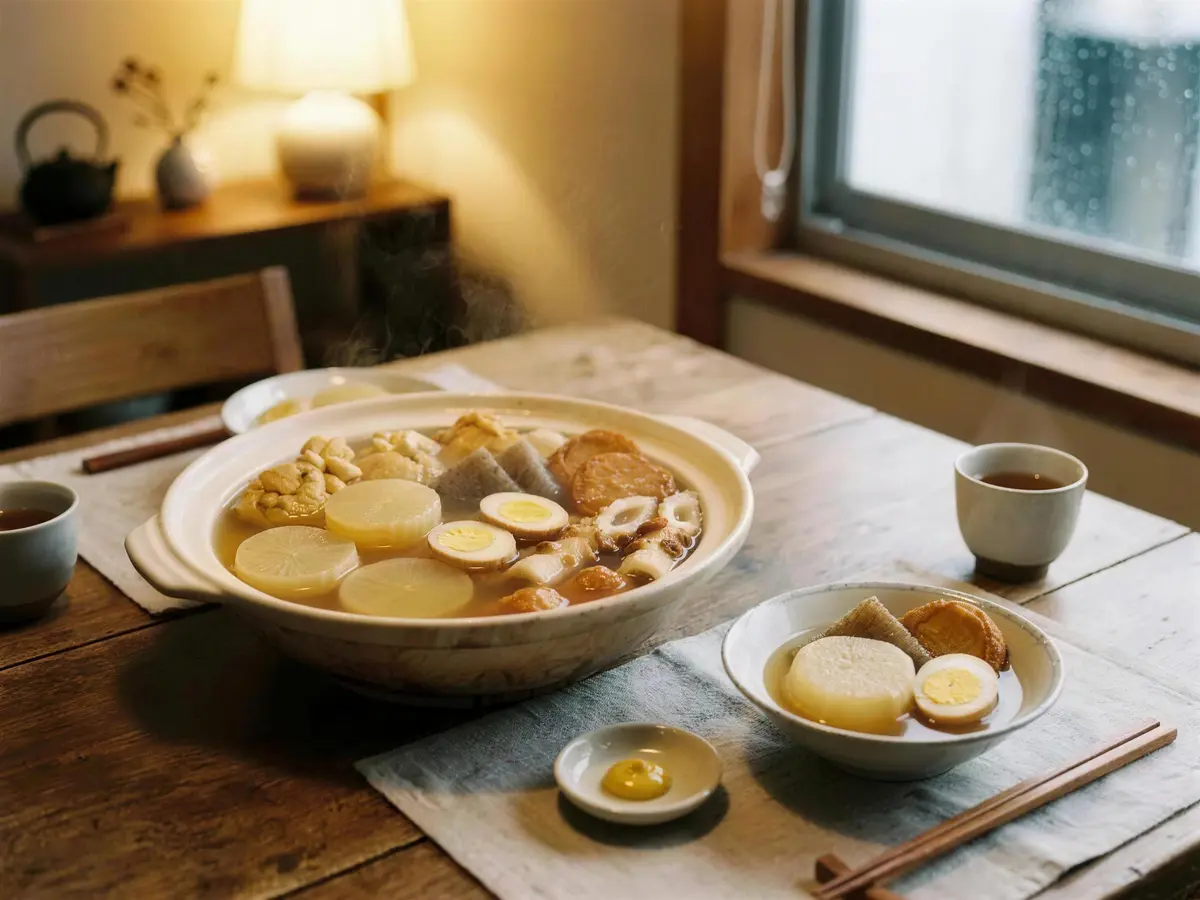
Oden (Japanese Simmered Hot Pot with Daikon and Fish Cakes) with daikon, eggs and chikuwa — Japan recipe
🇯🇵JapanAdvanced
Soups

Oden (Japanese Simmered Hot Pot with Daikon and Fish Cakes)

Oden is a Japanese one-pot of daikon, boiled eggs, konnyaku and fish cakes such as chikuwa, satsuma-age and ganmodoki, all simmered slowly in a clear dashi seasoned with light soy sauce, mirin and salt. Written おでん (in parts of Kansai it is also called kantodaki, 関東煮), its broth changes colour from region to region. The pale kombu-and-katsuobushi broth used here, seasoned with light soy sauce, is closer to the Kansai habit: oden broth in Kyoto is made with kombu and light usukuchi soy, while classic Kanto oden is simmered with regular dark koikuchi soy and comes out a deeper brown. Today both versions turn up all over Japan. Convenience stores sell it from simmering vats every autumn, starting in late September or October. Nothing here is quick-cooked. Daikon needs a pre-boil before it ever touches the broth, and the whole pot tastes better the day after it is made, once it has cooled down and been reheated so the flavor has time to soak all the way through. The kombu soaks for 20 to 30 minutes before the dashi is made, and that soaking is not counted in the time.

150 min305 kcal4 serves
Omurice (Japanese Omelette Rice) with rice, eggs and chicken — Japan recipe
🇯🇵JapanMedium
Breakfast and Brunch

Omurice (Japanese Omelette Rice)

Japan's diner classic: ketchup-fried chicken rice packed into an oval and wrapped in a thin, barely-set omelette. The move that separates good omurice from sour, soggy rice is frying the ketchup in the hot pan before it ever touches the rice, and the egg is finished off the heat while it still looks underdone.

25 min620 kcal2 serves
⚡Quick💪High protein
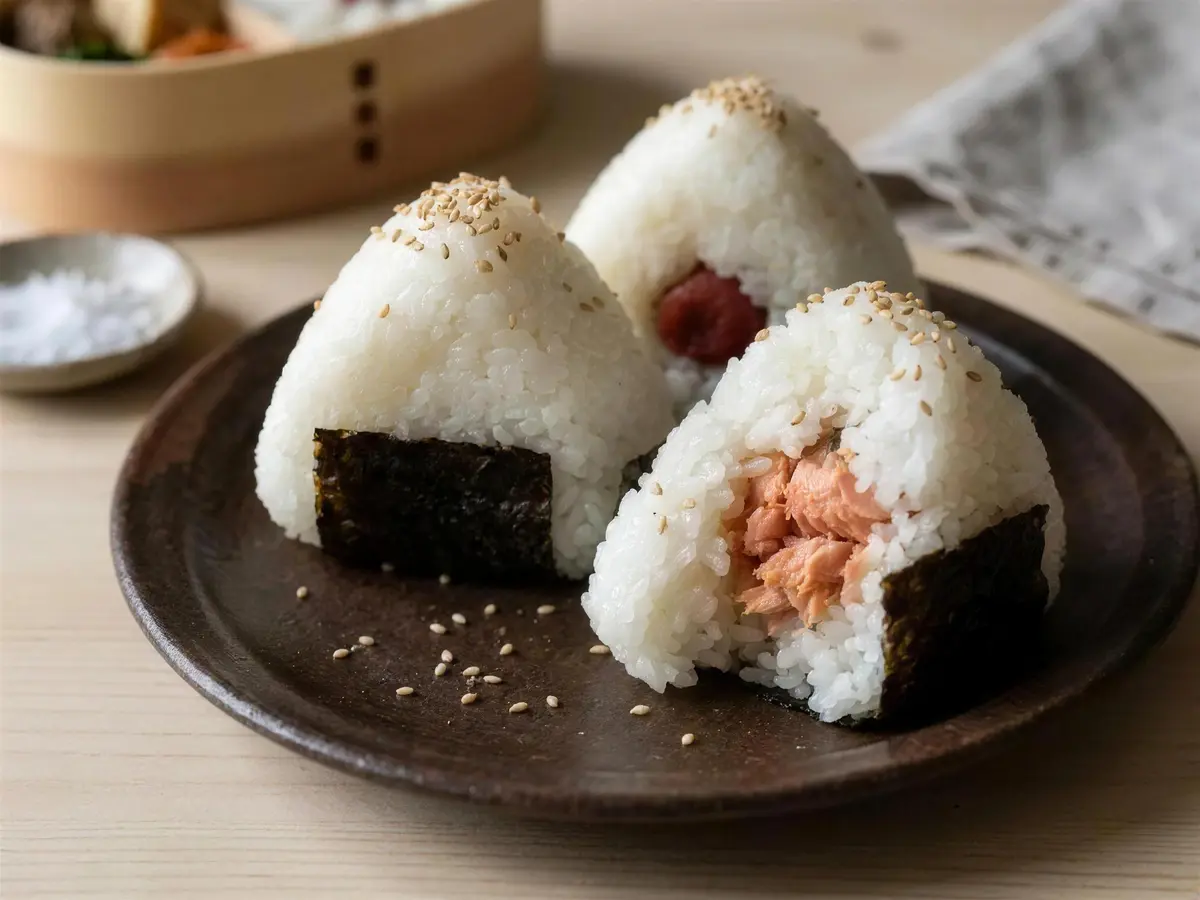
Onigiri (Japanese Rice Balls) with japanese short grain rice, nori and salted salmon — Japan recipe
🇯🇵JapanMedium
Appetizers and Sandwiches

Onigiri (Japanese Rice Balls)

Onigiri, also called omusubi, are Japanese rice balls: warm short-grain rice, lightly salted, pressed by hand around a small filling and wrapped in nori. The rice gets no vinegar, which is what separates onigiri from sushi. The name comes from nigiru, to grasp, and that is the method too: no mould, just wet salted hands and three or four firm turns. One pot of rice makes 8 to 9 onigiri with three classic fillings: salted salmon, umeboshi plum and tuna with mayonnaise. The rice soaks for 30 minutes before cooking, and that soak isn't counted in the total time. Onigiri are made to be carried and eaten at room temperature.

55 min345 kcal5 serves
Osaka-Style Okonomiyaki with green cabbage, dashi stock and nagaimo yam — Japan recipe
🇯🇵JapanAdvanced
Flour and Confectionery Products

Osaka-Style Okonomiyaki

Osaka-style okonomiyaki is a thick savory pancake held together by a modest amount of dashi batter and a great deal of cabbage. Pork belly browns against the pan while the center steams until tender, then sweet-savory sauce, mayonnaise, aonori, and bonito flakes go on at the table. It is forgiving about fillings, but the cabbage-to-batter ratio is not negotiable.

65 min795 kcal4 serves
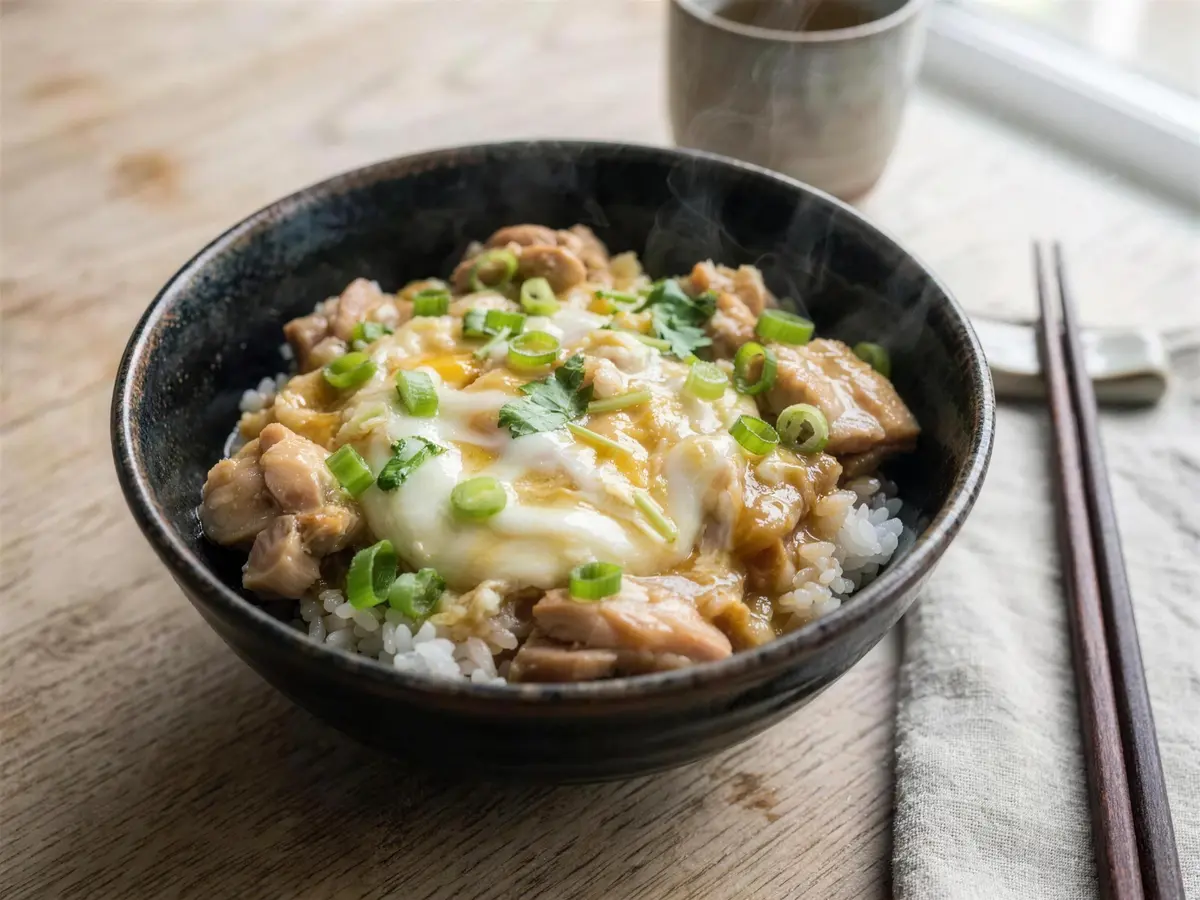
Oyakodon (Japanese Chicken and Egg Rice Bowl) with chicken, eggs and dashi — Japan recipe
🇯🇵JapanMedium
Cereal and Pasta Dishes

Oyakodon (Japanese Chicken and Egg Rice Bowl)

Oyakodon is a Japanese rice bowl (donburi) of chicken and onion simmered in sweet-savoury dashi broth, finished with softly set egg and served over rice. The name means "parent and child": chicken and egg in one bowl, which is either charming or a little dark depending on your mood. It's the easiest donburi to get right at home, and the one I make when there's nothing in the fridge but chicken thighs, eggs and rice. The egg goes in at the very end and sets into soft, barely cooked curds, and the whole thing takes about twenty minutes.

20 min700 kcal2 serves
⚡Quick💪High protein
★★★★★
Ozoni (Japanese New Year Mochi Soup) with chicken thighs, kombu and kamaboko — Japan recipe
🇯🇵JapanMedium
Soups

Ozoni (Japanese New Year Mochi Soup)

Ozoni (お雑煮, also written ozōni or zōni) is the soup Japanese families eat on the morning of New Year's Day. It usually has mochi in it, and nearly everything else depends on the region and the household. This is the Tokyo, or Kanto, version: toasted kirimochi (square blocks of cut mochi), chicken and greens in a clear broth of kombu and bonito dashi seasoned with soy sauce. In Kyoto and the rest of the Kansai region the soup is made with white miso instead, and the mochi is round and boiled rather than toasted. Tokyo cooks often use komatsuna, a Japanese mustard green; we use spinach, which some parts of Tokyo use too and which is easier to find outside Japan. The chicken cooks right in the dashi, so the soup comes together in one pot. From cold water to the table it takes about 35 minutes, dashi included.

35 min230 kcal4 serves
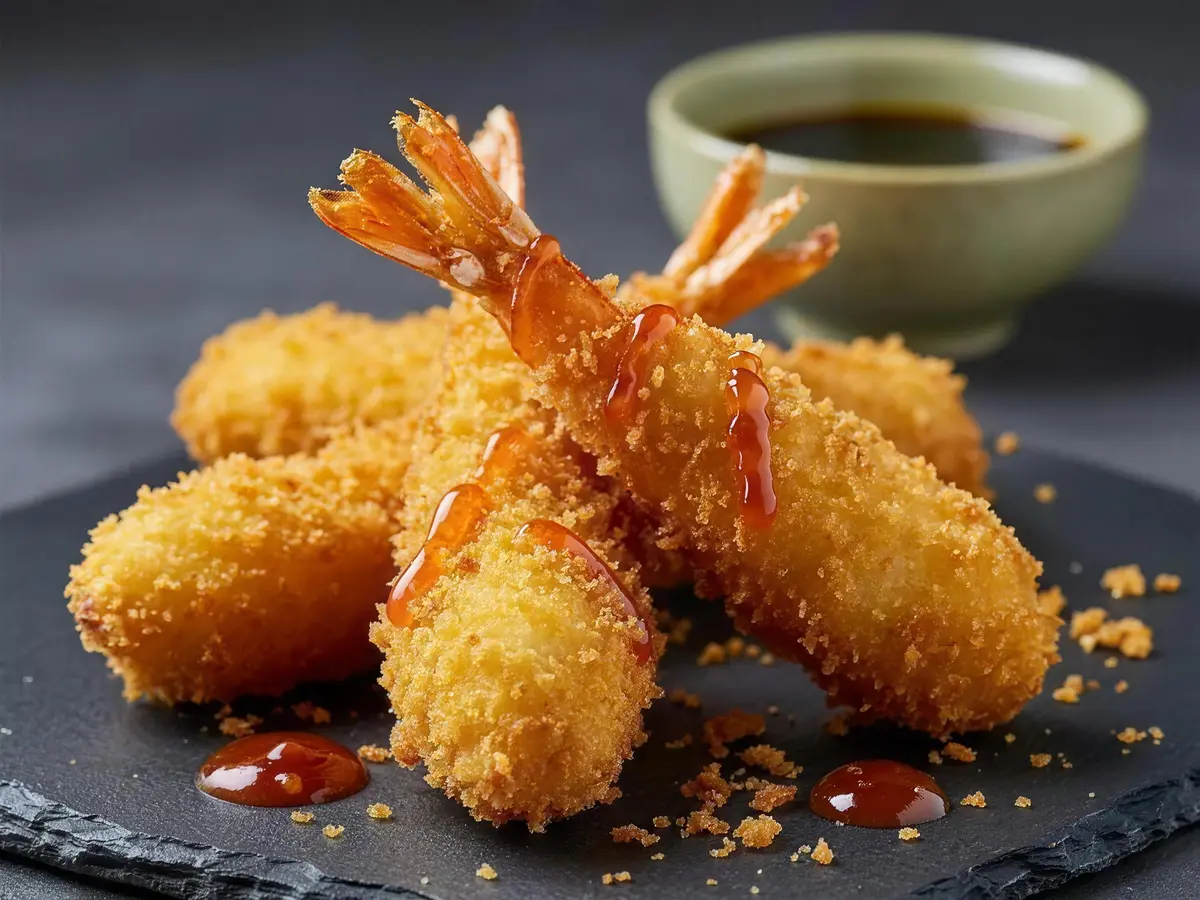
Panko Shrimp with shrimp, panko and egg — Japan recipe
🇯🇵JapanMedium
Fish and Seafood Dishes

Panko Shrimp

Crispy Japanese-style shrimp coated in panko breadcrumbs that deliver an incredibly light, airy crust while keeping the shrimp juicy inside. The secret is the three-stage breading and precise oil temperature.

30 min340 kcal4 serves
⚡Quick
★★★★★

Nearby flavors

Four kitchens with overlapping ingredients and similar rhythms to Japanese cooking.