
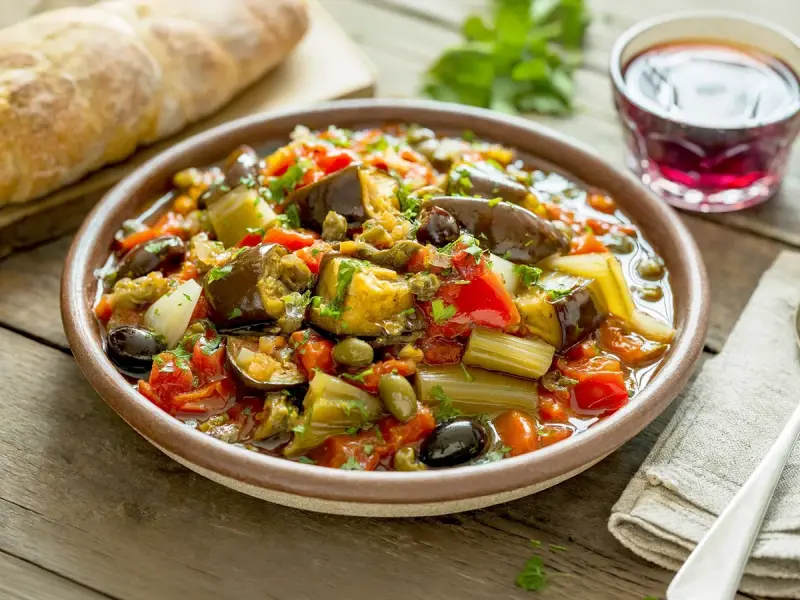
Caponata
Eggplant cubes fried golden, then simmered with tomatoes, celery, capers, and olives in a sweet-sour agrodolce sauce. This Sicilian staple tastes better the next day, once all the flavors have melded and deepened.
Ingredients
- 1 largeeggplant, cut into 2.5 cm cubes
- to tasteextra virgin olive oil
- 1 yellow onion
- 1 red bell pepper
- 2 small stalkscelery
- 1 cupchopped tomatoes
- 2 tbspcapers
- 1/4 cupseedless green olives
- 1/4 cupraisins
- 2 tsphoney
- 1 bay leaf
- 1/4-1/2 tspred pepper flakes
- 1/4 cupred wine vinegar
- 1/4 cupdry white wine
- 2 tbspfresh parsley
- 2 tbspfresh mint
- to tastesalt and black pepper
1 cup = 240 ml
Method
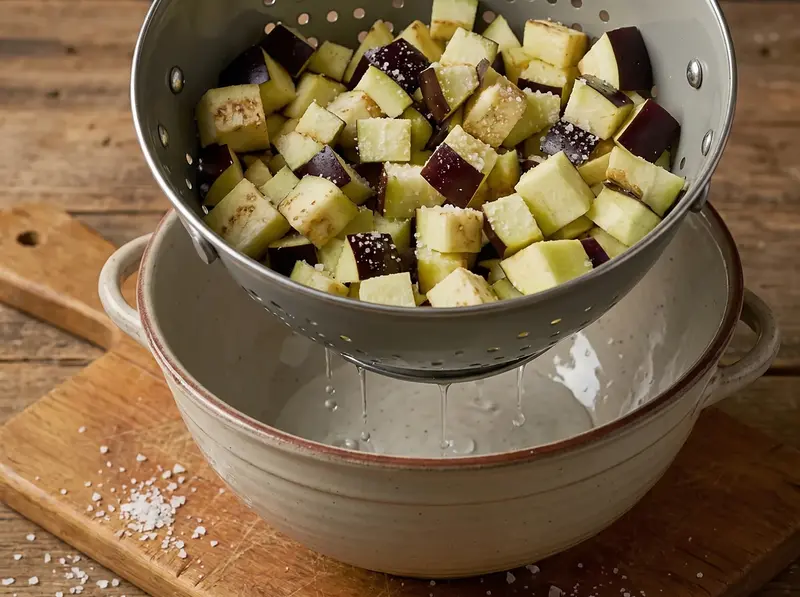
- Preheat the oven to 200°C. Salt the eggplant cubes and leave them in a colander for 20-30 minutes to drain and remove bitterness. Blot with a paper towel.
- Place the eggplant cubes on a baking tray, drizzle with 3 tablespoons of olive oil and stir. Bake for 25-30 minutes until golden.
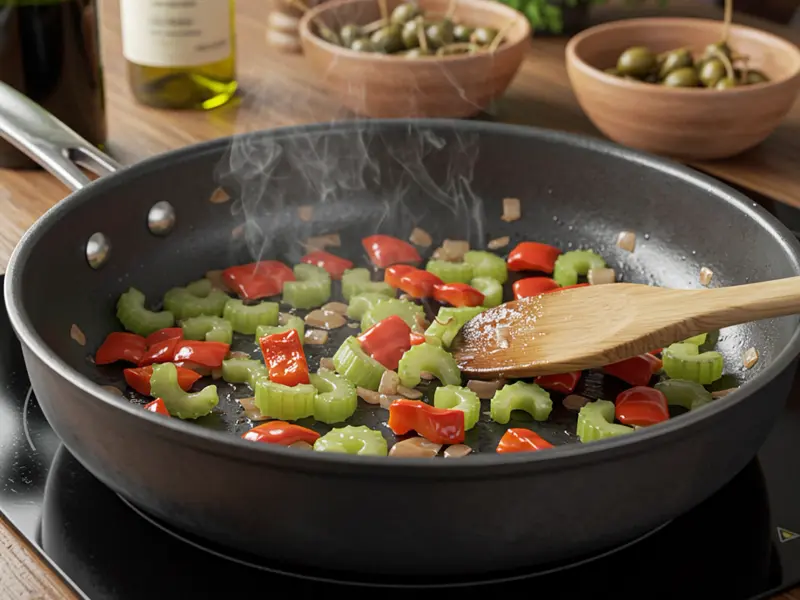
- In a large skillet, heat 2 tablespoons of olive oil. Add the onion, bell pepper and celery. Season with a pinch of salt and black pepper. Cook, stirring, for about 5-7 minutes until the vegetables are soft.
- Add the tomatoes, capers, olives, raisins, honey, bay leaf and red pepper flakes. Pour in the vinegar and white wine. Stir and simmer over medium heat for about 10 minutes.
- Add the roasted eggplant to the skillet and cook for another 2-3 minutes to allow the eggplant to soak up the sauce. Remove from heat and add the fresh parsley and mint.
FAQ
Both are vegetable stews, but caponata is distinctly Sicilian with a sweet-and-sour flavor (agrodolce) from vinegar and sugar or honey, plus olives, capers and raisins. Ratatouille is a French Provençal dish with a clean herbal taste — no vinegar, no sweet notes. Caponata is almost always served cold as an antipasto; ratatouille is served hot as a side dish.
Because the sweet-and-sour sauce fully penetrates the eggplant and vegetables during resting — the flavors meld and the vinegar mellows. This is why caponata is always made a day ahead. Serve it at room temperature, not cold from the fridge — that dulls the aroma.
Capers are one of the key flavor components of caponata, but they can be replaced. Green olives (chopped finely) give a similar salty-briny note. Gherkins or cornichons add sourness. If you skip capers entirely, add a little more vinegar and a pinch of salt to compensate for the lost complexity.
Salt the eggplant cubes, leave 20–30 minutes, then rinse and dry thoroughly — this collapses the cell structure and reduces oil absorption by half. Fry in hot oil (180°C) in small batches so the temperature doesn't drop. An alternative: roast the eggplant in the oven at 200°C with just a drizzle of oil instead of frying.
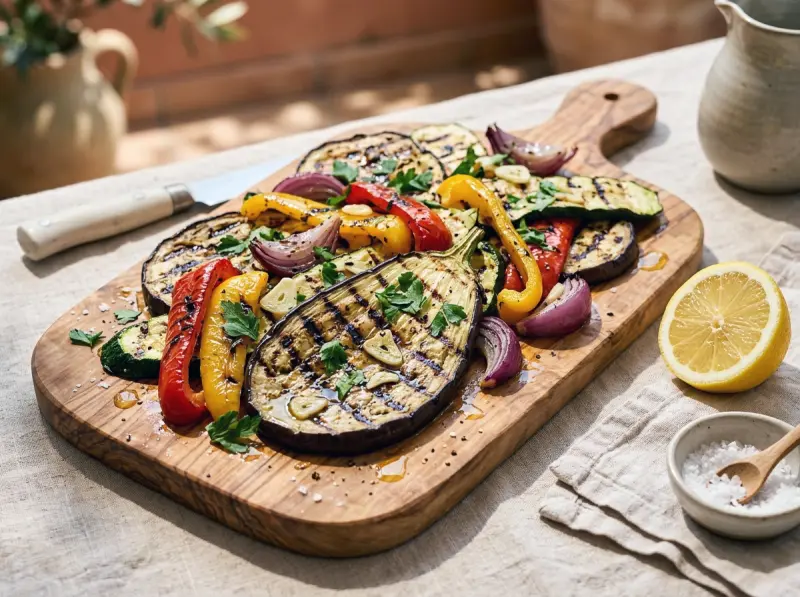
Yes. Roast all the vegetables (eggplant, celery, peppers) separately in the oven at 200°C until golden, then combine with the tomato-vinegar-honey sauce on the hob. The result is less rich but equally flavourful, with significantly less oil. This is the preferred method if you want a lighter dish.
Rate this
Recipes by email
One letter a week: a recipe picked for your taste, plus whatever is new on the site. Unsubscribe in one click.
Welcome gift: Sergei's cookbook (e-book).
By subscribing you agree to the privacy policy.
Tell us what you like to cook (30 seconds) →Keep browsing
More dishes from the Italian archive — picked by overlap with what you're cooking now.
Join the conversation
Comments (2)
Капоната — открытие этого года для меня. Раньше не знала такое блюдо а тепрь готовлю постоянно. Баклажаны обжариваю отдельно чтоб были мягкие, потом всё вместе тушу. На следующий день ещё вкуснее становиться.
Cook the eggplant until it just barely yields to a knife for caponata. It continues softening from residual heat for 2-3 minutes. Cooking until fully soft in the pan means mush on the plate.