

Paella
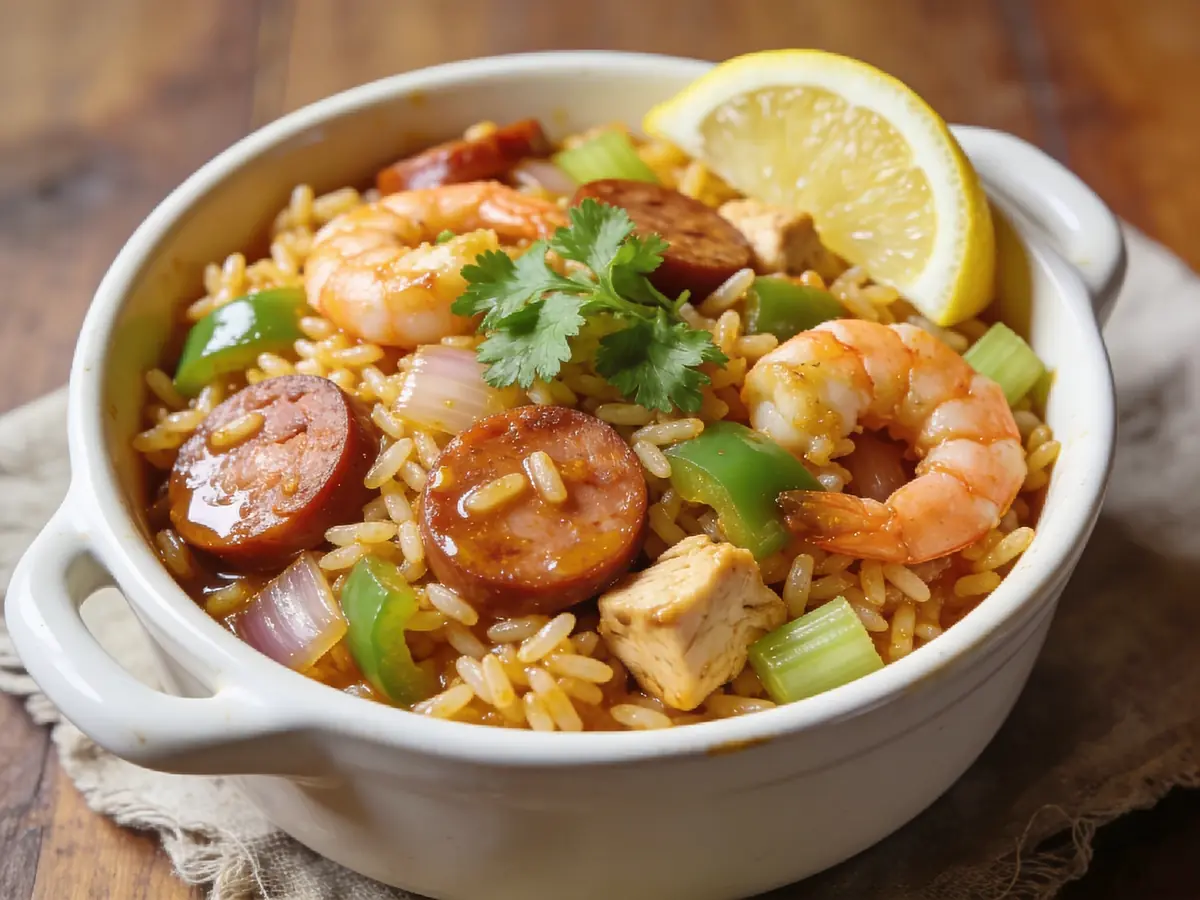
Paella is a famous Spanish dish originating from the Valencia region — a flavorful combination of rice, saffron, seafood and meat cooked in a large flat pan.
Ingredients
- 2 tbspolive oil
- 300 gchicken fillet
- 200 gchorizo
- 1 onion
- 2 clovesgarlic
- 1 red bell pepper
- 2 tomatoes
- 2 cupround-grain rice
- 4 cuphot chicken broth
- 1/2 tspsaffron threads
- 1 tsppaprika
- 200 gpeeled shrimp
- 200 gmussels in their shells
- 1 cupfrozen green peas
- for servinglemon wedges
- to tastesalt and pepper
1 cup = 240 ml
Method
- In a large paellera or wide skillet, heat the olive oil over medium heat. Sauté the chicken and chorizo until golden, about 5-7 minutes. Place the meat on a plate.
- In the same skillet, fry the onion, garlic and bell pepper until soft, about 5 minutes. Add the tomatoes and cook for another 2-3 minutes.
- Add the rice and fry, stirring, for 1-2 minutes to coat the rice with oil. Pour in the hot broth. Add saffron, paprika, salt and pepper. Stir and bring to a boil.

- Reduce the heat to low, spread the rice evenly in the pan. Do not stir! Cook for 15 minutes.
- Place the chicken, chorizo, shrimp, mussels and peas on top of the rice. Cook for another 10-15 minutes until the rice has absorbed all the liquid and the seafood is cooked. Remove from heat, cover and let stand for 5-10 minutes. Serve hot, garnished with lemon slices.
FAQ
Bomba rice or another Spanish round-grain rice is the best choice: it absorbs a lot of broth without turning mushy and gives the right texture. Arborio works too. Don't use long-grain rice (jasmine, basmati) — it won't absorb the broth flavor the way paella needs.
Saffron gives paella its signature golden color and aroma — it's hard to replace exactly, but you can try. Use 1 tsp turmeric for color, or cheaper saffron sachets from the spice aisle. Some cooks add smoked paprika — it won't give color, but deepens the smoky flavor nicely.
The heat was too high. After adding the broth, reduce to medium and don't touch the rice — never stir paella! It cooks uncovered, with the rice steaming through from the liquid below. If the top is still raw, cover with foil for 5 minutes on the lowest heat possible.
Socarrat is the toasted, crispy rice crust that forms on the bottom of the pan — the crowning glory of a proper paella. To get it, increase the heat to medium-high for the last 2–3 minutes. Listen for a gentle crackling sound. Check with a wooden spatula: if the rice is golden and not burnt, it's ready.
Yes — this is called paella de pollo, a classic chicken-only paella especially popular in Valencia. Simply leave out the shrimp and mussels and increase the amount of chicken. The flavor will be different but no less authentic.
Rate this
Recipes by email
One letter a week: a recipe picked for your taste, plus whatever is new on the site. Unsubscribe in one click.
Welcome gift: Sergei's cookbook (e-book).
By subscribing you agree to the privacy policy.
Tell us what you like to cook (30 seconds) →Keep browsing
More dishes from the Spanish archive — picked by overlap with what you're cooking now.


Join the conversation
Comments (4)
El socarrat es lo mejor de la paella y aqui lo explican perfecto. Truco: no remover el arroz una vez que lo echas, dejalo quieto
Muy buena receta! El socarrat es lo mas importante y lo explican bien aqui. Yo le pongo un poco mas de azafran porque me gusta el color intenso
Esta receta me recuerda a la paella que hacía mi abuela en Valencia. El truco del socarrat está perfecto — hay que dejarlo sin mover los últimos 3 minutos, que el arroz se pegue un poco al fondo. Eso es lo mejor de la paella y muchos lo quitan pensando que se quemó. Yo uso judías verdes y garrofón como debe ser, nada de chorizo por favor.
The widest pan you own works best for paella. Maximum surface area means faster evaporation, more concentrated sauce, and better coating. A deep pot keeps things too wet.