

Песто
Кедровые орехи и чеснок, растёртые со свежим базиликом, острым пекорино и фруктовым оливковым маслом в яркий зелёный соус. Если готовить правильно, в ступке, текстура остаётся слегка зернистой, а вкус базилика — свежим, не побитым.
Ингредиенты
- 100 гкедровые орехи
- 1 пучоксвежие листья базилик
- 100 гпармезан
- 100 млоливковое масло
- 1 шт.пшеничный батон
- соль и свежемолотый чёрный перец
- 2 зубчикачеснок
Приготовление
- Очистите 2 зубчика чеснока: один пойдёт в песто, второй — натирать хлеб. Слегка обжарьте кедровые орехи на сухой сковороде.
- Измельчите в блендере один зубчик чеснока, орехи и листья базилика до однородной массы. Смешайте с тёртым пармезаном и 2 ст. л. оливкового масла.

- Нарежьте батон ломтиками толщиной около 1 см и слегка подсушите в духовке. Натрите разрезанным пополам вторым зубчиком чеснока и сбрызните оливковым маслом.
- Выложите песто на ломтики хлеба. Приправьте солью и перцем и подавайте сразу же.
Вопросы
Базилик окисляется при контакте с металлом (ножи блендера) и от нагрева при трении. Приём 1: бланшировать базилик в кипятке 5 секунд, сразу в лёд — хлорофилл фиксируется. Приём 2: добавить несколько листиков петрушки — она более стабильна по цвету. Приём 3: налить тонкий слой оливкового масла поверх песто в банке — масло изолирует от воздуха. Правильный песто остаётся зелёным до 5 дней в холодильнике.
Кедровые орехи дорогие, их часто заменяют. Лучшие замены: грецкий орех (более горький, но работает), кешью (мягкий нейтральный вкус, кремовая текстура — очень близко к оригиналу), фундук (жирный, сладковатый — интересный результат), семечки подсолнуха (бюджетно, слегка другой вкус). Любые орехи нужно слегка поджарить на сухой сковороде — это раскрывает аромат.
Настоящий Pesto alla Genovese готовится только в мраморной ступке — базилик растирают круговыми движениями, не режут. Лезвие блендера нагревает и рвёт клетки базилика — вкус другой. В составе только генуэзский базилик DOP, лигурийское оливковое масло, пармезан Reggiano, пекорино, кедровые орехи, чеснок, соль. Никакого лимона, никаких добавок. Магазинный песто пастеризован и содержит консерванты — вкус принципиально другой.
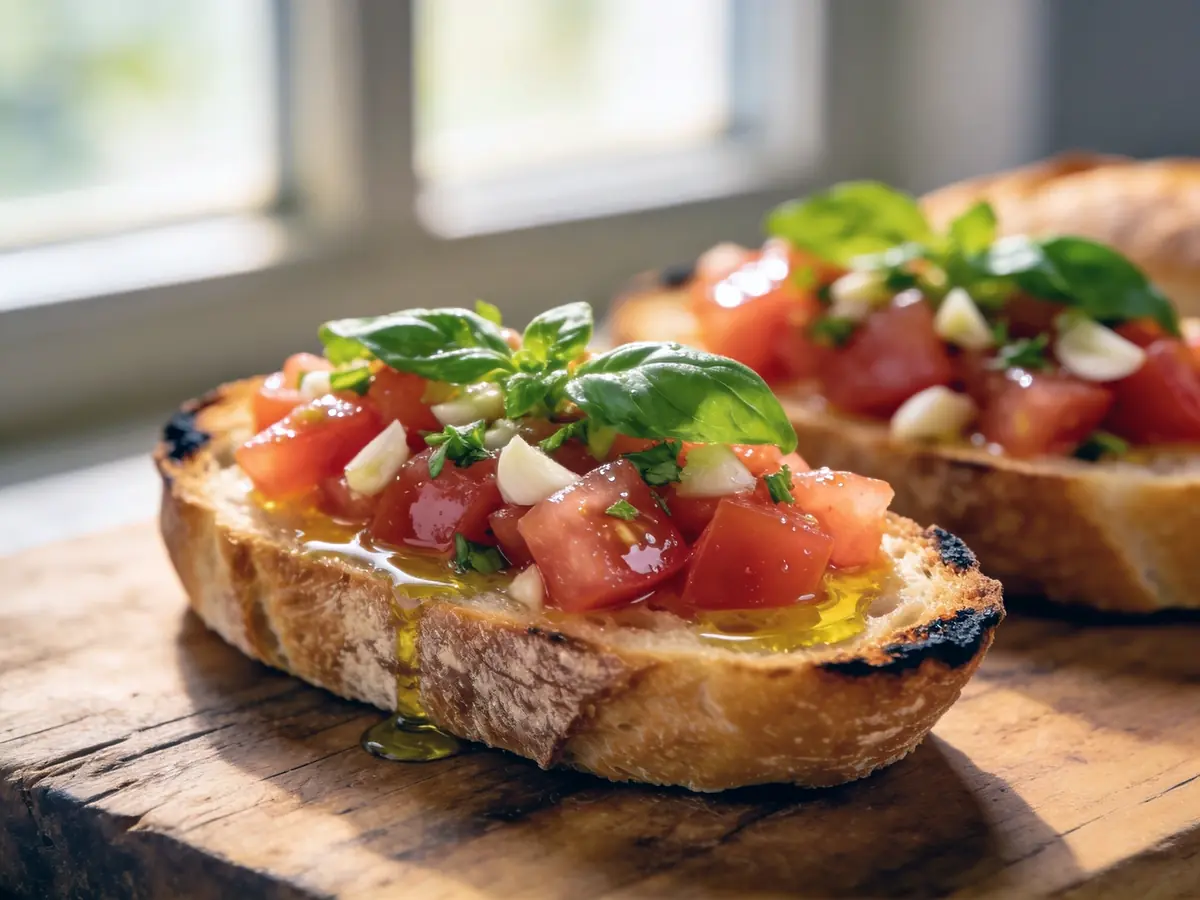
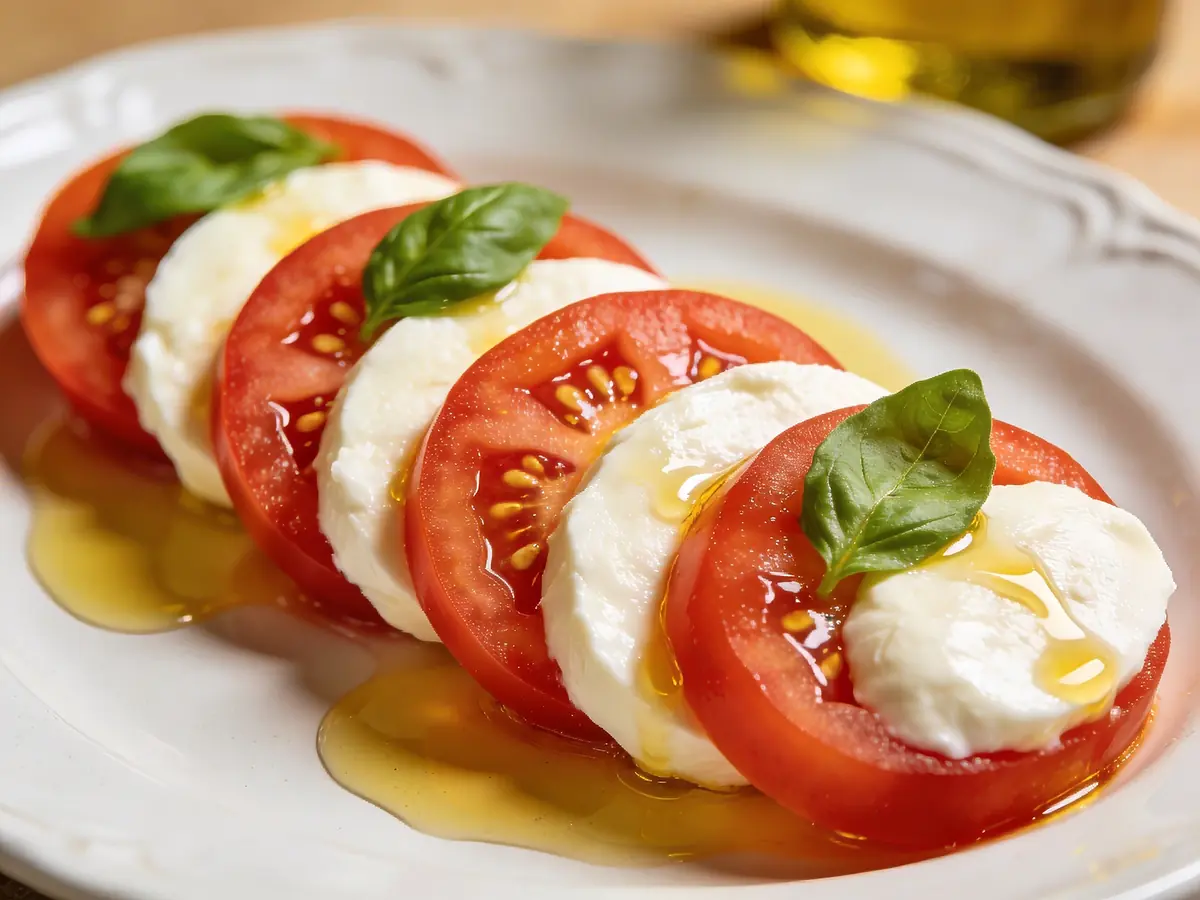
Список длинный. Намазка на хлеб или брускетту. Соус для пиццы вместо томатного. Маринад для курицы или рыбы перед запеканием. В суп минестроне — добавляют ложку в конце. В ризотто — вмешивают в финале. Заправка для картофельного салата. С яйцами-пашот. В бутерброды с моцареллой и помидорами. Ложка в омлет.
Да — песто отлично замораживается. Лучший способ: разлить в формочки для льда, заморозить кубиками, переложить в пакет. Каждый кубик — примерно одна порция для пасты. Размораживать при комнатной температуре или бросать прямо в горячую пасту. Вкус после заморозки практически не меняется — цвет может немного потемнеть. Хранится в морозилке до 3 месяцев.
Оцени
Рецепты на почту
Одно письмо в неделю: рецепт под ваш вкус и всё новое на сайте. Отключить рассылку можно в один клик.
В подарок — книга рецептов Сергея (epub).
Нажимая кнопку, вы соглашаетесь с политикой конфиденциальности.
Расскажите, что любите готовить (30 секунд) →Смотри дальше
Ещё блюда из архива — подобраны по пересечению с тем, что ты сейчас готовишь.

Обсудить рецепт
Комментарии (3)
Il vero pesto si fa nel mortaio, non nel frullatore. Con il frullatore il basilico si ossida e diventa nero. Lo so che è più lento ma vale la pena. E pinoli italiani mi raccomando, quelli cinesi non hanno sapore.
Проверено. Рабочий рецепт.
I always double this pesto recipe. The effort is nearly identical, and having a jar of it in the fridge means you'll actually use it throughout the week on everything from grilled meats to plain toast.