Here's the thing nobody tells you about French cooking: most of it is peasant food that got famous. Beef stew. Onion soup. Eggs baked in a dish. The French just took ordinary ingredients and were stubborn about doing them properly, and a few hundred years later we call it haute cuisine and get nervous about attempting it at home.
Don't be nervous. Six French recipes below, from a Sunday braise to the pastry that scares everyone. Some take an afternoon. None of them need a culinary degree.
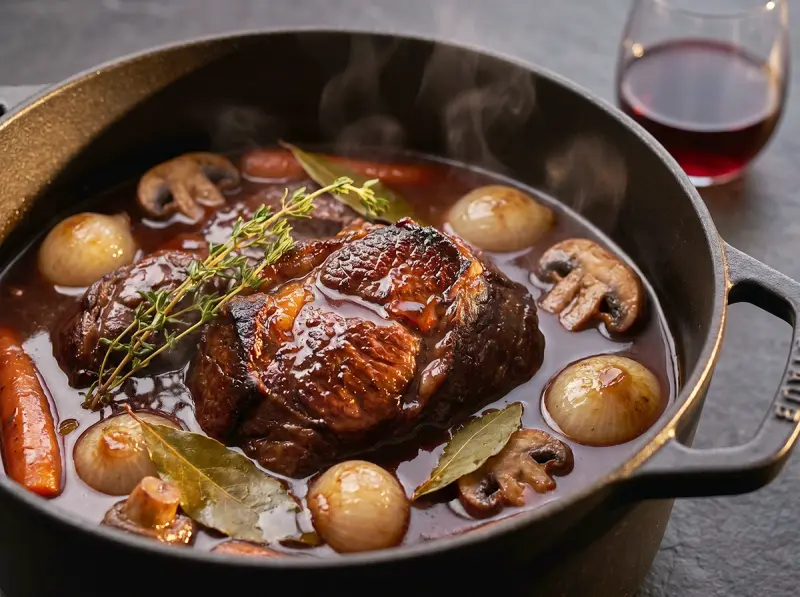
Beef Bourguignon — the stew that justifies a whole afternoon
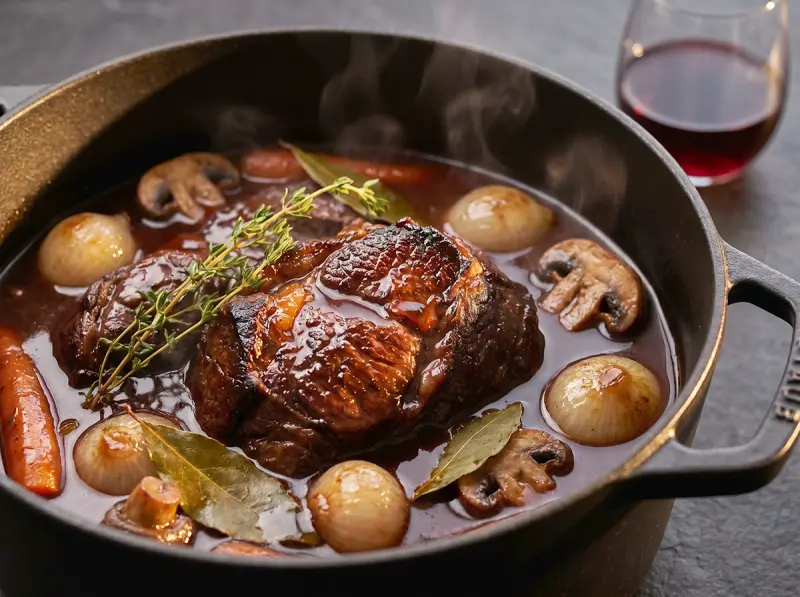
Beef braised slowly in red wine with mushrooms, onions, and bacon. It is the dish that taught a generation of home cooks that "boring" cuts of meat, given three hours and a bottle of wine, turn into something you'd pay for at a restaurant.
Brown the beef properly before it goes in the pot. Crowd the pan and the meat steams grey instead of searing brown, and you lose the deep flavour that makes the whole thing work. Do it in batches. And use a wine you would actually drink — the alcohol cooks off, but whatever's left in the bottle is what you're eating.
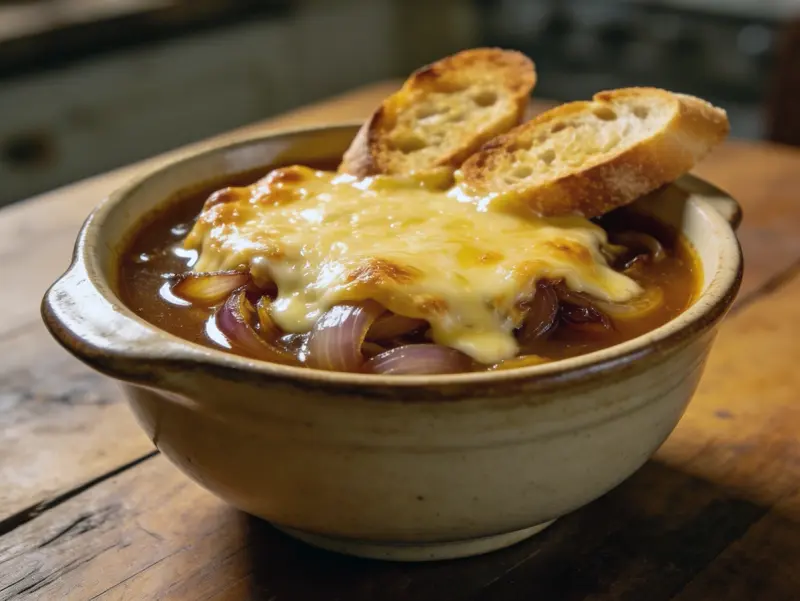
French Onion Soup — patience turned into dinner
Onions, cooked down until they're sweet and dark, simmered in beef broth, topped with toasted bread and melted cheese. Four cheap ingredients. The whole dish lives or dies on one step: caramelising the onions.
This takes 45 minutes and you cannot rush it. High heat just burns them. Low and slow, stirring now and then, until they collapse into a sticky brown jam. People try to speed it up and end up with sad pale onion soup. Don't be those people. Grate Gruyère over the bread and put it under the grill until it bubbles and browns at the edges.
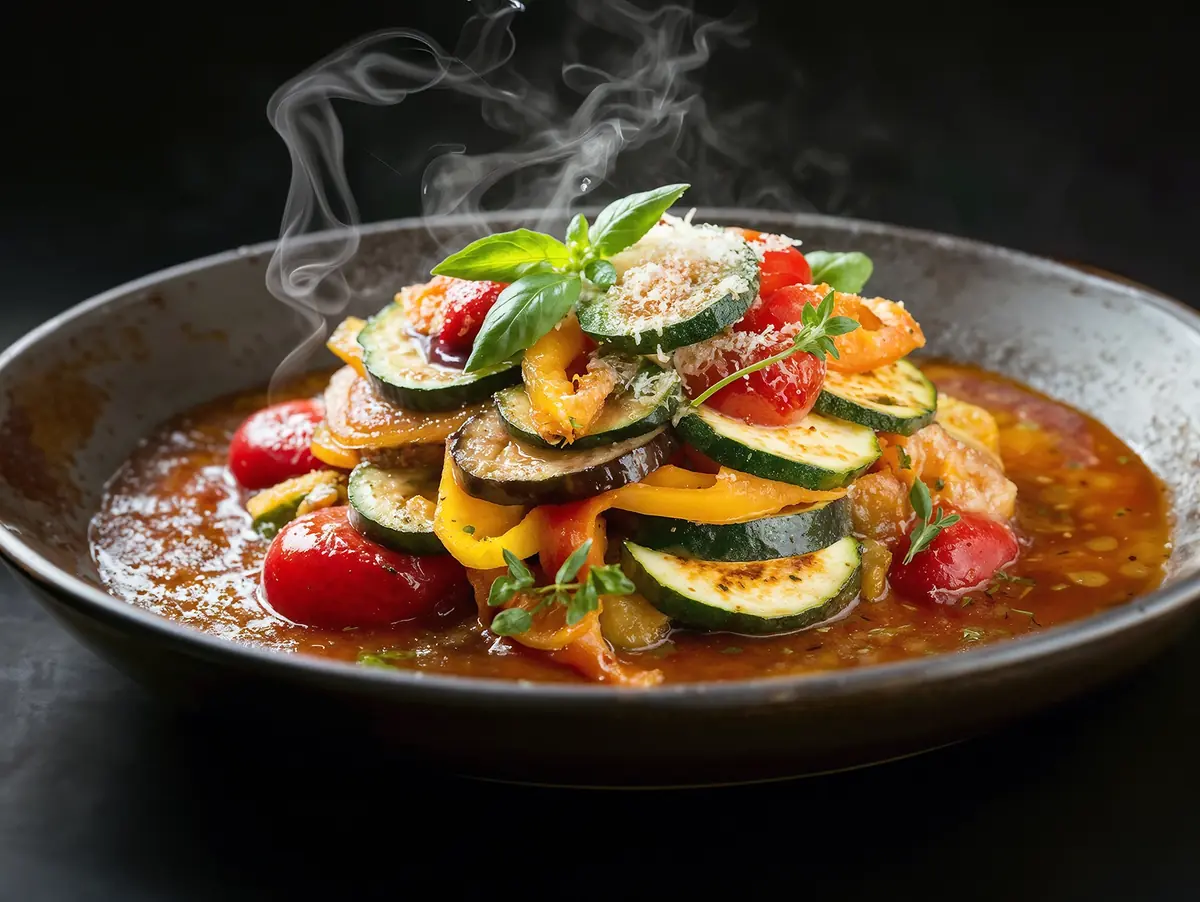
Ratatouille — the vegetable dish that's actually about restraint
Eggplant, zucchini, peppers, and tomatoes, stewed with herbs until everything melts together. It's summer vegetables and not much else, which means each one has to be cooked right.
The mistake everyone makes is throwing it all in the pot at once and getting vegetable mush. Cook each vegetable separately first, then combine. It takes longer, yes. It also means the eggplant tastes like eggplant and the zucchini still has some bite. Good olive oil and fresh thyme do the rest.
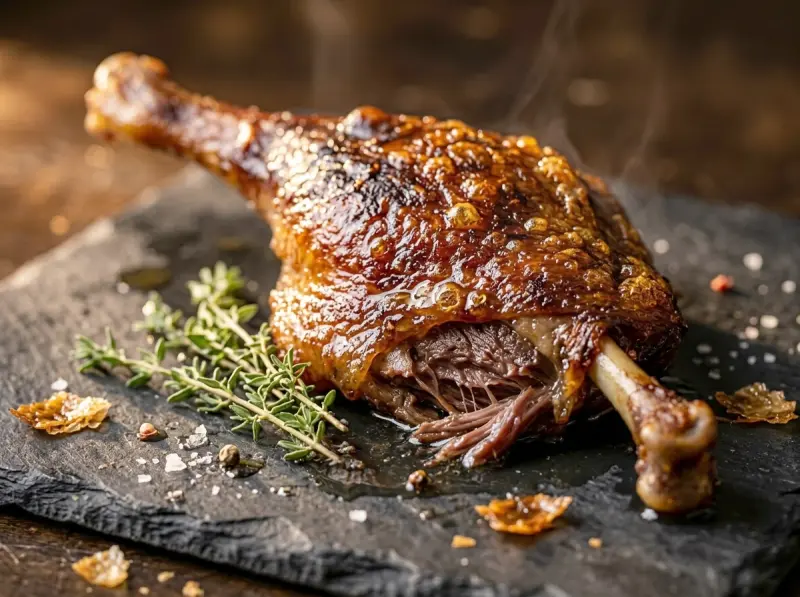
Duck Confit — the one worth planning ahead for
Duck legs salted overnight, then cooked slowly in their own fat until the meat slides off the bone and the skin crisps up. This is old-fashioned preservation that happens to taste incredible, and it's far easier than its reputation suggests.
The salt cure is not optional and not a quick step. Overnight, minimum. It seasons the meat all the way through and draws out moisture so the texture turns silky. When you crisp the skin at the end, start the legs in a cold pan skin-side down and let the fat render slowly. Rush it and you get burnt skin over cold meat.
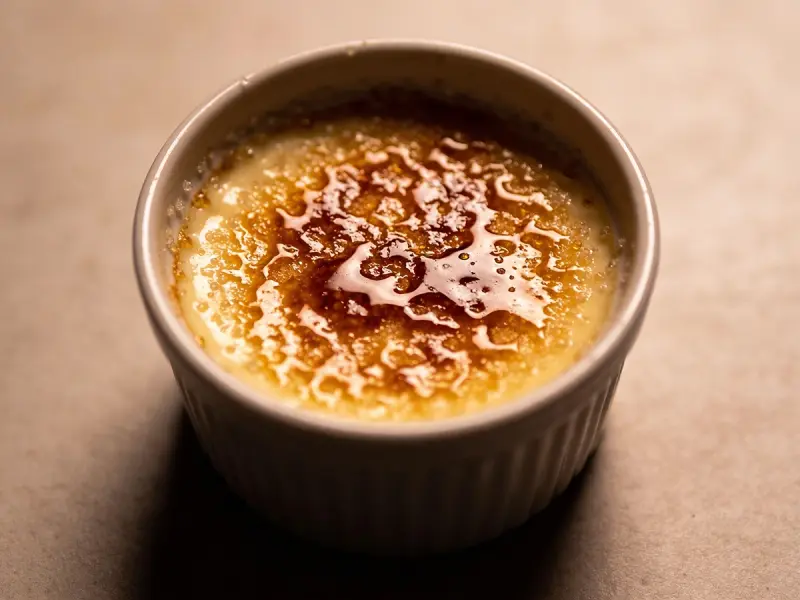
Crème Brûlée — three ingredients and a blowtorch
Cream, egg yolks, sugar. Baked into a custard, chilled, then topped with sugar that you burn into a glass-hard crust. The crack of the spoon through that top layer is the entire point.
Bake the custards in a water bath and pull them while the centre still wobbles. Overbake and you get sweet scrambled eggs. For the top, sprinkle a thin even layer of sugar and torch it until it's amber, not black. No blowtorch? The grill works, but watch it like a hawk.
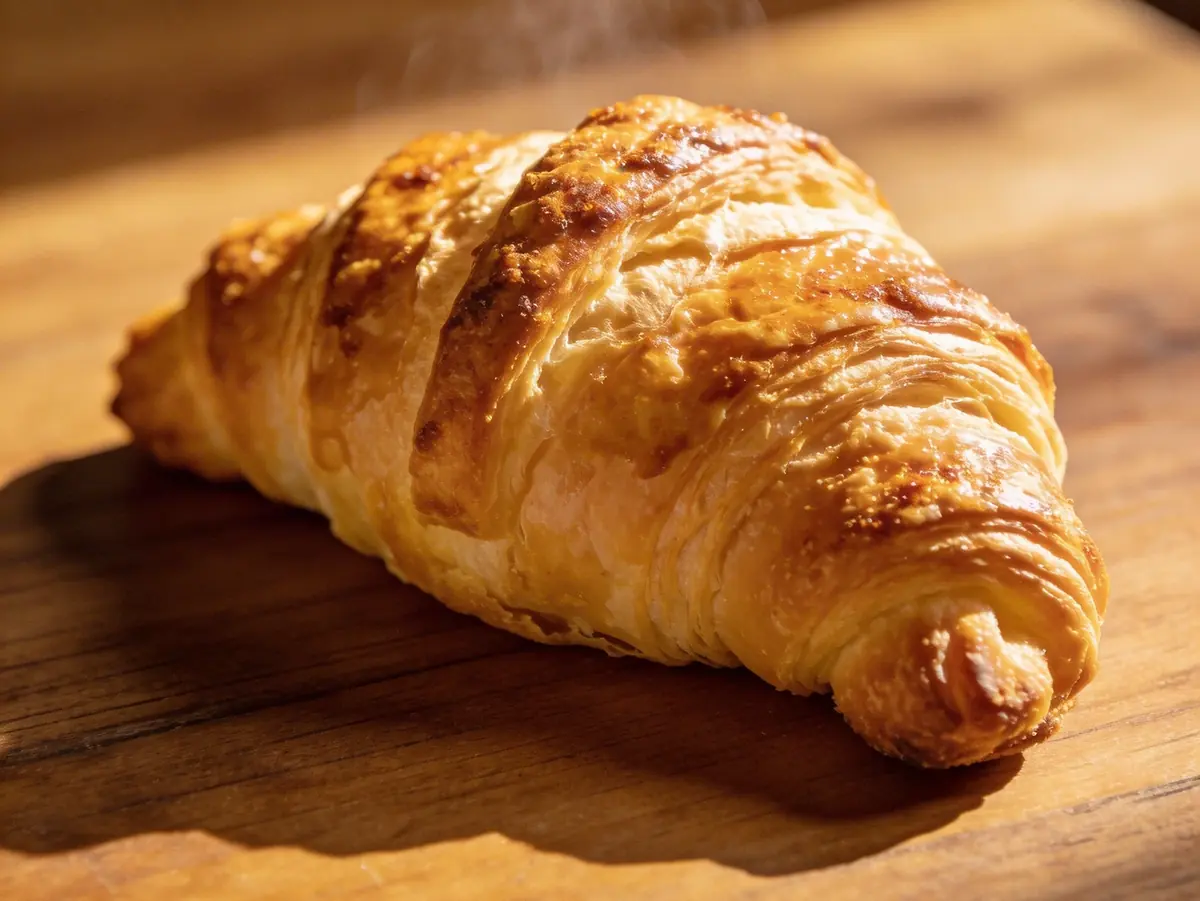
Croissant — the weekend project
Laminated dough, which means butter folded into pastry over and over until you've got dozens of paper-thin layers that puff up in the oven. This is the hard one. I won't pretend otherwise.
Everything comes down to temperature. The butter has to stay cold and pliable — too warm and it melts into the dough, too cold and it shatters. Work in a cool kitchen, and if the dough starts fighting you, put it back in the fridge for 20 minutes. The folding takes a day with all the resting. The first bite makes you forget that.
The French pantry
Good butter (the European kind with more fat), a bottle of drinkable red, Dijon mustard, fresh thyme and parsley, and shallots. Notice there's nothing exotic here. French cooking isn't about rare ingredients. It's about treating ordinary ones with a bit of respect and not being in a hurry.