People imagine ancient Roman food as a parade of stuffed dormice and flamingo tongues. That was the banquet-room theatre of the very rich, written up by satirists who wanted to mock it. The everyday table was something else: bread, cheese, vegetables, beans, a little fish, olive oil over almost everything, and honey for sweetness. We know this in real detail because the Romans left recipes. Cato wrote down a few in his farming manual De Agri Cultura around 160 BC, and a collection attributed to Apicius gives us hundreds more from a few centuries later.
What surprises most cooks is how much of that food is still on the table today, sometimes barely changed. A Roman cheesecake and a modern one share a method. A Roman flatbread is the ancestor of the bread on your counter. Below is a plausible Roman meal you can actually cook, and I'll be honest at each stop about what is genuinely ancient and what is a close descendant rather than the real thing.
Libum — the cheese bread Cato actually wrote down
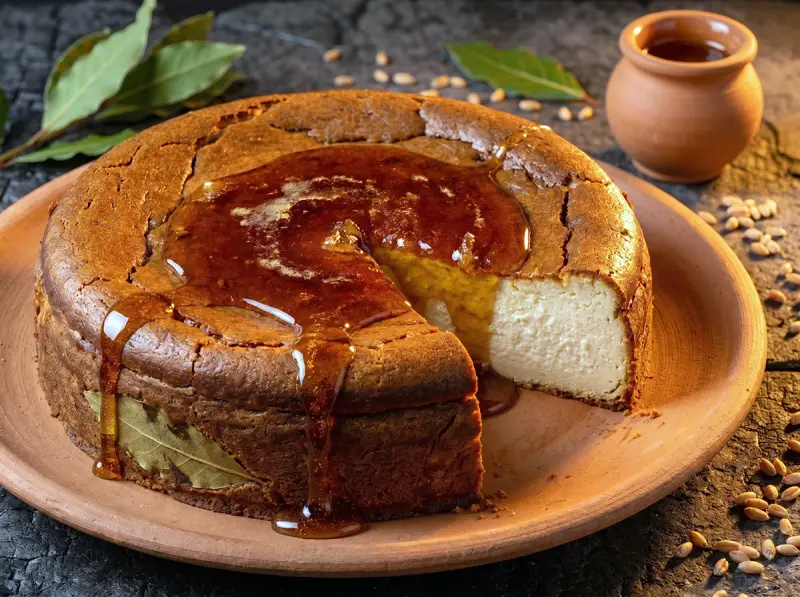
Libum is about as close to a verbatim ancient recipe as you'll find. Cato gives the instructions in De Agri Cultura: pound cheese with flour, work in an egg, shape it into a loaf, and bake it slowly under a warm cover on bay leaves. It was an offering bread, set out for the household gods, and then eaten warm. Two thousand years and the formula still holds.
Use a fresh, dry cheese here, something like a well-drained ricotta, and don't overwork it once the flour goes in. The bay leaves underneath aren't decoration; they scent the base of the loaf as it bakes, which is exactly the effect Cato was after. Drizzle warm honey over the top before serving, the way Roman cooks did, and you have a starter that has barely needed updating.
Savillum — the cheesecake from 160 BC
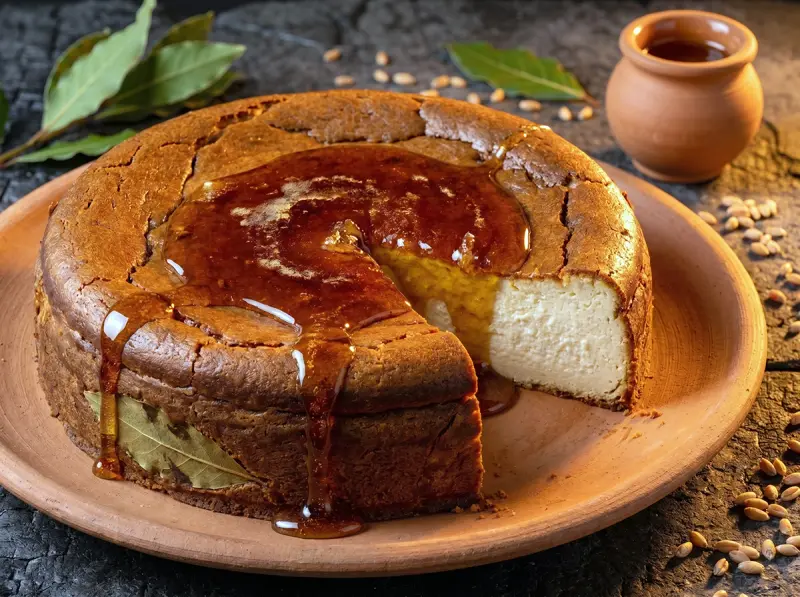
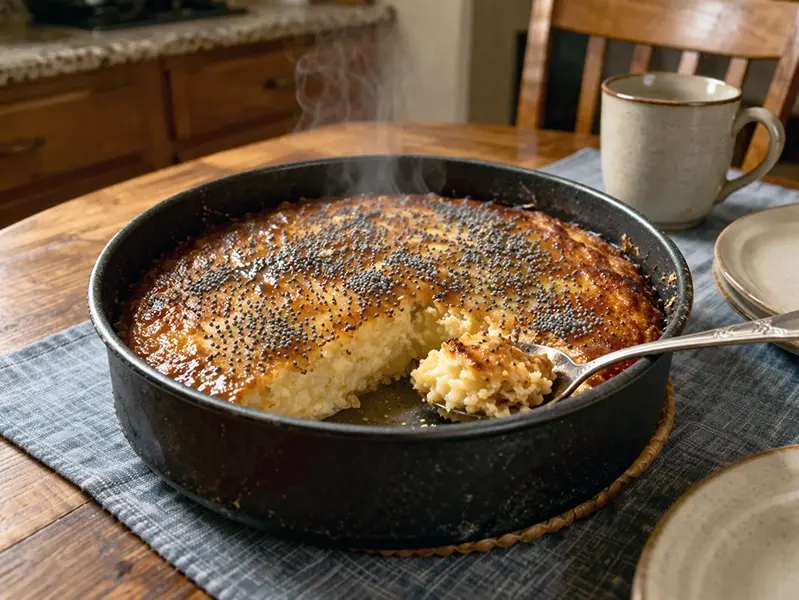
Right after libum in Cato's text comes savillum, and it is unmistakably a cheesecake. Flour, fresh cheese, eggs, and honey, beaten smooth, baked in an earthenware dish, then turned out and brushed with more honey and a scatter of poppy seeds. Anyone who has made a baked ricotta tart will recognise the whole procedure on sight.
The trick is gentle heat. Cato says to cover it and bake slowly, which is good advice for any custardy cheese batter; push the oven too hard and you curdle the eggs and split the surface. Bake it until just set, with a faint wobble in the middle, and let it cool before you finish it with honey. It's lighter and less sweet than a modern cheesecake, which is the point: honey was the only sweetener, and a little went a long way.
Stracciatella alla Romana — the soup that runs in the family
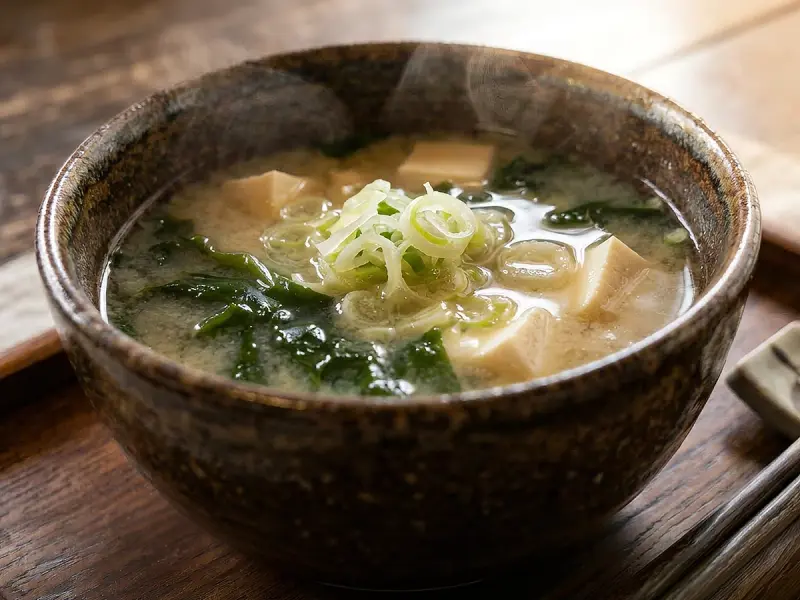
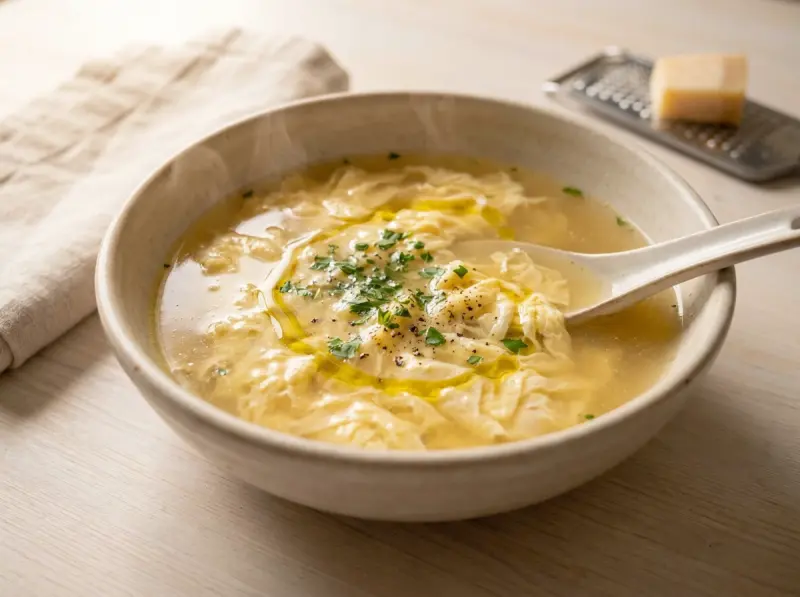
This Roman egg-drop soup is a direct descendant rather than a copy. You whisk eggs with grated cheese and a little semolina, then trickle the mixture into simmering broth so it sets into soft ragged threads. Stracciatella means "little rags." The dish as Romans eat it now is modern, but the technique of dropping beaten egg into hot broth is genuinely old; Apicius describes eggs cooked into stock in much the same spirit.
Keep the broth at a bare simmer, not a rolling boil, and stir gently as the egg goes in so you get tender shreds instead of a scrambled mess. Good stock matters more than anything else here, since there's almost nothing to hide behind. A handful of grated Parmesan and a little nutmeg, and you have a clear, comforting bowl that links straight back to Roman kitchens.
→ Stracciatella alla Romana recipe
Dolma — stuffed leaves from the older Mediterranean
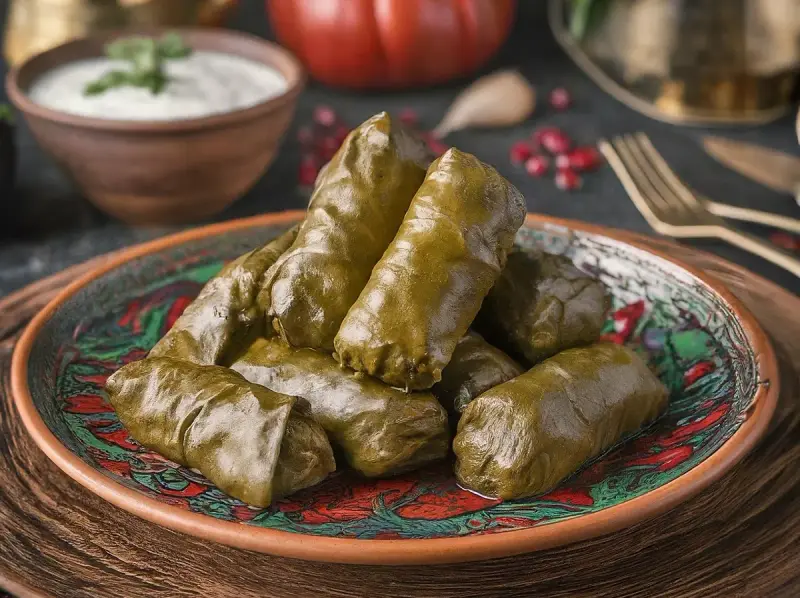
Wrapping a savoury filling in vine leaves is one of the genuinely ancient habits of the eastern Mediterranean, the world Rome traded with and borrowed from. Grape leaves were everywhere, cheap, and perfect for parcelling up rice or grain with herbs. The exact spicing has shifted over the centuries, but the idea of the stuffed leaf is old enough that arguing about who invented it is hopeless.
Blanch the leaves first to soften them and tame any bitterness, and don't overfill: the rice swells as it cooks, and a tightly packed parcel will burst. Roll them snug but not tight, pack them seam-side down in a single layer, and weight them with a plate so they hold together while they simmer. A long, slow cook in oil, lemon, and water is what gives them their soft, glossy finish.
Focaccia — the descendant of Roman hearth bread
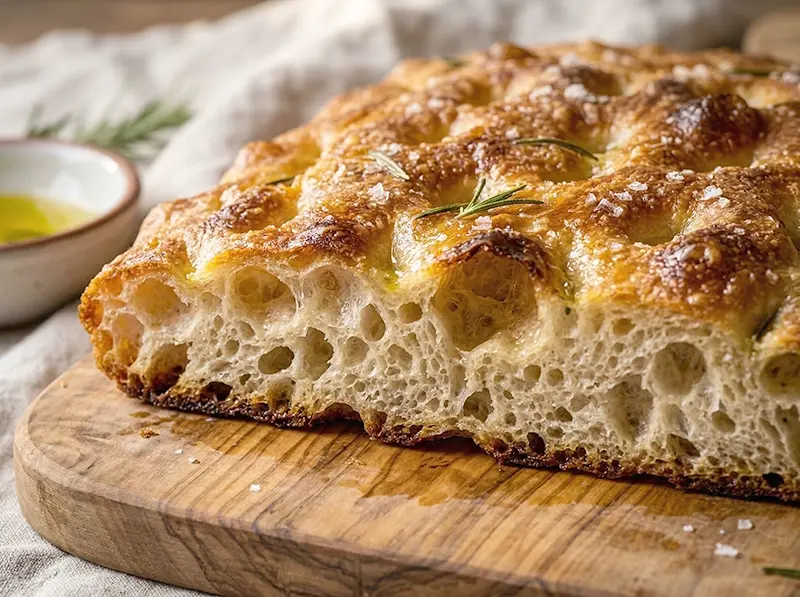
Focaccia carries its history in its name. Panis focacius was Roman bread baked on the hearth, focus being the word for hearth, and that flat, oil-rich loaf is the clear ancestor of what Italians bake today. It isn't the identical recipe, but the line from Roman flatbread to modern focaccia is about as unbroken as bread history gets.
Be generous with good olive oil, top and bottom; it's what fries the base crisp and keeps the crumb tender. Dimple the risen dough hard with your fingertips so the oil and salt pool in the wells, and give it a proper second rise so it bakes up airy rather than dense. Flaky salt and a few rosemary needles are all the topping a Roman would have recognised, and all it really needs.
Bagna Cauda — the flavour of garum, centuries later
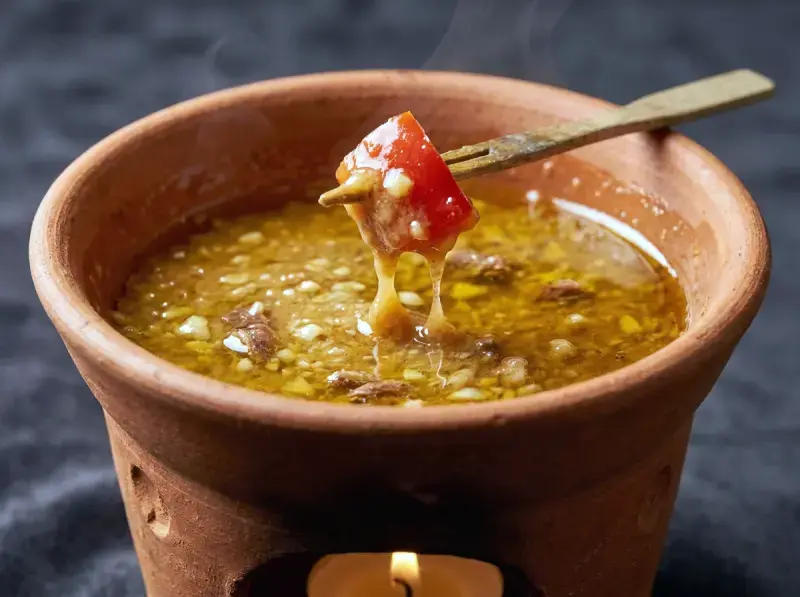
Here I'll be careful: bagna cauda is not an ancient recipe. It's a Piedmontese dip of anchovies melted with garlic in oil and butter, and it's relatively modern. But it belongs at the end of this meal because it carries a genuinely Roman flavour. Romans were obsessed with garum, a fermented fish sauce that went into a huge share of Apicius's dishes, lending that deep, salty, savoury hit. Bagna cauda's melted anchovies do the same job; it's the flavour descendant, not the literal dish.
Cook the garlic and anchovies very gently so the fish dissolves and the garlic softens without browning, since burnt garlic turns the whole pot bitter and harsh. Keep it warm at the table and dip raw and cooked vegetables straight in. Think of it as a way to taste what Romans loved about garum without fermenting your own fish for months.
The ancient pantry
Five things carried the Roman kitchen, and four of them are still in yours. Olive oil was the fat for cooking, dressing, and lamplight, used with a freedom that still shapes Mediterranean food. Honey was the only real sweetener, so it sweetened both cakes and, surprisingly to us, savoury sauces. Fresh cheese turned up everywhere from libum to soup, and herbs like rosemary, bay, and lovage seasoned almost everything. The fifth, garum, has mostly vanished, but its salty, fishy depth lives on in anchovy, in fish sauce, and in a dip like bagna cauda, which is why the Roman table never feels as far away as it should.