Sushi is restaurant food. Hardly anyone makes it at home, and the version most of us picture barely exists in a normal Japanese kitchen. The everyday stuff is humbler and a lot more useful: a bowl of soup, rice with something on top, fish in a sweet glaze, eggs cooked with a bit of patience. Comfort food, basically, with better seasoning.
Here are six dishes people genuinely eat at home. A couple are quick enough for a weeknight, one or two reward a slow Sunday. None of them require a fish market or a special knife.
Ramen — the bowl that's secretly all about the broth
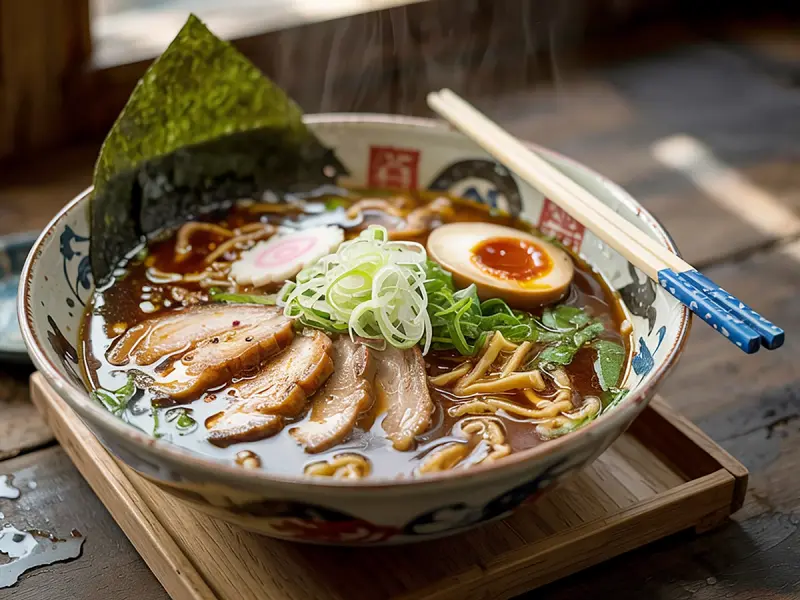
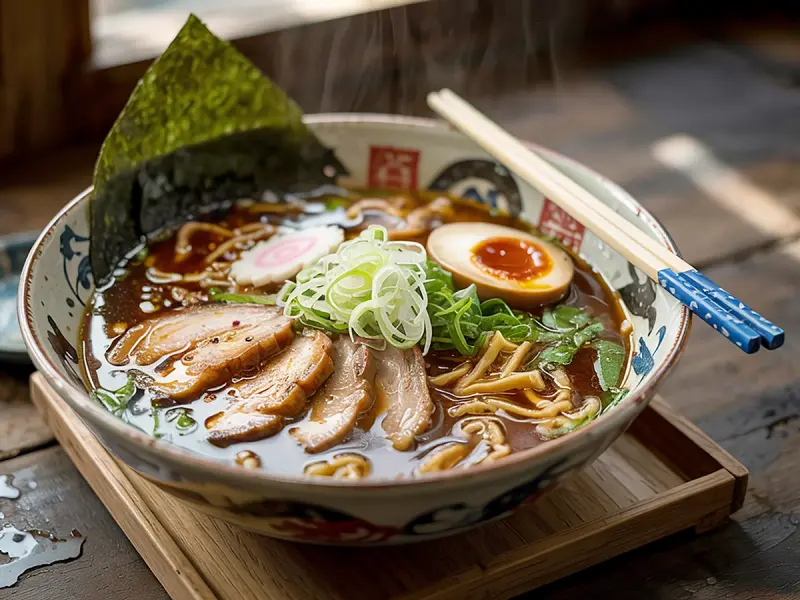
Noodles in a deep, savoury broth with toppings: sliced pork, a soft egg, scallions, maybe a sheet of nori. The instant stuff is its own thing. Real ramen is about building a broth with body, then layering salt, fat, and umami until each spoonful makes you want the next.
The broth is everything, and the toppings are where you cut yourself slack. Don't try to nail all of it on a weeknight — make the soup base properly, buy good noodles, and keep the toppings simple. A jammy egg marinated in soy does more for the bowl than five fussy garnishes. And taste the broth before you serve it; it should be a touch saltier than feels polite, because the noodles soak some up.
Tonkatsu — the cutlet worth the splatter
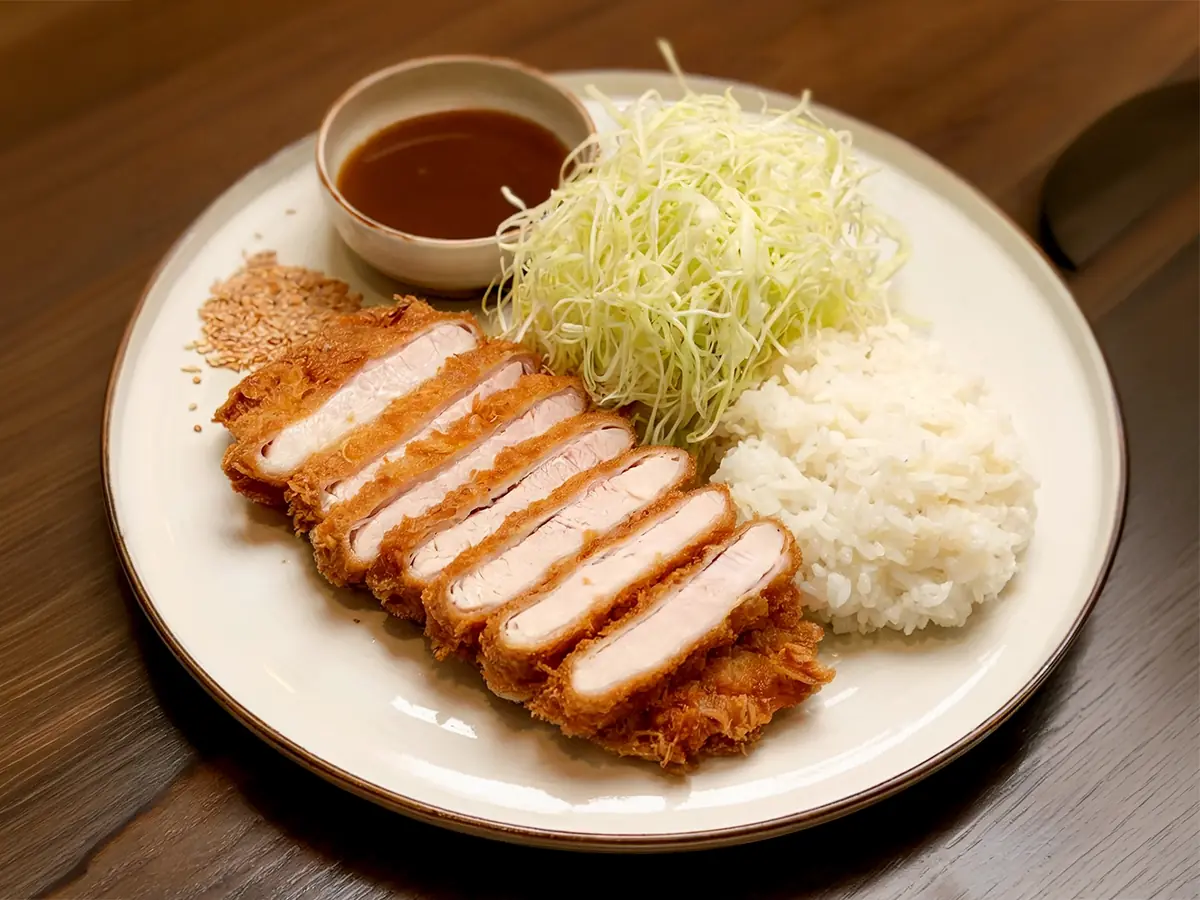
A pork cutlet coated in panko and fried until it's gold and shatteringly crisp, sliced into strips and eaten with a thick fruity sauce and shredded cabbage. It's the kind of dinner kids beg for and adults secretly do too.
Panko is non-negotiable. Regular breadcrumbs go dense and oily; panko stays airy and crunchy, which is the whole appeal. Get the oil to around 170°C and resist crowding the pan, because cold oil and a packed pan give you soggy, greasy meat instead of that dry shattering crust. Let the cutlet rest a minute on a rack, not paper towel, so the bottom stays crisp too.
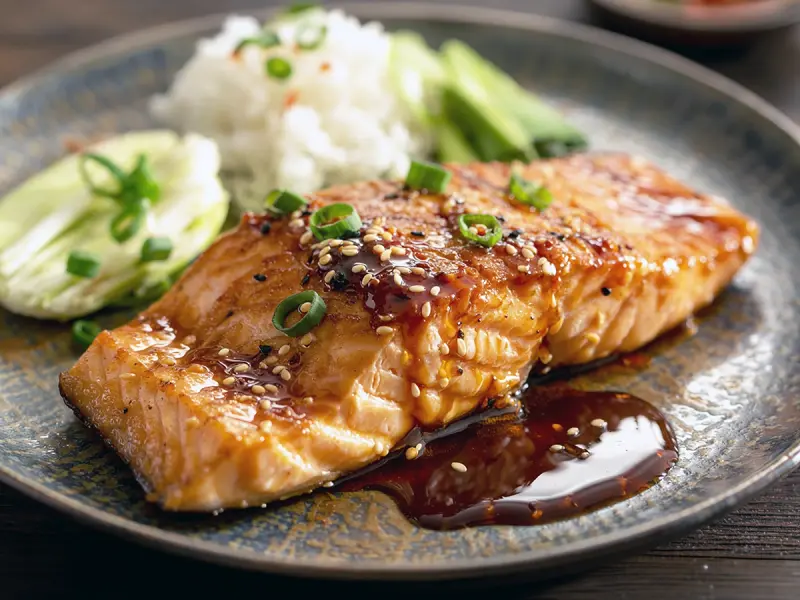
Teriyaki Fish — proof that four ingredients can taste expensive
Fish glazed in a sauce of soy, mirin, sake, and a little sugar, cooked until the glaze turns glossy and clings to the fillet. The word "teriyaki" gets abused on takeout menus, but at home it's just a quick pan sauce that does a lot with very little.
The trick is reducing the sauce until it's sticky, not watery. Sear the fish first, take it out, then let the sauce bubble down on its own before the fish goes back in to get coated. If you pour raw sauce over fish and hope, you end up with poached fish in a thin salty puddle. A minute of patience at the end is what makes it shine.
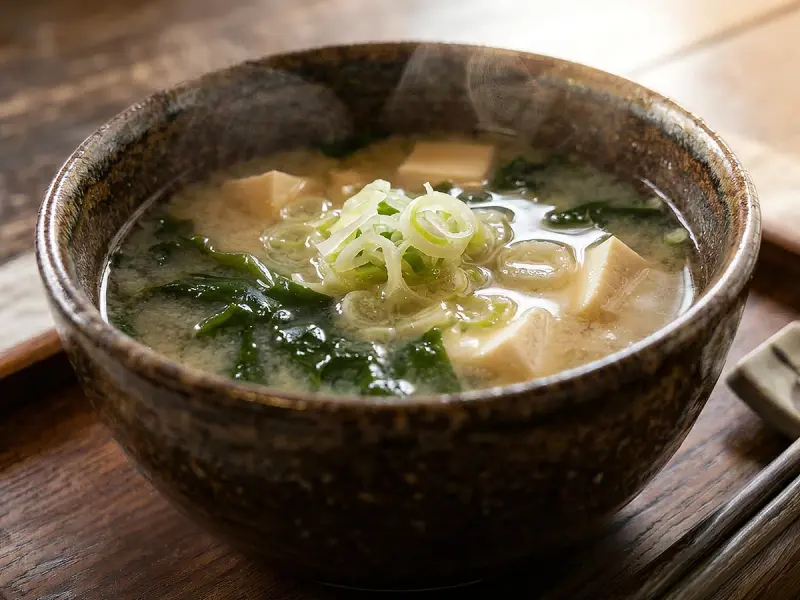
Miso Soup — the five-minute bowl nobody bothers to make right
Dashi stock with miso paste stirred in, plus tofu, seaweed, and scallions. It shows up at basically every Japanese meal, breakfast included, and once you've got dashi sorted it takes about five minutes.
Here's the one rule that matters: never boil the miso. Add it off the heat or at the barest simmer, whisking it into a ladle of warm stock first so it dissolves smoothly. Boiling kills the aroma and turns it flat and grainy. Different misos taste wildly different too — start with white miso if you want it mild and sweet, go red for something punchier.
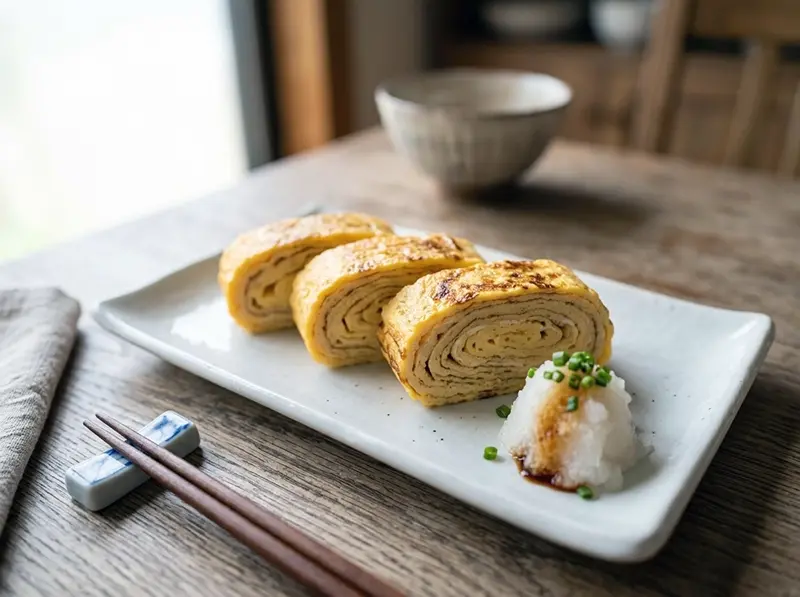
Tamagoyaki — the rolled omelette that takes practice
A sweet-savoury Japanese omelette made by pouring thin layers of egg into a pan and rolling them up, one at a time, into a neat striped log. It turns up in bento boxes and breakfast spreads, and honestly it's a bit of a flex when you get it right.
Low heat and patience. The whole thing is rolling thin layers before they fully set, so each one fuses to the last without browning. People crank the heat to speed it up and end up with a rubbery, spotty mess. A rectangular pan helps, but a small round one and a willingness to make an ugly first attempt will get you there. Mine looked terrible for weeks before it didn't.
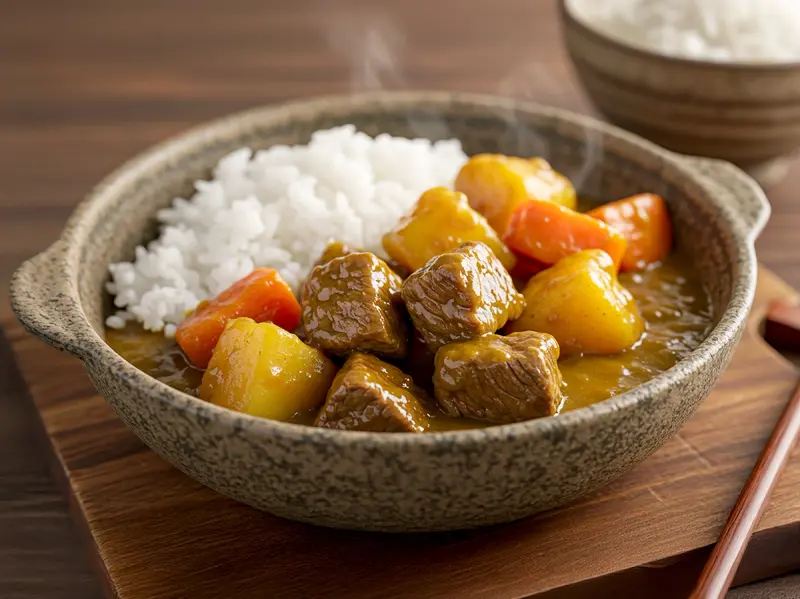
Japanese Curry Rice — the weeknight hug in a bowl
Thick, mild, slightly sweet curry over rice, usually with potatoes, carrots, onions and a bit of meat. It's nothing like Indian or Thai curry and doesn't try to be. This is the dish Japanese kids grow up on, and it's about as close to a national comfort food as it gets.
Most households use curry roux blocks, and there's no shame in that — it's genuinely how it's made there. To lift it past the boxed version, brown the onions deeply before anything else and grate in an apple or a spoon of honey for that signature sweetness. Let it sit off the heat for ten minutes before serving; the flavour rounds out and the sauce thickens into the right gluey, spoonable texture.
The Japanese pantry
Soy sauce, mirin, miso, dashi, and good short-grain rice. That's the backbone of nearly everything above. Mirin brings the gentle sweetness, miso and dashi do the heavy lifting on savour, and the rice ties it all together. None of it is hard to find anymore. Stock those five things and most of Japanese home cooking opens up to you.