The whole reputation of Italian food is built on restraint. Three or four ingredients, treated well, and the cook getting out of their own way. Carbonara has no cream in it. Real pesto skips the blender if you ask a Ligurian. The mistake home cooks make is adding more, when the trick is almost always to add less and pay closer attention to what's already there.
Here are six Italian recipes I think everyone should be able to make without looking at a screen. A couple are quick weeknight things. A couple ask for an afternoon. None of them are complicated once you stop overthinking them.
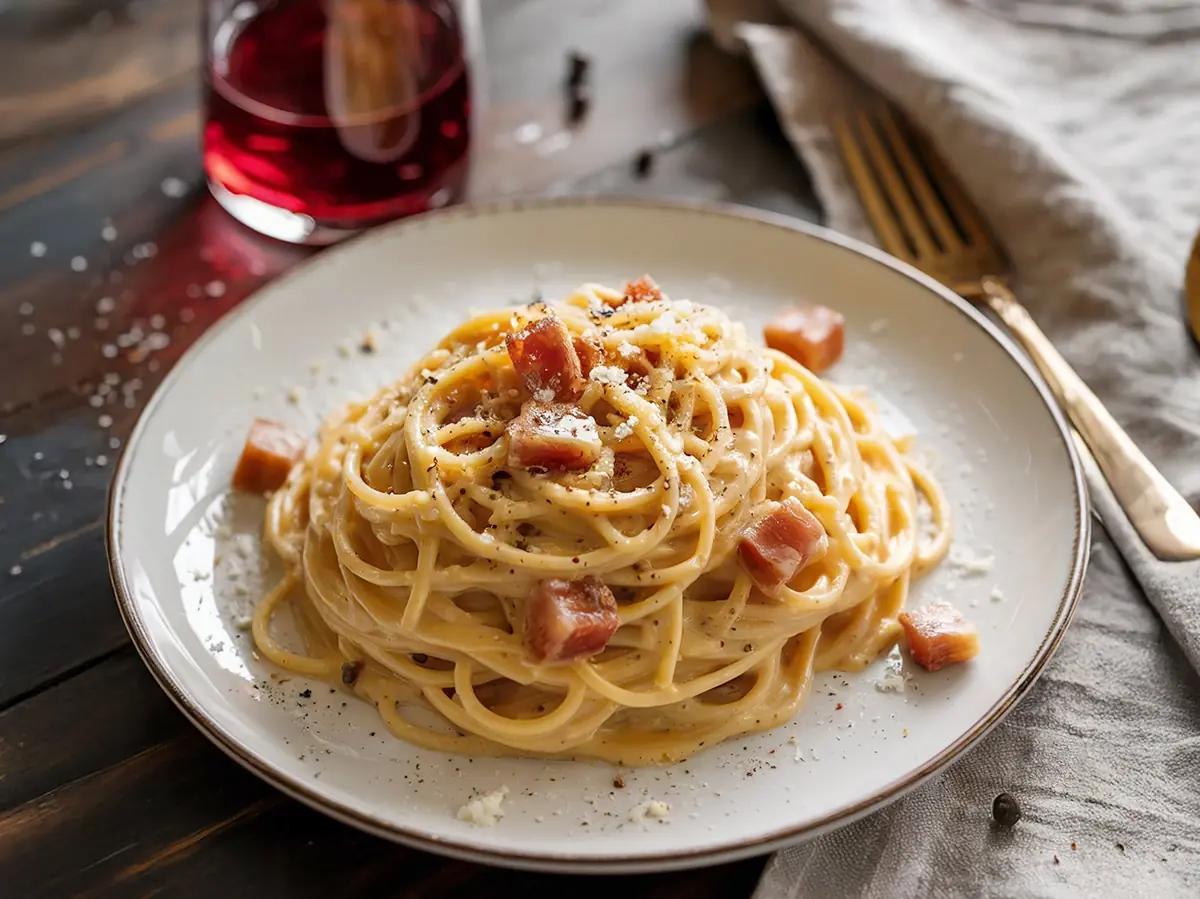
Spaghetti Carbonara — the one people keep ruining
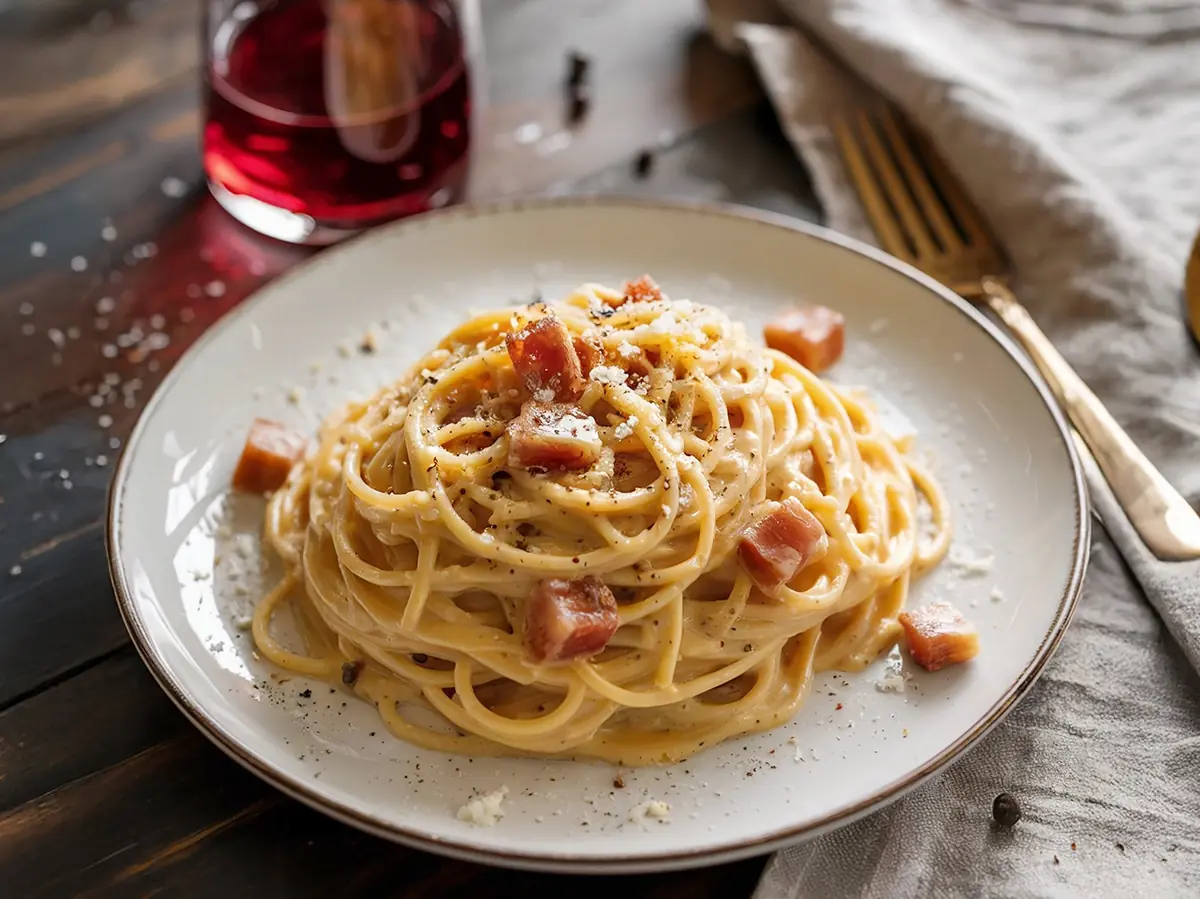
Pasta tossed with eggs, hard cheese, black pepper, and crispy guanciale. That's it. No cream, no garlic, no peas, no matter what the back of some jar tells you. The heat from the pasta cooks the eggs into a silky sauce that clings to every strand.
The whole game is temperature. Pull the pan off the heat before the egg mixture goes in, or you'll scramble it and end up with spaghetti and sweet omelette. Save a mug of the starchy pasta water and add it bit by bit while tossing — it loosens the sauce and brings it together glossy instead of clumpy. Work fast and don't walk away.
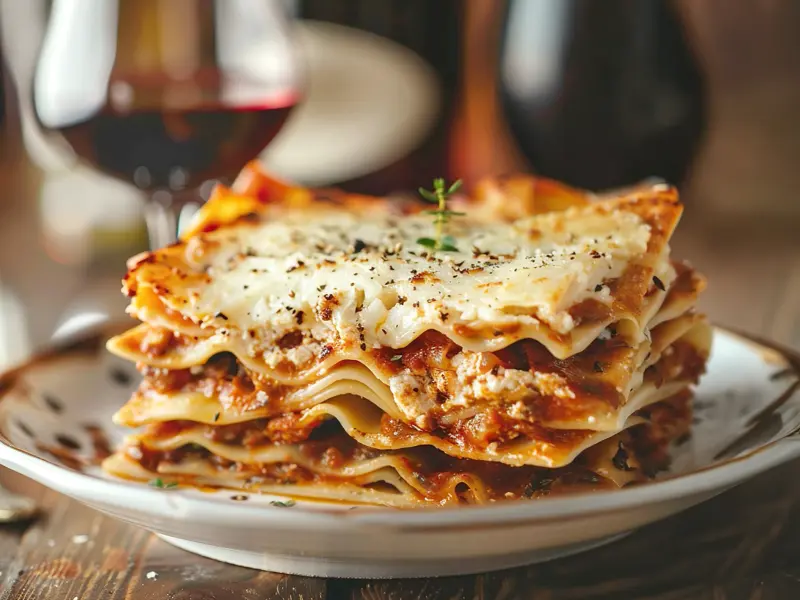
Lasagna — the Sunday project worth the dishes
Layers of pasta, slow-cooked meat ragù, béchamel, and cheese, baked until the top goes brown and bubbling at the edges. This is comfort food that rewards patience, and it's the dish your family will keep asking you to make.
Don't rush the ragù. It needs a couple of hours on a low simmer to go from "meat in tomato" to something deep and savoury. And go easy stacking the layers — a thin, even spread of each component beats a few overloaded ones that slide apart when you cut in. Let the whole thing rest fifteen minutes out of the oven so it sets and holds its shape on the plate.
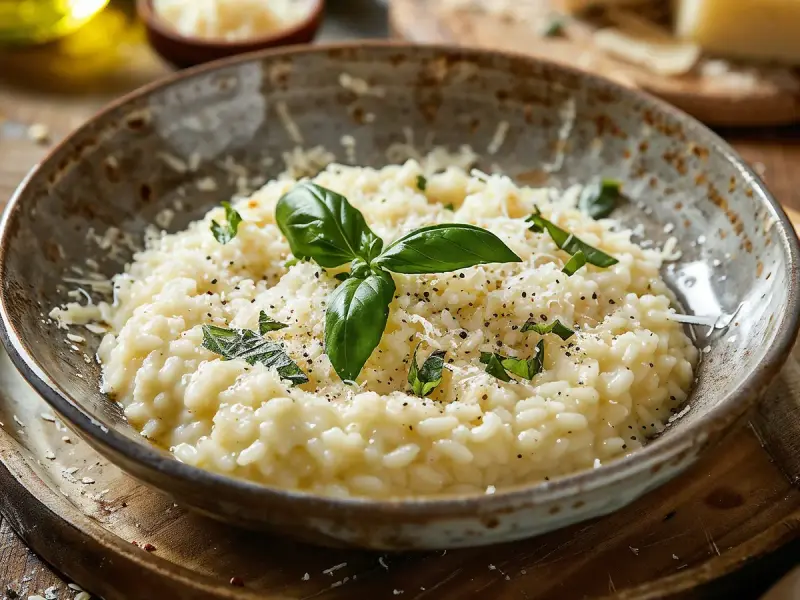
Risotto — proof that stirring is a skill
Short-grain rice cooked slowly, one ladle of warm stock at a time, until it turns creamy without any cream at all. It's a dish that asks you to stand at the stove and pay attention for twenty minutes, and it pays you back.
Keep your stock hot in a separate pot. Adding cold stock to the rice stops the cooking dead and you'll never get that creamy texture. Add it gradually, stir often, and taste near the end — you want the grain tender with a tiny bit of bite in the middle. Finish off the heat with cold butter and grated parmesan, beaten in hard. That last step is what makes it luxurious.
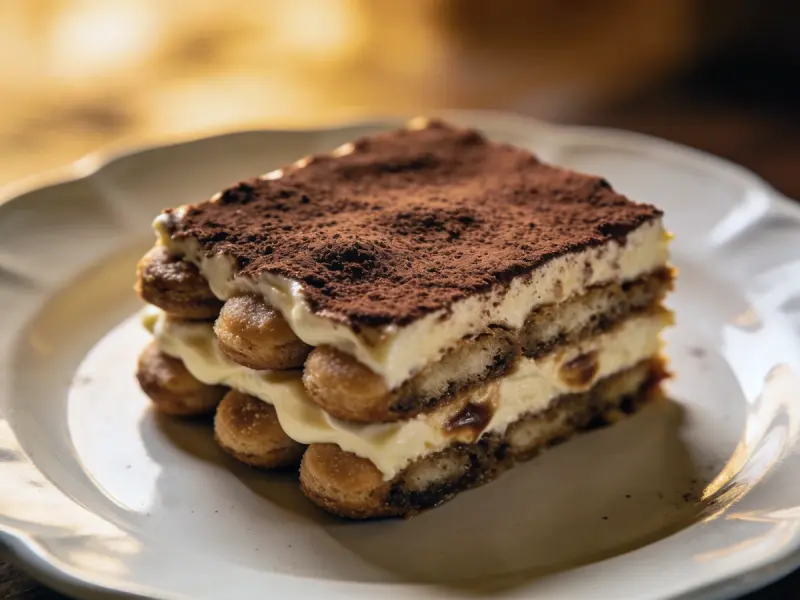
Tiramisu — no oven, no excuses
Coffee-soaked savoiardi layered with a whipped mascarpone cream, dusted with cocoa. It comes together in twenty minutes of actual work and then the fridge does the rest. For something this impressive, it's almost unfair how easy it is.
Dip the biscuits in the coffee, don't drown them. A quick one-second roll on each side is plenty — leave them soaking and the whole thing turns to mush. Beat the mascarpone gently too; it splits if you whip it like cream. Then give it a proper rest, ideally overnight, so the layers settle and the flavours marry. It genuinely tastes better the next day.
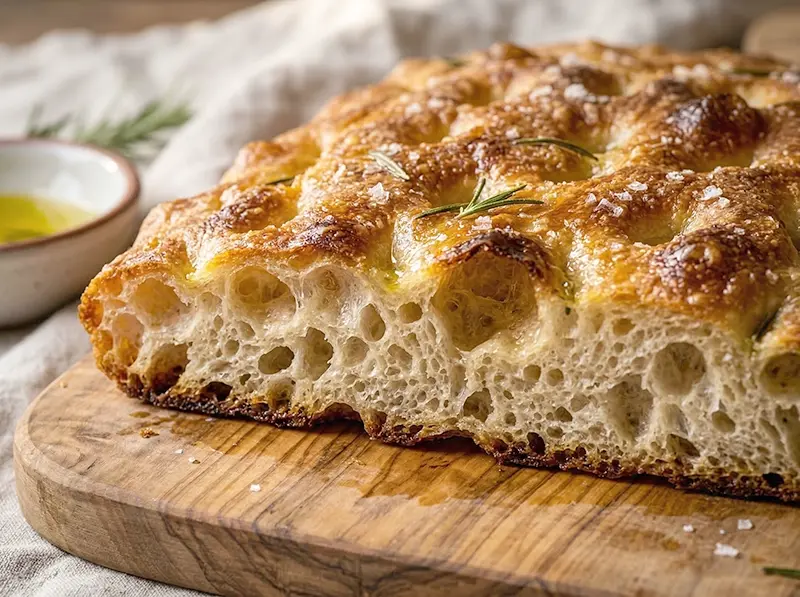
Focaccia — the easiest bread you'll ever bake
A wet, dimpled dough drenched in olive oil and flaky salt, baked until the bottom crisps and the inside stays soft and airy. If you've been scared of bread, start here. There's no kneading and the dough is forgiving.
Don't be shy with the oil. Focaccia is supposed to be rich — pour a generous slick into the pan and over the top, and that's what gives you the golden, almost-fried crust underneath. Dimple the dough hard with oiled fingertips right before it bakes, pressing down to the bottom. Those craters hold pools of oil and salt, and they're the best part.
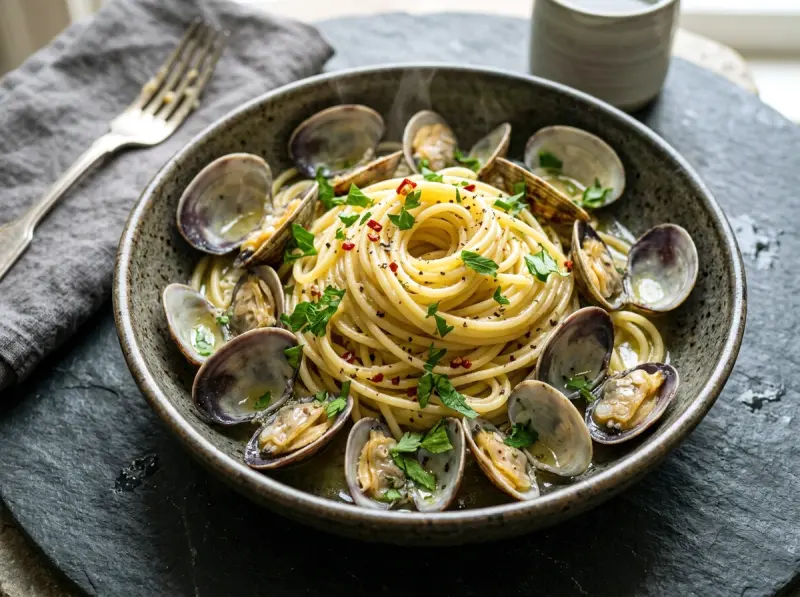
Spaghetti alle Vongole — the coast in a bowl
Spaghetti tossed with clams, garlic, white wine, chilli, and parsley. It tastes like a holiday and takes about fifteen minutes once the clams are clean. This is the dish that makes simple feel like a flex.
Purge the clams in salted water first so they spit out their grit — nothing ruins this faster than a gritty mouthful. Cook them just until they open and pull them out; any that stay shut, throw away. Then finish the pasta in that briny clam liquid with a splash of the wine, so every strand soaks up the sea. Skip the cheese. It doesn't belong here and the Italians will know.
→ Spaghetti alle Vongole recipe
The Italian pantry
Good olive oil, real Parmigiano you grate yourself, dried pasta from a decent brand, canned San Marzano tomatoes, and garlic. That's most of it. Notice there's nothing rare or expensive here. Italian cooking isn't about chasing ingredients — it's about buying a few good ones and not messing with them too much.