Looking for quick weeknight dinners without lime? See our Quick Weeknight Dinners collection.
Looking for fast weeknight dinners? These six come together in 20 to 40 minutes — but the speed isn't from cutting corners. It's from lime.
Acid does in minutes what a long simmer does in hours: it cuts through richness, brightens flat tones, and pulls disparate ingredients into focus. A spoonful of fresh lime juice makes ground meat taste cleaner. A hit of zest stops a coconut curry from feeling cloying. Twenty minutes in lime juice cures raw fish into something you'd pay for at a restaurant — no heat, no waiting.
Five of the six recipes here are under 40 minutes. All of them rely on lime doing real work — skip it and the dish doesn't lose a finishing touch, it falls apart.
Black bean tacos
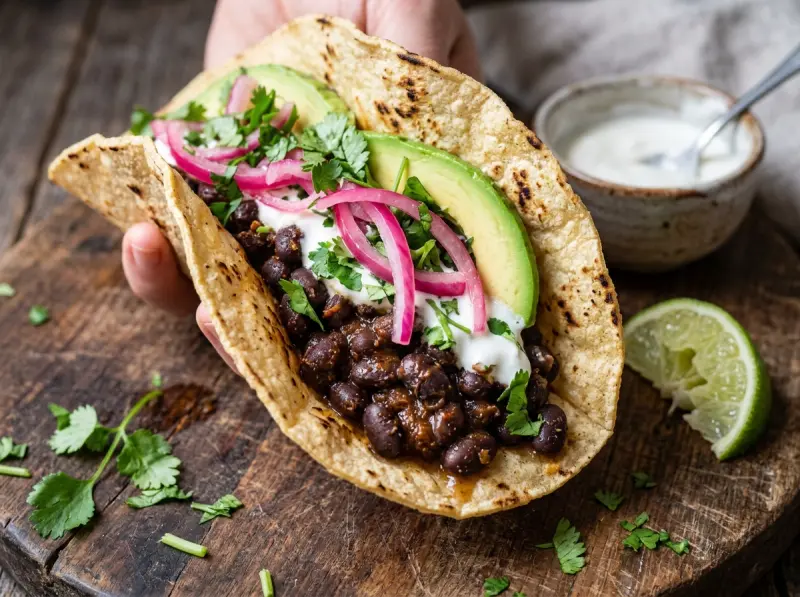
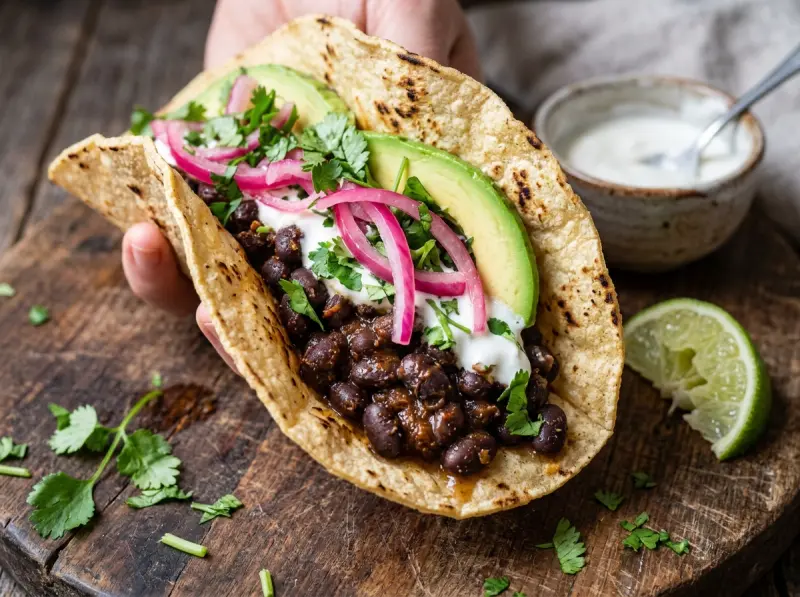
Twenty minutes, vegetarian, lime doing two separate jobs at once. The black beans cook down with garlic, cumin, and a squeeze of lime juice — the acid lifts the earthiness and stops the beans tasting like the can. Separately, thinly sliced red onion sits in a bowl of lime juice for 10 minutes while everything else cooks. The lime turns it pink, mellows the bite, and pickles it just enough to taste like a proper condiment instead of raw onion.
The technique that matters: warm the corn tortillas directly over a gas flame for 10 seconds per side. Char them slightly. The flavor is nothing like a microwaved tortilla.
Salmon ceviche
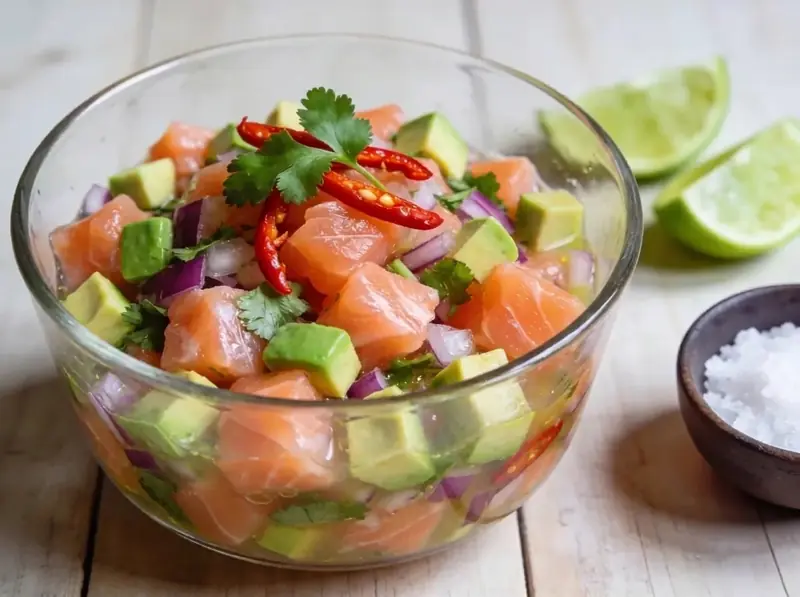
The most extreme use of lime in cooking — the acid actually denatures the fish proteins, turning raw salmon opaque and firm without any heat at all. Twenty minutes in fresh lime juice and you have a dinner that tastes like Lima.
Use sushi-grade salmon and cut it into 1cm cubes. Smaller pieces over-cure into rubber, larger ones stay raw in the middle. Don't substitute bottled lime juice. The acid needs to be fresh because curing the fish is its only job, and pasteurized juice is too weak to do it reliably.
Eat within an hour of mixing. Past that point, the lime keeps working and the texture turns chalky.
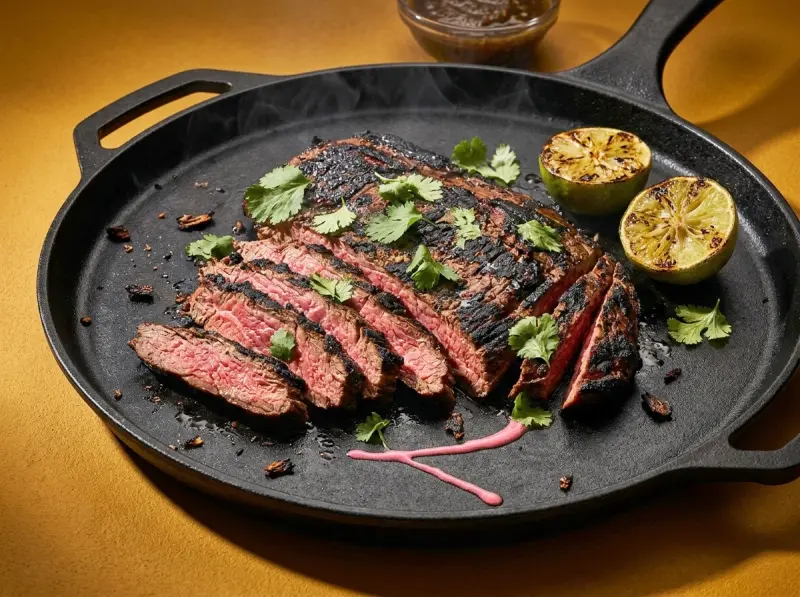
Carne asada
Thirty minutes if you count the marinade, but the active work is eight. Flank steak goes into a marinade of lime juice, garlic, cumin, cilantro, and a splash of orange juice for 20 minutes — long enough for the lime to break down the surface proteins and tenderize the meat, short enough that the acid doesn't turn the surface mushy.
The pan needs to be screaming hot. Cast iron, almost smoking, no oil. The marinade gives the surface enough sugar from the orange juice to caramelize quickly, and the high heat creates a crust before the inside overcooks. Rest for five minutes before slicing against the grain. Squeeze a fresh wedge of lime over the slices at the table — the cooked lime in the marinade did one job; the raw lime at the end does another.
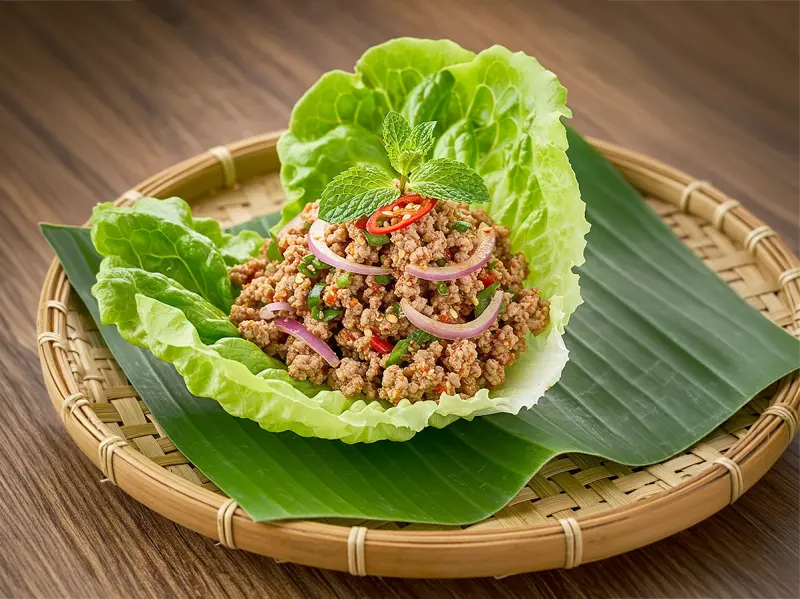
Thai larb
The Thai-Lao salad where ground meat gets dressed in a punchy mix of lime juice, fish sauce, sugar, and chili, eaten with sticky rice and lettuce leaves. Thirty-five minutes, almost no cooking. The lime is the dressing's spine; everything else is built around it.
Toast the rice powder yourself. Raw rice in a dry pan, low heat, ten minutes until golden, then ground in a mortar to coarse sand. The texture is essential — it gives the salad a nutty crunch and absorbs the dressing so each bite stays coated. Skipping this step or buying pre-ground rice powder gives you a flat, watery salad.
Mint and shallot go in raw at the end, off the heat. They wilt instantly if added too early.
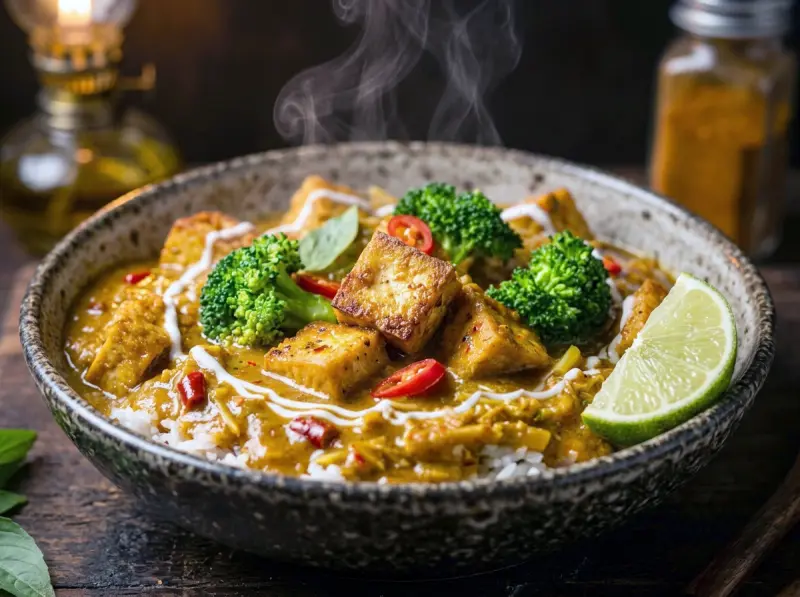
Coconut curry with tofu
The lime here isn't about brightness — it's the only thing stopping the coconut milk from feeling cloying. Without it, this curry tastes like dessert. With a full tablespoon of lime juice stirred in at the end, it tastes balanced.
Press the tofu first. Fifteen minutes between paper towels with a heavy pan on top removes enough water that the tofu actually browns instead of steaming. Cube it, shallow-fry until golden on at least two sides, then add it to the curry at the very end so it doesn't break apart.
Stir the lime in off the heat. Cooking lime juice destroys the volatile compounds that make it smell like lime in the first place. The fragrance is half the point.
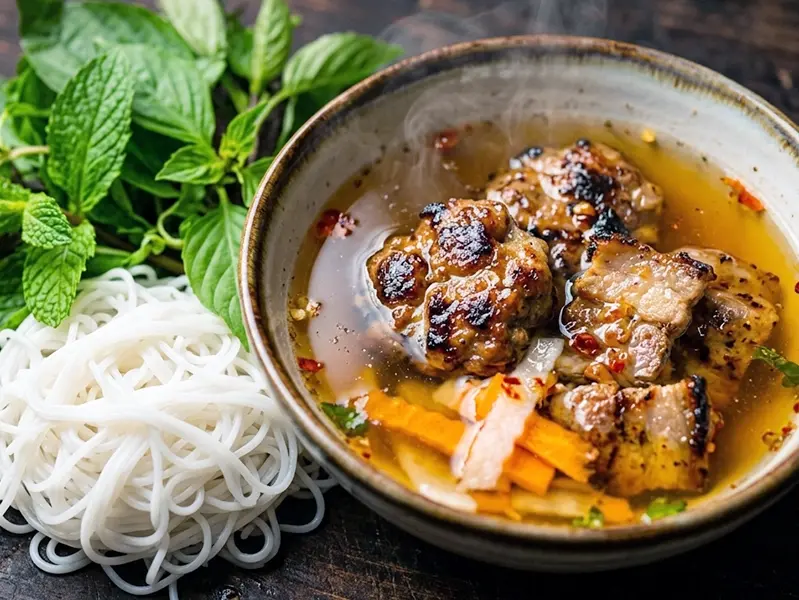
Bun cha
The Vietnamese pork dish Anthony Bourdain ate with Obama in Hanoi, and the only recipe here that takes longer than 40 minutes. Worth it. Grilled pork patties and sliced pork belly served in a warm bowl of nuoc cham, eaten with rice noodles and a tray of fresh herbs.
The dipping bath is what makes this work, and the ratio is exact: 60ml of fresh lime juice, 60ml of fish sauce, 60ml of warm water, plus sugar, garlic, and chili. Equal parts lime and fish sauce. Less lime and the bath tastes like flat soy. More and it stings.
The pork needs char. A grill is best, but a screaming-hot cast-iron pan with the patties pressed flat works almost as well. Soak the rice noodles in cool water rather than boiling them — they should be soft but still resilient.
How to use lime properly
Use fresh, not bottled. Bottled lime juice has been pasteurized — the heat destroys the volatile aromatic compounds. It tastes like sour water. The whole reason to cook with lime is the smell, and bottled lime doesn't have one.
Roll the lime hard before cutting. Press it against the counter with the heel of your hand and roll for five seconds. This breaks the internal membranes and roughly doubles the juice you get.
Zest before juicing. Most of the actual lime flavor lives in the oil glands of the peel, not the juice. If a recipe calls for zest, do it first — a juiced lime is impossible to zest.
Add lime in two stages. Some during cooking to build a base, some at the end raw. Cooked lime tastes like generic acid. Raw lime tastes like lime. Most dishes that use lime well use both.
Don't refrigerate whole limes. They lose juice in the cold. Keep them in a bowl on the counter and they'll give you twice as much when you finally cut them.