When it's too hot to think, a good cold drink does more than a cold meal. Half of these are alcoholic and half aren't, and almost all of them are built on the same two things: something sour and something cold, balanced so it's refreshing instead of cloying. None of them need special equipment beyond a jug and ice.
The one rule that runs through all of them is fresh citrus. Bottled lime and lemon juice tastes flat and slightly bitter, and it's the single fastest way to ruin a drink that's otherwise three ingredients. Squeeze it yourself. Here are six I make all summer, from a kid-friendly pitcher to the cocktail I hand people the moment they walk in.
Classic Lemonade — the one everyone gets slightly wrong
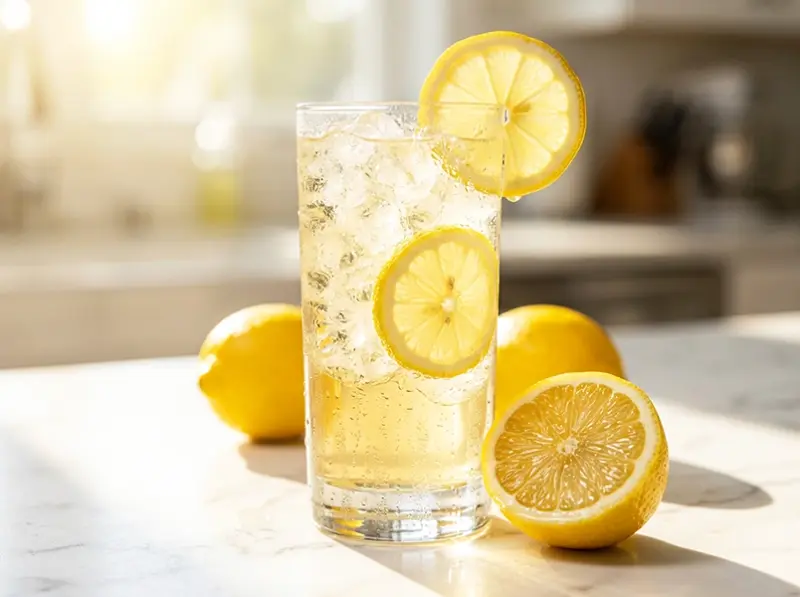
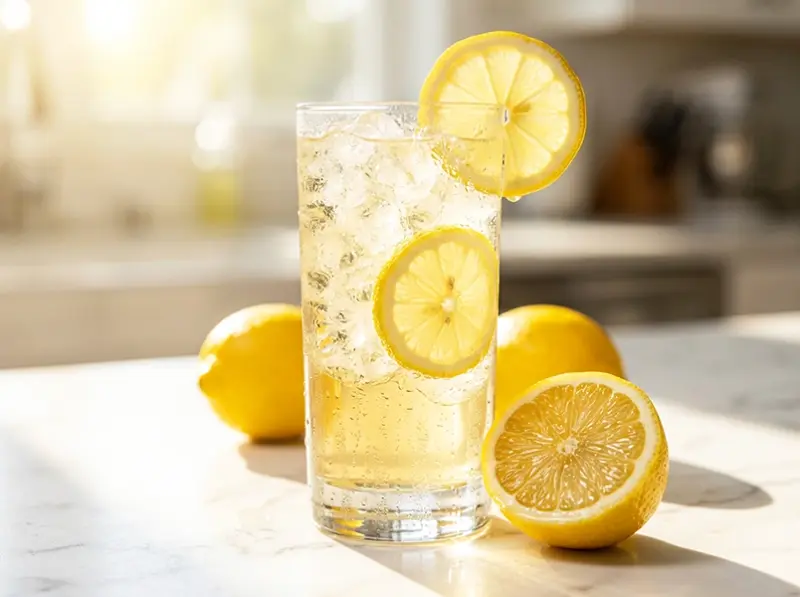
Real lemonade is three things: fresh lemon juice, sugar, and cold water. The mistake is stirring sugar straight into cold water, where it never dissolves and sinks to the bottom in a gritty layer. Make a syrup first, warming the sugar with a little water until it's clear, and the sweetness blends evenly through the whole jug.
From there it's about balance. Add the cold water gradually and taste as you go, because lemons vary wildly in sourness and a fixed recipe will betray you. You want it sharp enough to make you sit up, not so sweet it coats your teeth. A few mint leaves or some sliced strawberries bruised into the bottom take it somewhere nice without much effort.
Watermelon Agua Fresca — blended fruit, barely sweetened
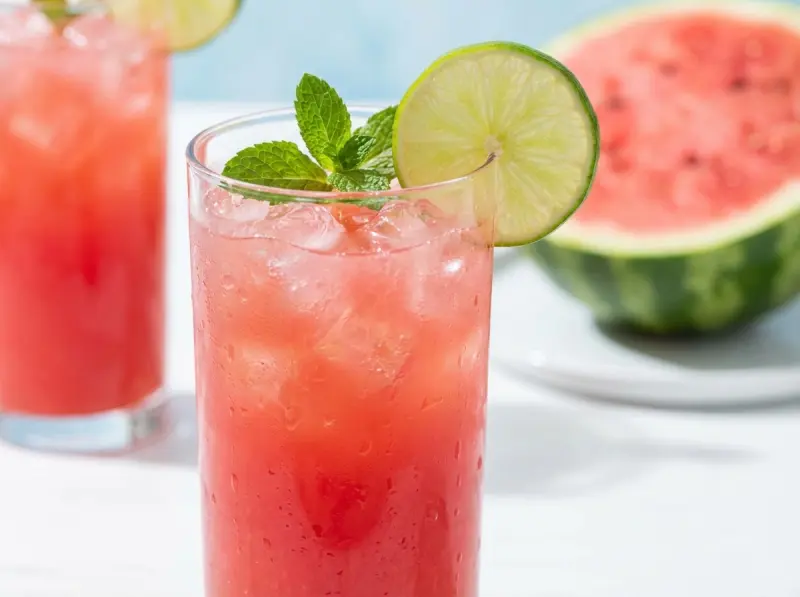
Agua fresca means fresh water, and that's almost what it is: fruit blended with water, a little sugar, and lime, strained and served cold over ice. Mexican street carts pour it from huge glass jugs, and watermelon is the one to make when it's hot, because the fruit is already most of the way to a drink before you touch it.
Blend the watermelon with just a splash of water, then strain out the pulp so it stays light and drinkable rather than thick like a smoothie. The lime is doing the real work here; without it the drink tastes flat and sugary, and with it the whole thing snaps into focus. Keep the sugar low. Ripe watermelon barely needs any.
→ Watermelon Agua Fresca recipe
Mojito — restraint is the whole skill
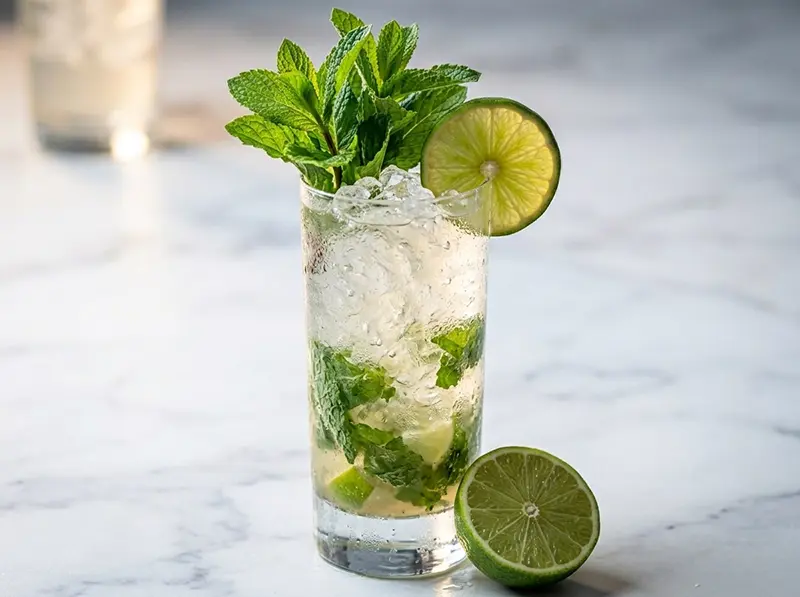
Cuba's most famous drink is mint, lime, white rum, sugar and soda water over ice, and the way most people ruin it is by attacking the mint. You press it just enough to release the oils, not so hard that you shred it and turn the drink bitter and green. A gentle push with the end of a spoon is all it takes.
Build it in the glass: sugar and lime first so the sugar dissolves in the juice, then the mint, then rum, then ice, then top with soda. Give it one slow stir from the bottom to lift everything. It should taste bright and barely sweet, with the mint as a smell more than a flavour. Drink it before the ice waters it down.
Margarita — three ingredients, one non-negotiable
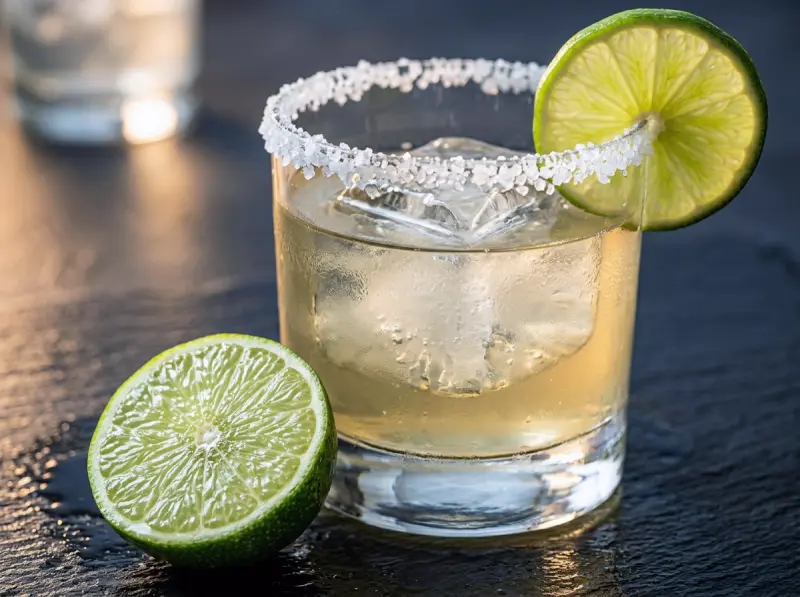
A real margarita is tequila, orange liqueur and fresh lime in a 2:1:1 ratio, shaken hard with ice until the outside of the shaker frosts over. That frost matters; it means the drink is properly cold and slightly diluted, which is what makes it dangerous to drink quickly. Strain it over fresh ice or straight up.
The non-negotiable is the lime. Bottled lime juice turns a margarita sour and dull, and it's the difference between a great drink and a bad one. Salt the rim if you like, but only half of it, so you can choose each sip. Use a tequila you'd happily sip on its own; the drink has nowhere to hide a bad one.
Aperol Spritz — the Italian aperitivo you can't get wrong
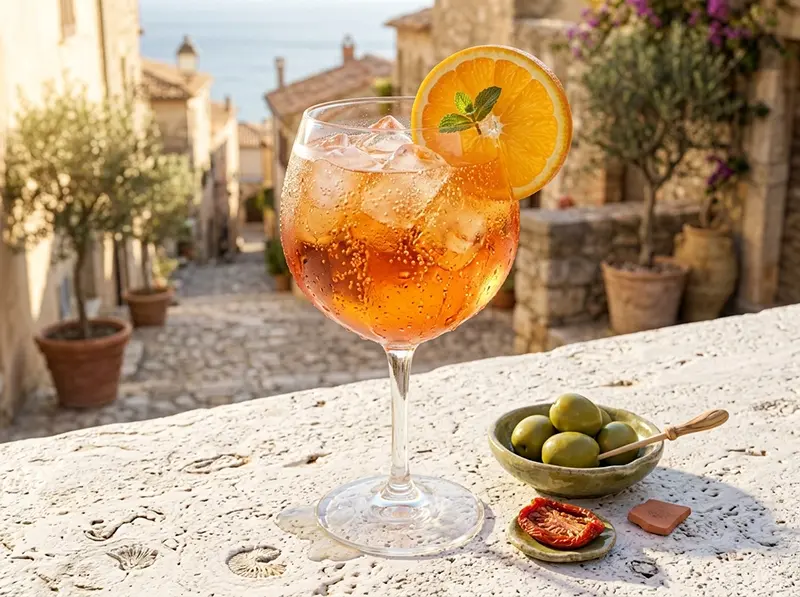
Three parts Prosecco, two parts Aperol, one part soda, poured in that order over ice in a big wine glass, with a slice of orange. That's the official ratio and it genuinely is that simple. It's bitter, lightly sweet, fizzy and low enough in alcohol that you can have one before dinner and still want to eat.
The order of pouring matters more than it sounds. Prosecco first means the Aperol sinks through it and mixes on its own without stirring, which keeps the fizz. Use plenty of ice, fill the glass properly, and don't let the Aperol dominate; the drink should be pale orange and refreshing, not heavy and syrupy. Serve it the moment it's built.
Sangria — the one you make the night before
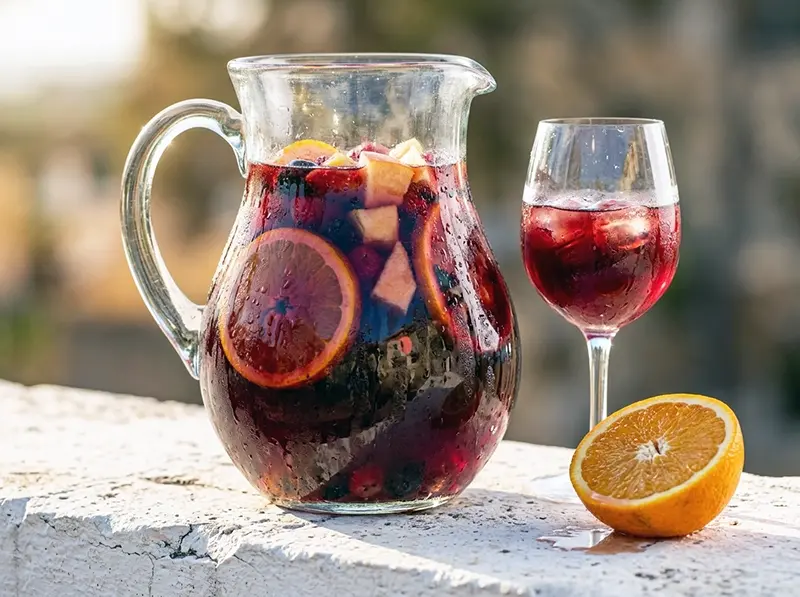
Sangria is red wine, chopped fruit, a splash of brandy and time. The ratio matters less than the resting: made two hours ahead it tastes like wine with fruit floating in it, but left overnight the fruit and wine trade flavours and the whole thing turns into something rounder and deeper. This is the rare drink that rewards forgetting about it.
Use a cheap, fruity red, because you're going to flavour it heavily anyway and a fine bottle is wasted here. Chop firm fruit that holds up overnight, oranges and apples rather than berries that go to mush, and don't oversweeten before it rests, because the fruit releases its own sugar as it sits. Add a splash of soda just before serving to lift it.
A note on ice and balance
Two things separate a good homemade drink from a watery one. Use more ice than feels right, not less, because a glass packed with ice melts slower than a half-empty one and dilutes the drink less. And taste everything before you serve it, especially anything with citrus, because fruit is inconsistent and a recipe is only a starting point. Sour, sweet, cold, adjusted by your own mouth: that's the whole craft.