
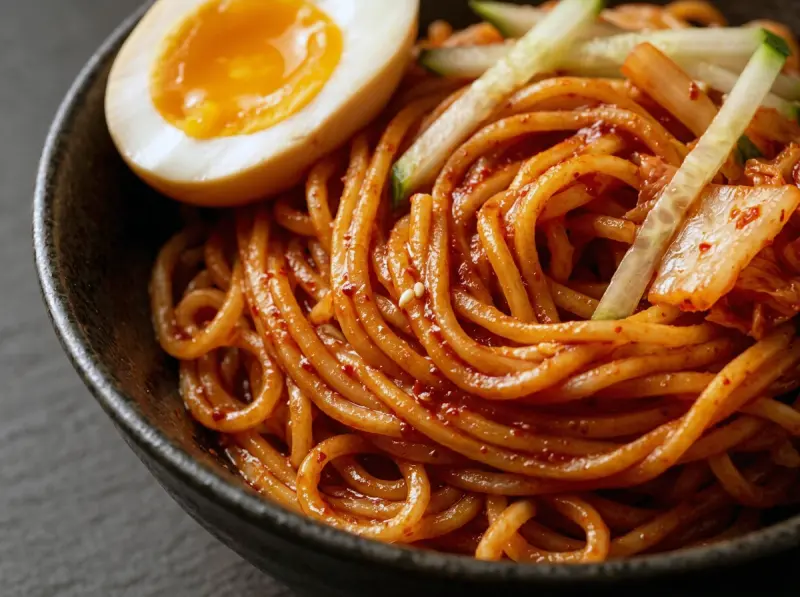
Bibim Guksu (fideos coreanos picantes fríos)
El bibim guksu es el plato coreano de verano que se hace en quince minutos y casi sin cocinar nada. Fideos finos de trigo enfriados en agua con hielo hasta que devuelven mordida, rebozados en una salsa de gochujang a la vez picante, ácida, dulce y con un ligero fondo fermentado. Se corona con kimchi, pepino y un huevo pasado por agua. La palabra bibim significa mezclado — todo va al bol y se revuelve con las manos.
Ingredientes
- 200 gsomyeon o fideos finos de trigo
- 3 cdagochujang
- 1 cdavinagre de arroz
- 1 cdasalsa de soja
- 1 cdaaceite de sésamo
- 1 cdaazúcar
- 2 dientes de ajo
- 2 cdajugo de kimchi
- 100 gkimchi
- 0.5 pepino
- 2 huevos
- 1 cdasemillas de sésamo
- 1 cdtagochugaru (ají coreano en polvo)
Preparación
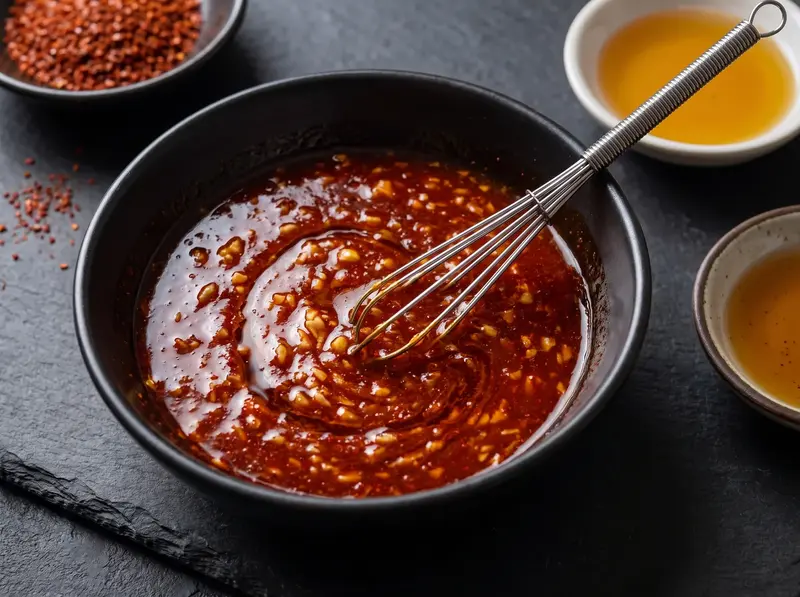
- Haz la salsa. Mezcla en un bol el gochujang, el vinagre de arroz, la salsa de soja, el aceite de sésamo, el azúcar, el ajo picado, el jugo de kimchi y el gochugaru. Bate hasta que esté liso. Prueba: debe estar picante, con punto ácido, ligeramente dulce y con fondo sabroso. Ajusta con más vinagre para acidez, más azúcar para equilibrar el picante, o más gochujang para profundidad. La salsa aguanta una semana en el frigorífico — mejora con el tiempo.
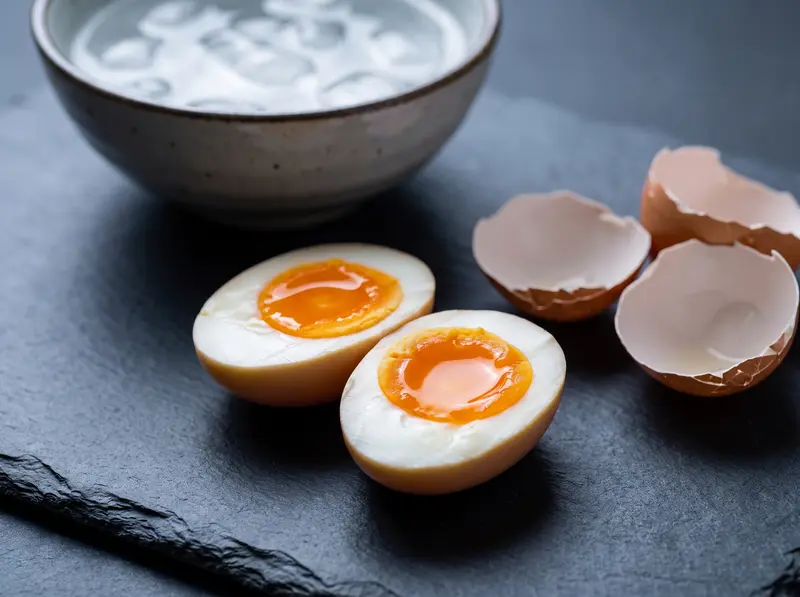
- Huevos pasados por agua. Baja los huevos con cuidado en agua a fuego suave y cocínalos exactamente 7 minutos para que la yema quede cremosa. Pásalos inmediatamente a agua con hielo 2 minutos y pélalos. Resérvalos.
- Cuece los fideos. Pon una olla grande de agua sin sal a hervir a borbotones. Añade el somyeon y cuécelo 3 o 4 minutos. No te vayas: estos fideos se pasan en segundos. Escurre inmediatamente.
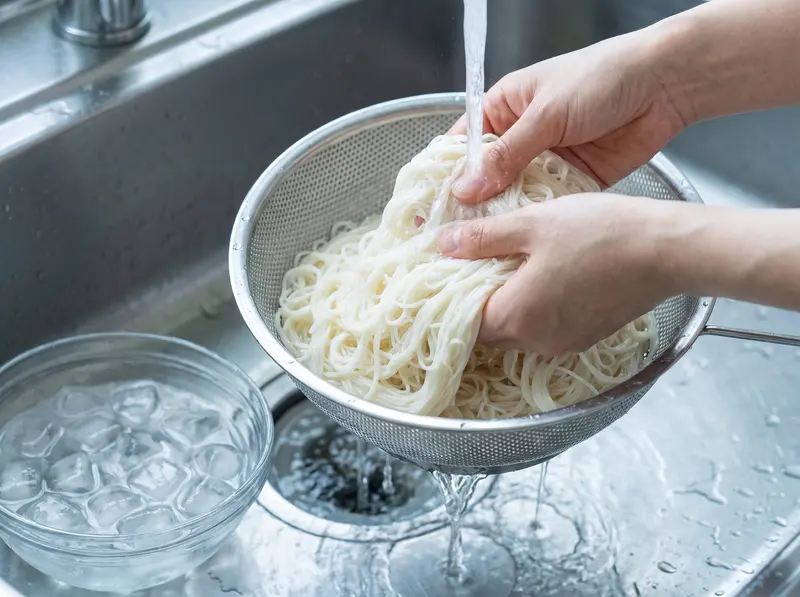
- Enjuaga y enfría de golpe. Enjuaga los fideos bajo agua fría mientras los frotas vigorosamente entre las manos durante 30 segundos. Esto retira el almidón de la superficie y aprieta el gluten, dando a los fideos su bote característico. Pásalos a un bol con agua helada 30 segundos, escúrrelos a conciencia y sacude el agua restante.
- Monta y sirve. Añade la salsa a los fideos y mezcla con las manos o pinzas hasta que cada hebra esté bañada uniformemente. Reparte en dos bols. Corona con kimchi picado, pepino en juliana, huevos pasados por agua partidos por la mitad y un puñado de semillas de sésamo. Come de inmediato: los fideos se ablandan en menos de 20 minutos una vez salseados.
Preguntas
Ambos son platos coreanos de fideos fríos picantes, pero usan fideos distintos. El bibim guksu se hace con somyeon — fideos finos de trigo que cuecen en 3-4 minutos, son blandos y ligeros y absorben la salsa rápido. El bibim naengmyeon usa fideos de trigo sarraceno muy firmes que hay que cortar con tijera en la mesa y se suelen servir con un poco de caldo frío. El guksu es la versión casera rápida; el naengmyeon es más plato de restaurante y requiere más preparación. Como primera aproximación a los fideos fríos coreanos, el bibim guksu es la puerta de entrada más fácil.
El gochujang es una pasta fermentada de chile rojo, arroz y soja. Da picante, profundidad umami y dulzor natural a la vez — los tres son difíciles de imitar con un solo ingrediente. Un sustituto aproximado para una cucharada: una cucharada de concentrado de tomate, más una cucharadita de cayena o chile en polvo, más media cucharadita de pasta de miso blanco, más media cucharadita de azúcar. La sriracha sola da picante pero nada de la profundidad fermentada. El sustituto da un plato decente pero claramente distinto.
Dos efectos. Primero, detiene la cocción inmediatamente y baja los fideos a la temperatura adecuada para un plato frío. Segundo, frotarlos bajo el agua retira el almidón superficial. Sin este paso, los fideos se pegan en una masa y forman una capa almidonada turbia que impide que la salsa se adhiera. Bien enjuagados quedan elásticos, ligeramente brillantes y separados. Tras enjuagar, escurre bien y salséalos rápido antes de que empiecen a unirse otra vez.
El plato base con somyeon y la salsa de gochujang es vegano si el gochujang no lleva extracto de anchoa. Algunas marcas comerciales incluyen ingredientes de pescado, así que revisa la etiqueta. El gochujang estándar sin aditivos marinos es completamente vegetal. El kimchi también pide revisión: el tradicional coreano suele llevar salsa de pescado o langostinos fermentados. Busca kimchi etiquetado como vegano o hazlo tú. El plato sin kimchi, coronado solo con pepino y sésamo, también está muy bien.
La salsa se puede hacer hasta una semana antes y guardar en el frigorífico — sabe mejor pasadas 24 horas, a medida que el ajo se ablanda. Los fideos no deben salsearse por adelantado: una vez mezclados con la salsa, se ablandan mucho en 20 o 30 minutos y pierden textura. Para meal prep, guarda la salsa y los fideos ya escurridos y enjuagados por separado en el frigorífico hasta un día, y mezcla en el momento de servir. Para llevar al trabajo, transporta la salsa en un recipiente aparte y únela justo antes de comer.
Valora
Recetas en tu correo
Un correo a la semana: una receta elegida a tu gusto y lo nuevo del sitio. Puedes dejar de recibirlo con un clic.
De regalo: el libro de recetas de Sergei (e-book).
Al pulsar el botón aceptas la política de privacidad.
Cuéntanos qué te gusta cocinar (30 segundos) →Sigue explorando
Más platos del archivo — elegidos por su solapamiento con lo que estás cocinando ahora.

Únete a la conversación
Comentarios
Aún no hay comentarios — ¡sé el primero!