Allrecipes has somewhere north of fifty thousand recipes. Food Network has celebrity chefs and a television empire behind it. GetCookMatch has 621 recipes and one guy. People occasionally ask me, politely, what the point is. Fair question. Here's my honest answer, including the parts where the big sites beat me.
The short version: an aggregator collects recipes; I cook them. Every recipe on this site went through my kitchen before it went into the database. When a step says "12 to 15 minutes uncovered, until the sauce holds its shape when you drag a spoon through it," that's not a copywriter's guess. That's me standing over the pan, dragging a spoon.
That model has real limits. It's why there are 621 recipes and not fifty thousand, and why a popular Allrecipes dish carries sixteen thousand reviews while mine carry a handful. You trade breadth for depth. Below are six recipes that show what the depth buys you.
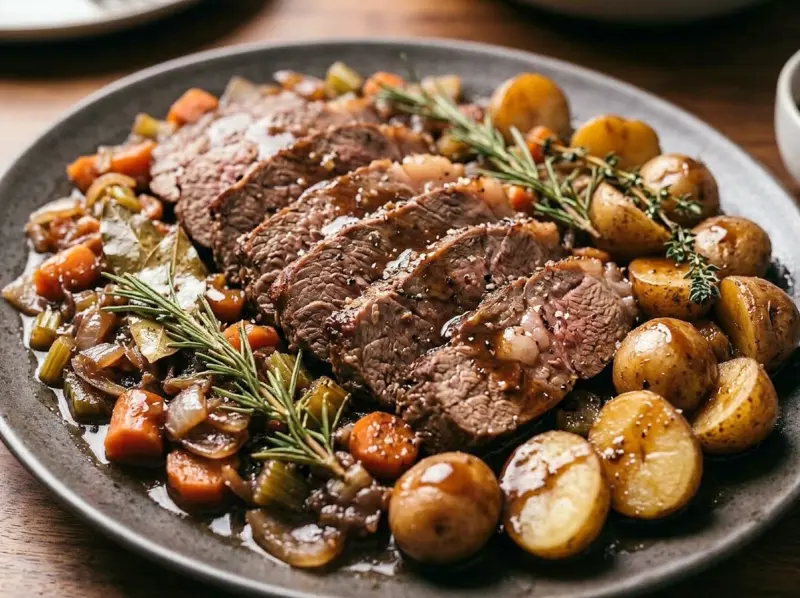
Pot roast
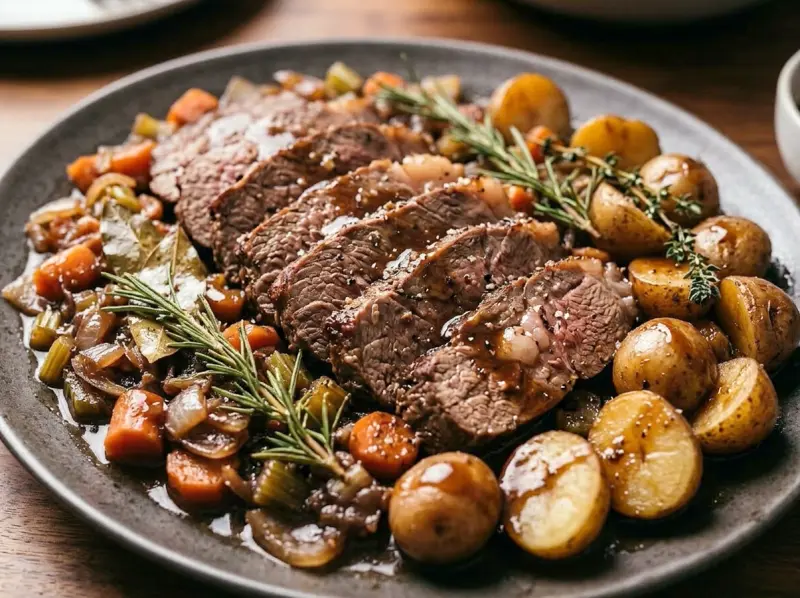
The FAQ under this recipe answers the question aggregator sites mostly dodge: why did the meat come out tough? The answer isn't "cook it longer," it's collagen. Connective tissue needs two and a half to three hours of moist heat to melt into gelatin, and pulling the pot early leaves you at the worst possible point: past juicy, before tender. Once you know the mechanism, you stop guessing.
Cups don't matter much in a braise, but temperatures do, and so does the note about waiting for a wisp of smoke before the sear. A cool pan steams meat instead of browning it.
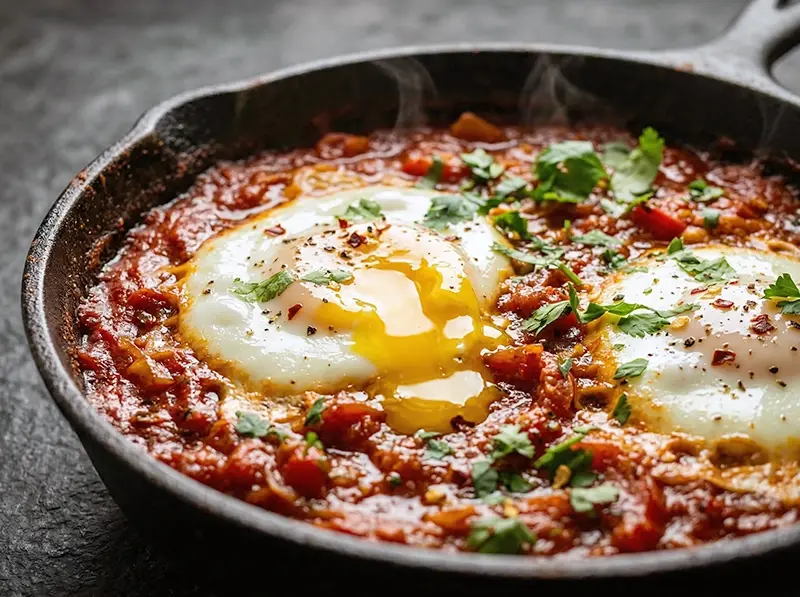
Shakshuka
My test for a good recipe is whether it tells you what to look for, not just what to do. The shakshuka instructions say the sauce must hold its shape when you drag a spoon through it before the eggs go in. That single sentence prevents the most common failure, watery shakshuka with slimy whites, better than any cooking time can, because your tomatoes and my tomatoes hold different amounts of water.
Fifty thousand recipes can't include that sentence unless fifty thousand contributors all thought of it. One stubborn cook only has to think of it once.
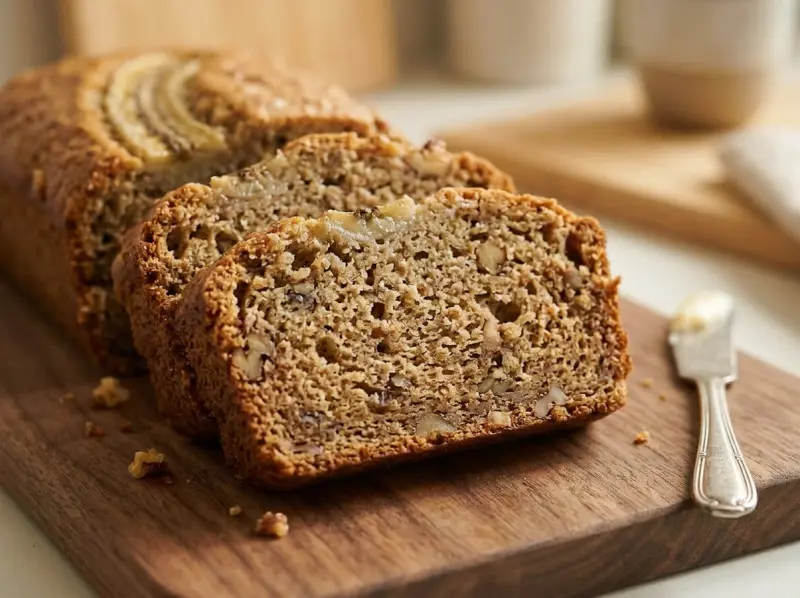
Banana bread
Baking is where the measurement philosophy stops being a preference and starts being chemistry. This recipe calls for 190 grams of flour, not a cup and a half, because "a cup of flour" weighs anywhere from 120 to 180 grams depending on how you scooped it. That spread is the difference between moist and brick.
American sites default to cups and offer metric as an afterthought conversion, which inherits the original imprecision. Here the grams are the recipe.
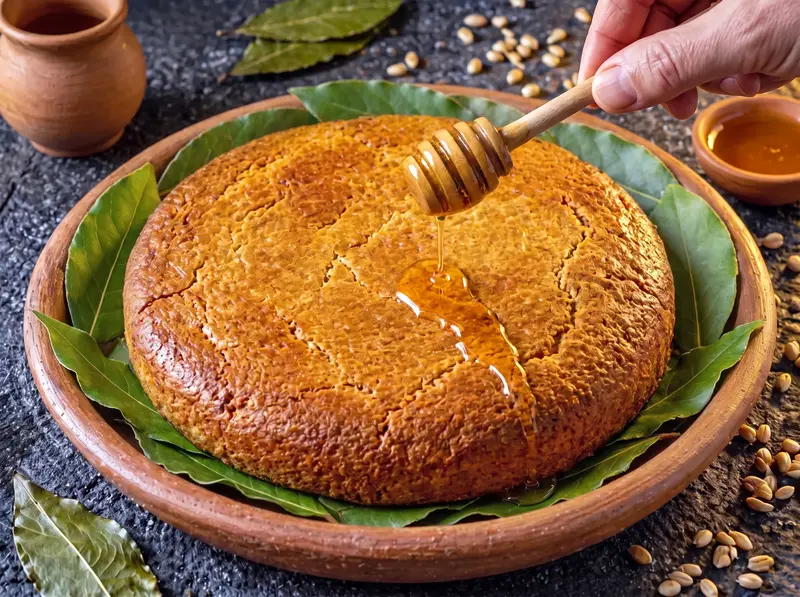
Libum
A two-thousand-year-old Roman cheesecake, adapted from Cato the Elder. I include it here because range is its own argument: an aggregator's catalog is shaped by what users happen to upload, which means ten thousand chicken breast dinners and no ancient Rome. A single-author catalog is shaped by curiosity.
The recipe explains what Romans actually served it for, what bay leaves do underneath the dough, and how to keep ricotta from weeping in a modern oven. Nobody submits that to a recipe contest.
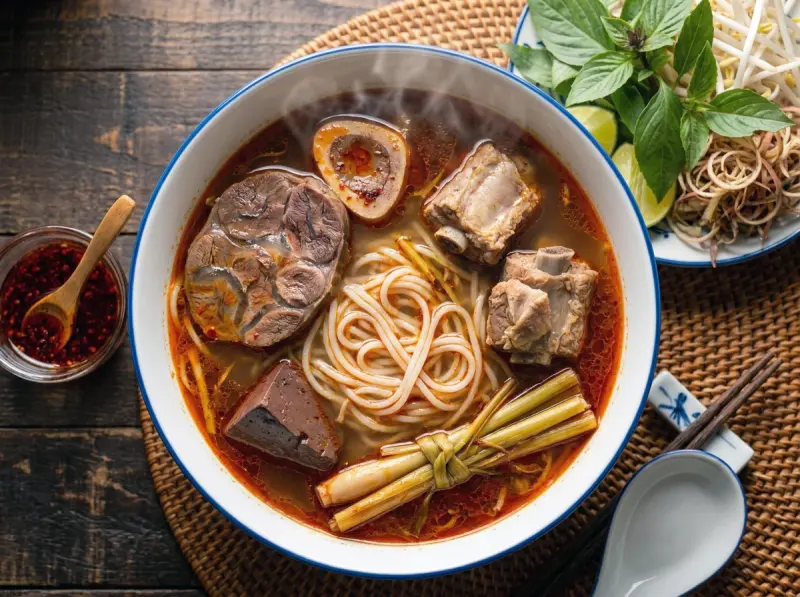
Bún bò Huế
The test of a multilingual site is whether the food survives translation. This spicy beef noodle soup from central Vietnam keeps its lemongrass-and-shrimp-paste backbone intact, with the ingredients explained rather than swapped out for "average Western palate" substitutes. All eight language versions were written, not machine-run, which is why the Russian one reads like Russian.
Big American sites translate interfaces. The recipes underneath stay written for one country.
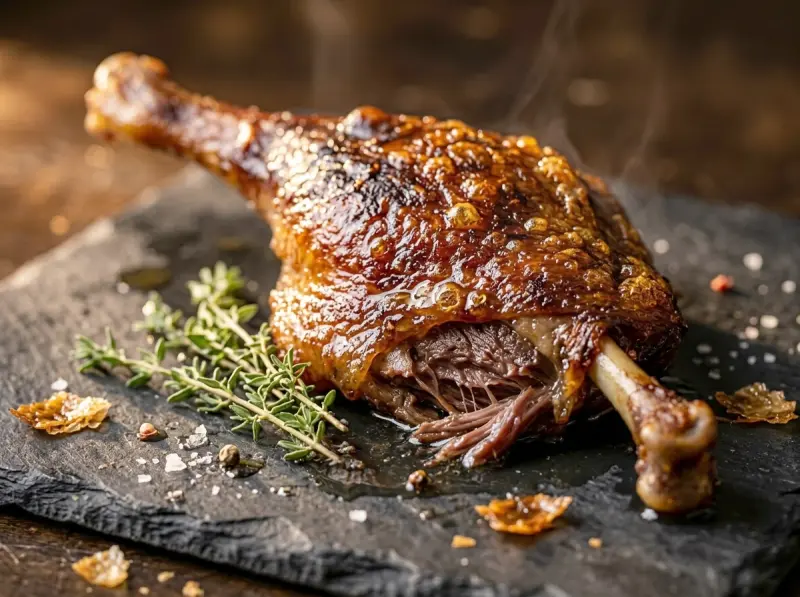
Duck confit
The dish everyone assumes needs a restaurant. The recipe walks through why the old method works: salt cure pulls moisture, low fat poaching at 90-something degrees turns tough legs silky, and the fat you're scared of is reusable for the best roast potatoes of your life. Technique explained is technique demystified.
This is also where I'll say what the big sites do better, because pretending otherwise would be silly. Allrecipes gives you full nutrition tables; I list calories and, on newer recipes, protein and carbs. They have dedicated storage-and-freezing blocks; my storage advice lives inside the FAQ. They have video; I have step photos. And they have social proof at a scale one author will never match. If you want the averaged wisdom of a million cooks, go there, honestly. If you want to know why the sauce broke, come here.