Lebanese cuisine is the cooking of a small strip of coast between the Mediterranean and the mountains, and most people outside Lebanon already know a few of its dishes without knowing where they come from: hummus, falafel, shawarma, tabbouleh. Its base is olive oil, lemon, garlic, parsley, chickpeas, sesame paste and bulgur. Its shape is the mezze, a table of small dishes that arrive together and are shared, rather than a starter followed by a main course.
That second part matters more than any single recipe. Lebanese food is built to be eaten in company, slowly, with bread instead of cutlery. A home cook who makes three of the dishes below and puts them on the table at the same time has cooked a Lebanese meal. One of them alone is a side dish.
Mezze is a way of serving, not a list of dishes
The word covers everything small that goes on the table before, beside or instead of a main: dips, salads, pickles, raw vegetables, fried bites, a plate of olives. In a Lebanese restaurant a full mezze can run to thirty plates. At home it is more often five or six, and nobody counts.
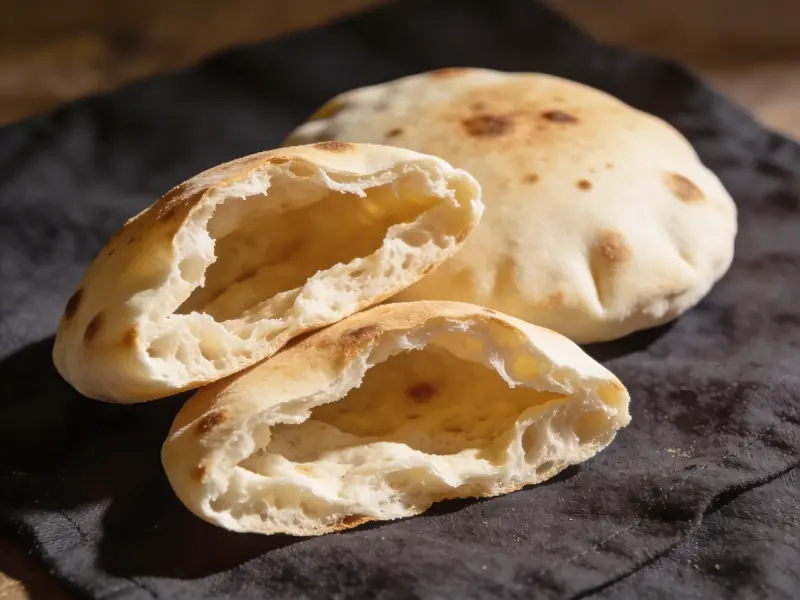
A workable home mezze has something creamy, something green and sharp, something hot and something to scoop with. Hummus covers the first. Tabbouleh covers the second. Falafel straight from the pan covers the third, and warm pita is the fourth and the only one you cannot skip.
The traditional drink is arak, a clear aniseed spirit made from grapes. It is poured over ice and cut with roughly twice as much water, and it turns milky white the moment the water hits. It is sipped through the whole meal, not knocked back, which is part of why a mezze can last three hours.
Three dips that people confuse
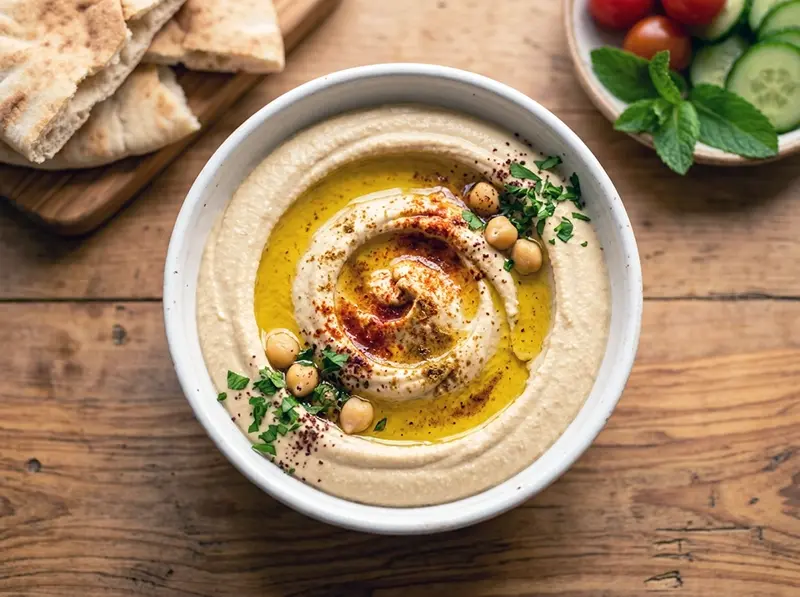
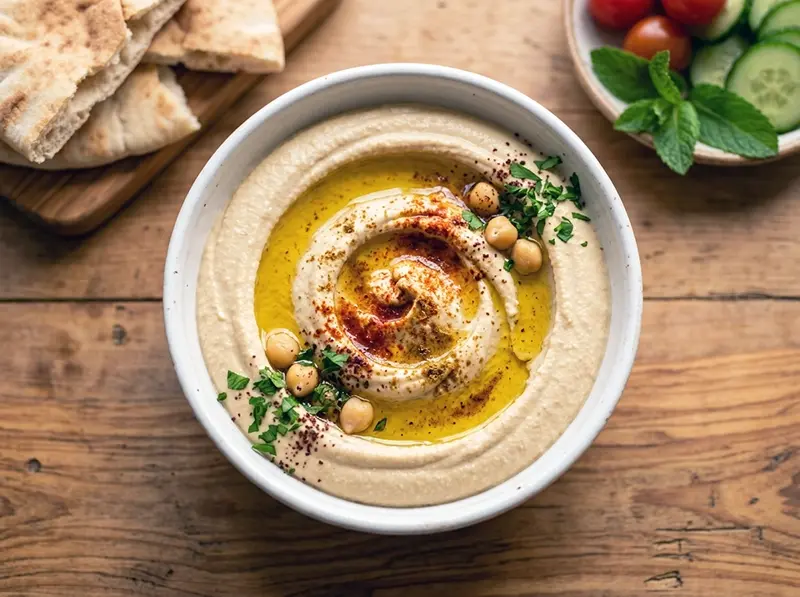
Hummus is chickpeas blended with tahini, lemon and garlic. The texture is the whole test: it should be smooth enough to spread in a swirl with the back of a spoon, and ice-cold water added while blending is what gets it there. Lebanon and Israel spent a few years fighting over who owns the dish, and the argument ended up in the Guinness book. On 8 May 2010, some three hundred cooks in Beirut made a single plate of 10,452 kg.
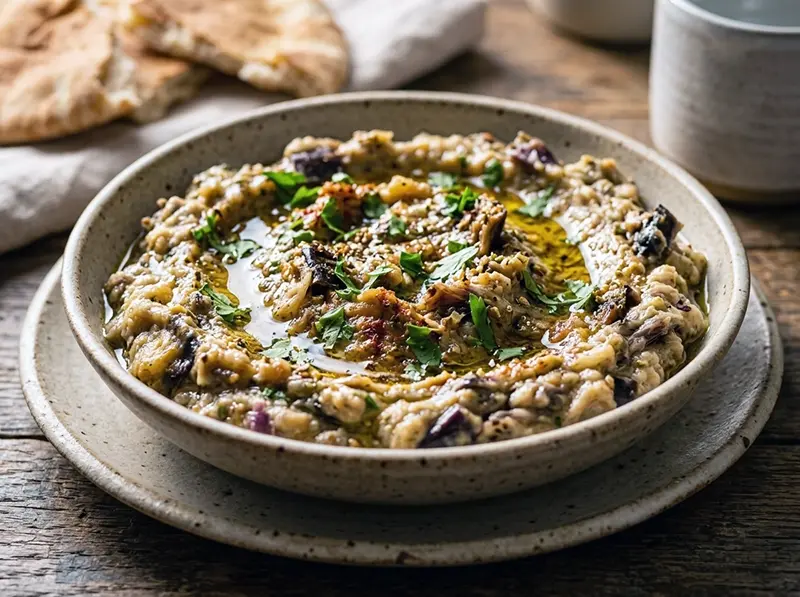
The aubergine dips are where names get tangled. In Lebanon the smooth one, charred aubergine beaten with tahini, lemon and garlic, is usually called mutabbal. Baba ghanoush, at home, more often means a chunkier salad of the same smoky aubergine with tomato, onion and pomegranate molasses and no tahini. Outside the Levant the two names are used for the same dish, and our baba ganoush is the tahini version most readers know by that name. What both versions share is fire: the aubergine has to char until the skin is black and collapsing, or it tastes of boiled vegetable.
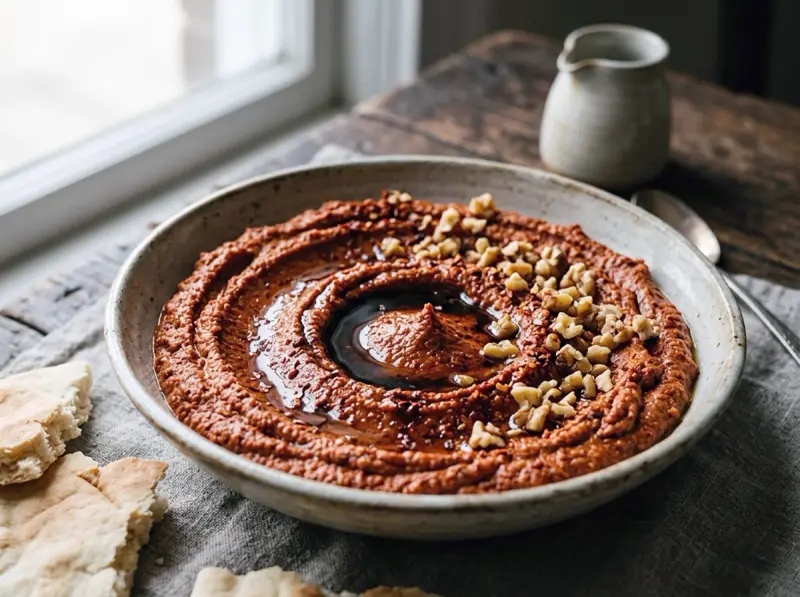
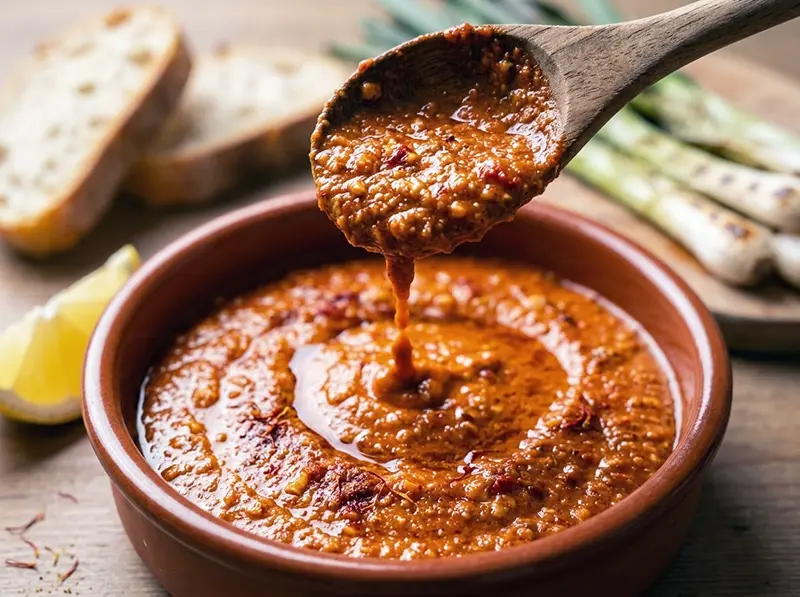
Muhammara is the red one, roasted peppers and walnuts sharpened with pomegranate molasses. It comes from Aleppo in Syria rather than Lebanon, but you will find it on almost every Beirut mezze table, and it is the dip that people who are tired of hummus reach for first.
Tabbouleh is a parsley salad
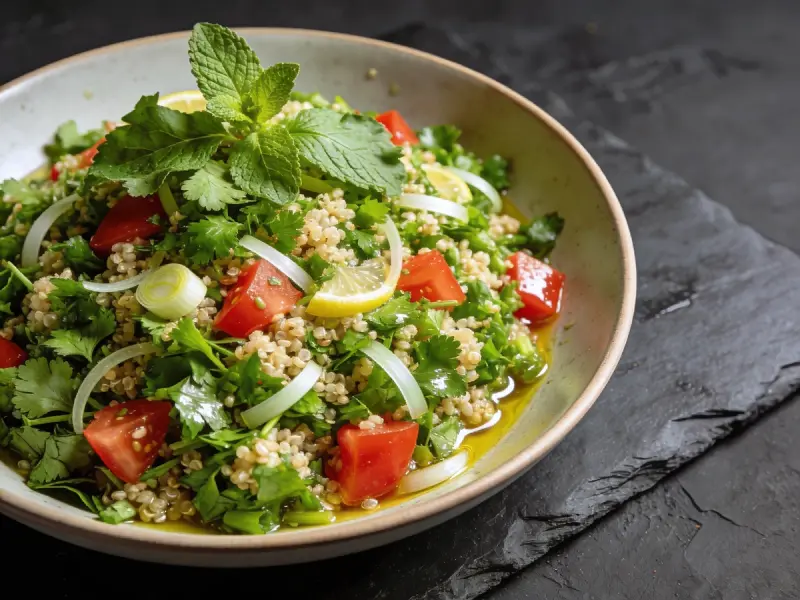
This is the single most common mistake with Lebanese food abroad. Tabbouleh is not a grain salad with herbs. It is a herb salad with a small amount of fine bulgur in it, about four parts chopped parsley to one part bulgur. Done right it is bright green, almost wet with lemon and oil, and you eat it with lettuce leaves or scooped up with bread.
The parsley is cut by hand with a sharp knife, dry, in thin slices rather than a mince. A food processor bruises it into a dark paste, and that is the difference between a tabbouleh that tastes of fresh herbs and one that tastes of lawn. Lebanon takes this seriously enough to have a National Tabbouleh Day, on the first Saturday of July, running since 2001.
Garlic, lemon and a sauce that holds its shape
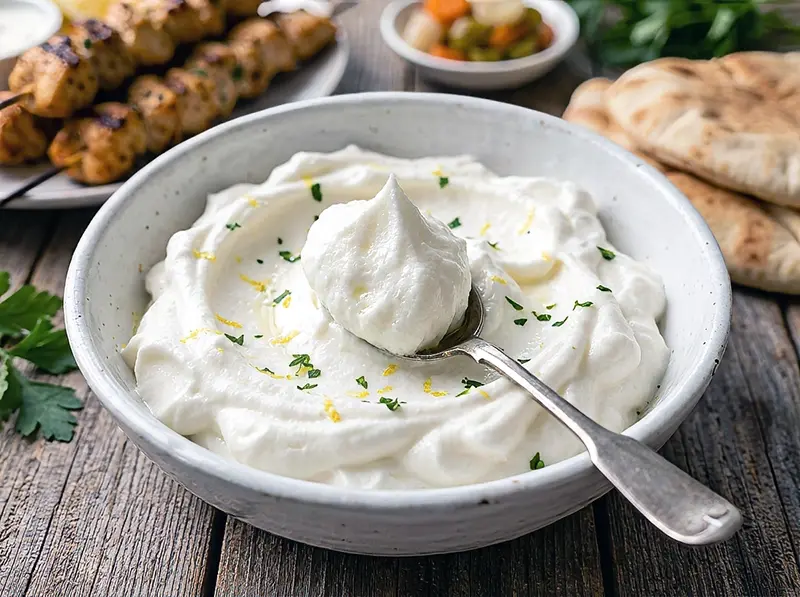
Toum is the sauce that surprises people most. It is garlic, lemon, salt and neutral oil and nothing else, no egg, and yet it whips into something white and stiff enough to stand a spoon in. The method is patience: the oil goes in a thin stream while the machine runs, alternating with lemon juice, and if you pour too fast the emulsion breaks into garlic oil.
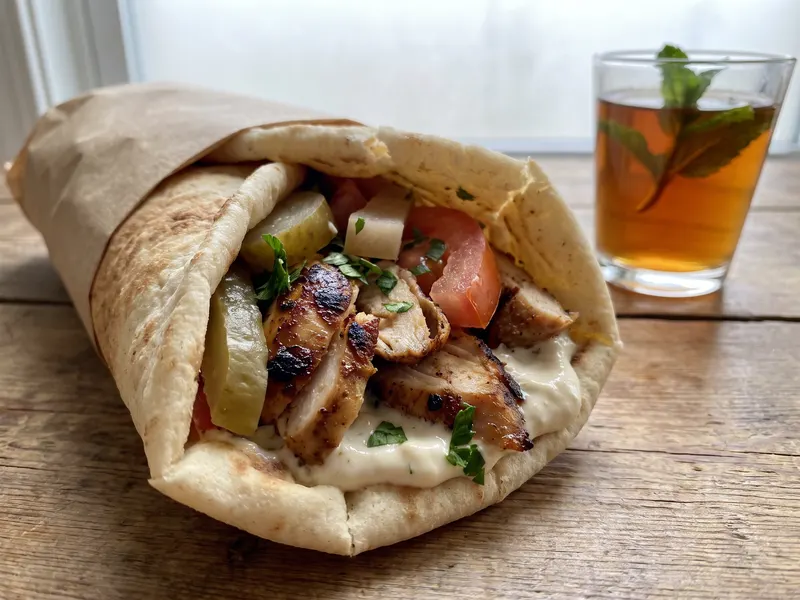
It is strong. A spoonful beside grilled chicken is plenty, and it is the reason chicken shawarma in Lebanon tastes the way it does. Lebanese shawarma shops have a rule that home cooks can borrow: chicken goes with toum and pickles, beef and lamb go with tahini sauce. The tahini one is simpler still, just sesame paste loosened with water, lemon and garlic until it pours.
Grilled meat and seven spices
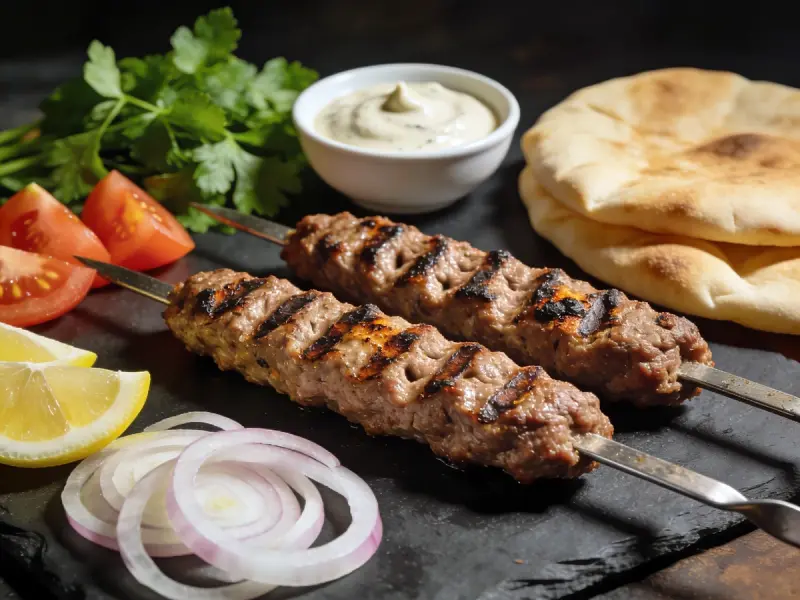
Meat in Lebanese cooking is mostly grilled, and mostly lamb or chicken. Kofta and shish kebab show the two basic forms: minced meat mixed with onion and parsley and pressed onto flat skewers, or cubes of marinated meat threaded whole. Both go over high direct heat and come off the fire while still pink at the centre.
The warmth in Lebanese meat dishes rarely comes from chilli. It comes from sabaa baharat, the seven-spice blend: allspice, black pepper, cinnamon, cloves, nutmeg, coriander and one more that changes from family to family, often fenugreek or ginger. Allspice leads, which is why a Lebanese kebab smells faintly sweet. If you do not have the blend, allspice and a pinch of cinnamon will get you most of the way.
Falafel from dried chickpeas
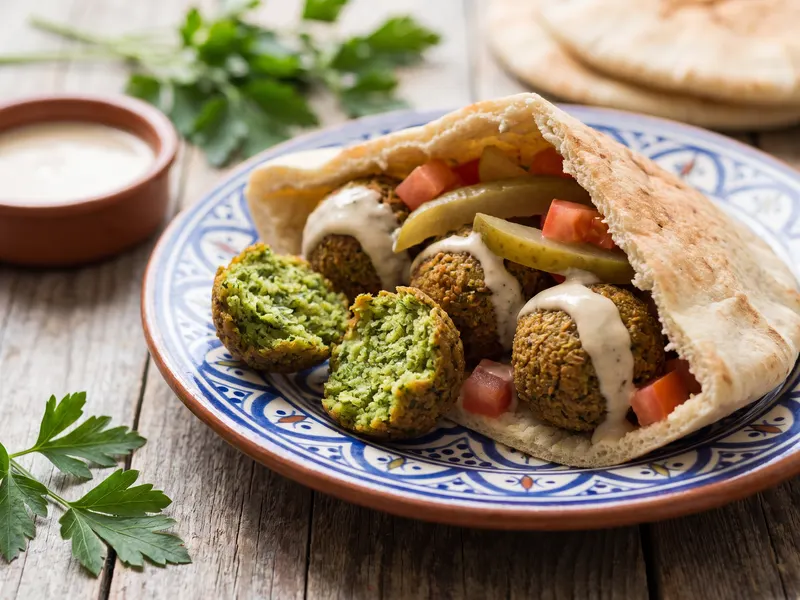
Falafel is the dish where the shortcut ruins everything. It has to start from dried chickpeas soaked overnight, not tinned ones. Cooked chickpeas are too wet, the mix falls apart in the oil, and cooks then add flour to hold it together, which turns the inside to paste. Raw soaked chickpeas ground with onion, parsley, coriander and cumin hold on their own and fry to a crisp shell with a green centre.
In a Lebanese sandwich falafel goes into thin bread with tahini sauce, tomato, parsley, pickled turnips and radish. At home, the same set of things on a plate with warm pita is dinner.
Labneh and the breakfast table
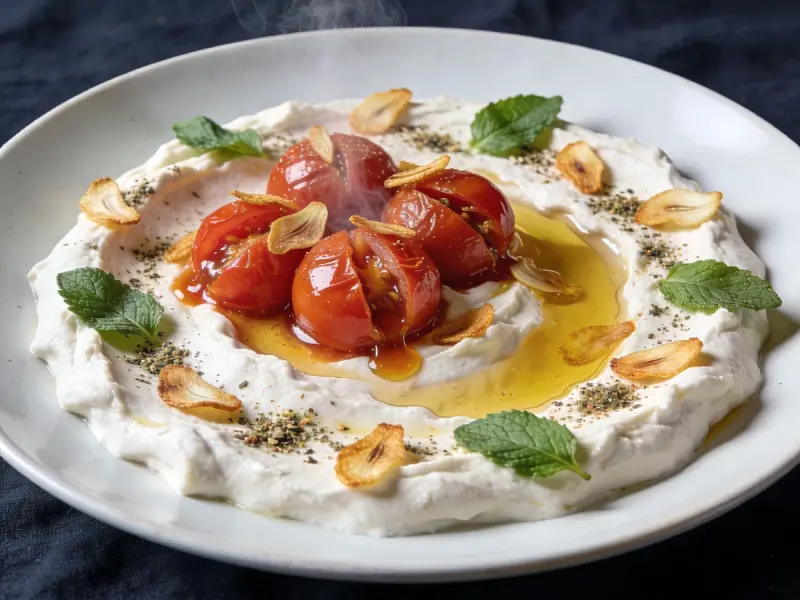
Labneh is yoghurt salted and strained overnight until it is thick enough to spread. On a Lebanese breakfast table it sits in a shallow bowl with a pool of olive oil on top, next to olives, cucumber, tomato, mint and a plate of za'atar, the thyme, sumac and sesame mix. You tear bread, drag it through the labneh, then through the oil, then into the za'atar. Our version pours hot blistered tomatoes over the cold labneh, which is not traditional but follows the same logic of a cold creamy base and a sharp warm topping.
Knafeh, which is also breakfast
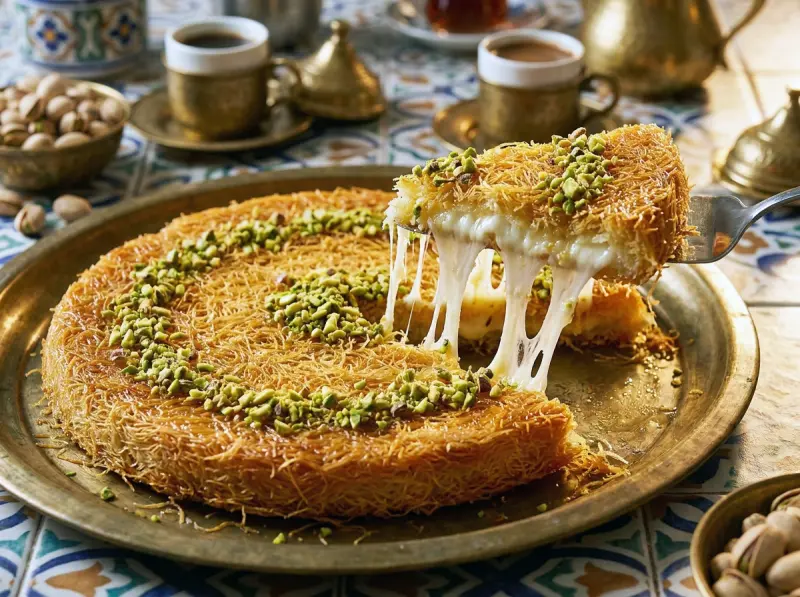
The best-known Lebanese sweet is knafeh: a layer of mild white cheese between shredded pastry, baked until golden and soaked in syrup scented with orange blossom water. It is eaten hot, while the cheese still pulls. In Lebanon it is also eaten in the morning, pushed into a split sesame bread like a sandwich. Salty cheese, crisp pastry and sweet syrup in one bite sounds odd until you try it.
The cheese is the part that is hard to find outside the region. Akkawi is traditional; it is salty, so it is soaked in water first. Mixing it with mozzarella gives the stretch without losing the flavour.
How to put it on the table
Everything arrives at once. Dips go in shallow bowls with a well pressed into the middle with a spoon and olive oil poured into it. Bread is warm and plentiful, and it is the utensil. Raw vegetables go on the side whole or in big pieces: cucumbers, radishes, tomato wedges, a bunch of mint. Grilled meat comes last, if at all, when people have already eaten most of the cold plates.
For a first Lebanese dinner at home, make hummus and toum a day ahead, since both improve in the fridge. On the day, make tabbouleh last, just before serving, because the parsley loses its bite within an hour of meeting the lemon.