Skip to content
GetCookMatch
⌘K
Ingredient

Caster sugar Recipes

16 recipes with caster sugar for weeknights, meal prep, and quick ingredient searches. Choose by time, cuisine, and what is in your kitchen.

16 recipes
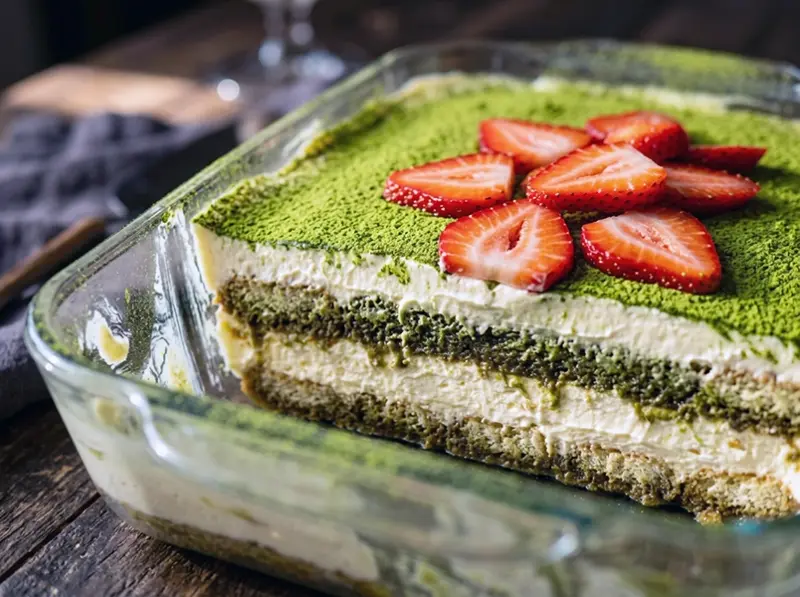
Strawberry Matchamisu with fresh strawberries, mascarpone and matcha powder — Japan recipe
🇯🇵JapanMedium
Sweet Dishes

Strawberry Matchamisu

A no-bake layered dessert that swaps the espresso in tiramisu for a bowl of whisked matcha and replaces the cocoa dusting with more matcha on top. Fresh strawberries go in the cream and between the layers. It sets overnight into something silky and cool with a faint bitterness from the green tea that keeps the sweetness in check. The name is a portmanteau, and the dessert earns it.

30 min315 kcal8 serves
🌿Vegetarian⚡Quick🌾Gluten-free
Pear Clafoutis with pears, eggs and all purpose flour — France recipe
🇫🇷FranceAdvanced
Sweet Dishes

Pear Clafoutis

Clafoutis is a French baked custard that sits somewhere between a flan and a thick pancake. Pears go into the dish raw, the batter gets poured over them, and 45 minutes later you have something that’s set at the edges, just barely wobbly in the center, and smells like a proper French kitchen.

65 min265 kcal6 serves
🌿Vegetarian
Peach Crumble with peaches, all purpose flour and rolled oats — UK recipe
🇬🇧UKMedium
Sweet Dishes

Peach Crumble

Juicy peaches under a rough, buttery oat-and-nut topping that shatters when you push a spoon through it. The filling thickens as it bakes, the crumble goes golden, and the whole thing smells like summer in the oven.

55 min340 kcal6 serves
🌿Vegetarian
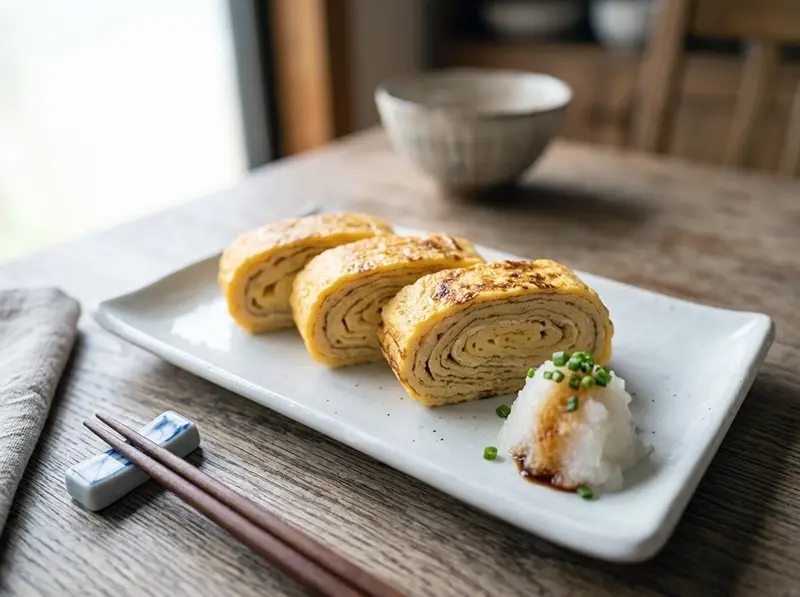
Tamagoyaki (Japanese Rolled Omelette) with eggs, dashi and mirin — Japan recipe
🇯🇵JapanEasy
Breakfast and Brunch

Tamagoyaki (Japanese Rolled Omelette)

A Japanese rolled omelette built in layers: thin sheets of sweetened, dashi-seasoned egg poured into a pan one at a time, each one rolled onto the last while still slightly soft, building up a spiral-layered log that shows the rings when sliced. The flavor is lightly sweet, subtly savory, and distinctly Japanese — nothing like a Western omelette. Tamagoyaki appears at breakfast alongside rice and miso soup, in bento boxes, and as nigiri sushi topping. The technique takes practice but the ingredients are few, the eggs always taste good, and the first imperfect roll is still worth eating.

15 min185 kcal2 serves
🌿Vegetarian⚡Quick
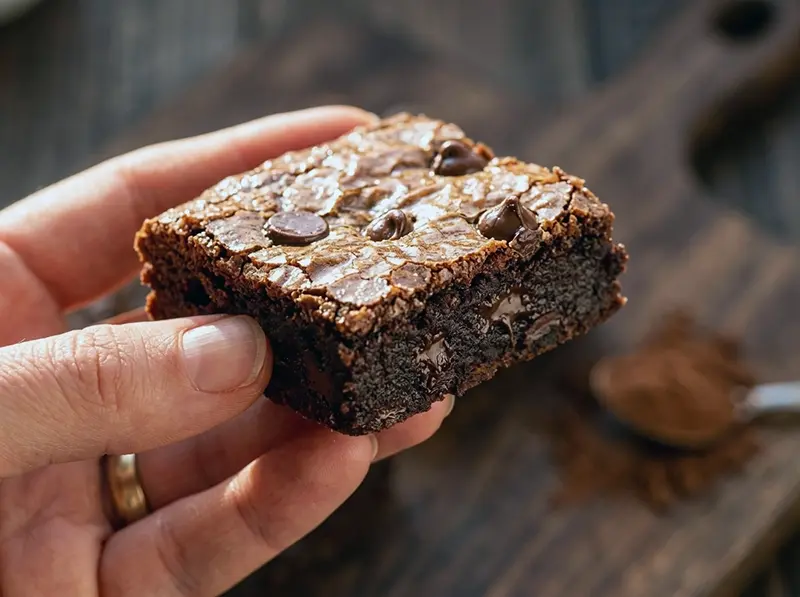
Vegan Brownies with dark chocolate, vegan butter and flaxseed — USA recipe
🇺🇸USAMedium
Sweet Dishes

Vegan Brownies

Fudgy, deeply chocolatey brownies made without eggs or dairy — with a thin, glossy, crackled top and a dense, squidgy center. The technique that makes the difference: dissolving the sugar in the warm chocolate mixture before combining with the dry ingredients. This is what creates the shiny surface. The flax egg binds without adding lift, keeping the texture dense rather than cakey. These are not a compromise version of brownies. They are just brownies.

45 min280 kcal16 serves
🌿Vegetarian🌱Vegan
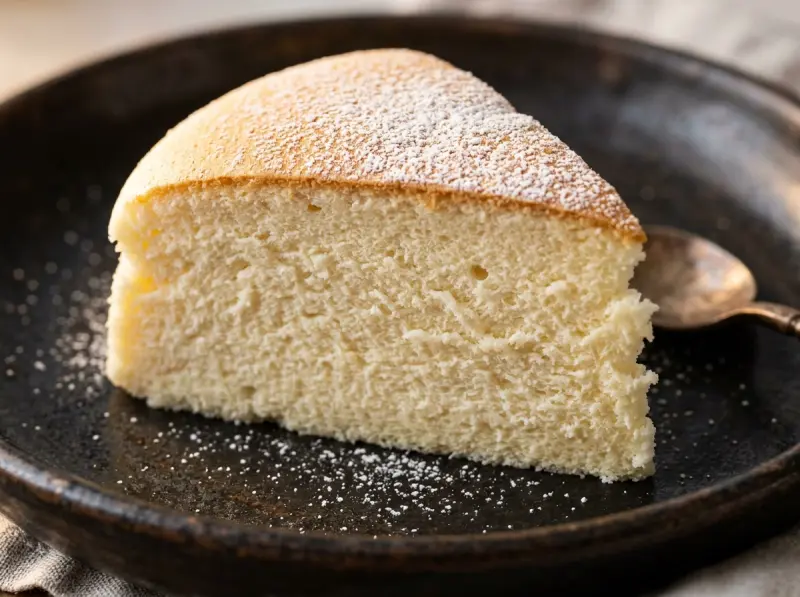
Japanese Cheesecake (Cotton Soufflé Cheesecake) with cream cheese, eggs and caster sugar — Japan recipe
🇯🇵JapanAdvanced
Sweet Dishes

Japanese Cheesecake (Cotton Soufflé Cheesecake)

A cloud-light hybrid of cheesecake and soufflé: cream cheese melted into a smooth batter, egg whites whipped to soft peaks and folded in, baked in a water bath at low temperature. The result jiggles when you shake the tin. Not sweet in the American sense — lightly tangy from cream cheese with a breath of lemon. First created at the Plaza Hotel in Osaka. Best warm from the oven for the jiggle, or chilled overnight when it becomes denser and creamier.

100 min260 kcal8 serves
🌿Vegetarian
Cinnamon Rolls with Cream Cheese Frosting with bread flour, milk and eggs — USA recipe
🇺🇸USAAdvanced
Flour and Confectionery Products

Cinnamon Rolls with Cream Cheese Frosting

Bakery-style cinnamon rolls: a pillowy, enriched dough made with the tangzhong technique — a Japanese method of cooking a small portion of flour and milk into a paste before adding it to the dough — which lets the dough hold far more moisture than normal, so the rolls are still soft the next day instead of going stale by evening. The filling is brown sugar, cinnamon, and butter that melts into gooey caramelized layers during baking. The crowning cream cheese frosting is spread over warm rolls so it partially melts into the swirls. These are the rolls that end arguments about what to bring to brunch.

210 min440 kcal12 serves
🌿Vegetarian
Crêpe Suzette with plain flour, eggs and milk — France recipe
🇫🇷FranceMedium
Sweet Dishes

Crêpe Suzette

Crêpe Suzette is the most theatrical dessert in the French classical repertoire: paper-thin crêpes folded into quarters and bathed in a sauce of caramelized sugar, fresh orange juice, orange zest, and butter, finished with Grand Marnier poured into the pan and set alight at the table. The blue flames burn for 15 to 20 seconds, cooking off the alcohol while leaving the deep orange-liqueur flavor in the sauce. The dish was invented, by accident or by design, in Monte Carlo in 1895 — legend credits Henri Charpentier, a 14-year-old assistant waiter who accidentally ignited the sauce while preparing it for the Prince of Wales. The Prince, enchanted by both the flames and the result, named the dish after Suzette, a young woman at the table. Whether or not the story is true, the dish has remained the definitive French dessert-as-performance for over a century.

60 min380 kcal4 serves
🌿Vegetarian
Brioche with plain flour, eggs and unsalted butter — France recipe
🇫🇷FranceAdvanced
Flour and Confectionery Products

Brioche

Brioche is the defining bread of French viennoiserie — a category that sits between bread and pastry. It is an enriched dough: plain flour combined with a quantity of butter (typically 40 to 50% of the flour weight), eggs, sugar, and a small amount of milk, kneaded until the butter is fully emulsified into the dough structure. The result is a loaf with a paper-thin, deeply burnished mahogany crust that shatters when touched, and an interior crumb that is yellow from egg yolks, feather-soft, and faintly sweet — closer to a very light cake than to bread. The technique demands patience: the butter is added cold and slowly after the dough has already developed gluten strength, and the dough rests overnight in the refrigerator so that the fats firm up and the fermentation develops flavor. Brioche is eaten for breakfast in France spread with jam, used as the base for French toast, bread pudding, and croque monsieur, or sliced and toasted to serve with foie gras.

1440 min340 kcal12 serves
🌿Vegetarian
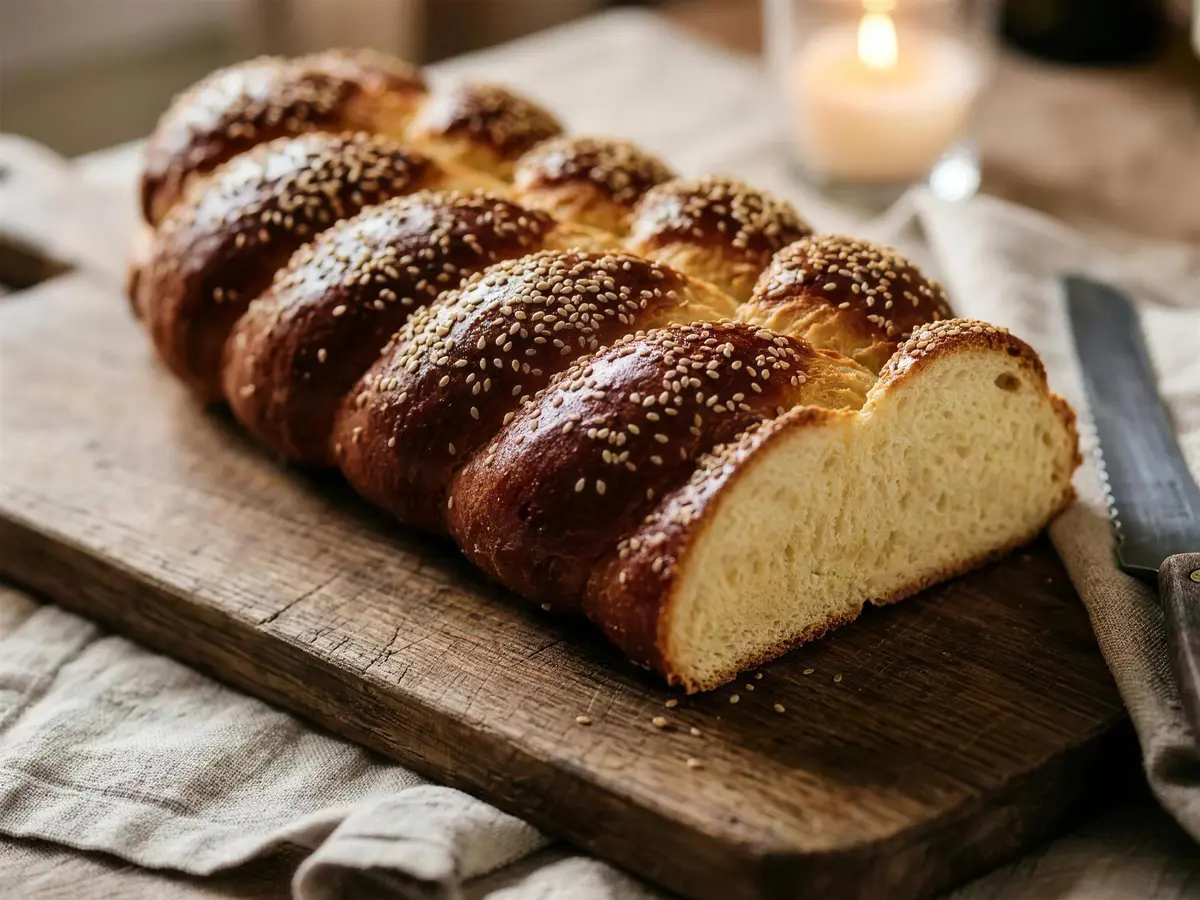
Challah (Braided Jewish Egg Bread) with bread flour, eggs and honey — Israel recipe
🇮🇱IsraelAdvanced
Flour and Confectionery Products

Challah (Braided Jewish Egg Bread)

Challah (חַלָּה, pronounced KHAH-lah, with a throaty kh) is the braided egg bread of Ashkenazi Jewish tradition, made from wheat flour, eggs, oil and a little honey and set on the table every Shabbat and on the major holidays. The word first meant the portion of dough set aside for the priests, and observant bakers still separate a small piece before baking. Yolks colour the crumb a warm yellow, honey gives a mild sweetness, and oil in place of butter keeps the bread pareve — neither meat nor dairy — so it can sit next to any dish on a kosher table. The dough is kneaded, left to rise, then braided from three, four or six strands; for Rosh Hashanah, the Jewish New Year, it is coiled into a round loaf with no beginning and no end. Egg wash goes on before baking and again halfway through, and the crust comes out a deep, glossy brown. From flour to baked loaf it takes 3.5 to 4 hours, of which about 70 minutes are work and oven; the rest is the two rises.

210 min290 kcal12 serves
🌿Vegetarian
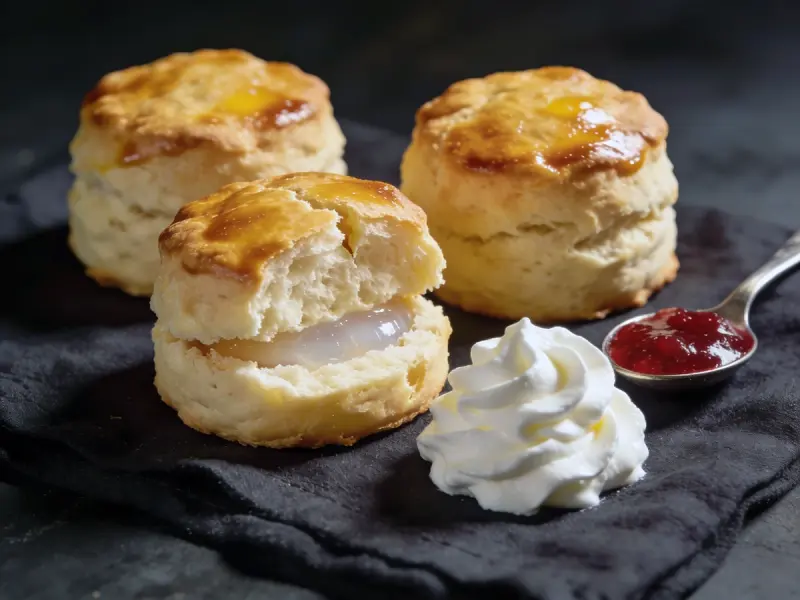
Scones (British Buttermilk Scones) with plain flour, baking powder and cold butter — UK recipe
🇬🇧UKMedium
Flour and Confectionery Products

Scones (British Buttermilk Scones)

Scones are a British quick bread made from flour, cold butter, buttermilk and a little sugar, served warm, split and spread with clotted cream and jam as the centre of a cream tea. The word scone was written down in Scotland in 1513, the baking-powder scone appeared only after 1843, and today scones are associated with Devon and Cornwall in the south-west of England. They are a quick bread (leavened by baking powder and bicarbonate of soda rather than yeast) made from flour, cold butter, buttermilk, and a little sugar. The defining technique is the same as pastry-making: very cold butter worked into flour until it resembles breadcrumbs, combined with cold liquid to just bring the dough together — never kneaded. The cold butter pockets in the dough hit the hot oven and release steam, creating the characteristic slight flakiness and the dramatic rise that splits the scone naturally along the middle — the 'waist' — making it easy to break open by hand without a knife. The recipe makes six tall scones. The butter spends 10 minutes in the freezer and the cut scones 15 minutes in the fridge; neither is counted in the time.

35 min360 kcal6 serves
🌿Vegetarian
Hot Cross Buns with bread flour, yeast and butter — UK recipe
🇬🇧UKAdvanced
Flour and Confectionery Products

Hot Cross Buns

Hot cross buns go back to 14th-century England — a monk at St Albans Abbey made spiced, fruit-studded sweet buns with a cross cut into the top and gave them to the poor on Good Friday. The cross meant something then. Now they mean spring, and they still smell extraordinary coming out of the oven. The dough is enriched with butter, eggs, and warm milk; spiced with cinnamon, allspice, and nutmeg; and loaded with plumped currants and orange zest. The cross is piped on with a simple flour paste before baking, then the finished buns get a sticky apricot glaze and an icing cross on top. Eat them warm, split and buttered, with tea.

180 min285 kcal12 serves
🌿Vegetarian
Ingredients

Goes well with

Other ingredients that appear most often alongside caster sugar across the archive. Pick one to drill deeper.