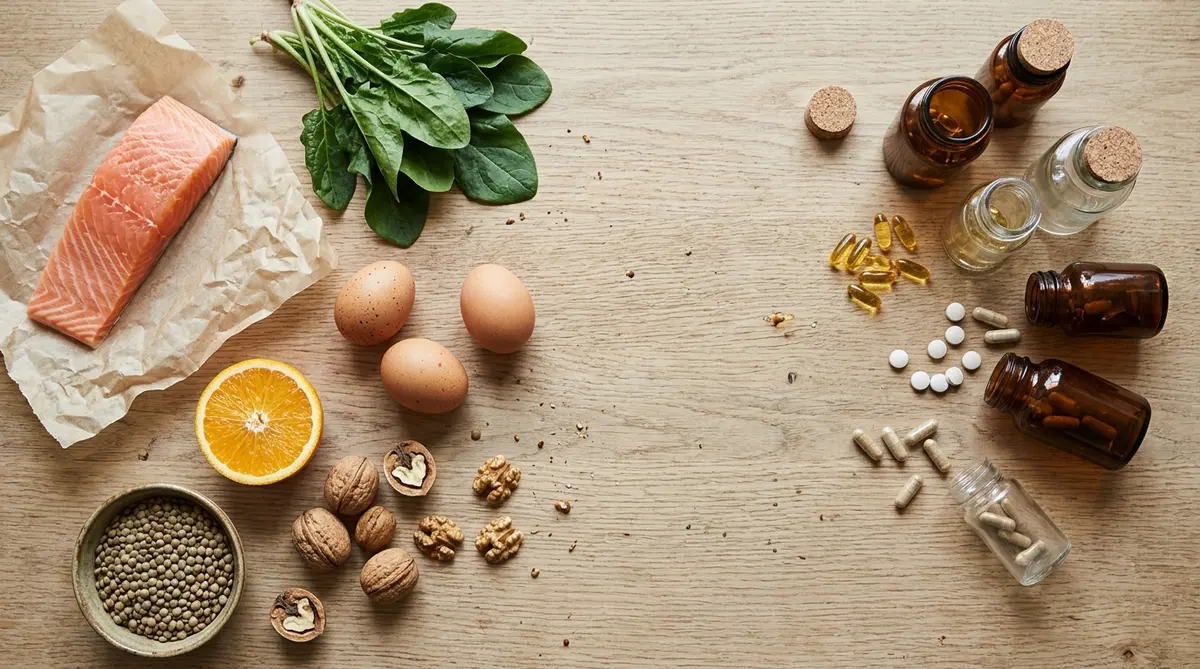



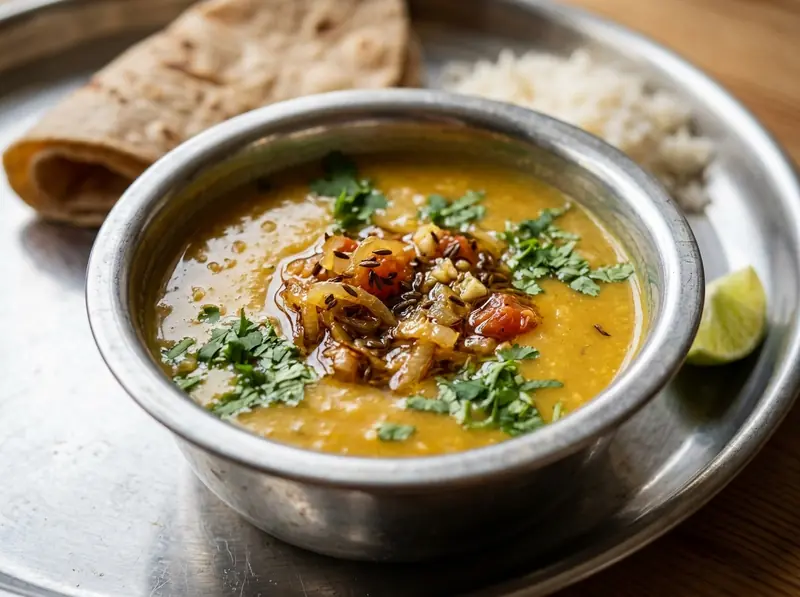
A dietary supplement is something you take on top of your food to add a nutrient or another substance: a single vitamin or mineral, a multivitamin (there is no legal definition; surveys usually count products with three or more vitamins and at least one mineral), fish oil, live bacteria, protein powder, creatine or a plant extract such as ashwagandha. Where the line between supplement and medicine falls depends on the country: melatonin is a dietary supplement in the US and a prescription drug in some other countries. Below we grade 20 popular supplements against the strongest evidence we could find, from Cochrane reviews, the US Preventive Services Task Force (USPSTF), the WHO and the NIH, with a summary table, the numbers for each supplement, the points where authorities disagree, what a label claim means, and the EU and US upper limits.
How do you read supplement evidence grades?
The same capsule can be well supported for one group and useless for another. Vitamin D with calcium earns a B for older people in care homes and vitamin D a D for cancer prevention, so every supplement gets one grade per group. The grades are ours, set by the rules below; they are not quotes from the sources. Where a source has its own rating, such as a USPSTF grade or a Cochrane certainty level, we name it too.
How are supplements graded for evidence?
| Grade | What it takes |
|---|---|
| A | Strong evidence of benefit for the named group: a USPSTF grade A or B, a Cochrane review with high or moderate certainty and a clinically meaningful effect, or a WHO recommendation that systematic reviews do not contradict. |
| B | Moderate evidence: a Cochrane review with moderate certainty and a small effect; high certainty but a narrow group or a small absolute effect; a position of a professional society based on randomized trials; a WHO recommendation where reviews are of low or moderate certainty, or where the USPSTF says evidence is insufficient (I). Also a WHO or National Eye Institute recommendation backed by at least a moderate-certainty review or a large trial with a clinical outcome, and a direct NIH statement that a supplement substantially lowers the risk of deficiency in a group with no natural food source (B12 for vegans). |
| C | Weak or conflicting evidence: low or very low certainty in Cochrane terms, a USPSTF I statement, an organization's recommendation contradicted by a high-certainty review that found no effect, a recommendation from an organization other than the WHO when a certainty-rated review finds low certainty or too few trials, a claim rejected by the EU as "not substantiated", or no sources of the classes we use at all. |
| D | No benefit, absence of benefit shown, or harm outweighing benefit: a USPSTF grade D, a high- or moderate-certainty Cochrane review with no effect, or a direct recommendation against use in the group from a professional body. |
| n/a | Not graded: correcting a confirmed deficiency or treating a disease, decided by a doctor on test results. |
Source: GetCookMatch editorial scale, applied to the reviews and guidelines cited in each section.
When sources disagree, a high- or moderate-certainty Cochrane review that found no effect outweighs a USPSTF I statement. An NIH fact sheet on its own gives at most a C, in either direction, because without a review that rates certainty we award neither an A nor a D. Two older Cochrane reviews (2002 and 2013) carry no certainty rating, so we judged them by size and precision: a null result with a narrow confidence interval in more than 10,000 people is a D, and a visible effect is at most a B. If an organization other than the WHO, such as the AAP or the American Thyroid Association, recommends a supplement and the only certainty-rated review behind it is low certainty or found too few trials, that is a C. A professional society's position based on randomized trials, with no certainty-rated review either way, is a B.
A C is not a verdict of uselessness, and it is not advice to stop something your doctor told you to take. Vitamin D for breastfed babies (recommended by the AAP) and iodine in pregnancy (recommended by the ATA) both get a C here because the trials behind them are thin. The grade is not a reason to skip them. For collagen, psyllium and ashwagandha we found no Cochrane, USPSTF or WHO review at all, so their C means missing or thin data.
Which supplements actually work?
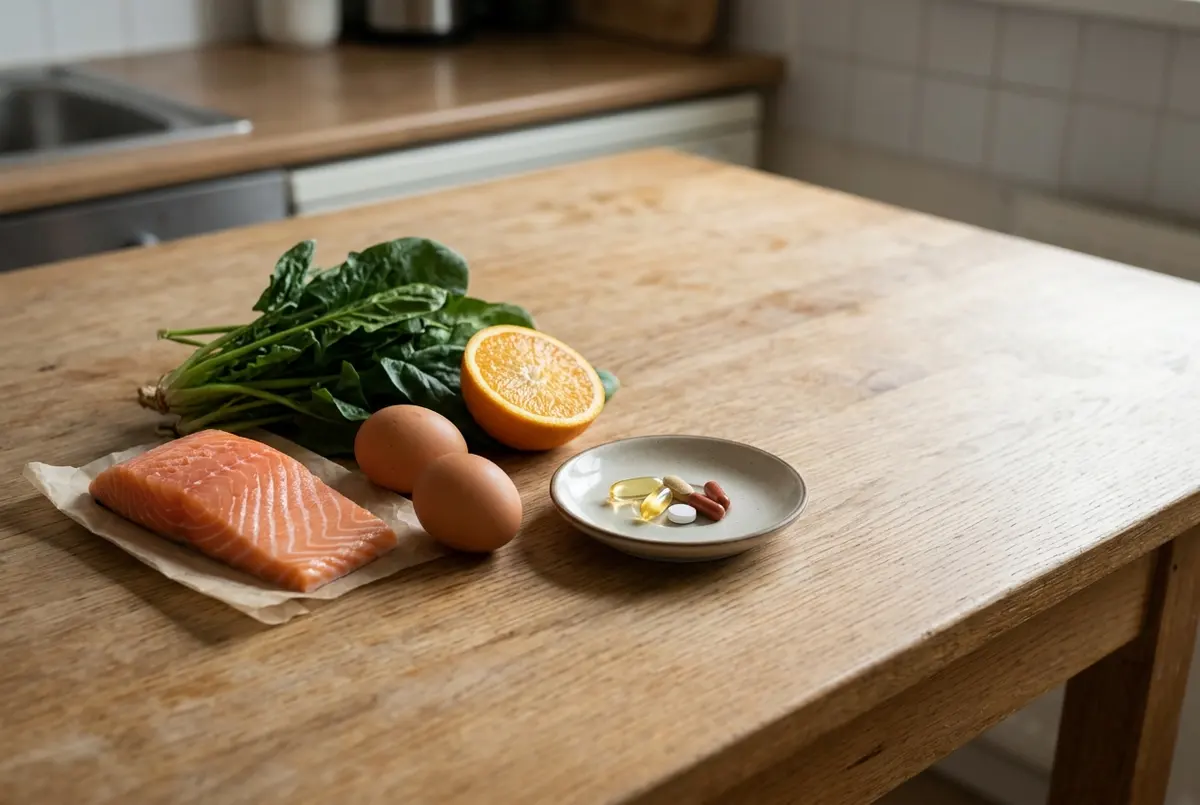
Four uses reach an A. Three are tied to pregnancy: folic acid before conception (USPSTF grade A) and during pregnancy (WHO, taken with iron), and omega-3 fats against preterm birth (high-quality Cochrane evidence). The fourth is probiotics for children on antibiotics, where a moderate-certainty Cochrane review found one case of diarrhea prevented for every 9 children treated. Most B grades are for narrow groups: B12 for vegans, vitamin D with calcium in care homes, the AREDS formula for eye disease, magnesium for migraine, melatonin for flights east and for delayed sleep phase disorder, creatine for sprinting and lifting. For a healthy adult taking pills "just in case", the table is mostly C and D.
| Supplement | For whom | Grade | Key point |
|---|---|---|---|
| Vitamin D | Older people in care homes, with calcium, to prevent hip fracture | B | High certainty, but small outside care homes: 1 fewer hip fracture per 1,000 people a year in the general population, 9 fewer per 1,000 in care homes |
| Vitamin D | Breastfed infants, 400 IU (10 µg) a day | C | Raises blood 25(OH)D and cuts insufficiency (RR 0.57), but too little data on rickets and bone; the AAP recommends 400 IU for all breastfed infants |
| Vitamin D | Adults 60+ and postmenopausal women without osteoporosis or deficiency, to prevent fractures and falls | D | 2024 USPSTF draft, 19 trials: hip fracture RR 0.99, falls RR 0.99; not finalized as of October 2026 |
| Vitamin D | Cancer prevention in adults | D | Cancer in 7.6% vs 7.7% (18 trials, 50,623 people) |
| Vitamin D | Heart disease, depression, type 2 diabetes, weight loss | C | NIH: trials did not show a lower risk of cardiovascular disease, even in people with low vitamin D status |
| Vitamin D | Death from any cause in older people | C | Two reviews disagree: a small significant drop in Cochrane, no significant effect in the USPSTF draft |
| Vitamin D | People at risk of deficiency (little sun, dark skin, malabsorption, obesity, bariatric surgery, older age) | n/a | Dose decided on a 25(OH)D test with a doctor |
| Vitamin B12 | Vegans and strict vegetarians; children of vegan mothers | B | B12 occurs naturally only in animal foods; supplements or fortified foods substantially reduce the risk of deficiency |
| Vitamin B12 | Older people, after gut surgery, with celiac disease, on metformin or proton pump inhibitors | n/a | Absorption from food is impaired; decided on tests |
| Vitamin B12 | Pregnant women in low- and middle-income countries | C | Fewer mothers with deficiency (25.9% vs 67.9%), effect on pregnancy and baby unknown |
| Vitamin B12 | Heart disease, memory, "energy" and endurance without deficiency | C | No benefit seen in trials |
| Folic acid | Anyone planning or able to become pregnant, 400–800 µg a day | A | Prevents neural tube defects; USPSTF grade A |
| Folic acid | Pregnant women, 400 µg with iron | A | WHO: start as early as possible, ideally before conception |
| Folic acid | Women with a previous pregnancy affected by a neural tube defect | n/a | Dose above the upper limit, only under a doctor's supervision |
| Folic acid | Heart disease prevention in adults | C | No effect on heart attack or cardiovascular death; fewer strokes, mainly where food is not fortified |
| Iron | Pregnant women, 30–60 mg iron plus 400 µg folic acid daily | B | Iron compared with no iron: less anemia in the mother, probably fewer low-birthweight babies (RR 0.84); WHO recommends, USPSTF finds the evidence insufficient |
| Iron | Menstruating women where anemia affects 20% or more | B | WHO recommendation for intermittent iron with folic acid |
| Iron | Frequent blood donors; women with heavy periods | n/a | Decided on ferritin and hemoglobin |
| Iron | Adults without deficiency, "for energy" | C | No data on benefit, real risks |
| Omega-3 (fish oil) | Pregnant women, to prevent preterm birth | A | Birth before 37 weeks: 11.9% vs 13.4%; before 34 weeks: 2.7% vs 4.6% |
| Omega-3 (fish oil) | High triglycerides | B | Lowers a marker, not an outcome |
| Omega-3 (fish oil) | Preventing heart attack, stroke and death | D | Little or no effect on death and cardiovascular events, high certainty |
| Omega-3 (fish oil) | Major depression in adults | C | Small effect, below the threshold of clinical relevance, probably overstated |
| Magnesium | Night leg cramps in older people | D | No difference, moderate- to high-certainty evidence |
| Magnesium | Leg cramps in pregnancy | C | Three trials, three different results |
| Magnesium | Migraine prevention | B | AAN and AHS: "probably effective"; three of four small trials showed fewer attacks at up to 600 mg, above the upper limit, so only with a doctor |
| Magnesium | High blood pressure | C | NIH: lowers blood pressure only marginally |
| Magnesium | Type 2 diabetes control | C | Few small trials with mixed results |
| Magnesium | Gut disease, type 2 diabetes, alcohol dependence, older age, long-term PPIs or diuretics | n/a | Decided on tests with a doctor |
| Calcium | Older people in care homes, with vitamin D | B | 9 fewer hip fractures per 1,000 a year in care homes, 1 fewer at home |
| Calcium | Postmenopausal women at home, ≤1,000 mg with ≤400 IU vitamin D | D | No benefit at low doses (USPSTF D) |
| Calcium | Pregnant women with low calcium intake, 1.5–2.0 g a day against preeclampsia | C | WHO recommends; the 2025 Cochrane update found no difference in the large trials |
| Calcium | Cancer prevention | C | No effect in the Women's Health Initiative or a trial of 2,303 women |
| Zinc | Adults with a starting cold, zinc (lozenges, syrups and other forms) | C | Possibly about 2 days shorter, with very inconsistent trials and more side effects |
| Zinc | Preventing colds | C | Little or no reduction, low certainty |
| Zinc | High risk of late age-related macular degeneration, AREDS formula | B | 25% less progression; dose above the upper limit, only on an eye doctor's advice |
| Zinc | Children with acute diarrhea in low-income countries | B | WHO and UNICEF recommend; effect may be marginal in well-fed children |
| Zinc | Vegetarians and vegans; inflammatory bowel disease; after bariatric surgery | n/a | Phytates in legumes and whole grains reduce absorption |
| Vitamin C | People under short, extreme physical stress (marathon runners, skiers, soldiers in subarctic conditions) | B | Half the risk of a cold, in a small, narrow sample |
| Vitamin C | General population, regular use to prevent colds | D | No change in risk (10,708 people); routine use "not justified" |
| Vitamin C | General population, shorter colds with regular use | C | Only if taken daily before the cold; starting at the first symptoms showed no consistent effect |
| Vitamin C | Smokers, monotonous diets, malabsorption | n/a | Smokers need 35 mg more a day, reachable with food |
| Vitamin C | Heart disease and cancer prevention | C | No benefit in trials, no certainty-rated review on these outcomes |
| Multivitamins | Pregnant women in low- and middle-income countries, instead of iron and folic acid alone | B | Fewer low-birthweight babies; no effect on deaths; WHO recommends them only within rigorous research |
| Multivitamins | Heart disease and cancer prevention in healthy adults | C | Mixed trial results; USPSTF I |
| Multivitamins | Memory and thinking in older people | C | Three COSMOS sub-studies saw improvement, an 11-year trial did not |
| Iodine | Pregnant and breastfeeding women where under 20% of households get iodized salt | B | Narrow WHO recommendation for deficient regions; salt iodization comes first |
| Iodine | Pregnant, breastfeeding and planning women, 150 µg a day | C | Recommended by thyroid and pediatric associations; Cochrane found too few trials |
| Iodine | Children in deficient regions | B | Small but reliable effect on cognitive function |
| Iodine | Vegans and people who eat no dairy, seafood or eggs and no iodized salt | n/a | Iodized salt is the simplest fix |
| Probiotics | Children on antibiotics, high doses (≥5 billion CFU a day, LGG or S. boulardii) | A | Diarrhea in 8% vs 19% across all doses (one case prevented per 9 children); 8% vs 23% at high doses |
| Probiotics | Adults and children on antibiotics, not immunocompromised, against diarrhea and C. difficile | C | Small absolute gain: C. difficile diarrhea 1.6% vs 3.2% |
| Probiotics | Irritable bowel syndrome | C | 21% lower risk of persistent symptoms; best strain and dose unknown |
| Probiotics | Healthy people, "for gut flora" and immunity | C | No formal recommendations; no EU claim for healthy people allowed |
| Probiotics | Premature babies | n/a | Only in hospital, on a neonatologist's decision |
| Protein (whey) | People doing strength training who fall short on protein from food | B | 1.4–2.0 g per kg a day is enough for most; powder is convenient, not required |
| Protein (whey) | People who don't train and already eat the recommended protein | C | No evidence of benefit |
| Creatine | Adults doing repeated short, intense efforts (sprinting, weightlifting) | B | Many trials; EU claim allowed at 3 g a day |
| Creatine | Adults 55+ doing regular strength training | B | Only together with the training |
| Creatine | Endurance sports | C | Long aerobic work does not depend on the system creatine feeds |
| Collagen | Joint health in active people | C | No systematic review found; all EU claims rejected |
| Collagen | Skin firmness and elasticity | C | No review found; claims rejected |
| Curcumin (turmeric) | Knee osteoarthritis, pain and stiffness | C | Early positive analyses, EU claim rejected |
| Curcumin (turmeric) | Keeping ulcerative colitis in remission, with standard drugs | C | One trial of 89 patients, not significant |
| Curcumin (turmeric) | Other claims (fatty liver, cholesterol, depression) | C | Not enough data |
| Melatonin | Adults flying across 5 or more time zones, especially eastward | B | Worked in 9 of 10 trials |
| Melatonin | Delayed sleep phase disorder | B | Weak AASM recommendation; about 22 minutes faster to fall asleep in a small review, and in one trial with a fixed bedtime, asleep about 34 minutes earlier |
| Melatonin | Chronic insomnia in adults | C | EU allows a sleep-onset claim; US sleep guidelines do not recommend it |
| Melatonin | Children with sleep problems (autism, ADHD) | n/a | With a doctor; long-term safety not studied |
| Melatonin | People with dementia | D | Recommendation against |
| Psyllium | Lowering LDL cholesterol | C | Shown for viscous fibers as a group, not psyllium on its own |
| Psyllium | Constipation | C | Data exist for fiber in the diet, not for psyllium supplements |
| Selenium | Cancer prevention | D | No change in cancer, high certainty; more hair loss and skin problems |
| Selenium | Selenium-poor soil regions, hemodialysis | n/a | Intake in North America is well above the recommendation |
| Ashwagandha | Adults with stress and anxiety | C | Small, short trials with different extracts |
| Ashwagandha | Sleep problems, especially insomnia | C | Small effect; all trials in India |
| Ashwagandha | Pregnancy and breastfeeding; thyroid or liver disease; hormone-sensitive prostate cancer | D | Experts advise against it; Denmark banned it in 2023 |
Source: grades by GetCookMatch from Cochrane reviews, USPSTF, WHO eLENA, NIH Office of Dietary Supplements and NCCIH, EFSA and the EU Register of health claims; details and links in the sections below.
Do you need vitamin D supplements?
Vitamin D helps the gut absorb calcium. The US recommended amount is 15 µg (600 IU) a day to age 70 and 20 µg (800 IU) after; 1 µg is 40 IU. A 2014 Cochrane review found vitamin D with calcium lowered hip fractures (RR 0.84, 9 trials, 49,853 people, high-quality evidence), while vitamin D alone did not (RR 1.12). That is about 9 fewer hip fractures per 1,000 people a year in care homes and 1 fewer in the general population, hence a B.
For people over 60 living at home without osteoporosis, a December 2024 USPSTF draft based on 19 trials found no effect on hip fracture (RR 0.99) or falls (RR 0.99) at any dose, slightly more kidney stones, and proposed a D. As of 24 October 2026 it is still a draft; the final 2018 recommendation gives a D to 400 IU or less with 1,000 mg or less of calcium in postmenopausal women and an I to higher doses. Cancer prevention is a D: cancer in 7.6% with vitamin D and 7.7% without (18 trials, 50,623 people, moderate quality). The NIH says trials did not lower cardiovascular risk "even among people with low 25(OH)D status", with similar results for depression and diabetes. On mortality the reviews split: Cochrane found a small drop with D3 (RR 0.94, 0.91–0.98), the USPSTF draft none (RR 0.96, 0.91–1.02). For breastfed babies the AAP recommends 400 IU a day, but Cochrane rates the evidence on rickets as insufficient, so the grade is a C. That grade describes the trials. It is not a reason to skip the vitamin D your pediatrician recommends.
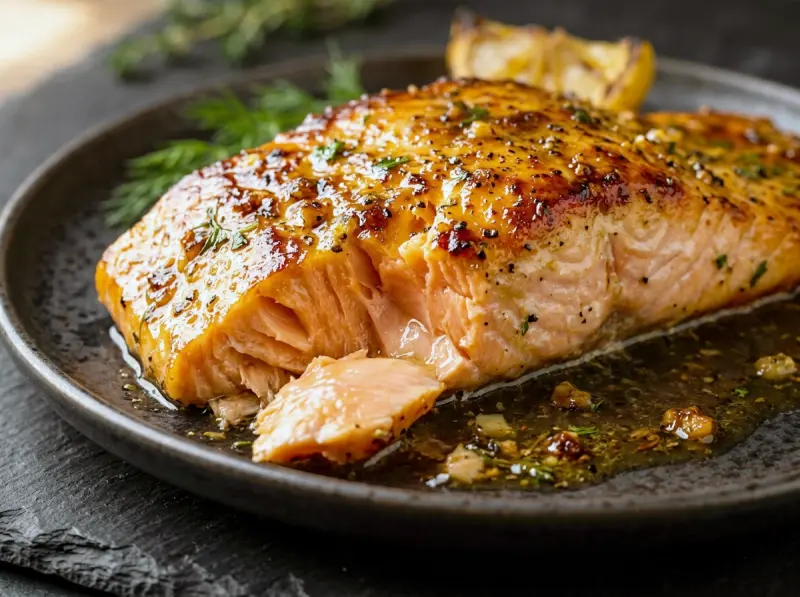
Too much vitamin D raises blood calcium (nausea, thirst, kidney stones) and almost always comes from supplements, not the sun. Thiazide diuretics with vitamin D can push calcium too high, and high doses may weaken some statins. People with little sun, dark skin, obesity or malabsorption should ask a doctor whether a blood test is needed before choosing a dose. Farmed Atlantic salmon has 13.1 µg per 100 g and UV-exposed portobello mushrooms 28.4 µg; try grilled salmon or baked salmon, and see our guide to healthy foods for full lists.
Who needs vitamin B12 supplements?
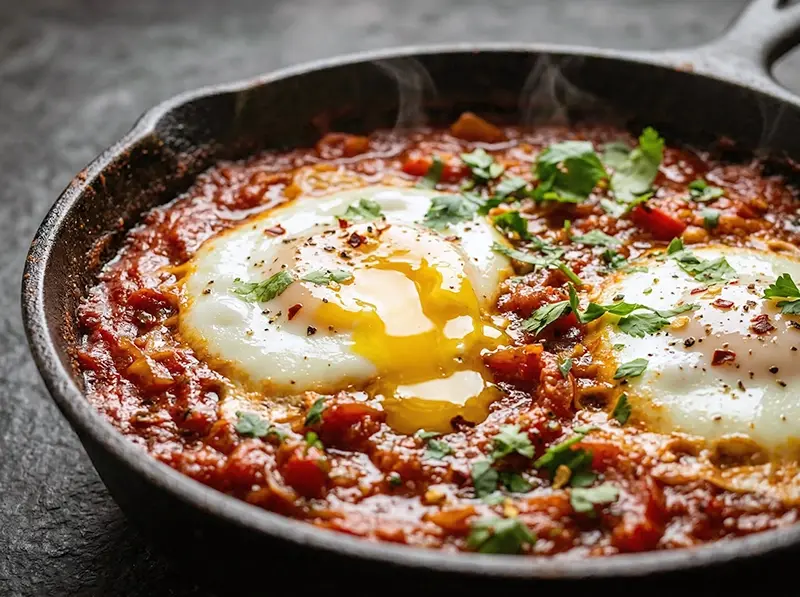
B12 is needed for red blood cells and nerves and occurs naturally only in animal foods. That is why vegans get a B: the NIH says fortified foods and supplements "can substantially reduce the risk of deficiency", and untreated deficiency in babies of vegan mothers causes neurological damage. Absorption from food is impaired with atrophic gastritis, which affects 8–9% of people over 65, after gut surgery, and with metformin or proton pump inhibitors; for them the dose follows a test. For heart health, memory or stamina with normal B12, trials found nothing. No upper limit is set in the EU or US. Clams, liver and herring are the richest foods; our Greek yogurt parfait and shakshuka also bring some.
Why is folic acid recommended before pregnancy?
Folic acid is the synthetic form of folate (vitamin B9). The neural tube closes 21 to 28 days after conception, often before a woman knows she is pregnant. The USPSTF gives grade A to 400–800 µg a day for anyone planning or able to become pregnant, and a 2015 Cochrane review found it cut neural tube defects by more than two thirds (RR 0.31, 6,708 births, high quality). Women with a previous affected pregnancy are usually advised 4,000–5,000 µg, above the upper limit, so only with a doctor. For the heart it does not change heart attacks, though it lowered strokes in some trials; the USPSTF gives an I, so a C here.
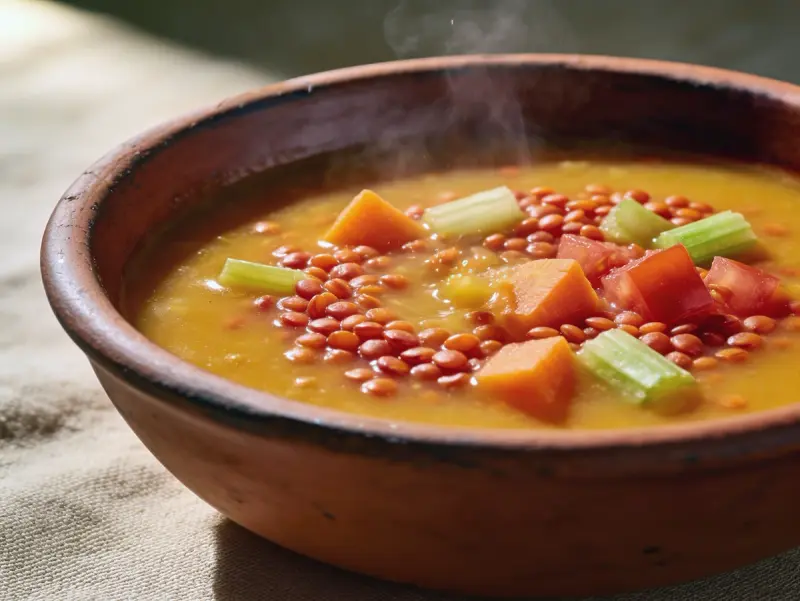
The EU and US upper limit, 1,000 µg a day, covers only folic acid from supplements and fortified foods. High doses can hide the anemia of B12 deficiency while nerve damage goes on, and folate interacts with methotrexate and some epilepsy drugs. Edamame has 311 µg per 100 g; lentil vegetable soup is a good everyday source, though not a substitute for the supplement before pregnancy.
Does vitamin C prevent colds?
Not for most people. A 2013 Cochrane review of 10,708 people found regular vitamin C did not change the risk of a cold (RR 0.97), and the authors called routine use "not justified": a D. People under short, extreme physical stress, such as marathon runners and soldiers in subarctic conditions, halved their risk (RR 0.48, 598 people), a B for a narrow group. Taken daily before a cold, it made colds 8% shorter in adults and 14% in children; started at the first symptoms, it showed no consistent effect. EFSA sets no upper limit, the NIH 2,000 mg. High doses cause diarrhea, may add to kidney stones in people with kidney disease, and raise iron absorption, which matters in hemochromatosis. Raw sweet red pepper has 127.7 mg per 100 g and broccoli 89.2 mg: try chicken and broccoli stir-fry or muhammara.
Are multivitamins worth it?
For healthy adults the USPSTF gives an I for heart disease and cancer. In the Physicians' Health Study II (14,641 men, 11.2 years) cancer fell by 8% with no effect on the heart; in COSMOS (21,442 people) there was no effect on either, and a meta-analysis of 9 trials found no effect on cardiovascular disease or death. That is a C. In low- and middle-income countries, multiple micronutrients in pregnancy meant fewer low-birthweight babies than iron and folic acid alone (RR 0.88, high quality), a B. Among users, 10–15% get too much vitamin A, iron or zinc. Smokers and former smokers should avoid high-dose beta-carotene and vitamin A, which raised lung cancer in two trials, and people on warfarin should ask before taking products with vitamin K.
Should you take iron supplements?
In pregnancy the WHO recommends 30–60 mg of iron with 400 µg of folic acid daily. A 2024 Cochrane review of 57 trials found that, compared with no iron, iron supplements cut anemia in the mother from 7.4% to 4.0% (low certainty) and probably made low-birthweight babies slightly less common (RR 0.84). In trials of iron with folic acid against placebo or no supplement, anemia at term fell from 25.5% to 12.1% (moderate certainty), with no clear difference in low birthweight. The USPSTF found the evidence insufficient (I), so it is a B. The WHO also recommends intermittent iron for menstruating women where anemia affects 20% or more of the population. For adults with normal iron taking it "for energy" we found no evidence of benefit, only risks.
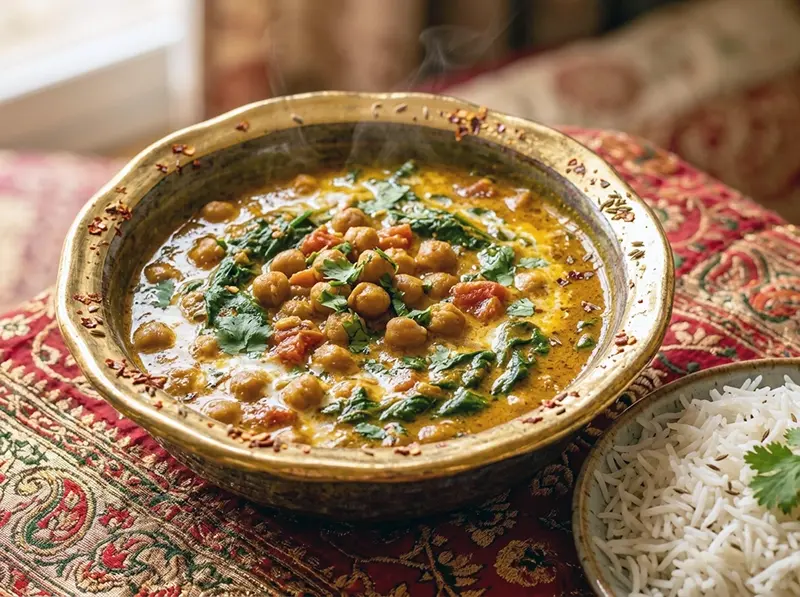
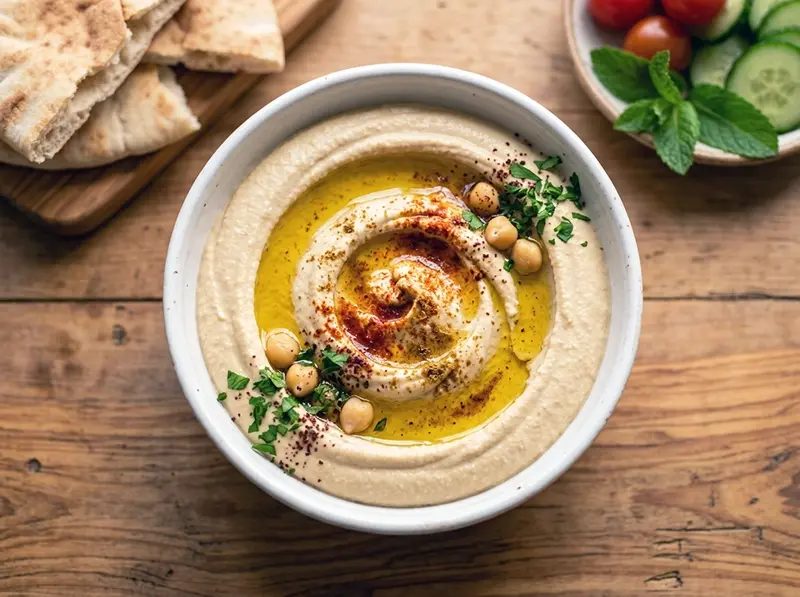
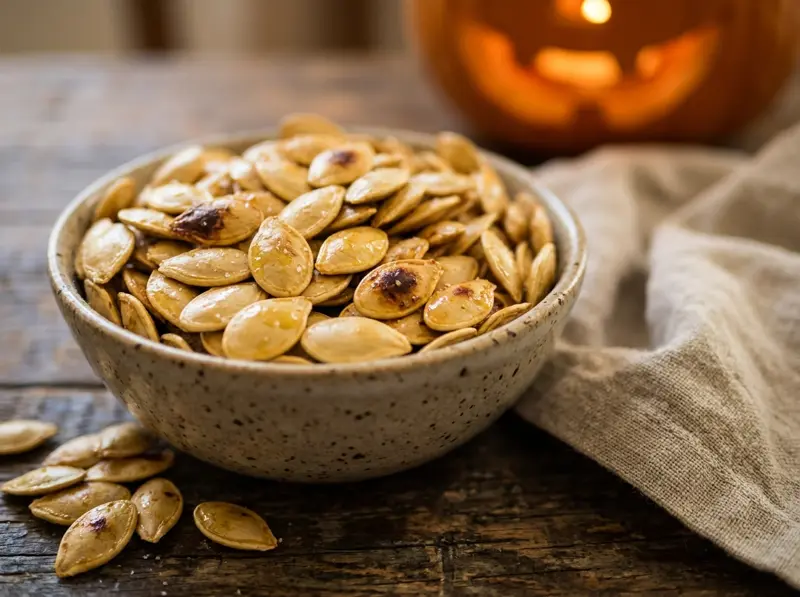
Iron is the clearest example of a supplement that harms: in the US at least 43 children died from iron supplements between 1983 and 2000. That is why the FDA requires iron tablets and capsules to carry a warning to keep them out of children's reach. EFSA sets only a safe level of 40 mg a day, the NIH an upper limit of 45 mg. Stomach upset is common, iron should be taken 4 hours apart from levothyroxine, and people with hemochromatosis risk overload. Pumpkin seed kernels have 8.82 mg per 100 g (more in our healthy foods guide). Vitamin C helps plant iron: our chickpea and spinach curry pairs it with tomatoes and hummus with lemon.
Do calcium supplements prevent fractures?
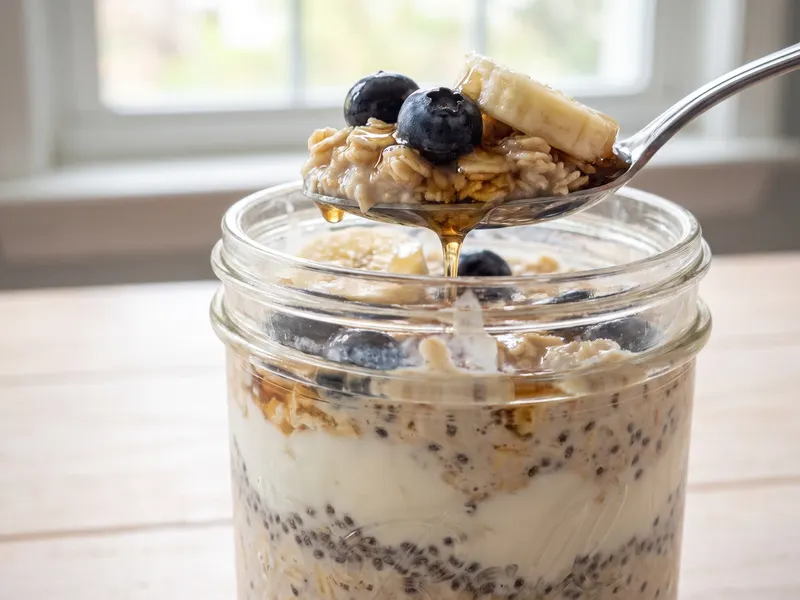
With vitamin D, in care homes, a little (see vitamin D). For postmenopausal women at home without osteoporosis the USPSTF gives a D to 1,000 mg or less with 400 IU or less of vitamin D. The WHO recommends 1.5–2 g a day in pregnancy where calcium intake is low, against preeclampsia, but the 2025 Cochrane update found little or no difference in the large trials (high certainty). Calcium did not prevent cancer. In the Women's Health Initiative, 1,000 mg a day for 7 years was linked to more kidney stones, though two later reviews found no link, and studies disagree on whether calcium supplements raise heart risk. The upper limit is 2,500 mg (NIH: 2,000 mg from 51), and calcium carbonate should be 4 hours away from levothyroxine. Our cold-brew oats, made with milk and yogurt, and the yogurt parfait bring calcium with breakfast.
Does magnesium help with cramps, sleep or migraine?
For night leg cramps in older people, no: a 2020 Cochrane review found no difference (moderate- to high-certainty evidence), a D. For migraine, three of four small trials found fewer attacks at up to 600 mg a day, and the American Academy of Neurology and the American Headache Society call magnesium "probably effective" for prevention: a B. That dose is above the upper limit, so take it only under a doctor's supervision. Blood pressure falls only marginally, about 2 mmHg diastolic. For sleep we found nothing to grade: the NIH fact sheet has no section on it and our Cochrane search found no relevant review. The upper limits, 250 mg (EU) and 350 mg (US), apply to supplements, not food. Diarrhea is the usual side effect, and magnesium should be spaced from some antibiotics and bisphosphonates. Roasted pumpkin seeds are a magnesium-rich snack.
Does zinc shorten a cold?
Maybe by about 2 days, according to a 2024 Cochrane review of zinc for colds in any form, lozenges and syrups included (low certainty, very inconsistent trials, more side effects). Prevention barely works (RR 0.93), and with low certainty that is a C, not a D. The AREDS formula, with 80 mg of zinc, slowed late macular degeneration by 25% in people at high risk, a B, but the dose is above both upper limits (25 mg EU, 40 mg US), so only on an eye doctor's advice. At 50 mg a day or more for weeks, zinc can block copper absorption and lead to low copper levels. Vegetarians absorb less because of phytates; soaking and fermenting legumes helps.
Who needs iodine supplements?
Iodine makes thyroid hormones; adults need 150 µg a day, 220 µg in pregnancy, mostly from iodized salt. The WHO recommends supplements for pregnant and breastfeeding women only where under 20% of households get iodized salt, a B. Thyroid and pediatric associations in the US advise 150 µg for all pregnant and breastfeeding women, but Cochrane found too few trials, a C. That grade describes the trials. It is not a reason to skip the iodine your obstetrician recommends. The upper limit is 600 µg in the EU and 1,100 µg in the US; too much iodine upsets the thyroid, especially in autoimmune thyroid disease, and adds to antithyroid drugs. Baked cod gives 146 µg in 85 g.
Does selenium prevent cancer?
No. A 2018 Cochrane review of 19,475 people found no change in cancer (RR 1.01, high certainty), and in the SELECT trial selenium caused more hair loss and dermatitis. It also raised high-grade prostate cancer in men who already had high selenium levels, and trials showed a slightly higher risk of type 2 diabetes. That is a D. The upper limit is 255 µg in the EU and 400 µg in the US, and one Brazil nut has 68–91 µg, so eating them daily can be too much.
Is fish oil worth taking?
Fish oil supplies EPA and DHA. For the heart, the 2020 Cochrane review of 143,693 people found little or no effect on death (RR 0.97) or cardiovascular events (RR 0.96), with high certainty, so by our rules it is a D. Coronary deaths may fall slightly, but that finding is low certainty: one coronary death prevented for every 334 people treated. Triglycerides fall about 15%, a B for a marker, not an outcome. A prescription drug, 4 g of EPA ethyl ester, cut events by 25% in REDUCE-IT, but that is a medicine, and a similar trial of an EPA and DHA mix found nothing.
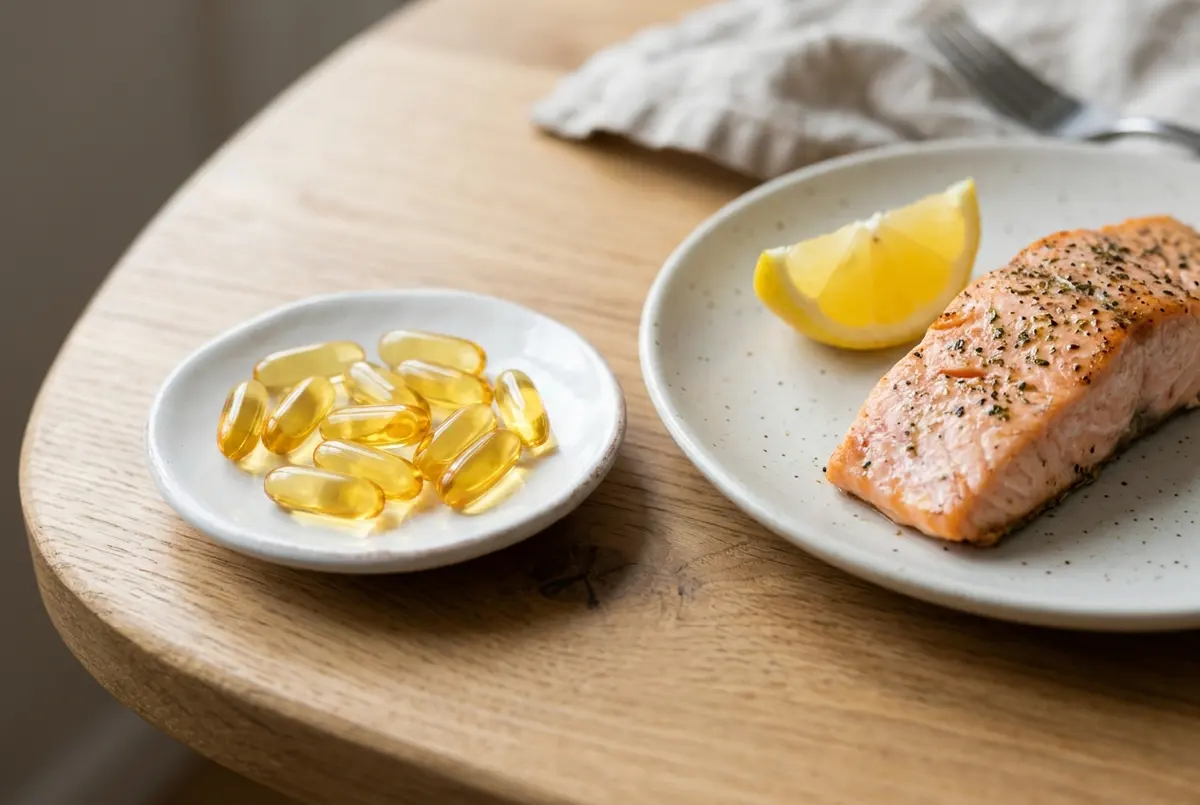
Pregnancy is where omega-3 earns an A: in a 2018 Cochrane review of 10,304 women, birth before 37 weeks fell from 13.4% to 11.9% and before 34 weeks from 4.6% to 2.7%, though pregnancies past 42 weeks probably became more common (2.6% vs 1.6%). For depression the effect was small and very low certainty. Neither EFSA nor the NIH sets an upper limit; up to about 5 g a day did not raise bleeding, but people on warfarin should have clotting checked, and 4 g a day slightly raised atrial fibrillation in two trials. 85 g of farmed salmon has 1.24 g of DHA and 0.59 g of EPA; our baked salmon is a simple start.
Do probiotics work?
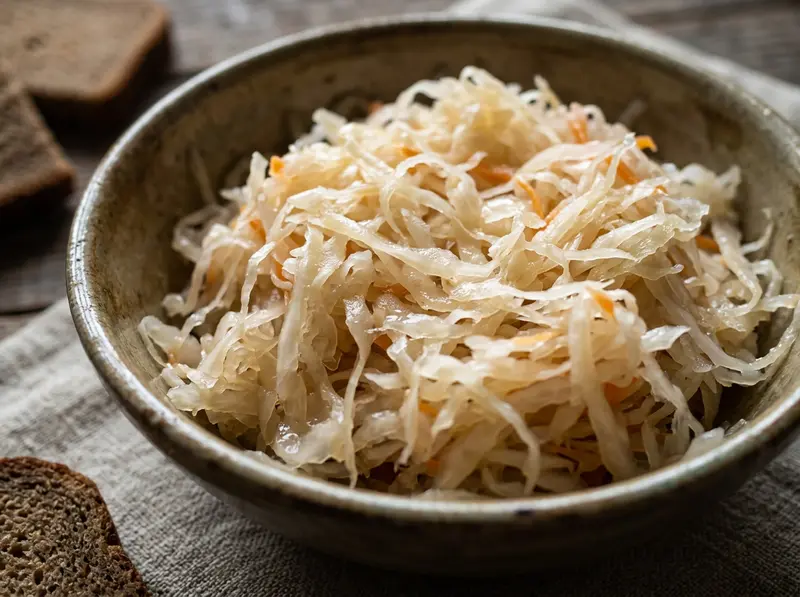
Probiotics are live microorganisms that benefit the host in adequate amounts, and the effect depends on strain and dose. For children on antibiotics, diarrhea fell from 19% to 8% (moderate certainty), so one case was prevented for every 9 children treated. In the high-dose studies (5 billion CFU or more a day) it fell from 23% to 8%. A clear effect with moderate certainty is an A on our scale, though the review authors want a large trial to confirm the benefit of high doses of strains such as LGG or S. boulardii. For adults and children on antibiotics, C. difficile diarrhea fell from 3.2% to 1.6% (low certainty), and the NIH notes no benefit shown over 65. For healthy people there are no formal recommendations, and by our count of the EU register, 339 of 340 entries for probiotics are not authorized; the one exception is yogurt cultures easing lactose digestion. In very ill or immunocompromised people and premature babies they have caused infections. Fermented foods such as sauerkraut contain live cultures but usually not proven probiotics; our unheated kvashenaya kapusta is one.
Does psyllium fiber lower cholesterol?
Psyllium is a viscous soluble fiber. EFSA found about 0.057 mmol/l less LDL per gram a day of viscous fibers as a group, not psyllium alone, and the EU rejected a soluble fiber claim because the substance was not characterized enough. For constipation the data are for fiber in the diet (EFSA: 25 g a day). Both are a C for missing data. Dal soup and lentil soup get fiber from food.
Do you need protein powder?
Whey is a milk protein and the base of most powders. For strength training, the International Society of Sports Nutrition (ISSN) says 1.4–2.0 g per kg a day is enough for most people, and powder is a convenience. We found no Cochrane review, and some ISSN authors work for sports-nutrition companies, so it is a B. Protein within an hour of training added nothing in a meta-analysis. People who don't train need 0.8 g/kg, and the average American already eats 100 g (men) or 69 g (women): a C. Whey is not for people allergic to milk protein.
Is creatine safe?
For healthy adults in the short term, the NIH says yes; expect to gain 1–2 kg in a month, mostly water. Many trials show more power in repeated short, intense efforts, and the EU allows the claim at 3 g a day, also for adults over 55 doing strength training. With no Cochrane review for healthy people and the ISSN an interested party, both are a B. For endurance sports it does little. Monohydrate is the most studied form. Food cannot reach the effective dose: beef has about 2 g per pound (454 g).
Does collagen work for skin and joints?
We found no Cochrane review of oral collagen, the NIH has no fact sheet, and the EU rejected every collagen claim, for joints, cartilage and skin. That is a C for missing evidence. The EU does allow a related claim for another nutrient: "Vitamin C contributes to normal collagen formation".
Does turmeric (curcumin) work?
The NIH's complementary health center (NCCIH) says "we don't know enough" to conclude turmeric or curcumin helps any condition. Knee osteoarthritis data are early and positive, the EU rejected a joint claim, and one ulcerative colitis trial was not significant: all C. High-absorption formulas have been linked to liver injury: if you notice tiredness, nausea, dark urine or yellowing skin, stop and see a doctor. Turmeric supplements may be unsafe in pregnancy. EFSA estimates that curcumin from ordinary food, turmeric in dishes like dal soup included, comes to less than 7% of its acceptable daily intake.
Does melatonin help you sleep?
For jet lag, yes: it worked in 9 of 10 trials when taken at bedtime at the destination, and 0.5 mg did about as well as 5 mg. The 2002 review has no certainty rating, so it is a B. For chronic insomnia the EU allows a claim that 1 mg shortens the time to fall asleep, but US sleep and physicians' guidelines do not recommend it, a C. For delayed sleep phase disorder the American Academy of Sleep Medicine does recommend timed melatonin, though only weakly: a B. A small review found people fell asleep about 22 minutes faster, and in a 2018 trial of 307 people, melatonin an hour before a fixed bedtime got them to sleep about 34 minutes earlier. For people with dementia the guideline is against it, a D. Long-term use and pregnancy are not studied, and people with epilepsy or on anticoagulants should take it only under medical supervision. Labels are unreliable: 22 of 25 melatonin gummies tested in 2023 were mislabeled. One had no detectable melatonin, and the others held 74% to 347% of the amount on the label. US poison center calls about children and teenagers taking melatonin rose from 8,337 in 2012 to 52,563 in 2021, so keep it out of children's reach.
Is ashwagandha safe?
Short term, mostly. Small trials in India found less stress and slightly better sleep, a C. Experts advise against it in pregnancy and breastfeeding, thyroid or liver disease and hormone-sensitive prostate cancer. Some reports suggest it may cause miscarriage (the American Herbal Pharmacopoeia disputes this), and there are cases of liver injury and effects on thyroid hormones and testosterone. Denmark banned it in 2023. It may also interact with thyroid hormone medicines, diabetes and blood pressure drugs, immunosuppressants and sedatives. That is a D as a recommendation against.
Where do health authorities disagree on supplements?
| Topic | One side | The other side |
|---|---|---|
| Vitamin D and falls, 60+ | EU allows a claim that it helps reduce the risk of falling, at 20 µg a day | USPSTF draft 2024: grade D, falls RR 0.99 |
| Vitamin D with calcium, hip fracture | Cochrane 2014: RR 0.84, including care homes | USPSTF draft 2024: RR 0.99, only people at home without osteoporosis |
| Vitamin D and mortality | Cochrane 2014: D3 RR 0.94 (0.91–0.98) | USPSTF draft 2024: RR 0.96 (0.91–1.02), not significant |
| Calcium in pregnancy | WHO: 1.5–2 g where intake is low | Cochrane 2025, large trials: no difference in preeclampsia, high certainty |
| Iron in pregnancy | WHO: 30–60 mg daily | USPSTF 2024: I statement |
| Iodine in pregnancy | WHO: only where under 20% of households get iodized salt; ATA and AAP: 150 µg for all pregnant and breastfeeding women | Cochrane 2017: not enough data |
| Omega-3 and the heart | EU allows a claim that EPA and DHA support normal heart function, at 250 mg a day | Cochrane 2020: little or no effect on death and cardiovascular events, high certainty |
| Melatonin and falling asleep | EU allows a claim that it shortens the time to fall asleep, at 1 mg | AASM 2017 and ACP 2016: not recommended for chronic insomnia |
| Upper limits | EFSA: magnesium 250 mg, zinc 25 mg, iodine 600 µg, selenium 255 µg | NIH: 350 mg, 40 mg, 1,100 µg, 400 µg |
| Sports supplements | ISSN: creatine is the "most effective nutritional supplement" for intense exercise | Several ISSN authors work for sports-nutrition companies; no Cochrane review for healthy people |
Source: EU Register of nutrition and health claims; Cochrane reviews and USPSTF documents cited above; WHO eLENA; NIH ODS and NCCIH; PubMed records 28615996 and 28642676.
Why a health claim on the package isn't proof
An EU label may carry only approved claims. Most, under Article 13(1), describe what a nutrient does in the body, such as "Iron contributes to the reduction of tiredness and fatigue", and are allowed on any product with a significant amount: 15% of the reference value per 100 g, 7.5% per 100 ml of a drink, or per portion. Such a claim confirms the nutrient's role, not that extra helps someone who already gets enough. The register we downloaded on 24 October 2026 had 2,337 entries: 269 authorized, 2,067 not, 1 revoked. Counting by substance name, which is our method and only valid for it, 82 of 91 entries for EPA, DHA and fish oil are not authorized. Claims for plant substances are still on hold in the EU, and the register has no decision on ashwagandha.
Which supplements can be harmful?
Much of the risk comes with high doses, and stacking products makes them easy to reach. Some limits apply only to supplements, not food.
| Nutrient (adults, per day) | EFSA (EU) | NIH (US) | Note |
|---|---|---|---|
| Vitamin D | 100 µg (4,000 IU) | 100 µg (4,000 IU) | EFSA 50 µg at 1–10 years; NIH 63 µg at 1–3, 75 µg at 4–8 |
| Folic acid | 1,000 µg | 1,000 µg | Only folic acid from supplements and fortified foods |
| Vitamin B12 | not set | not set | No harm defined |
| Vitamin C | not set | 2,000 mg | EFSA: no adequate data |
| Iron | safe level 40 mg | 45 mg | NIH 40 mg under 14 |
| Calcium | 2,500 mg | 2,500 mg (19–50), 2,000 mg (51+) | |
| Magnesium | 250 mg | 350 mg | Supplements and medicines only, not food |
| Zinc | 25 mg | 40 mg | AREDS formula: 80 mg |
| Iodine | 600 µg | 1,100 µg | |
| Selenium | 255 µg | 400 µg | One Brazil nut: 68–91 µg |
| EPA + DHA | not set | not set | Up to about 5 g a day without more bleeding (EFSA); FDA: up to 5 g safe |
Source: EFSA Overview on Tolerable Upper Intake Levels (version 11, 2025) and EFSA Journal 2012;10(7):2815; NIH Office of Dietary Supplements fact sheets.
Beyond the limits: iron is dangerous to small children, beta-carotene raised lung cancer in smokers, selenium caused hair loss, and high-absorption curcumin and ashwagandha have been linked to liver injury.
Who should talk to a doctor before taking supplements?
Pregnant women, because supplements matter most there: folic acid, iron, iodine, and staying under 3,000 µg of preformed vitamin A. People with kidney, thyroid or liver disease, hemochromatosis, cancer treatment or a weak immune system. Anyone on medicines: warfarin interacts with high-dose fish oil and vitamin K, melatonin with anticoagulants needs supervision, levothyroxine needs 4 hours apart from iron and calcium, metformin and proton pump inhibitors lower B12, and some antibiotics need spacing from magnesium, zinc and calcium. And children, who have their own limits. The n/a uses in our table are decisions for a doctor, most of them based on a blood test.
This guide is general reference information, not medical advice.
Sources
Benefits come from the abstracts of Cochrane reviews (2002–2026), USPSTF recommendations on folic acid, vitamins for heart disease and cancer, vitamin D and calcium (2018 and the 2024 draft) and iron in pregnancy, and WHO eLENA pages. Doses, risks, interactions and US limits are from the NIH Office of Dietary Supplements fact sheets (web.archive.org copies, October 2026) and NCCIH. EU limits are from EFSA's 2025 upper-limit overview and opinions on omega-3, curcumin and fiber; claims from Regulation (EU) 432/2012 and the EU register (24 October 2026). Sports figures also use the ISSN position stands (2017). Food values are from USDA FoodData Central via our healthy foods guide. The A–D grades are ours.