Skip to content
GetCookMatch
⌘K
Cuisine · France

French cooking

Butter, wine, stock, and patience — the four-ingredient alphabet of French technique. Weekend projects next to 10-minute bistro classics.

Sort by
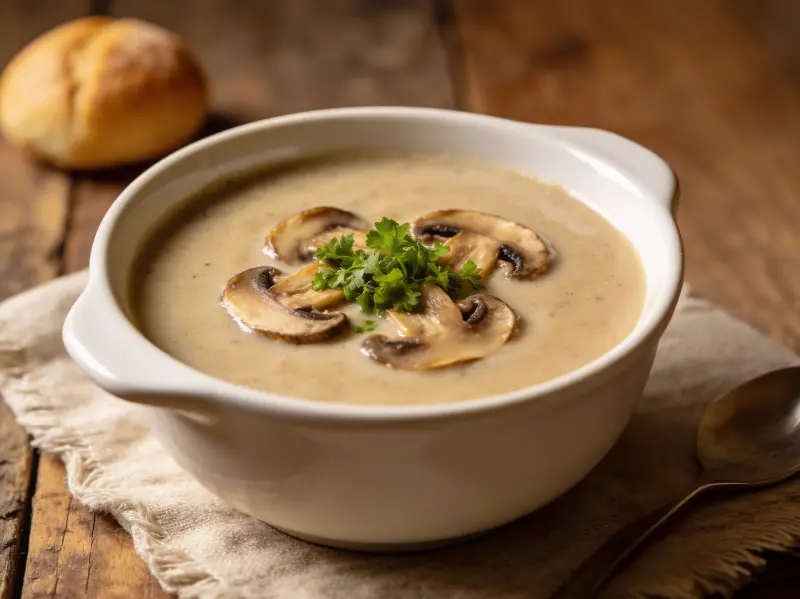
Cream of Mushroom Soup with mushrooms, potato and cream — France recipe
🇫🇷FranceAdvanced
Soups

Cream of Mushroom Soup

Cream of mushroom soup is a classic French dish with a delicate flavor and velvety consistency. The combination of fresh and dried mushrooms gives the soup a rich flavor.

85 min225 kcal4 serves
🌾Gluten-free🥑Keto
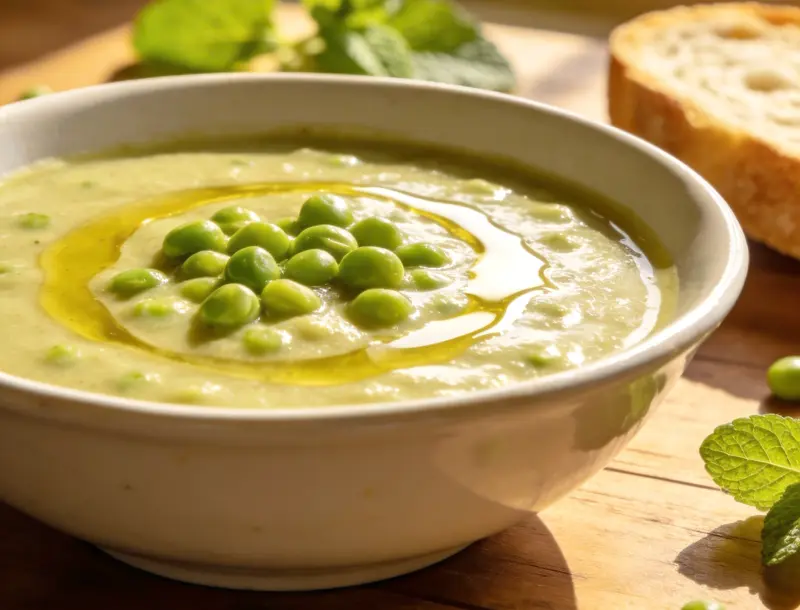
Creamy Pea Soup with peas, onion and butter — France recipe
🇫🇷FranceAdvanced
Soups

Creamy Pea Soup

Pea puree soup is a classic dish appreciated for its rich flavor, nutrition and ease of preparation. Made from dried peas, rich in vegetable protein and fiber.

110 min275 kcal4 serves
🌾Gluten-free
Crème Brûlée with cream, egg yolk and sugar — France recipe
🇫🇷FranceMedium
Sweet Dishes

Crème Brûlée

Crème brûlée is an exquisite French dessert that combines rich vanilla cream with a crunchy caramel crust — the pinnacle of French pâtisserie.

33 min600 kcal4 serves
🌿Vegetarian🌾Gluten-free
Crêpe Suzette with plain flour, eggs and milk — France recipe
🇫🇷FranceMedium
Sweet Dishes

Crêpe Suzette

Crêpe Suzette is the most theatrical dessert in the French classical repertoire: paper-thin crêpes folded into quarters and bathed in a sauce of caramelized sugar, fresh orange juice, orange zest, and butter, finished with Grand Marnier poured into the pan and set alight at the table. The blue flames burn for 15 to 20 seconds, cooking off the alcohol while leaving the deep orange-liqueur flavor in the sauce. The dish was invented, by accident or by design, in Monte Carlo in 1895 — legend credits Henri Charpentier, a 14-year-old assistant waiter who accidentally ignited the sauce while preparing it for the Prince of Wales. The Prince, enchanted by both the flames and the result, named the dish after Suzette, a young woman at the table. Whether or not the story is true, the dish has remained the definitive French dessert-as-performance for over a century.

60 min380 kcal4 serves
🌿Vegetarian
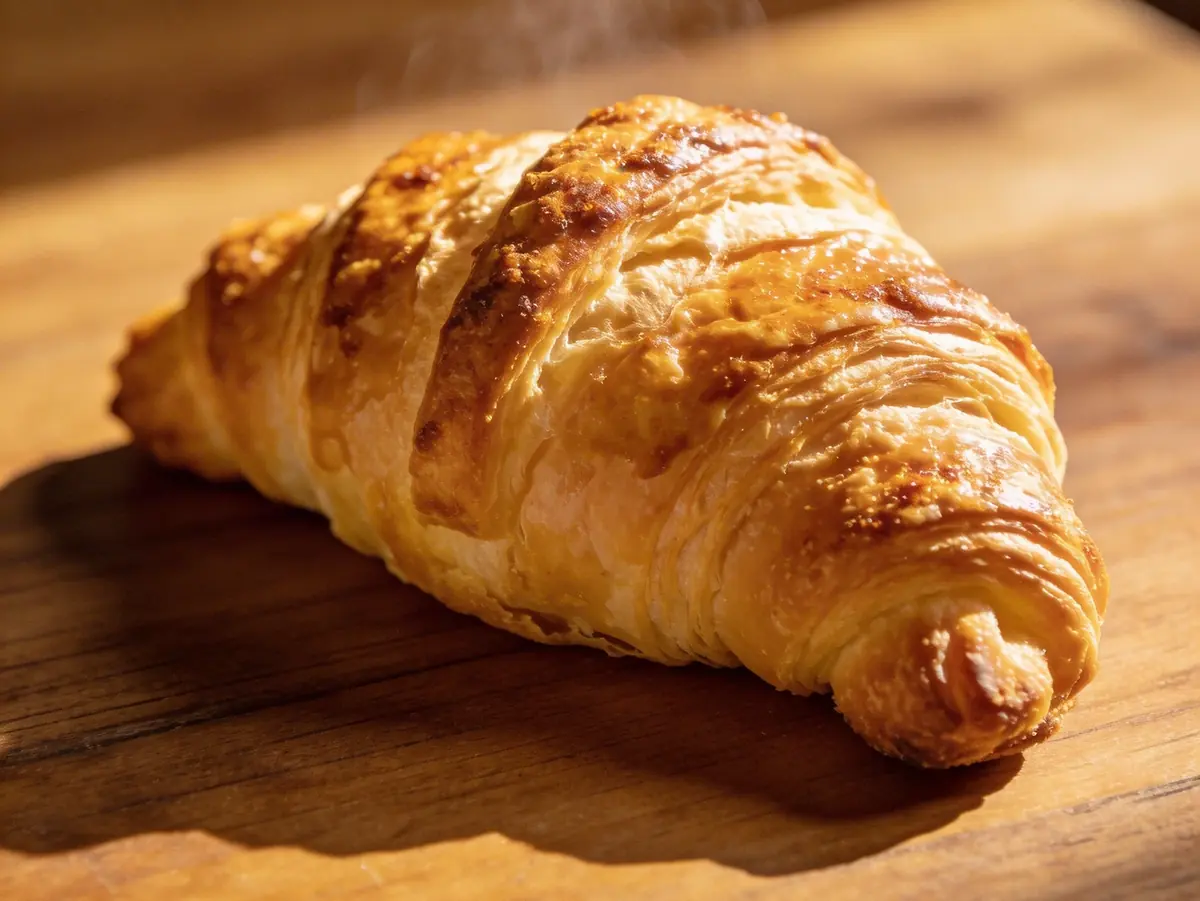
Croissant with bread, butter and flour — France recipe
🇫🇷FranceAdvanced
Flour and Confectionery Products

Croissant

A classic French buttery, flaky laminated pastry made over two days with a rich butter block folded into the dough to create hundreds of delicate layers.

90 min360 kcal12 serves
🌿Vegetarian
Croque Madame with bread, ham and Gruyère — France recipe
🇫🇷FranceMedium
Breakfast and Brunch

Croque Madame

A Croque Monsieur — ham, Gruyère, and béchamel on toasted white bread — with a fried egg on top. The name comes from the egg supposedly resembling a woman's hat. The sandwich itself has been on Parisian café menus since the early 1900s. What separates a good one from a mediocre one is the béchamel: not as a hidden layer inside, but also spread generously on top, where it bubbles and browns under the grill and becomes something closer to a savory soufflé crust than a sauce. The egg yolk, broken at the table, does the rest.

25 min690 kcal2 serves
🌿Vegetarian⚡Quick
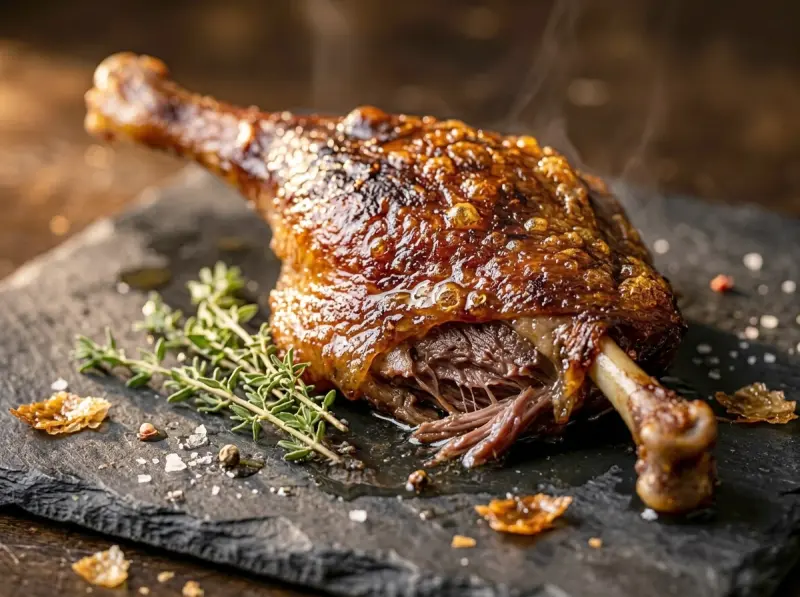
Duck Confit (Confit de Canard) with duck legs, coarse sea salt and duck fat — France recipe
🇫🇷FranceAdvanced
Meat Dishes

Duck Confit (Confit de Canard)

Confit de canard is duck legs cured overnight in salt, thyme and juniper, then cooked slowly submerged in melted duck fat until the meat slides off the bone. It comes from Gascony in south-west France, where ducks are raised for foie gras; confit comes from confire, to preserve. After the 12 to 24 hour cure, the legs spend 2 to 2.5 hours in a 120°C (250°F) oven, fully covered by fat that only trembles, so the work is about 3 hours and the cure is waiting. Cooked legs keep under their fat in the refrigerator, which is how the dish was preserved before refrigeration. To serve, lay the legs skin-side down in a cold, dry pan and heat gradually to medium until the skin turns dark gold and crackles. The leftover fat is excellent for frying potatoes.

180 min620 kcal4 serves
🌾Gluten-free💪High protein
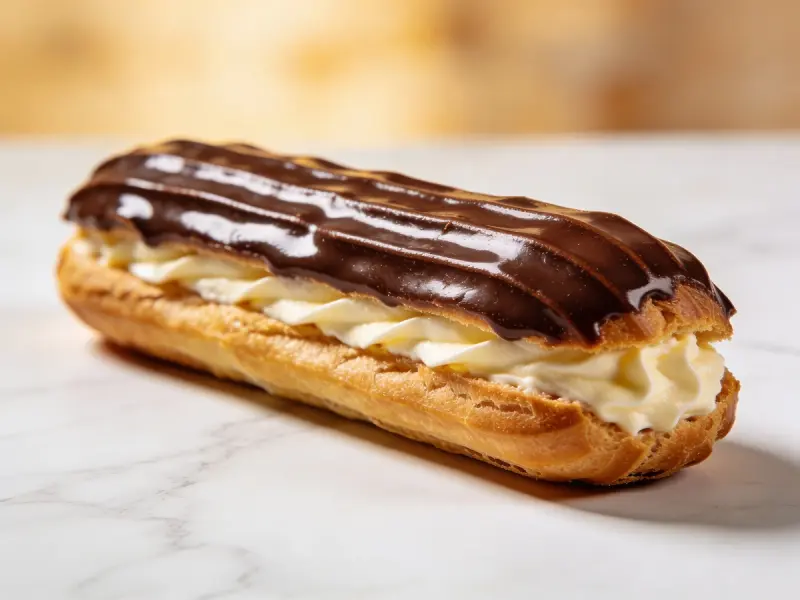
Éclair with butter, flour and egg — France recipe
🇫🇷FranceAdvanced
Sweet Dishes

Éclair

The Éclair is a masterpiece of French pâtisserie — a delicate hollow shell of choux pastry filled with vanilla custard and topped with glossy chocolate glaze.

75 min400 kcal8 serves
🌿Vegetarian
French Oeufs en Cocotte (Classic Baked Eggs in Ramekins) with eggs, heavy cream and Gruyère — France recipe
🇫🇷FranceMedium
Breakfast and Brunch

French Oeufs en Cocotte (Classic Baked Eggs in Ramekins)

Oeufs en cocotte, literally 'eggs in a little pot,' are eggs baked individually in ceramic ramekins set in a water bath (bain-marie) with cream, often topped with cheese, herbs, or other add-ins. Julia Child included the technique in 'Mastering the Art of French Cooking' (Vol 1, 1961), and French home cooks still bake them the same way: whites set gently while the yolks stay runny, ready for dipping strips of toasted baguette called mouillettes straight into the yolk. It isn't tied to one region — you'll find it on breakfast and brunch tables from Paris to Provence.

20 min250 kcal4 serves
🌿Vegetarian⚡Quick
French Onion Soup with onion, butter and beef broth — France recipe
🇫🇷FranceAdvanced
Soups

French Onion Soup

French Onion Soup is the epitome of French comfort and culinary elegance. Slowly caramelized onions in a rich beef broth, topped with toasted baguette and melted Gruyère cheese.

85 min325 kcal4 serves
💪High protein
French Pain au Chocolat (Authentic Yeasted Laminated Chocolate Pastry) with unsalted butter, dark chocolate and instant yeast — France recipe
🇫🇷FranceMedium
Breakfast and Brunch

French Pain au Chocolat (Authentic Yeasted Laminated Chocolate Pastry)

Pain au chocolat (literally 'chocolate bread' in French) is the classic French viennoiserie: a rectangle of yeasted laminated dough wrapped around two dark chocolate batons, baked until deep golden with a flaky exterior and soft bread-like interior with visible honeycomb structure. One of the most iconic French pastries, alongside the croissant — same dough, different shape. History: Austrian officer August Zang and aristocrat Ernest Schwarzer opened Boulangerie Viennoise at 92 rue de Richelieu in Paris in 1839, introducing Viennese pastries to France. The pastry started life on brioche dough, evolving to today's pâte feuilletée levée (yeasted laminated dough) by the late 19th century. Naming controversy: pain au chocolat (north and central France) versus chocolatine (southwestern France — Bordeaux, Toulouse, Pays Basque, also Quebec). Never called 'chocolate croissant' in France — that's an English misnomer. Active prep 60 minutes, total timeline 24-48 hours with overnight rests. Makes 8 pastries. Best eaten warm, the same morning, with café au lait or espresso.

60 min340 kcal8 serves
🌿Vegetarian
French Pain Perdu (Classic French Toast — The Original Lost Bread) with brioche, eggs and heavy cream — France recipe
🇫🇷FranceMedium
Breakfast and Brunch

French Pain Perdu (Classic French Toast — The Original Lost Bread)

Pain perdu — literally 'lost bread' in French — is the classic French dish that turns stale bread into a custardy, golden treat: thick slices of day-old brioche or country bread soaked in a rich custard of eggs, milk, cream, sugar, and vanilla, then pan-fried in butter to a crisp caramelized exterior with a soft jiggly interior. This is the French original behind what Americans know as French toast. Origins go back to Ancient Rome (Apicius's 'De re coquinaria', ~25 BC, known then as pain romain), with the modern French form codified by the 17th century under King Henry IV (1589-1610), a known fan who elevated the frugal peasant dish into aristocratic territory. In France today, pain perdu is typically served as dessert or afternoon snack (goûter), not breakfast — that's an American convention. Authentic toppings are powdered sugar, fresh berries, sautéed apples with Calvados, or crème anglaise. Cinnamon and maple syrup are American additions. Active 20 minutes. Serves 4 (two slices each).

20 min450 kcal4 serves
🌿Vegetarian⚡Quick

Nearby flavors

Four kitchens with overlapping ingredients and similar rhythms to French cooking.