Skip to content
GetCookMatch
โŒ˜K
Cuisine ยท Italy

Italian cooking

Pasta, risotto, pizza, slow-braised meats. The grammar of Italian cooking: few ingredients, cooked with more respect than any of them asked for.

Carpaccio
๐Ÿ‡ฎ๐Ÿ‡นItalyEasy
Appetizers and Sandwiches

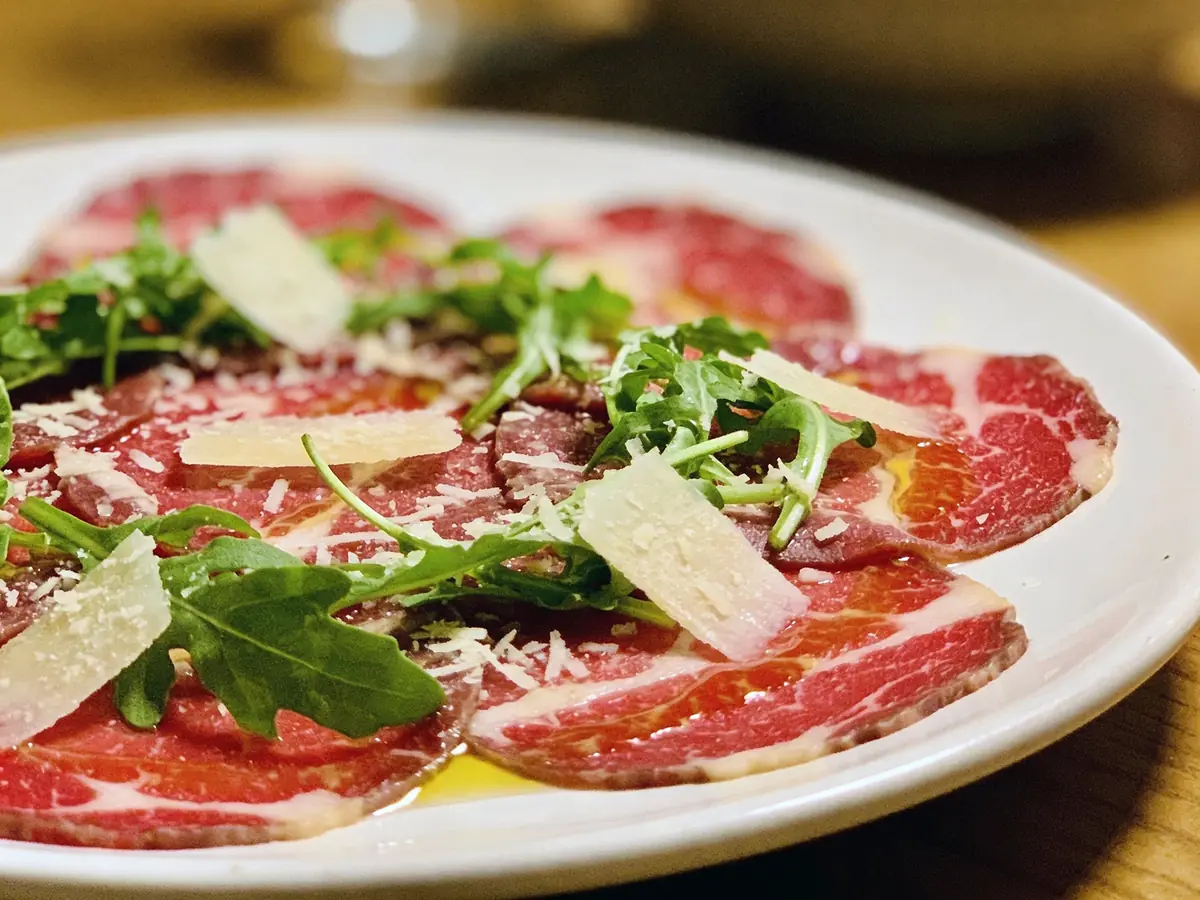
Carpaccio

Carpaccio is an exquisite Italian dish consisting of thinly sliced raw meat seasoned with olive oil, lemon juice and other ingredients.

18 min335 kcal4 serves
๐Ÿฅ‘KetoโšกQuick๐ŸŒพGluten-free
โ˜…4.9
Creamy Tuscan Chicken Pasta
๐Ÿ‡ฎ๐Ÿ‡นItalyMedium
Cereal and Pasta Dishes

Creamy Tuscan Chicken Pasta

Pan-seared chicken in a rich garlic cream sauce with sun-dried tomatoes, baby spinach, and Parmesan โ€” all done in one skillet in 30 minutes. This dish is inspired by the flavors of Tuscany and loosely connected to Florentine sauce (cream, white wine, spinach), with sun-dried tomatoes added for the characteristic sweet-concentrated punch. It is not a traditional Italian dish but an Italian-American one โ€” popularised in American restaurants and home kitchens. What makes it work is the layering: the chicken fond in the pan, the oil from the sun-dried tomatoes for the sauce base, the pasta water to bind everything. Done right, it is genuinely restaurant-quality.

30 min650 kcal4 serves
โšกQuick๐ŸŒถ๏ธSpicy
โ˜…4.8
Crostata di Marmellata (Italian Jam Tart with Buttery Pasta Frolla Crust)
๐Ÿ‡ฎ๐Ÿ‡นItalyAdvanced
Breakfast and Brunch

Crostata di Marmellata (Italian Jam Tart with Buttery Pasta Frolla Crust)

Crostata di marmellata is the iconic Italian jam tart โ€” a rustic open pie made with pasta frolla (sweet shortcrust pastry) filled with a thick layer of fruit jam and topped with the characteristic lattice (called mandorlato by Pellegrino Artusi in his 1891 cookbook). One of the oldest Italian desserts, with pasta frolla dating back to the 10th century after Arab traders introduced sugar cane to Sicily. The word crostata first appeared in Italian dictionaries in 1612, from the Latin crustฤta โ€” 'crust'. Pellegrino Artusi codified the canonical recipe in his legendary book La scienza in cucina e l'arte di mangiar bene (1891), the cornerstone of Italian home cooking. He gave three pasta frolla recipes (A, B, C) and specifically recommended C for crostate. The crucial proportion: flour to butter to sugar = 3 : 1.5 : 1. Apricot jam (albicocca) is the most traditional filling, though cherry, fig, raspberry, or wild berry preserves are common regional alternatives. September 9 is Italy's National Crostata Day. Served at breakfast with espresso or cappuccino, as afternoon merenda with coffee, or as dessert after a meal. Artusi notes: 'Migliora dopo un giorno o due' โ€” improves after a day or two, one of the rare baked goods that gets better with time. Active prep 30 minutes, total around 1.5 hours with dough resting. Yields 8 generous slices from a 24 cm tart pan.

90 min350 kcal8 serves
๐ŸŒฟVegetarian
โ˜…4.4
Fettuccine Alfredo
๐Ÿ‡ฎ๐Ÿ‡นItalyEasy
Cereal and Pasta Dishes

Fettuccine Alfredo

Three ingredients: fettuccine, butter, Parmigiano Reggiano. No cream. The sauce is a pure emulsion of fat and starch โ€” butter melted over hot pasta, Parmesan folded in with small amounts of hot pasta water until the whole thing turns silky and glossy. Fettuccine Alfredo was created in Rome in 1908 by restaurateur Alfredo di Lelio, who made it for his wife after childbirth. The dish is known in Italy as fettuccine al burro. American versions typically add cream, garlic, and flour โ€” convenient but a different dish. The Roman original is lighter, cleaner, and more intensely cheesy. The technique is almost identical to Cacio e Pepe: the challenge is emulsification, not complexity.

20 min570 kcal2 serves
๐ŸŒฟVegetarianโšกQuick
โ˜…4.6
Focaccia
๐Ÿ‡ฎ๐Ÿ‡นItalyAdvanced
Flour and Confectionery Products

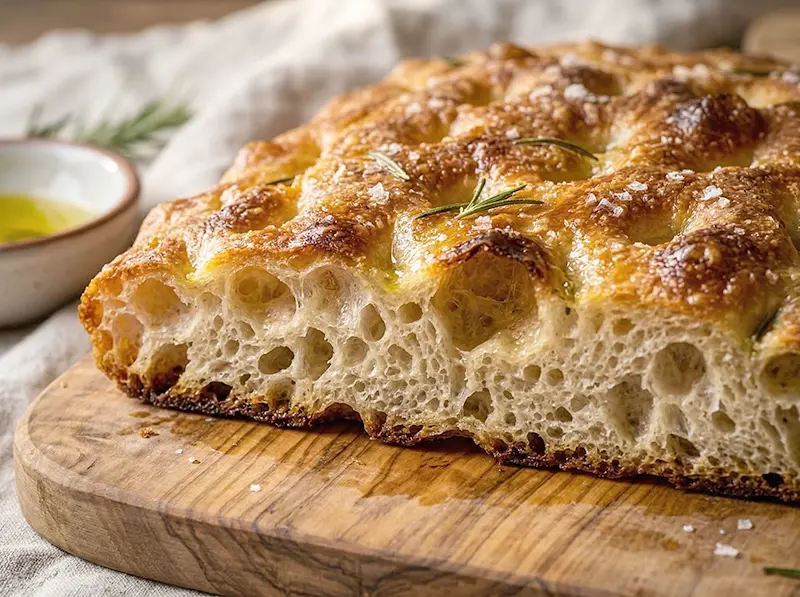
Focaccia

A high-hydration dough stretched into a generously oiled baking tray, dimpled deep with fingers so the pockets hold brine and olive oil, then baked at high heat until the bottom fries crisp and the top turns deep gold. Focaccia from Liguria โ€” with sea salt and rosemary โ€” is the version everyone copies and almost no one gets quite right at home. The brine is the technique most people miss.

300 min310 kcal8 serves
๐ŸŒฟVegetarian๐ŸŒฑVegan
โ˜…4.7
Fried Calamari
๐Ÿ‡ฎ๐Ÿ‡นItalyMedium
Fish and Seafood Dishes

Fried Calamari

Italian-style calamari combines tender squid meat with a rich tomato sauce. Perfect for lovers of seafood and Italian cuisine.

18 min325 kcal4 serves
โšกQuick๐Ÿ’ชHigh protein๐ŸŒพGluten-free
โ˜…4.7
Frittata di Spaghetti (Neapolitan Spaghetti Frittata with Leftover Pasta)
๐Ÿ‡ฎ๐Ÿ‡นItalyEasy
Breakfast and Brunch

Frittata di Spaghetti (Neapolitan Spaghetti Frittata with Leftover Pasta)

Frittata di spaghetti (also called frittata di maccheroni in Naples) is the iconic Italian dish for transforming leftover pasta into a new meal โ€” a thick, golden disc of cold cooked spaghetti bound with eggs, Parmigiano-Reggiano, and melted scamorza, pan-fried until crispy on the outside and tender inside. Born in 19th-century Naples as a quintessential example of cucina povera (peasant cuisine), where nothing is ever wasted. The Italian saying 'La pasta non si butta mai' (pasta is never thrown away) finds its purest expression here. Today, frittata di spaghetti is a mandatory dish for Pasquetta (Easter Monday), the Italian day of countryside picnics, and a staple of beach baskets along the Campania, Calabria, and Sicily coasts โ€” sliced into squares, wrapped in parchment, eaten with hands. The Magnifico Food blog calls it 'omnipresent in the backpacks of Italians on out-of-town trips.' The dish has even spawned a Neapolitan street food relative: frittatina di pasta, small breaded and deep-fried rounds sold at every Naples friggitoria. Key technique: cold pasta is mandatory (hot pasta destroys the egg-cheese binding), the pan must be moderately heated with olive oil, and the frittata is flipped using a plate for the second side โ€” or finished in the oven at 190ยฐC for the timid. Yields 4 servings in 25 minutes. Best at room temperature, served as a main dish with green salad, as antipasto cut into squares, or as picnic food with a glass of Falanghina or Greco di Tufo.

25 min400 kcal4 serves
๐ŸŒฟVegetarianโšกQuick
โ˜…4.7
Insalata di Finocchi e Arance (Sicilian Fennel and Orange Salad)
๐Ÿ‡ฎ๐Ÿ‡นItalyEasy
Salads

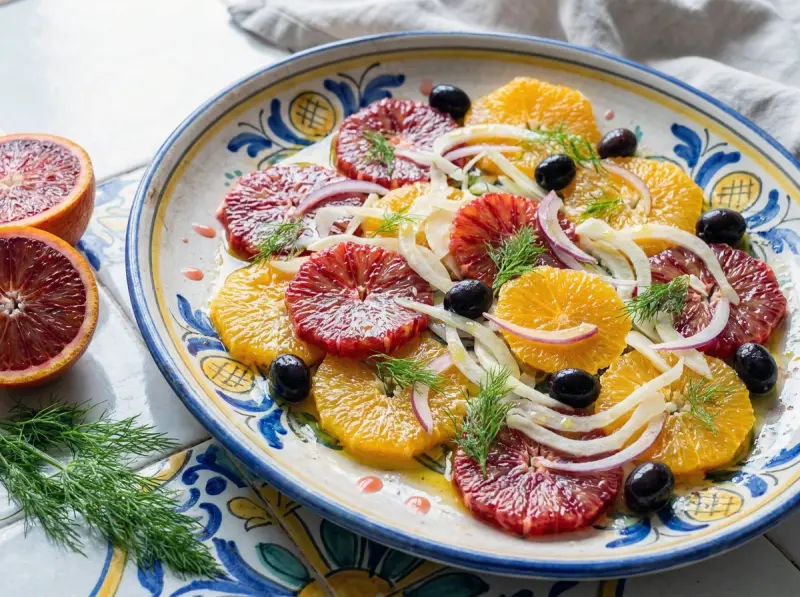
Insalata di Finocchi e Arance (Sicilian Fennel and Orange Salad)

Insalata di finocchi e arance is a classic Sicilian salad of thinly sliced fennel and oranges, dressed with olive oil, salt, and black pepper, with black olives. It is the contrast of sweet, juicy orange and crisp, anise-scented fennel โ€” bright and refreshing. It comes from Sicily, where most of Italy's citrus is grown, and the orange salad is a legacy of the Arab rule of the island (9th-11th centuries): it was the Arabs who brought citrus into Sicilian cooking. It is a winter dish, since oranges (especially blood oranges, tarocchi) are in season in winter, served as an antipasto or contorno through the cold months. The salad is a fine example of Sicilian agrodolce, sweet and salty: the sweetness of the orange balanced by salty black olives and crisp fennel. Technical keys: peel the oranges to the flesh, cutting away the bitter white pith; slice the fennel very thinly; let the acidity come from the orange, not vinegar; black olives for the agrodolce contrast; blood oranges for the classic Sicilian version; and good fruity olive oil, since there are few ingredients. Save the orange juice that runs out โ€” it is the base of the dressing. Serve at room temperature, the best winter citrus, sliced thin, with excellent oil.

15 min180 kcal4 serves
๐ŸŒฑVeganโšกQuick๐ŸŒพGluten-free
โ˜…4.6
Italian Bagna Cauda (Piedmontese Hot Anchovy and Garlic Dip)
๐Ÿ‡ฎ๐Ÿ‡นItalyMedium
Sauces and Dips

Italian Bagna Cauda (Piedmontese Hot Anchovy and Garlic Dip)

Bagna cauda โ€” Piedmontese dialect for 'hot bath' โ€” is the ancient warm dip of olive oil, garlic, and anchovies that defines Northern Italian conviviality. Slowly melted into a single silky emulsion, kept warm at the centre of the table in a terracotta fujรฒt over a candle, surrounded by raw and cooked seasonal vegetables and crusty bread for dipping. Origins trace to medieval Piedmont and the Strada Salis (the salt road) that brought anchovies and salt from Provence and Nice into landlocked Piedmontese valleys, fueling a cuisine built on cured fish far from the sea. In 2005 the Asti Delegation of the Italian Academy of Cuisine officially registered the recipe with a notary in Costigliole d'Asti. Every November-December Asti celebrates Bagna Cauda Day. This domestic balanced version uses milk-poached garlic for elegance, salt-packed anchovies for depth, and a finishing knob of butter for silky texture. Active 25 minutes plus 15 minutes milk-poach. Yields about 300 ml, serves 6 as a centerpiece dip.

40 min350 kcal6 serves
๐ŸŒพGluten-free๐Ÿฅ‘Keto
โ˜…4.6
Italian Cornetto (Authentic Sweet Laminated Breakfast Pastry)
๐Ÿ‡ฎ๐Ÿ‡นItalyMedium
Breakfast and Brunch

Italian Cornetto (Authentic Sweet Laminated Breakfast Pastry)

Cornetto (literally 'little horn' in Italian) is the iconic Italian breakfast pastry: a crescent of yeasted laminated dough enriched with eggs, sugar, and citrus zest, baked until deep gold and glazed with sugar syrup. Often confused with the French croissant, but distinctly different โ€” softer, sweeter, more brioche-like, with eggs in the dough that the croissant never has. History: descended from the Austrian kipferl, which arrived in Italy through the Venetian Republic in the late 17th century and spread across the peninsula. Italian bakers transformed it with eggs, more sugar, vanilla, and citrus, creating a pastry fundamentally different from its French cousin. Naming varies by region: cornetto in central and southern Italy (Rome, Naples), brioche in the north (Milan, Venice, Turin) โ€” though true brioche is a different pastry. Never called 'croissant' in Italy. Active prep 60 minutes, total 18-24 hours with overnight cold ferment and 3-hour final proof. Makes 10 pastries. Served warm at Italian bars with cappuccino or espresso, standing at the counter โ€” the iconic 'cornetto e cappuccino al bar' ritual.

60 min320 kcal10 serves
๐ŸŒฟVegetarian
โ˜…4.6
Italian Pesto al Limone (Ligurian Basil and Lemon Pesto)
๐Ÿ‡ฎ๐Ÿ‡นItalyEasy
Sauces and Dips

Italian Pesto al Limone (Ligurian Basil and Lemon Pesto)

Pesto al limone is the Ligurian variation of classic Pesto alla Genovese with the addition of lemon zest and juice โ€” turning the herb-paste into a fresh citrus-herb sauce. The combination of fresh Genovese basil, toasted pine nuts, Parmigiano-Reggiano, garlic, lemon, and delicate Ligurian olive oil produces a bright emerald-green sauce with a floral-citrus lift that classical pesto lacks. Origins are the Liguria coastline (Cinque Terre, Portofino, Genoa region), home to Italy's finest basil DOP and world-class olive oils. Lemon is the key differentiator: the acid balances olive oil richness, brightens the basil, stabilizes the emerald colour longer than classical pesto, and turns the sauce into a versatile year-round condiment. A separate Procida-style lemon pesto exists from southern Italy (parsley + mint + walnuts, no basil), but this is the Ligurian school. Active 15 minutes including pine nut toasting. Yields about 250 ml, serves 6 as pasta sauce or condiment.

15 min210 kcal6 serves
๐ŸŒฟVegetarian๐ŸŒพGluten-freeโšกQuick
โ˜…4.8
Italian Salsa Rossa (Piedmontese Bagnet Ross Tomato Sauce)
๐Ÿ‡ฎ๐Ÿ‡นItalyAdvanced
Sauces and Dips

Italian Salsa Rossa (Piedmontese Bagnet Ross Tomato Sauce)

Italian salsa rossa โ€” known as bagnet ross in Piedmontese dialect โ€” is the second obligatory condiment for bollito misto, the winter ceremony of mixed boiled meats from Northern Italy. It is the red sibling of the more famous salsa verde (bagnet verd): a slow-cooked purรฉe of ripe tomatoes, yellow onion, carrot, celery, and garlic, balanced with a touch of sugar and red wine vinegar, finished with extra virgin olive oil. The traditional Nonna Titta version contains no bell pepper, no spices โ€” pure vegetable depth, sweet and tangy, mildly hot from a pinch of peperoncino. The name 'salsa rubra' (Latin for red) was popularized in 1930s Italy when the Cirio company ran a contest under Mussolini's foreign-words ban to find an Italian name for ketchup โ€” Rubra and Vesuvio won. Modern restaurants often use bagnet ross and salsa rubra interchangeably. Naturally vegan and gluten-free. Active 15 minutes plus 60 minutes simmer. Yields about 600 ml, serves 10 as condiment.

75 min120 kcal10 serves
๐ŸŒพGluten-free๐ŸŒฑVegan๐ŸŒถ๏ธSpicy
โ˜…4.7

Nearby flavors

Four kitchens with overlapping ingredients and similar rhythms to Italian cooking.