Skip to content
GetCookMatch
⌘K
Ingredient

Plain Flour Recipes

23 recipes with plain flour for weeknights, meal prep, and quick ingredient searches. Choose by time, cuisine, and what is in your kitchen.

Schnitzel
🇩🇪GermanyMedium
Meat Dishes

Schnitzel

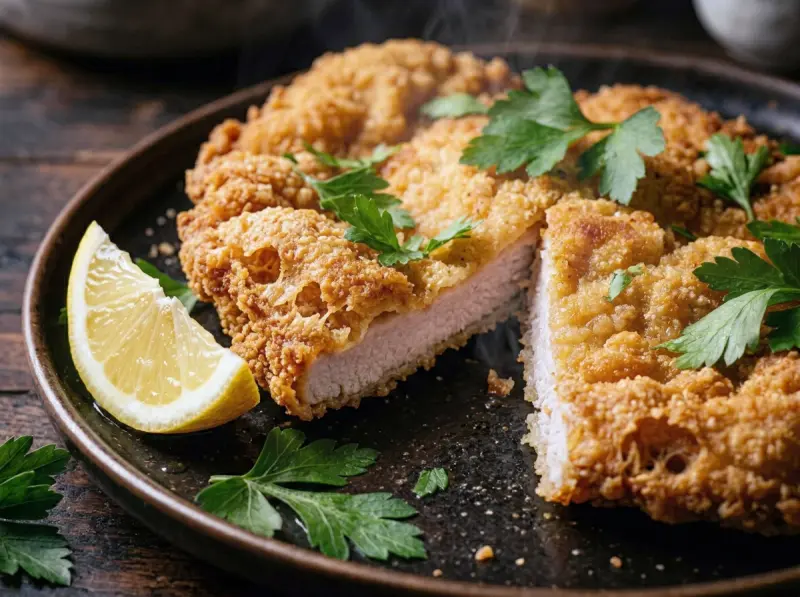
Thin pork or veal cutlets pounded to 3 to 4 mm, breaded with flour, egg, and breadcrumbs, and fried in hot fat until the crust is golden and crackling. The mark of a well-made schnitzel is a crust that has puffed slightly away from the meat and blisters with air pockets — this happens only when the breadcrumbs are not pressed in. The fat must be deep enough that the schnitzel floats rather than sits on the pan base. Serve immediately with a wedge of lemon. This is the Schweineschnitzel (pork) version; for Wiener Schnitzel, use veal.

30 min520 kcal4 serves
Quick💪High protein
4.6
Spätzle
🇩🇪GermanyMedium
Cereal and Pasta Dishes

Spätzle

Soft egg-and-flour dumplings pressed through a grater or colander into simmering salted water, then finished in brown butter until lightly crisp at the edges. Spätzle (pronounced SHPETS-luh, meaning 'little sparrows') comes from Swabia in southern Germany and is the region's equivalent of pasta — served alongside schnitzel and goulash, or layered with melted cheese to make Käsespätzle. The batter is thicker than pancake batter but thinner than a dough; it falls through the holes under its own weight when pushed with a spatula. The butter finish in the pan is what elevates them from simple boiled dumplings to something worth eating on their own.

35 min340 kcal4 serves
🌿Vegetarian
4.5
Black Forest Cake (Schwarzwälder Kirschtorte)
🇩🇪GermanyAdvanced
Sweet Dishes

Black Forest Cake (Schwarzwälder Kirschtorte)

Three layers of light chocolate sponge cake brushed with Kirschwasser, filled with thickened sour cherry compote and softly whipped cream, then covered in cream and finished with chocolate shavings and whole cherries. The German legal definition of Schwarzwälder Kirschtorte requires the kirsch flavor to be clearly noticeable — the spirit is not decorative, it is structural to the flavor. The sponge is an egg-separated génoise: egg whites whipped to stiff peaks and folded in last, keeping the crumb light despite the cocoa. The assembled cake should rest overnight in the fridge; it tastes significantly better the next day.

150 min520 kcal10 serves
🌿Vegetarian
4.6
Cinnamon Rolls with Cream Cheese Frosting
🇺🇸USAAdvanced
Flour and Confectionery Products

Cinnamon Rolls with Cream Cheese Frosting

Bakery-style cinnamon rolls: a pillowy, enriched dough made with the tangzhong technique — a Japanese method of cooking a small portion of flour and milk into a paste before adding it to the dough — which allows the dough to hold far more moisture than normal, producing rolls that stay cloud-soft for days rather than going stale by evening. The filling is brown sugar, cinnamon, and butter that melts into gooey caramelized layers during baking. The crowning cream cheese frosting is spread over warm rolls so it partially melts into the swirls. These are the rolls that end arguments about what to bring to brunch.

210 min520 kcal12 serves
🌿Vegetarian
4.8
Crêpe Suzette
🇫🇷FranceMedium
Sweet Dishes

Crêpe Suzette

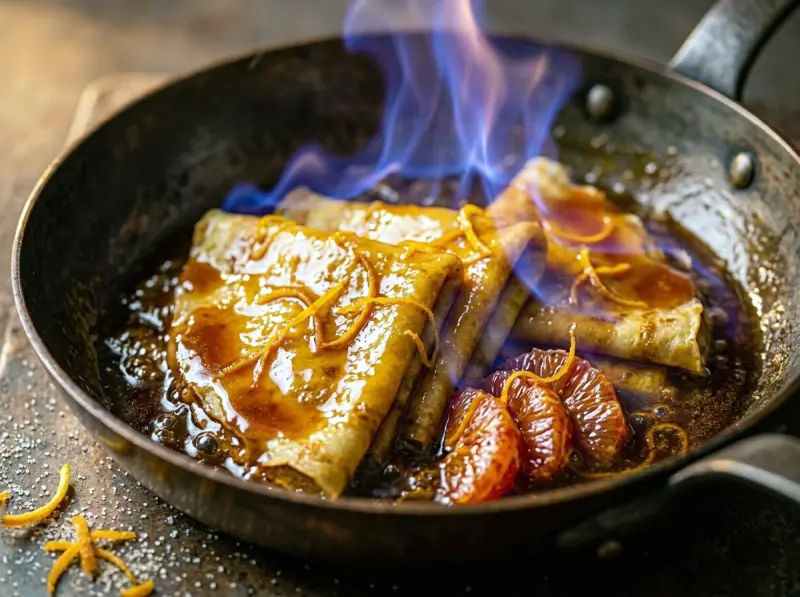
Crêpe Suzette is the most theatrical dessert in the French classical repertoire: paper-thin crêpes folded into quarters and bathed in a sauce of caramelized sugar, fresh orange juice, orange zest, and butter, finished with Grand Marnier poured into the pan and set alight at the table. The blue flames burn for 15 to 20 seconds, cooking off the alcohol while leaving the deep orange-liqueur flavor in the sauce. The dish was invented, by accident or by design, in Monte Carlo in 1895 — legend credits Henri Charpentier, a 14-year-old assistant waiter who accidentally ignited the sauce while preparing it for the Prince of Wales. The Prince, enchanted by both the flames and the result, named the dish after Suzette, a young woman at the table. Whether or not the story is true, the dish has remained the definitive French dessert-as-performance for over a century.

60 min380 kcal4 serves
🌿Vegetarian
4.4
Flour Tortillas (Tortillas de Harina)
🇲🇽MexicoMedium
Flour and Confectionery Products

Flour Tortillas (Tortillas de Harina)

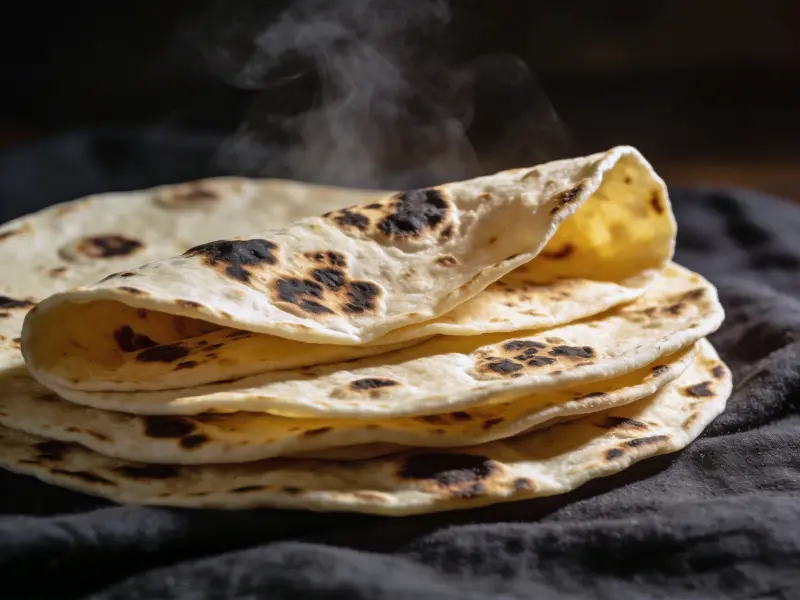
Tortillas de harina are the defining bread of Northern Mexico — particularly Sonora, where the Sonoran Desert's wheat-growing tradition produced a flatbread entirely different from the corn tortillas of central and southern Mexico. Made from just flour, lard, salt, and hot water, they are rolled thin and cooked on a dry, screaming-hot comal until dark blisters (leopard spots) appear and the tortilla puffs with steam. The result is soft, pliable, slightly chewy, and deeply wheaty — the essential wrapper for carne asada, burritos, quesadillas, and tacos. Lard is the defining ingredient: it coats the flour proteins, preventing excessive gluten development, and produces a tender, flexible tortilla that stays soft even when cold. Vegetable shortening is a practical substitute; butter gives richness but less pliability.

45 min160 kcal8 serves
🌱Vegan
4.5
Brioche
🇫🇷FranceAdvanced
Flour and Confectionery Products

Brioche

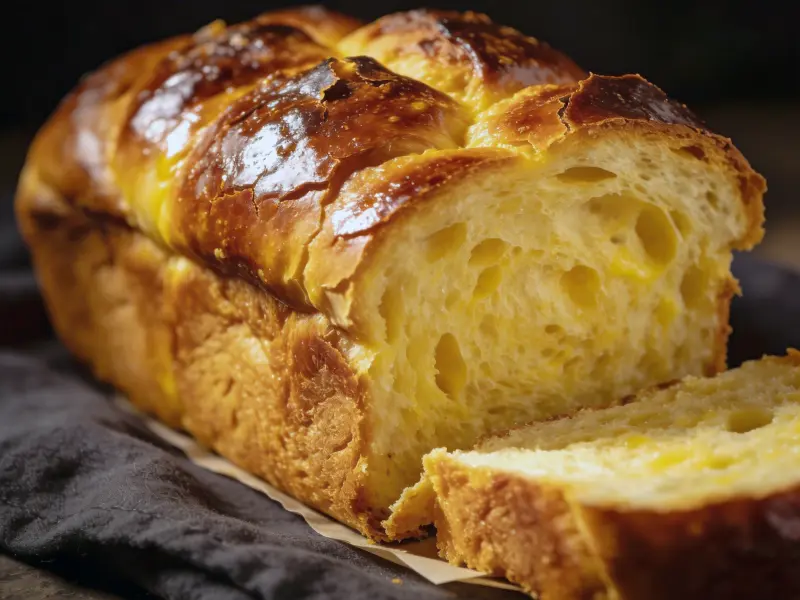
Brioche is the defining bread of French viennoiserie — a category that sits between bread and pastry. It is an enriched dough: plain flour combined with a quantity of butter (typically 40 to 50% of the flour weight), eggs, sugar, and a small amount of milk, kneaded until the butter is fully emulsified into the dough structure. The result is a loaf with a paper-thin, deeply burnished mahogany crust that shatters when touched, and an interior crumb that is yellow from egg yolks, feather-soft, and faintly sweet — closer to a very light cake than to bread. The technique demands patience: the butter is added cold and slowly after the dough has already developed gluten strength, and the dough rests overnight in the refrigerator so that the fats firm up and the fermentation develops flavor. Brioche is eaten for breakfast in France spread with jam, used as the base for French toast, bread pudding, and croque monsieur, or sliced and toasted to serve with foie gras.

1440 min340 kcal12 serves
🌿Vegetarian
4.4
Southern Cornbread (Cast Iron Skillet)
🇺🇸USAMedium
Flour and Confectionery Products

Southern Cornbread (Cast Iron Skillet)

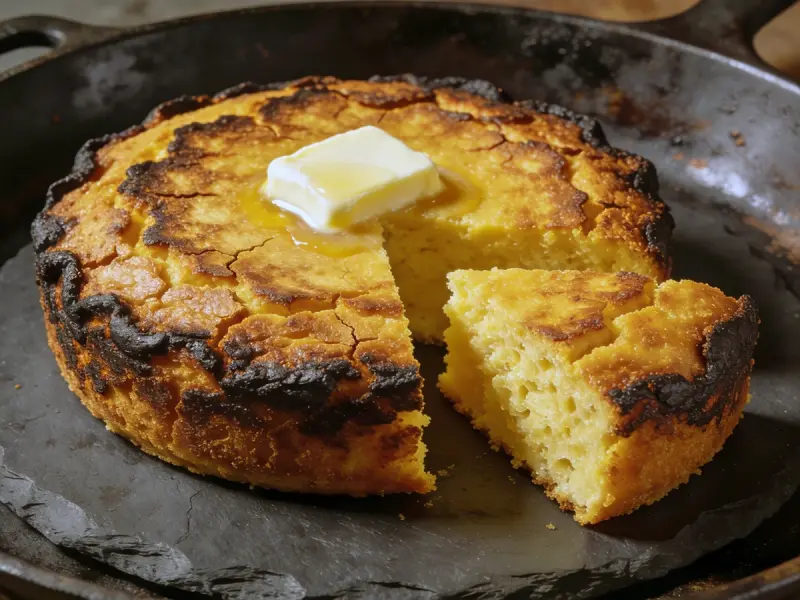
Southern cornbread is the defining quick bread of the American South — a flat, dense, crumble-textured bread made from stone-ground yellow or white cornmeal, buttermilk, and a little flour, baked in a pre-heated, well-seasoned cast-iron skillet slicked with bacon grease or butter. The screaming-hot skillet is the entire technique: the moment batter hits the hot fat, the outside layer of batter seizes and begins to fry, forming the characteristic crackling, dark-gold crust that no baking tin can replicate. The interior is tender, slightly tangy from buttermilk, and dense without being heavy. True Southern cornbread is not sweet — the North-South cornbread debate, still prosecuted with great passion across the United States, centers on sugar: Southern tradition holds that sugar has no place in cornbread. This recipe takes no position, but notes the matter in the FAQ.

35 min230 kcal8 serves
🌿Vegetarian
4.6
Scones (British Buttermilk Scones)
🇬🇧UKMedium
Flour and Confectionery Products

Scones (British Buttermilk Scones)

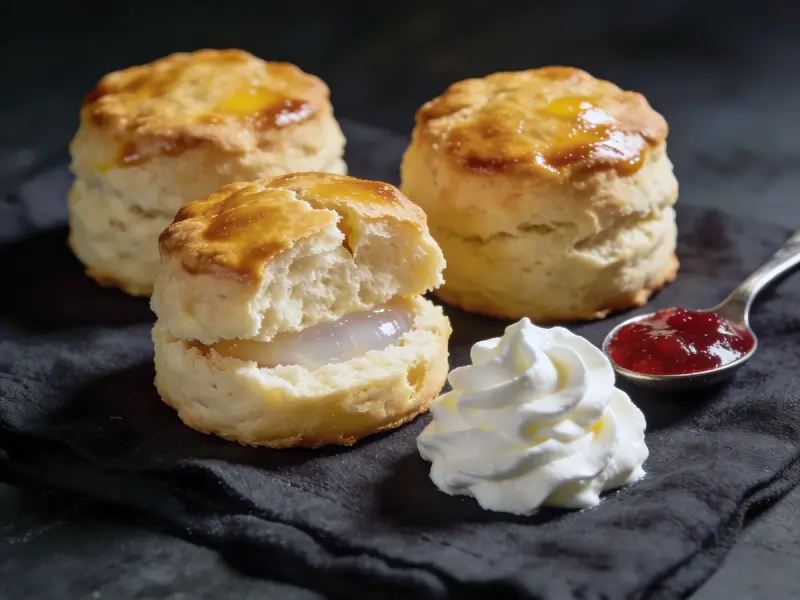
Scones are the cornerstone of the British cream tea — a tradition in which scones are served warm, split horizontally, spread with clotted cream and jam, and eaten in the afternoon alongside a pot of tea. Originating in Scotland in the early sixteenth century and associated with Devon and Cornwall in the south-west of England, they are a quick bread (leavened by baking powder rather than yeast) made from flour, cold butter, buttermilk, and a little sugar. The defining technique is the same as pastry-making: very cold butter worked into flour until it resembles breadcrumbs, combined with cold liquid to just bring the dough together — never kneaded. The cold butter pockets in the dough hit the hot oven and release steam, creating the characteristic slight flakiness and the dramatic rise that splits the scone naturally along the middle — the 'waist' — making it easy to break open by hand without a knife.

35 min260 kcal10 serves
🌿Vegetarian
4.5
Hot Cross Buns
🇬🇧UKAdvanced
Flour and Confectionery Products

Hot Cross Buns

Hot cross buns go back to 14th-century England — a monk at St Albans Abbey made spiced, fruit-studded sweet buns with a cross cut into the top and gave them to the poor on Good Friday. The cross meant something then. Now they mean spring, and they still smell extraordinary coming out of the oven. The dough is enriched with butter, eggs, and warm milk; spiced with cinnamon, allspice, and nutmeg; and loaded with plumped currants and orange zest. The cross is piped on with a simple flour paste before baking, then the finished buns get a sticky apricot glaze and an icing cross on top. Eat them warm, split and buttered, with tea.

180 min285 kcal12 serves
🌿Vegetarian
4.7
Harira
🇲🇦MoroccoAdvanced
Soups

Harira

Harira is Morocco's most important soup. The name comes from the Arabic word for silk — a reference to the velvety texture it gets from a flour-and-water slurry (tedouira) stirred in at the end. Every Moroccan family has their version, but the spine is always the same: tomatoes, chickpeas, lentils, fresh herbs, ginger, and warm spices. It is the soup that breaks the Ramadan fast every evening at iftar, served alongside dates, hard-boiled eggs, and chebakia cookies. It is also eaten through the rest of the year, as a starter or as a meal in itself. The lamb version is the most traditional, but the vegetarian version is nearly as popular.

90 min320 kcal6 serves
4.7
Ingredients

Goes well with

Other ingredients that appear most often alongside plain flour across the archive. Pick one to drill deeper.