

Ají Criollo
Ají criollo is the emulsified chilli sauce that sits on every table in a Peruvian chicken house and next to every charcoal grill in Lima. Fresh ají amarillo is deveined and softened, fried with onion and garlic, then blended with fresh cheese and evaporated milk while oil is streamed in to build a thick, glossy emulsion, with huacatay and coriander folded in at the end for the herbal edge. It is a condiment rather than a cooking sauce: nothing is simmered in it, and it goes onto roast chicken, anticuchos, boiled potatoes and fried cassava after they leave the fire. Ají amarillo itself carries far more fruit than heat, so the sharpness in a good version comes from the ají limo added separately.
Ingredients
- 6 piecesfresh ají amarillo
- 1 pieceají limo
- 1 piecered onion
- 3 clovesgarlic
- 20 ghuacatay leaves
- 20 gcoriander leaves
- 70 gqueso fresco
- 100 mlevaporated milk
- 120 mlvegetable oil
- 2 tbsplime juice
- 1 tspfine sea salt
Method
- Halve the ají amarillo lengthwise and scrape out the seeds and the pale ribs with a teaspoon. The ribs hold most of the heat and nearly all of the bitterness, so leaving them in gives a sauce that fights back rather than one you can spoon freely.

- Boil the cleaned chillies in water for 5 minutes, drain, and repeat once in fresh water if you want the sauce mild. Two changes of water take out most of the burn while the fruity aroma stays, which is the point of the technique.
- Fry the chopped onion and garlic in 2 tablespoons of the oil over medium heat for 5 to 6 minutes until translucent without colouring, then add the drained chillies and cook 3 minutes more so their raw edge cooks off.
- Tip the fried base into a blender with the queso fresco, evaporated milk, the whole ají limo and the salt, and blend 1 to 2 minutes until completely smooth with no flecks of cheese left.
- With the blender running at medium speed, pour in the remaining oil in a thin steady stream over about a minute. The sauce shifts from thin and dull to thick and glossy as it emulsifies; pouring faster than this splits it.

- Add the huacatay and coriander leaves and pulse for 10 seconds only. Longer blending warms the leaves and dulls the sauce to a khaki colour instead of the clean yellow-green it should be.
- Stir in the lime juice, check the salt and refrigerate for at least 30 minutes before serving. It is served cold, and the flavour tightens and settles as it chills.
FAQ
The oil went in too fast or the blender was stopped when it was added. Emulsions form only when oil enters a moving liquid in a thin stream. To rescue it, put a spoonful of queso fresco and a splash of evaporated milk in a clean blender and pour the split sauce into that slowly while it runs.
Four tablespoons of jarred ají amarillo paste replace the six fresh chillies and skip the deveining and boiling entirely, but the paste is already concentrated and hotter, so leave out the ají limo the first time and add it only after tasting. Frozen whole ají amarillo, if you can find it, behaves exactly like fresh. Jarred paste is sold in Latin American shops and online.
Five days in a sealed jar in the fridge, though the colour dulls from day two and the herbal note fades first. It freezes well for three months, which is the better option if you are making a full batch for two people. Use a clean spoon each time, because the cheese and milk make it spoil faster than a chilli sauce without dairy, and stir it before serving, since it thickens as it chills.
Salsa criolla is not a sauce at all but a salad of thinly sliced red onion with lime, chilli and coriander. Ají de huacatay pushes the herb to the front and often uses soaked cracker or bread for body, while this version leans on cheese and oil and keeps the huacatay as an accent. The practical difference is texture: ají criollo is blended smooth and creamy, while salsa criolla is chopped and raw.
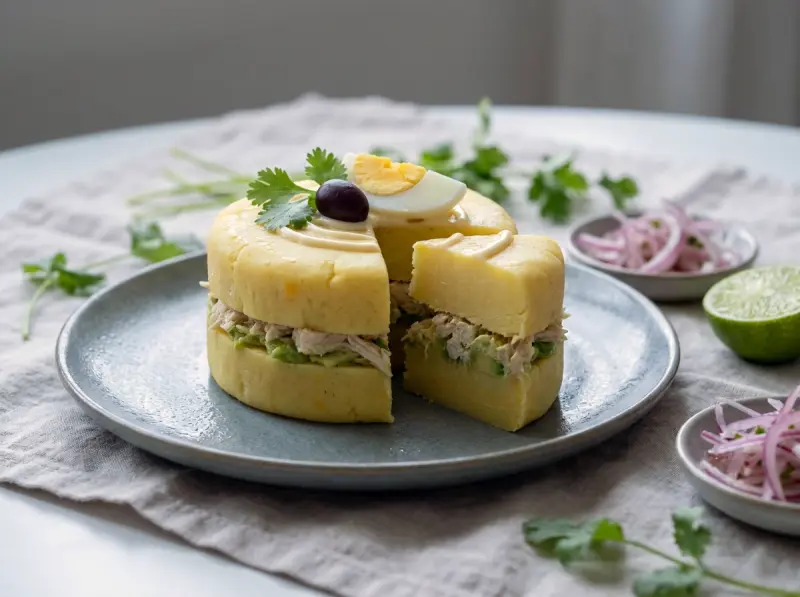
Roast or rotisserie chicken above all, plus anticuchos de corazón, boiled potatoes, fried cassava and salchipapas, always in a small bowl per person rather than poured over the plate. It is a condiment applied at the table, never a cooking medium. It also goes well next to causa limeña, where a spoonful lifts the cold potato layers.
Rate this
Recipes by email
One letter a week: a recipe picked for your taste, plus whatever is new on the site. Unsubscribe in one click.
Welcome gift: Sergei's cookbook (e-book).
By subscribing you agree to the privacy policy.
Tell us what you like to cook (30 seconds) →Keep browsing
More dishes from the Peruvian archive — picked by overlap with what you're cooking now.

Join the conversation
Comments
No comments yet — be the first!