Skip to content
GetCookMatch
⌘K
Ingredient

Sesame oil Recipes

31 recipes with sesame oil for weeknights, meal prep, and quick ingredient searches. Choose by time, cuisine, and what is in your kitchen.

31 recipes

Lo Mein
πŸ‡¨πŸ‡³ChinaMedium
Cereal and Pasta Dishes

Lo Mein

Soft egg noodles stir-fried with vegetables and protein in a glossy, savory sauce built on oyster sauce, light and dark soy sauce, Shaoxing wine, and sesame oil. Lo mein (捞青) translates from Cantonese as 'stirred noodles' β€” the name describes the cooking method, a scooping, tossing motion that coats every strand. Unlike chow mein, where the noodles are fried until crispy, lo mein noodles stay soft and slippery, coated in a thick, glossy sauce. The dark soy sauce is the detail that gives the dish its characteristic deep mahogany color; without it the dish looks pale. The sauce is premixed before the wok goes on β€” lo mein moves fast.

25 min520 kcal2 serves
⚑Quick
Japchae (Korean Glass Noodle Stir-Fry)
πŸ‡°πŸ‡·KoreaMedium
Cereal and Pasta Dishes

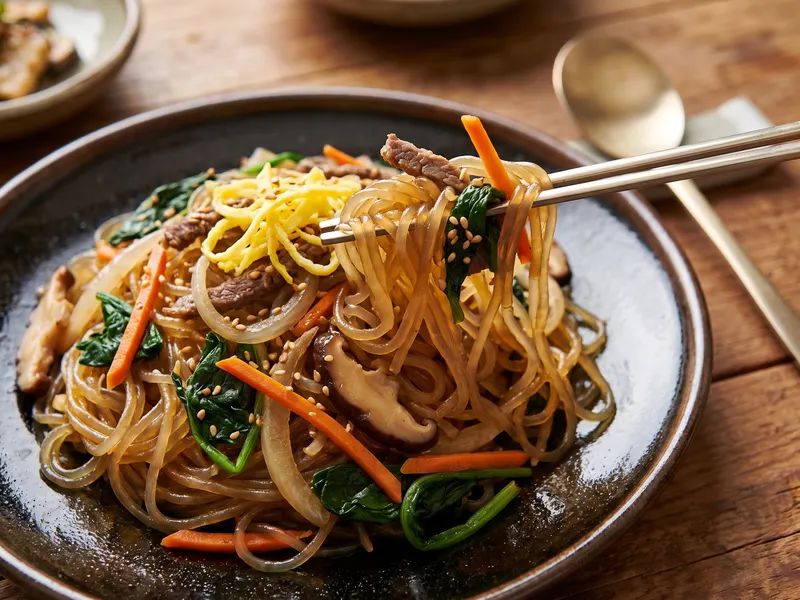
Japchae (Korean Glass Noodle Stir-Fry)

Korean sweet potato glass noodles stir-fried with colourful vegetables, marinated beef, and a savory-sweet sesame-soy dressing. Japchae (μž‘μ±„, literally 'mixed vegetables') is one of Korea's most beloved festive dishes β€” served at holidays, birthdays, and celebrations, but easy enough for any weeknight. The dangmyeon noodles are the star: made from sweet potato starch, they are naturally gluten-free, translucent when cooked, and have a distinctly springy, slightly slippery chew unlike any other noodle. The dish is traditionally assembled in a large bowl rather than continuously stir-fried, because each vegetable is cooked separately to preserve its color and texture. The effort is real but the result β€” a glossy, sesame-fragrant tangle of textures and colors β€” is worth every pan.

40 min420 kcal4 serves
🌾Gluten-free
Bibimbap (Korean Mixed Rice Bowl)
πŸ‡°πŸ‡·KoreaAdvanced
Meat Dishes

Bibimbap (Korean Mixed Rice Bowl)

Korea's most celebrated rice dish: a bowl of short-grain rice topped with individually seasoned and cooked vegetables (namul), thinly sliced marinated beef, a sunny-side-up egg, and gochujang sauce β€” then mixed together at the table before eating. The name says it exactly: bibim means 'mixing', bap means 'cooked rice'. Each vegetable component is prepared separately to preserve its own color, texture, and flavor. The dolsot version (stone bowl bibimbap) adds one more element: the rice touching the bowl's searing hot walls forms nurungji β€” a golden crispy crust at the bottom, considered the best bite in the dish. Considered the national dish of Jeonju, the city in South Korea's Jeolla province regarded as bibimbap's birthplace.

60 min570 kcal4 serves
🌢️SpicyπŸ’ͺHigh protein
Sundubu Jjigae (Korean Soft Tofu Stew)
πŸ‡°πŸ‡·KoreaMedium
Soups

Sundubu Jjigae (Korean Soft Tofu Stew)

One of Korea's three great jjigae alongside kimchi jjigae and doenjang jjigae: silky uncurdled soft tofu (sundubu) spooned in large chunks into a fiery gochugaru-and-anchovy broth with kimchi, pork belly, zucchini, and mushrooms. An egg is cracked into the boiling pot at the table β€” the residual heat soft-sets it. The stew arrives bubbling in a clay pot (ttukbaegi), surrounded by rice and banchan. Jjigae means stew in Korean; sundubu means extra-soft tofu. The tofu gives no flavor of its own β€” it is a soft, silent canvas that absorbs the intensely seasoned broth and contrasts its silkiness against the spice and the chew of pork and vegetables.

35 min280 kcal4 serves
🌢️Spicy
Bibim Guksu (Korean Spicy Cold Noodles)
πŸ‡°πŸ‡·KoreaMedium
Cereal and Pasta Dishes

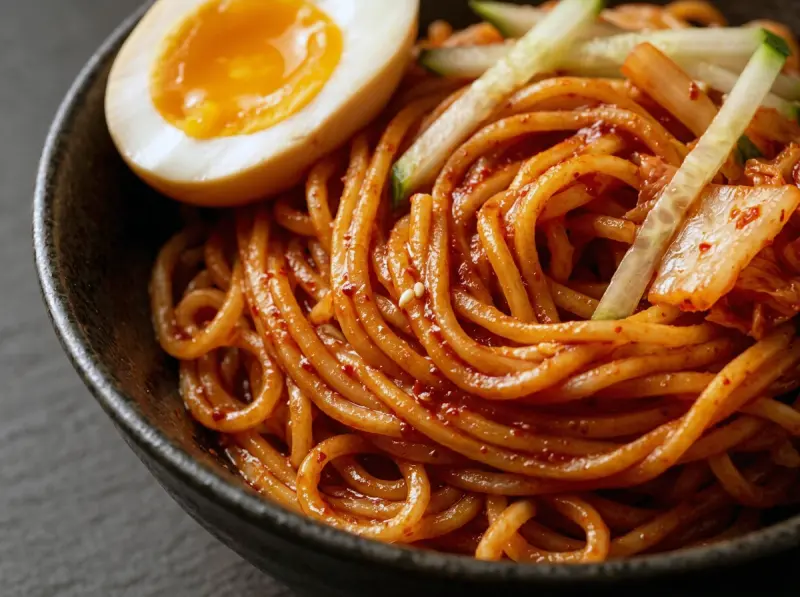
Bibim Guksu (Korean Spicy Cold Noodles)

Bibim guksu is the Korean summer dish that takes fifteen minutes and requires almost no cooking. Thin wheat noodles, shocked in ice water until they bounce back against your teeth, coated in a gochujang sauce that is simultaneously hot, sour, sweet, and faintly fermented. Topped with kimchi, cucumber, and a soft-boiled egg. The word bibim means mixed β€” everything goes in the bowl and you toss it with your hands.

15 min380 kcal2 serves
🌢️Spicy⚑QuickπŸ’ͺHigh protein
Galbi-jjim (Korean Braised Short Ribs)
πŸ‡°πŸ‡·KoreaAdvanced
Meat Dishes

Galbi-jjim (Korean Braised Short Ribs)

Galbi-jjim is Korea's celebration dish β€” beef short ribs braised low and slow in a dark, glossy soy sauce until the meat slides from the bone. Grated Korean pear tenderizes the beef and lends a clean sweetness that balances the salt, while radish, carrot, shiitake, chestnuts, and jujubes soak up the sauce alongside it. Served at holidays and family gatherings, it's the kind of dish that fills a house with its smell for hours.

150 min620 kcal6 serves
πŸ’ͺHigh protein
Dumpling Bake with Coconut Curry
πŸ‡ΊπŸ‡ΈUSAMedium
Cereal and Pasta Dishes

Dumpling Bake with Coconut Curry

The dumpling bake is a modern American shortcut that earned its reputation honestly: a coconut and red curry sauce whisked straight into the baking dish, a bag of frozen dumplings set into it, foil on top, and half an hour later a pan of tender dumplings sitting in a silky, spoonable broth. Nothing is fried, nothing is folded, and the dumplings absorb the curry as they steam. Finished with chili crisp and coriander, it tastes far more deliberate than the effort it takes.

45 min520 kcal4 serves
🌢️Spicy
Ingredients

Goes well with

Other ingredients that appear most often alongside sesame oil across the archive. Pick one to drill deeper.