Skip to content
GetCookMatch
⌘K
Ingredient

Soy sauce Recipes

Browse 53 recipes with soy sauce on GetCookMatch.

Bibimbap (Korean Mixed Rice Bowl)
πŸ‡°πŸ‡·KoreaAdvanced
Meat Dishes

Bibimbap (Korean Mixed Rice Bowl)

Korea's most celebrated rice dish: a bowl of short-grain rice topped with individually seasoned and cooked vegetables (namul), thinly sliced marinated beef, a sunny-side-up egg, and gochujang sauce β€” then mixed together at the table before eating. The name says it exactly: bibim means 'mixing', bap means 'cooked rice'. Each vegetable component is prepared separately to preserve its own color, texture, and flavor. The dolsot version (stone bowl bibimbap) adds one more element: the rice touching the bowl's searing hot walls forms nurungji β€” a golden crispy crust at the bottom, considered the best bite in the dish. Considered the national dish of Jeonju, the city in South Korea's Jeolla province regarded as bibimbap's birthplace.

60 min570 kcal4 serves
🌢️SpicyπŸ’ͺHigh protein
β˜…4.8
Tteokbokki (Korean Spicy Rice Cakes)
πŸ‡°πŸ‡·KoreaMedium
Appetizers and Sandwiches

Tteokbokki (Korean Spicy Rice Cakes)

Korea's most iconic street food: thick cylindrical rice cakes (garaetteok) simmered in a fiery, sweet-glossy gochujang sauce until soft and bouncy, with fish cake sheets and boiled eggs absorbing the sauce alongside. The sauce coats every piece in a deep red lacquer. Sold from street carts (pojangmacha) all over Korea, especially around school exits in the afternoon. The modern gochujang version was born in post-Korean War Sindang-dong, Seoul, when vendors replaced expensive royal court ingredients with affordable fermented chilli paste. The sauce must be sweet as well as hot β€” that balance is what makes it addictive. Best eaten immediately while the rice cakes are at peak chewiness.

30 min390 kcal4 serves
⚑Quick🌢️Spicy
β˜…4.9
Yakitori (Japanese Grilled Chicken Skewers)
πŸ‡―πŸ‡΅JapanMedium
Meat Dishes

Yakitori (Japanese Grilled Chicken Skewers)

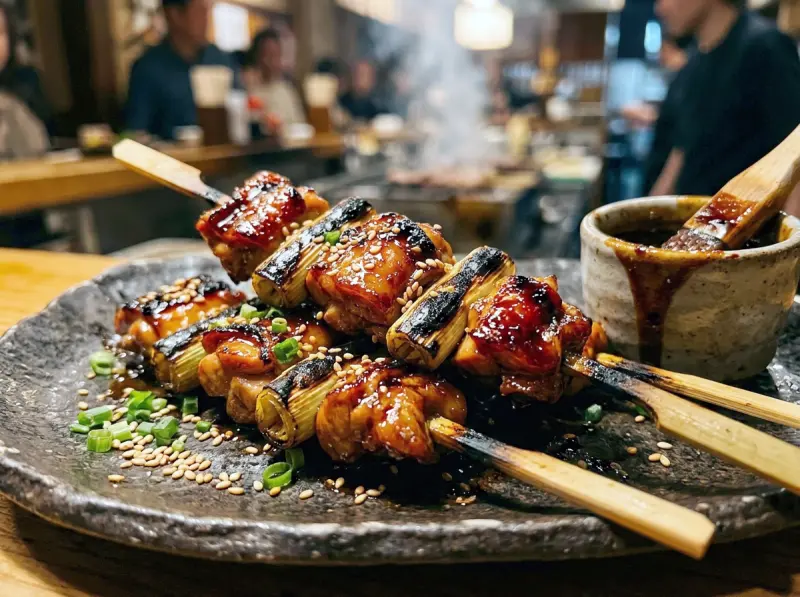
Yakitori (焼きι³₯, yaki = grilled, tori = bird) is one of Japan's most beloved street foods and izakaya staples β€” bite-sized pieces of chicken threaded onto bamboo or metal skewers and grilled over charcoal, seasoned with either coarse salt (shio style) or brushed repeatedly with tare, a soy-mirin-sake glaze that caramelizes into a lacquered, sweet-savory coating. Authentic yakitori is cooked over binchotan (η™½η‚­), a white oak charcoal that burns at very high temperature with minimal smoke, allowing the fat dripping from the chicken to produce fragrant vapour rather than flare-ups. The two defining skewer styles covered here are negima (ねぎま) β€” chicken thigh alternated with long onion β€” and the plain momo (γ‚‚γ‚‚) thigh skewer. Both are grilled in multiple passes, dipped in tare, returned to the grill, and repeated until the exterior is lacquered dark and the interior is cooked through.

60 min310 kcal4 serves
🌾Gluten-freeπŸ’ͺHigh protein
β˜…4.8
Bibim Guksu (Korean Spicy Cold Noodles)
πŸ‡°πŸ‡·KoreaMedium
Cereal and Pasta Dishes

Bibim Guksu (Korean Spicy Cold Noodles)

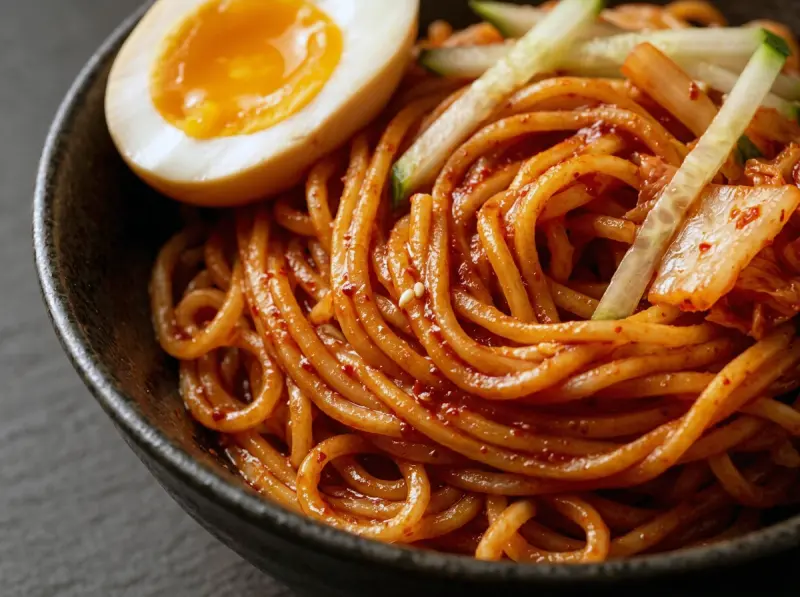
Bibim guksu is the Korean summer dish that takes fifteen minutes and requires almost no cooking. Thin wheat noodles, shocked in ice water until they bounce back against your teeth, coated in a gochujang sauce that is simultaneously hot, sour, sweet, and faintly fermented. Topped with kimchi, cucumber, and a soft-boiled egg. The word bibim means mixed β€” everything goes in the bowl and you toss it with your hands.

15 min380 kcal2 serves
🌢️Spicy⚑QuickπŸ’ͺHigh protein
β˜…4.5
Jjajangmyeon (Korean Black Bean Noodles with Pork and Vegetables)
πŸ‡°πŸ‡·KoreaAdvanced
Cereal and Pasta Dishes

Jjajangmyeon (Korean Black Bean Noodles with Pork and Vegetables)

Jjajangmyeon is a Korean-Chinese noodle dish of thick chewy wheat noodles topped with a glossy black sauce of fried chunjang (Korean fermented black soybean paste), pork belly, onions, potato, zucchini, and cabbage. The dish was developed in 1905 by Chinese immigrants at the Gonghwachun restaurant in Incheon's Chinatown, adapted from Beijing zha jiang mian to suit Korean tastes β€” sweeter, with caramelized chunjang and starchier vegetables. Today it is one of Korea's national comfort foods, sold in every neighbourhood and traditionally eaten on Black Day (April 14) by single people who got no Valentine's gift. Active work is 35 minutes, no long simmer needed. Serves 4 with 200 g noodles and 250 ml sauce per portion, topped with julienned cucumber for fresh contrast.

35 min720 kcal4 serves
πŸ’ͺHigh protein
β˜…4.9
Ingredients

Goes well with

Other ingredients that appear most often alongside soy sauce across the archive. Pick one to drill deeper.