Apple season arrives all at once. One week there are no local apples, the next there's a crate by the door from someone's garden and half of them are bruised. What follows is ordered by how much work they ask of you, starting with the one you can make tonight.
Which apples, and why it matters
Baking apples and eating apples are not the same fruit. A firm, tart apple holds its shape and balances sugar: Antonovka in Russia and Poland, Bramley in Britain, Granny Smith almost everywhere. Soft sweet varieties like Red Delicious collapse into wet mush and make the pastry underneath soggy.
If all you have is sweet apples, cut the sugar in the recipe and add lemon juice. If all you have is bruised apples, cut out the bruise and use them today: damaged fruit ripens fast and takes its neighbours with it.
The one you can make tonight
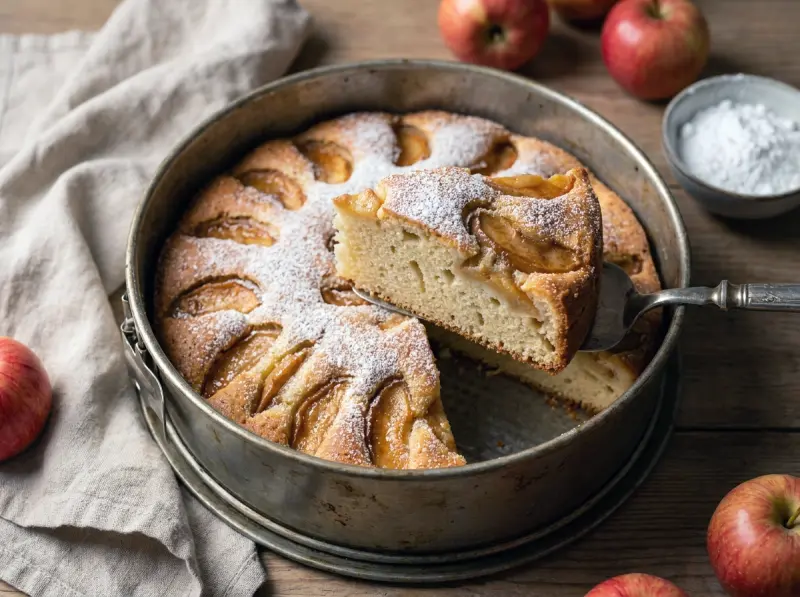
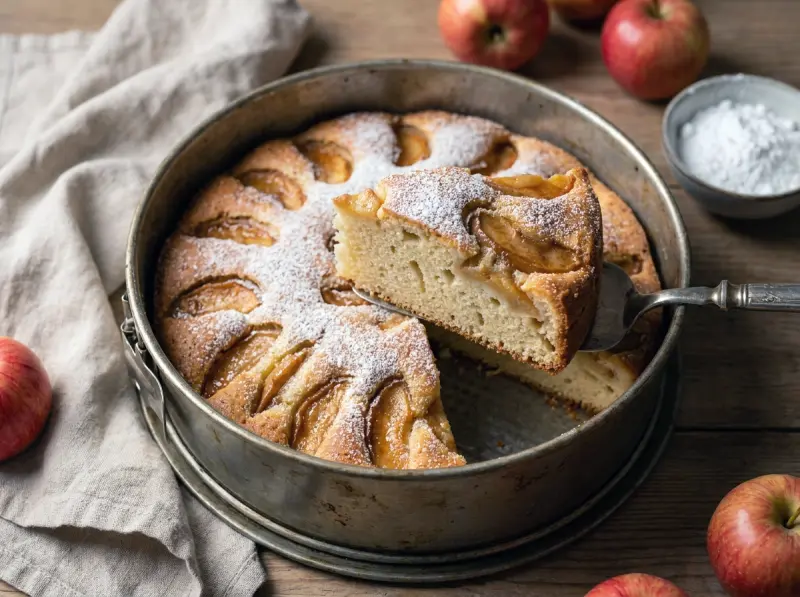
Sharlotka is the Russian answer to a basket of apples: eggs, sugar, flour, apples, and no butter anywhere in it. The eggs are beaten until pale and tripled in volume, and that air does most of the lifting, so folding the flour in gently is the whole technique. The apples should fill the tin almost to the top; the batter is only there to hold them together.
The one everyone pictures
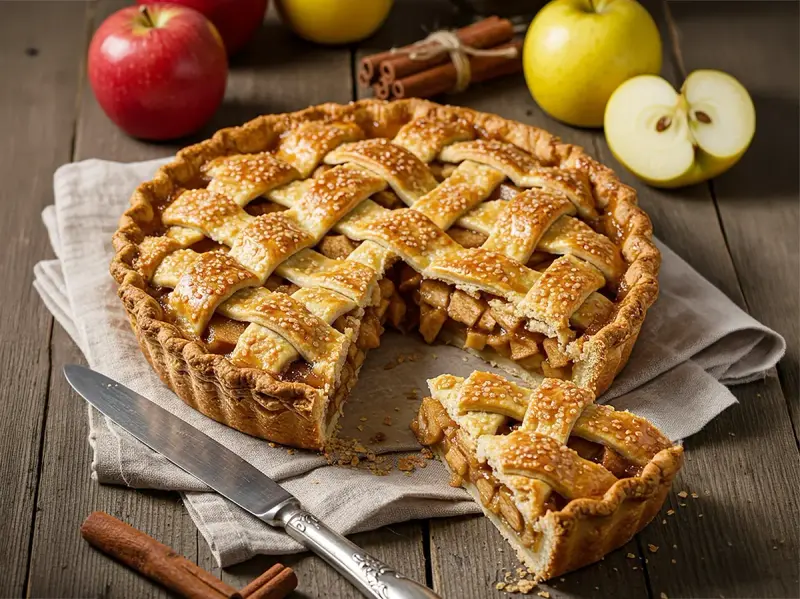
Apple pie is more work and more reward. The two problems are a soggy bottom and a gap under the lid where the filling has shrunk. Both come from water. Toss flour through the filling before it goes into the shell so the juice thickens rather than pools, and start the pie hot: 220°C for the first fifteen minutes sets the bottom crust before the apples let go, then down to 175°C for the rest of the bake. Keep the butter in the pastry cold enough that you can still see flecks of it when you roll.
The one that takes an afternoon
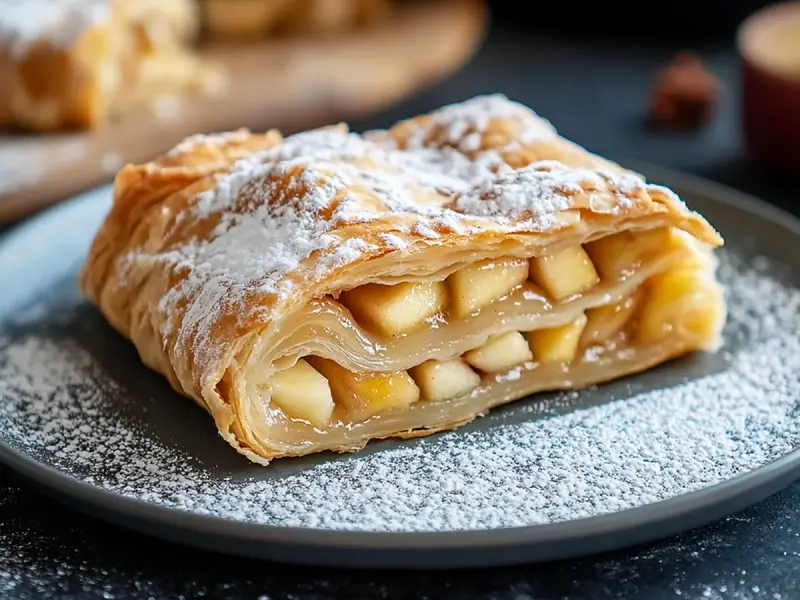
Viennese strudel is a project, and the dough is the point. Give it half an hour of rest before you roll: relaxed gluten goes thin and stays thin, unrested gluten springs back at you. Breadcrumbs mixed through the apples soak up the juice so the pastry underneath stays crisp, and cinnamon and raisins do the rest.
The one for a crowd
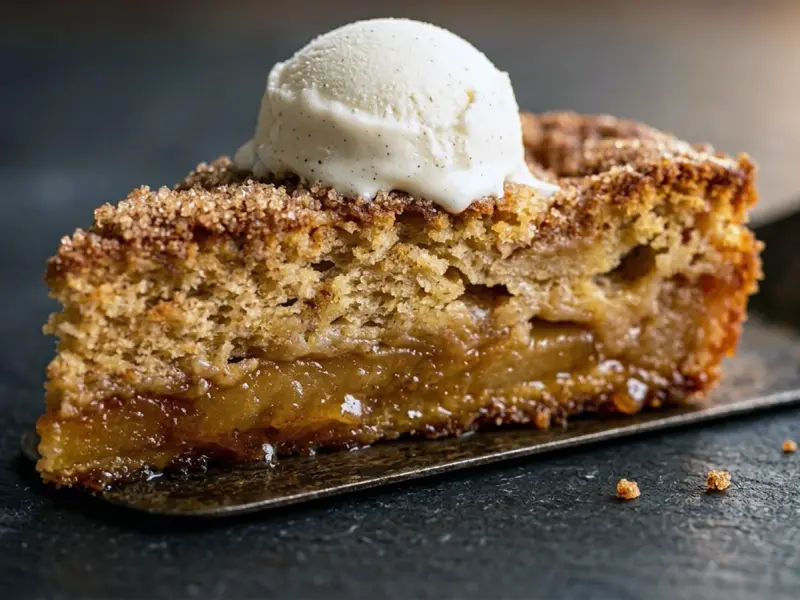
Apple kugel sits between a bake and a pudding, and it's the easiest way to use a lot of apples at once without rolling anything. It travels well, feeds a table, and is as good at room temperature the next day as it is warm from the oven.
The one you drink
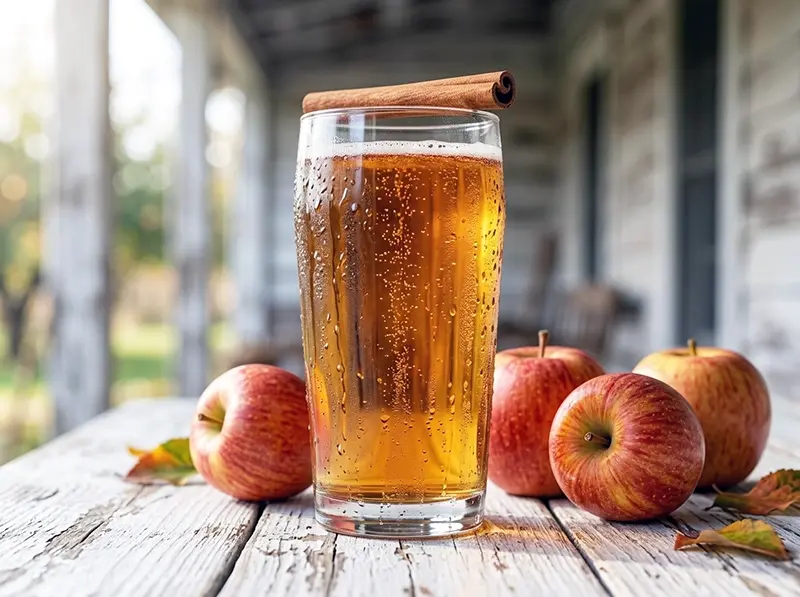
Cider is where bruised apples belong: damaged fruit presses exactly as well as perfect fruit, and once the juice is out nobody can tell the difference. Keep the skins on when you press, because they carry tannin and wild yeast. After that it's juice, yeast and a few weeks of waiting, and what comes out tastes nothing like the apples you started with.
The one that isn't sweet
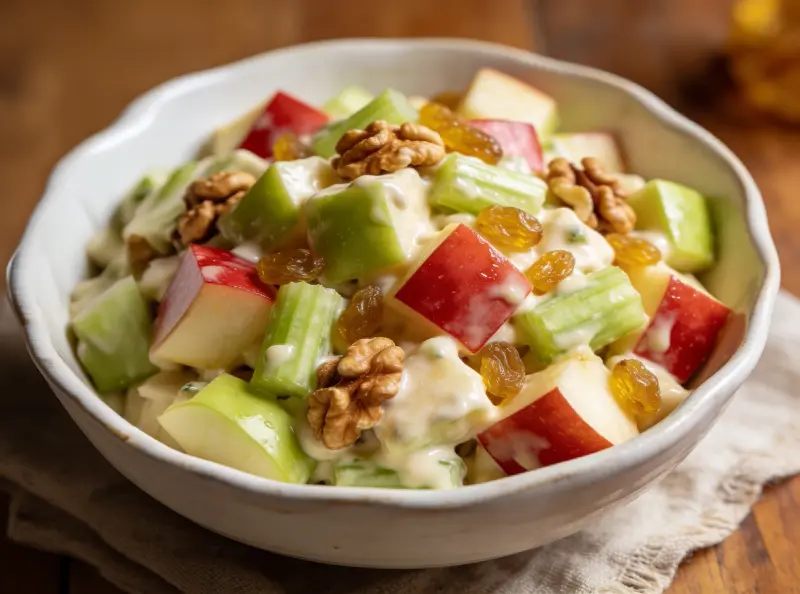
Apples do savoury work too. Waldorf salad is the standard: apple, celery, walnuts, a mayonnaise dressing, and enough acid that the fruit stays bright rather than beige. It's a good side for roast pork or duck for the same reason apple sauce is.
Two more savoury places apples turn up: forshmak, where grated apple softens salt herring, and coleslaw, where it does the same job for raw cabbage.
When there are still apples left
There always are. Russian cooks solve it by drying purée in a low oven for hours until it turns into pastila, a chewy apple sweet that keeps for months, or by whipping it with egg white into zefir. Both start as a way to store fruit and end up as confectionery, which is the most sensible thing anyone has done with a surplus.
Stopping them going brown
Cut apples brown because an enzyme meets air. Lemon juice slows it, salted water slows it more, and neither matters if the apples are going straight into a hot oven. For salads, dress them immediately rather than after slicing everything.
Keeping them
Whole apples last for months in a cold place if they aren't touching each other and none of them are bruised. One rotting apple really does spoil the rest: it releases ethylene, which ripens everything nearby. Check the crate weekly and take out anything soft. Cut apples keep two days in the fridge, cooked apples about four.