
Pumpkin spice, or pumpkin pie spice, is an American blend of ground spices made for pumpkin pie filling: cinnamon, ginger, nutmeg and cloves, sometimes with allspice. There is no pumpkin in it. The name says what the blend goes into, so a drink can be "pumpkin spice" without any pumpkin.
Most hot drinks people make in autumn are built the same way. You take a liquid (milk, water, wine or coffee), heat it with spices and, in most cases, stop short of a boil. The spices overlap with the pie blend: cinnamon is in five of the eight recipes below, cloves and ginger in four each. What changes from country to country is the liquid and the sweetener. Here are eight, each with the step that decides the cup.
Pumpkin spice latte
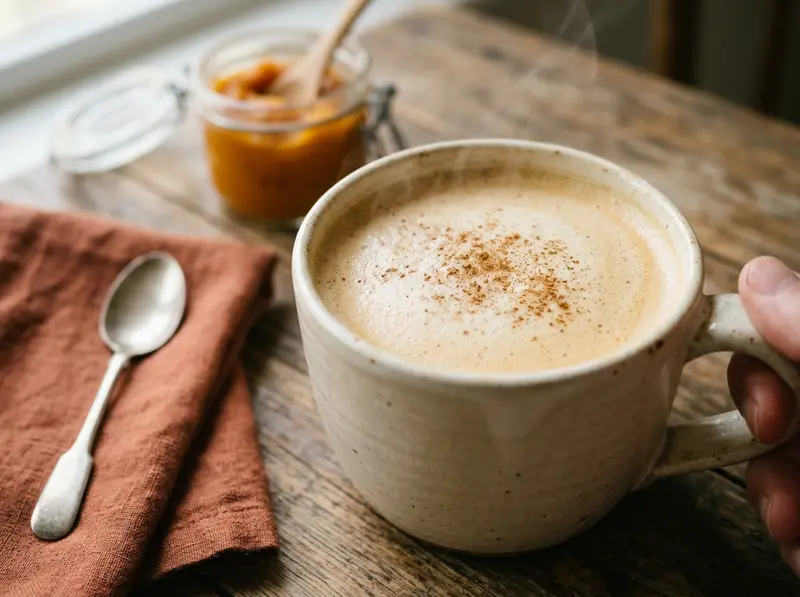
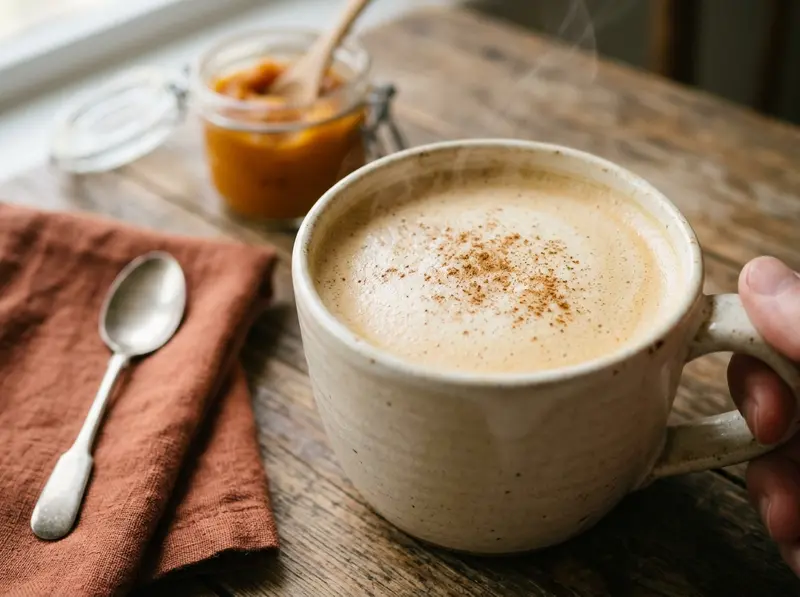
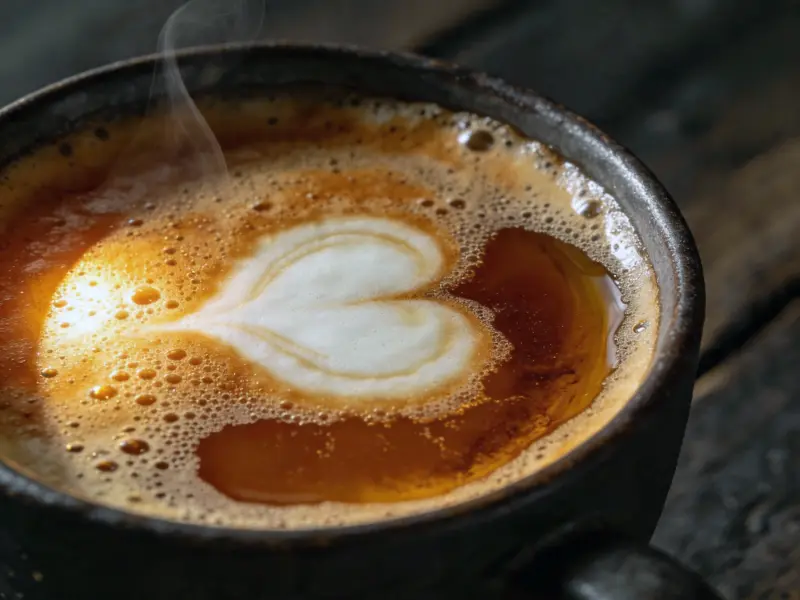
A pumpkin spice latte, PSL for short, is an American coffee drink: espresso or strong coffee topped up with hot milk, sweetened, and flavored with the four pie spices. Starbucks developed its version in Seattle in 2003 and rolled it out across its US stores in fall 2004. Real pumpkin went into its sauce only in 2015.
Our home version does use pumpkin, 2 tablespoons of canned puree per mug, and it needs no espresso machine. The step that matters is cooking the puree with the spices for about 2 minutes before any milk goes in. Pumpkin is mild on its own, and that short cooking brings out its sweetness. Then keep the milk below a boil, because boiling can turn the pumpkin grainy. Buy plain puree, not sweetened pie filling. The same four spices season our pumpkin pie, and the pumpkin guide covers the squash itself.
Chai latte
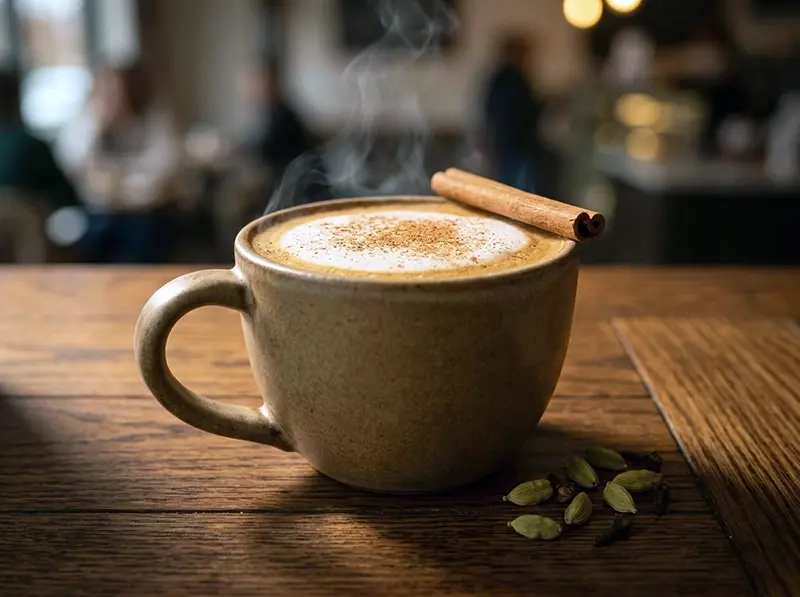
Chai latte is black tea simmered with whole spices, strained, and finished with hot frothed milk. The spices here are cardamom, cinnamon sticks, cloves, black peppercorns and fresh ginger. Toast the dry ones in the pan for 30 to 40 seconds, simmer them in water for 8 to 10 minutes, and only then add the tea, off the heat, for exactly 5 minutes. Black tea left longer goes bitter.
Hot chocolate
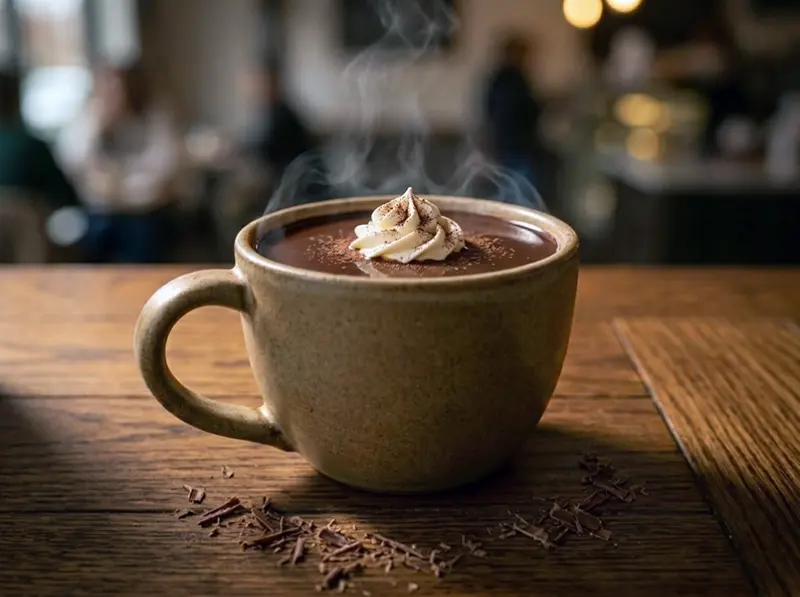
Real hot chocolate is dark chocolate melted into hot whole milk, with a spoonful of cocoa powder and a pinch of salt. The French version, chocolat chaud, is served thick enough to drink slowly; ours sits between that and the thinner American style.
Two things keep it smooth. Whisk the cocoa into the milk while it is still cold, and chop the chocolate into 2 to 3 mm pieces so it melts quickly and evenly. Heat the milk to around 70°C and no further, or the chocolate splits.
Mulled wine (Glühwein)
The mulled wine on this site is German Glühwein, the hot spiced red wine sold at German Christmas markets. It is wine, sugar, orange and whole spices: cinnamon, cloves, star anise, cardamom. EU rules define Glühwein as made only from wine and forbid adding water.
Temperature is the whole job. Hold the pot near 70°C, covered, for 20 to 30 minutes. Ethanol boils at 78.3°C, so bubbles in the middle of the pan mean you are losing the alcohol. Strain the spices out before serving, or the wine turns bitter.
Golden milk
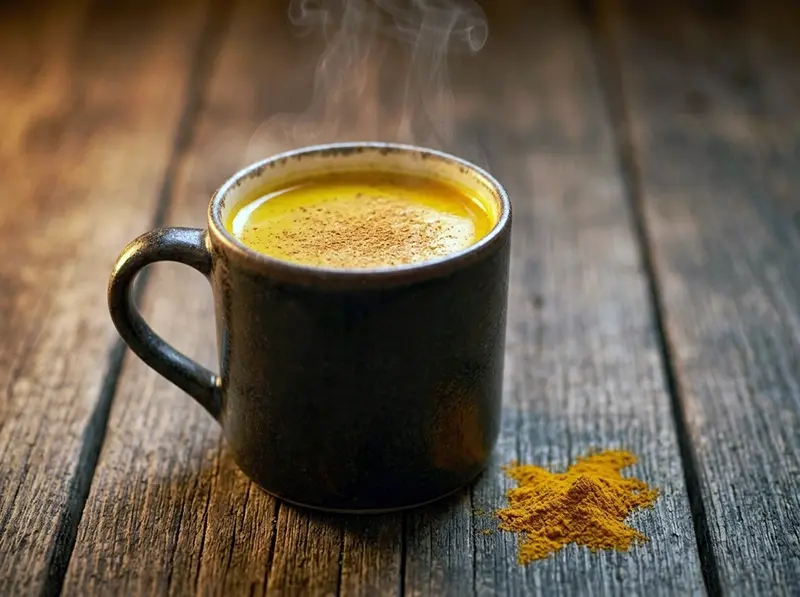
Golden milk, also called turmeric latte, is warm milk with turmeric, ginger, cinnamon and a pinch of black pepper. In Hindi it is haldi doodh, an old drink taken before sleep.
Turmeric clumps badly in hot liquid, so whisk all the spices into cold milk first and then heat gently to 70 to 75°C, which takes 4 to 6 minutes. The spices settle fast in the mug, so stir before each sip.
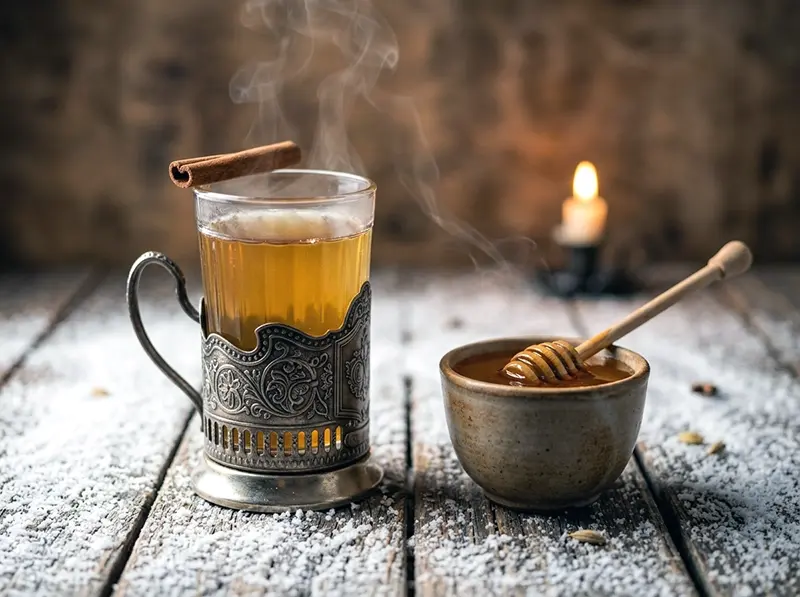
Sbiten
Sbiten is an old Russian hot drink: water simmered with cinnamon, cloves, ginger, allspice, black pepper and bay leaf, then sweetened with honey. Street sellers used to carry it hot in cloth-wrapped flasks, until tea became the everyday drink in Russia.
The honey goes in last. Simmer the spices for 12 to 15 minutes, take the pan off the heat, wait 2 to 3 minutes until the liquid drops below 80°C, and only then stir in the honey, which keeps more of its aroma when it isn't boiled. Buckwheat honey gives the deepest, most traditional flavor.
Hojicha latte
Hojicha is roasted Japanese green tea: reddish brown, nutty, faintly caramelised. A hojicha latte is hojicha powder whisked into a paste with a little hot water and topped with frothed milk. The water should be 80°C. Boiling water turns hojicha bitter and woody. Make the paste first and whisk it smooth, because powder dropped straight into milk clumps.
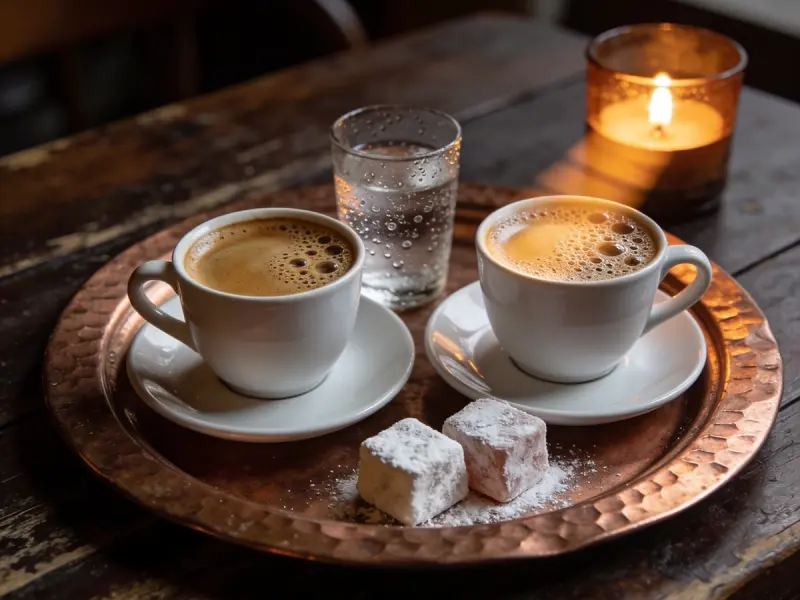
Turkish coffee
Turkish coffee is a method, not a type of coffee. Powder-fine grounds are heated unfiltered in a small long-handled pot called a cezve and poured into the cup without straining, so the grounds settle at the bottom. Start with cold water over the lowest heat and take the pot off as the foam rises to the rim. It should never boil. Sugar goes in before heating or not at all, since stirring afterwards destroys the foam. Cardamom is the only spice, and it is optional.
Which one to make
If you are avoiding caffeine, read the ingredient lists: golden milk, sbiten and mulled wine contain no coffee, tea or chocolate. The latte works with decaf, and hojicha has a fraction of the caffeine of matcha or coffee.
Mulled wine is the only one with alcohol. Sbiten is the nearest thing without it: the same kind of whole spices, simmered in water and sweetened with honey.
Several can be made ahead. Chai concentrate keeps for 7 days in the fridge, golden milk for up to 5, hot chocolate for up to 4, and the cooked pumpkin base for the latte for up to 3. Mulled wine is rounder a day later, as long as the spices came out before it went into the fridge. Turkish coffee and sbiten are made right before you serve them.