



Fermented foods are foods that bacteria, yeasts or moulds have partly digested before you eat them. The microbes feed on sugars and starches and leave behind acids, gas and sometimes a little alcohol, and those by-products are what make sauerkraut sour, kvass fizzy and miso deep and savoury. Sauerkraut, kimchi, yogurt, kefir, miso, tempeh, sourdough bread, kvass and kombucha all belong here, and so do cheese, soy sauce and wine. The Russian word is квашеные продукты, the German one is fermentierte Lebensmittel, and in Korean kitchens the whole idea goes by 발효 (balhyo).
Autumn is when a lot of this happens at home. Cabbage is cheap and at its best, and families in Germany, Poland and Russia put up sauerkraut in October, while Korean households make the winter kimchi, kimjang, in November and December. Below are seven dishes from the site, each built on a different ferment, and one thing about them that matters more than most articles admit.
Live or cooked: the difference that matters
Fermented and "contains live cultures" are not the same thing. The bacteria survive only in foods that are never heated after fermenting: raw sauerkraut and kimchi from the fridge, yogurt, kefir, ayran, unpasteurised miso stirred into broth off the heat. Bake the bread, simmer the shchi or fry the tempeh, and the microbes die. The flavour stays, and so do the acids and the easier-to-digest proteins, but the living part is gone.
That is why the evidence people quote is about live ferments. In a 2021 Stanford trial published in the journal Cell, 36 healthy adults were split between a high-fibre diet and a diet rich in fermented foods for ten weeks. The fermented group worked up to about six servings a day of yogurt, kefir, kimchi, sauerkraut and kombucha, and in that group, not the fibre group, gut bacteria became more diverse and several inflammation markers in the blood went down. It was a small study, and it does not mean a spoonful of kimchi fixes anything. It does suggest the raw, fridge-kept versions are the ones worth eating regularly.
Shop labels help. "Pasteurised" on a jar of sauerkraut or miso means the cultures were killed to make it shelf-stable. Look in the chilled section for "unpasteurised", "raw" or "live cultures".
Kimchi: the one to make this month
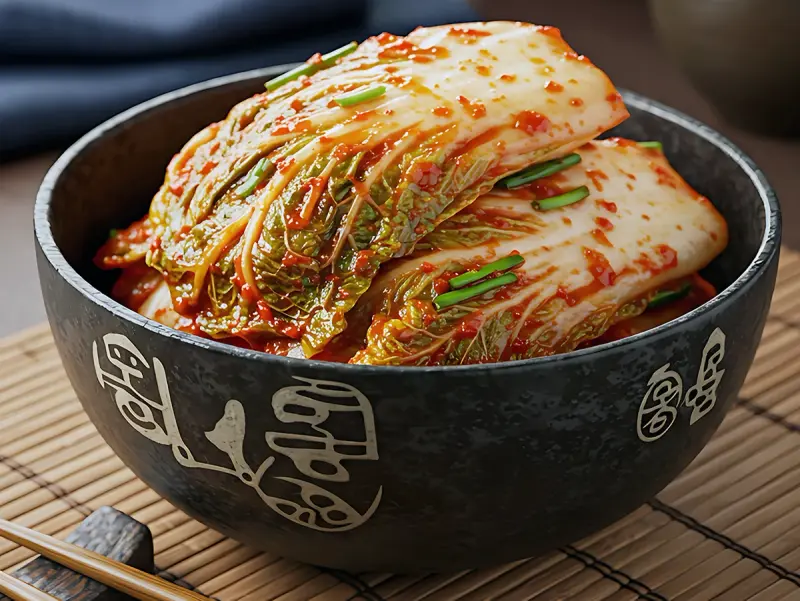
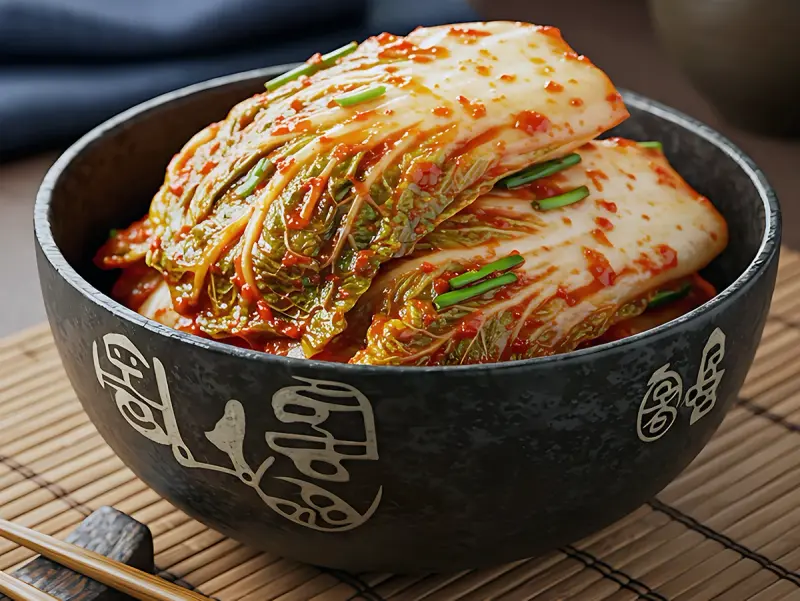
Kimchi is napa cabbage salted for two hours, rinsed, then rubbed with a paste of gochugaru chilli flakes, garlic, ginger, fish sauce and a little cooked rice flour, which gives the bacteria something to start on. Pack it tightly into a jar and leave it at room temperature for one to five days, tasting daily, then move it to the fridge where it keeps souring slowly for weeks.
Young kimchi is crisp and fresh. After a month it turns sharply sour, and that is the stage Koreans cook with.
Kimchi jjigae: what old kimchi is for
Kimchi jjigae is the stew that uses up kimchi past its crunchy best. The kimchi is fried with pork belly until its brine darkens, then simmered in anchovy stock with gochujang, and tofu goes in at the end. The live cultures do not survive the pot, but the acidity is the whole flavour of the dish: fresh kimchi makes a flat, sweetish stew.
Sauerkraut shchi: fermented cabbage, Russian style
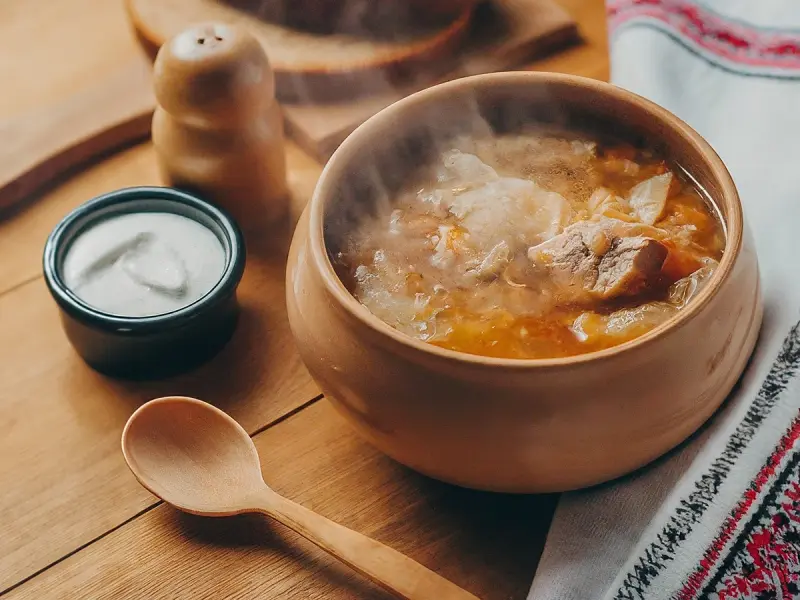
Sauerkraut is only cabbage and salt, about 20 g of salt per kilo of shredded cabbage, pressed under its own brine for one to three weeks. Eaten raw with oil and onion it is a live ferment. In sauerkraut shchi it becomes the base of one of Russia's oldest soups: the cabbage is braised with tomato paste, then simmered with beef broth and potatoes for hours. If your sauerkraut is very sour, rinse it lightly and keep the brine to adjust the soup at the end.
Miso soup: add the miso last
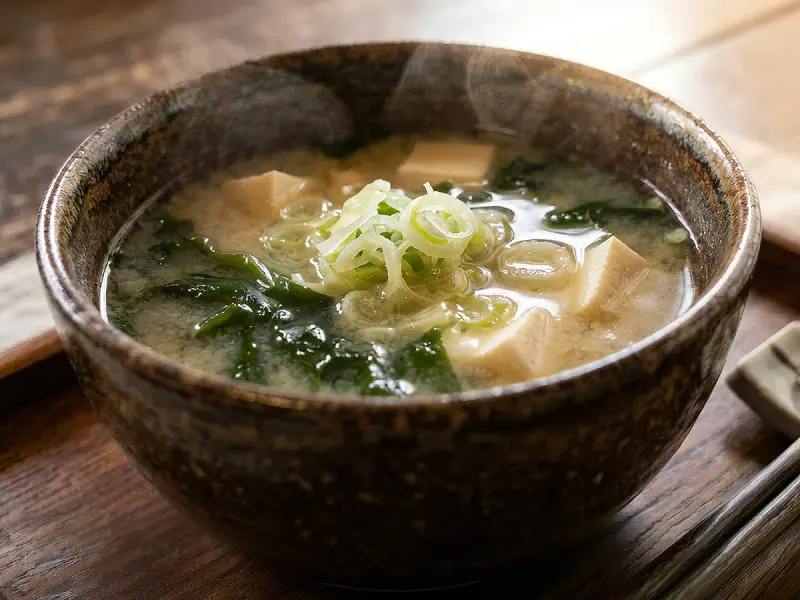
Miso is soybeans fermented with koji, a mould grown on rice or barley, for anything from a few months to several years. In miso soup it is dissolved in a ladle of hot dashi and stirred in off the heat. Boiling miso flattens its flavour and kills whatever cultures an unpasteurised miso still has, so the rule is to keep the soup below a simmer once the miso is in.
Tempeh: fermented soybeans you can fry
Tempeh comes from Java. Cooked soybeans are bound into a firm cake by a white Rhizopus mould over a day or two, and the result slices like firm cheese and tastes nutty and faintly mushroomy. Unlike tofu, it holds together and browns properly, which is why it works in a tempeh stir-fry with broccoli, ginger and soy. Tempeh is always eaten cooked, so it is a fermented food rather than a probiotic one. Its appeal is the protein: about 20 g per 100 g.
Sourdough bread: fermentation you can taste
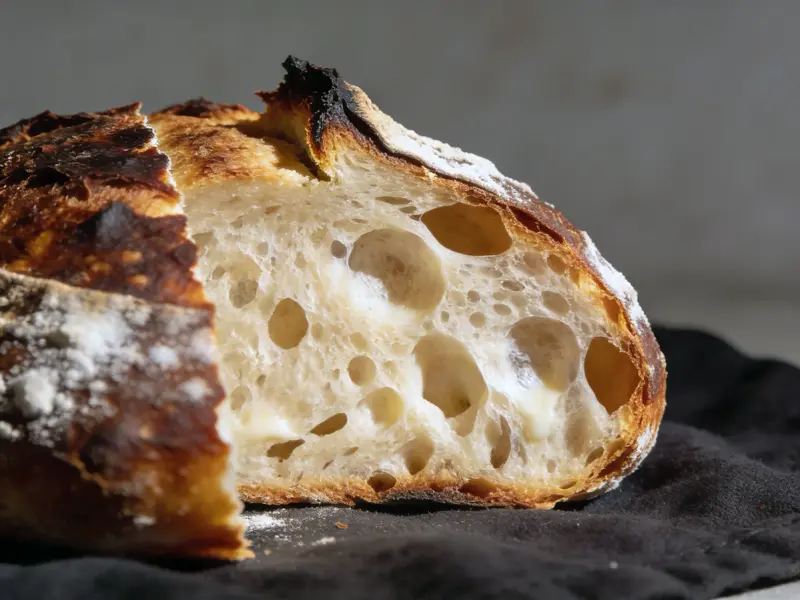
A sourdough starter is flour and water colonised by wild yeasts and lactic acid bacteria. In sourdough bread it replaces commercial yeast, and the long, slow rise produces the sour tang and chewy crumb. Baking kills the microbes, but the long fermentation breaks down part of the starch and gluten before the loaf reaches the oven, which is why some people who struggle with fast-risen bread find sourdough easier.
Kvass and ayran: two fermented drinks
Bread kvass is dark rye bread toasted almost black, steeped in boiling water, sweetened and fermented with a pinch of yeast for 18 to 36 hours at room temperature. It comes out lightly fizzy, faintly sweet and sour, with a roasted bread flavour, and a little alcohol, usually under 1.2 percent.
Ayran is simpler still: plain yogurt whisked with cold water and salt until it foams. Because the yogurt is never heated, a live-culture yogurt makes a live-culture drink. It is what people in Turkey drink with grilled meat.
Fermenting at home safely
Salt is what makes vegetable ferments safe: it holds back the spoilage bacteria while the lactic acid bacteria get going. Weigh it rather than guessing, and keep the vegetables under the brine the whole time, with a small weight or a clean bag of water on top. A thin white film on the surface is usually harmless kahm yeast and can be skimmed off. Fuzzy mould in blue, green or black means the batch goes in the bin.
If you are not used to raw ferments, start small: a spoonful or two a day. Large amounts at once can leave you bloated for a day or two. People who react to histamine should be careful with long-aged ferments such as old kimchi and aged miso, which contain more of it.