Tofu has a reputation problem, and the reputation is wrong. People who say they hate tofu have usually eaten it exactly one way: cold, unseasoned, straight from the package, wondering why anyone would do this to themselves. That's like eating a spoonful of raw flour and deciding bread isn't for you.
Here's the thing nobody tells you at the start: tofu is not a flavor. It's a texture that carries flavor. Silken tofu wobbles like custard and soaks up broth. Firm tofu, pressed and fried, gets a crust that shatters. The block itself costs two dollars and has more protein per calorie than most meat. Half of Asia has known this for about a thousand years.
The six recipes below are the ones I'd use to convert a skeptic. Start with the first one.
Mapo tofu
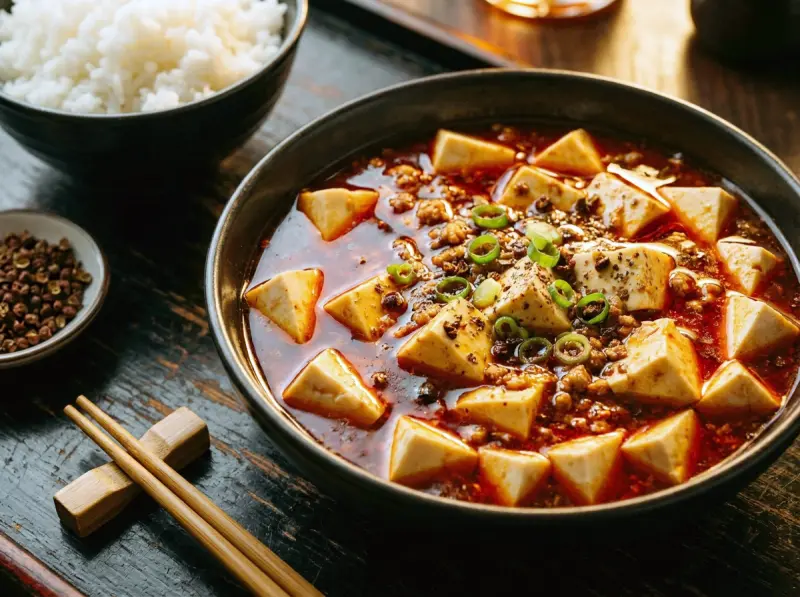
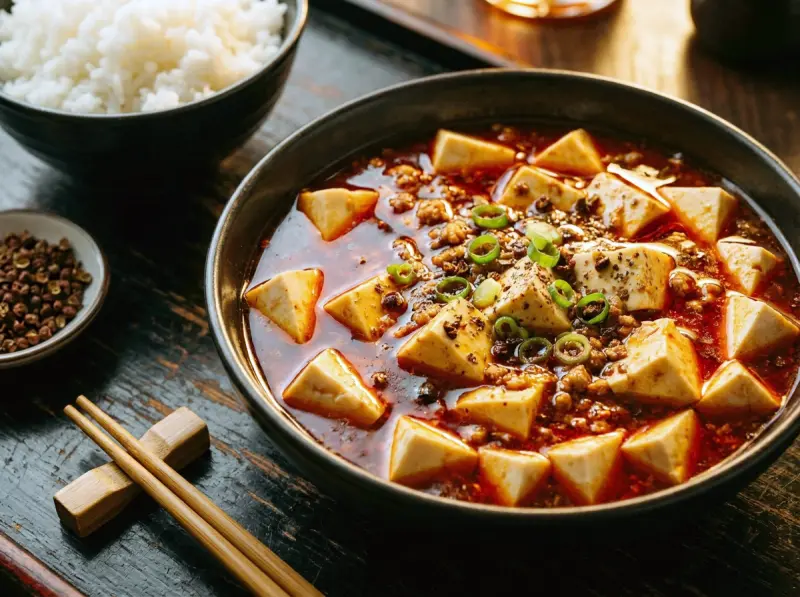
If tofu needed a single argument in its defense, this Sichuan classic would be it. Cubes of silken tofu in a glossy red sauce of doubanjiang (fermented chili bean paste), ground pork, and Sichuan peppercorns that make your lips buzz. Nobody has ever called mapo tofu bland.
Two techniques matter. First, poach the tofu cubes in salted water for two minutes before they go in the sauce; this firms the surface so they don't fall apart in the wok. Second, fry the doubanjiang in oil until the oil turns brick red before anything else goes in. Raw paste tastes harsh and salty. Fried, it turns deep and almost sweet.
Crispy fried tofu
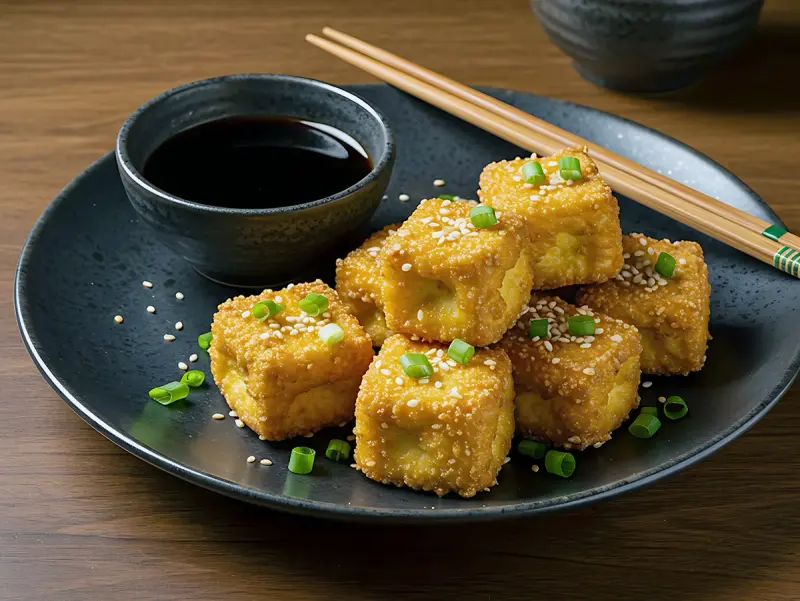
The gateway recipe. Firm tofu, pressed dry, tossed in cornstarch, fried until the outside crackles. Served with a soy-garlic dipping sauce. It takes 30 minutes and the texture argument wins itself: crisp shell, custardy middle.
Pressing is not optional. A block of tofu is mostly water, and water is the enemy of crust. Wrap the block in a clean towel, put a heavy pan on top, wait 20 minutes. The dried surface is what lets the cornstarch turn into a proper shell instead of a gummy coating.
Tofu pad thai
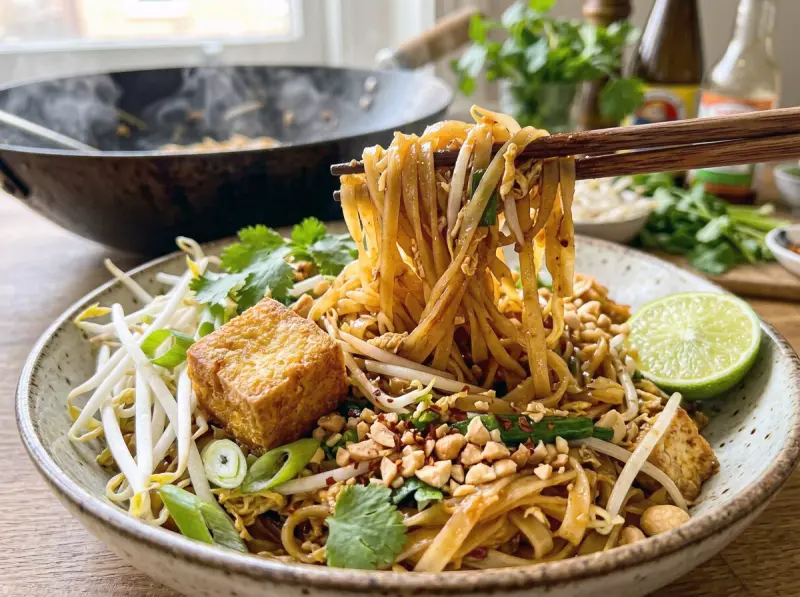
Street-stall pad thai made vegetarian without losing the point of the dish: chewy rice noodles, tamarind sourness, palm sugar, crushed peanuts. Pressed tofu goes in first and fries until golden, so it drinks the sauce like a sponge.
The mistake that ruins most home pad thai is a crowded pan. Rice noodles need contact with hot metal to char slightly; pile everything in at once and they steam into a soft clump. Cook in two batches if your wok is small. It feels slower. It's faster than eating disappointing noodles.
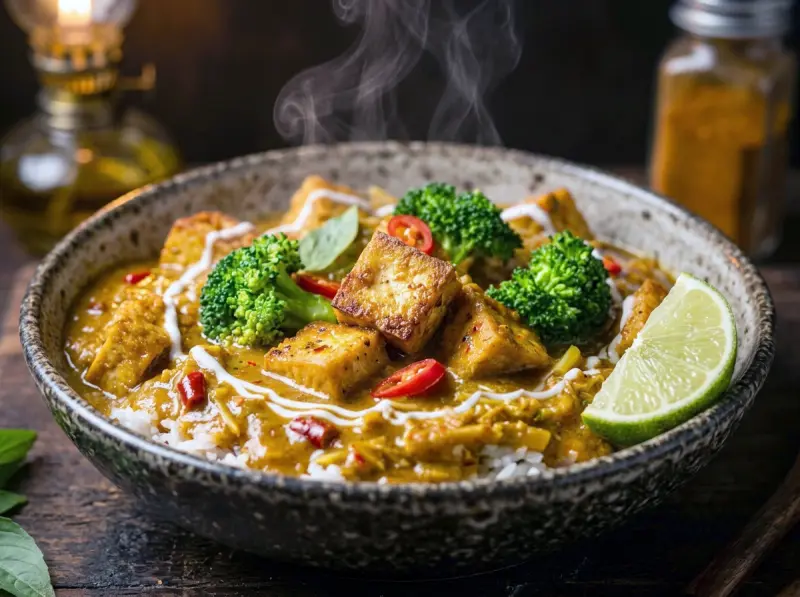
Vegan coconut curry
Tofu and vegetables in a Thai curry sauce that took me years to get right at home, and the fix turned out to be embarrassingly simple: fry the curry paste in the thick coconut cream from the top of the can before adding anything liquid. The paste blooms, the cream splits slightly, and the kitchen smells like a Bangkok curry shop.
Use firm tofu here and crisp it in a dry pan first. Tofu dropped raw into curry tastes like curry-flavored water balloons.
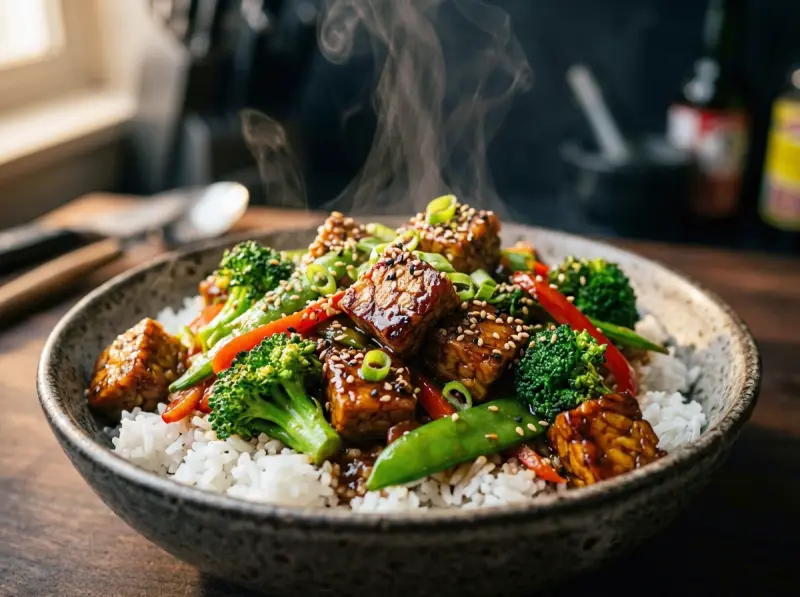
Tempeh stir-fry
Tempeh is tofu's older, nuttier Indonesian cousin: whole soybeans fermented into a dense cake. It has an honest bitterness that puts some people off, and there's a fix for that too. Steam the slices for eight minutes before frying. The bitterness fades, and the tempeh absorbs the ginger-garlic sauce instead of repelling it.
Of everything on this list, tempeh keeps you full the longest. The beans are whole, the protein is around 19 grams per hundred, and the chew is closer to meat than anything else soy makes.
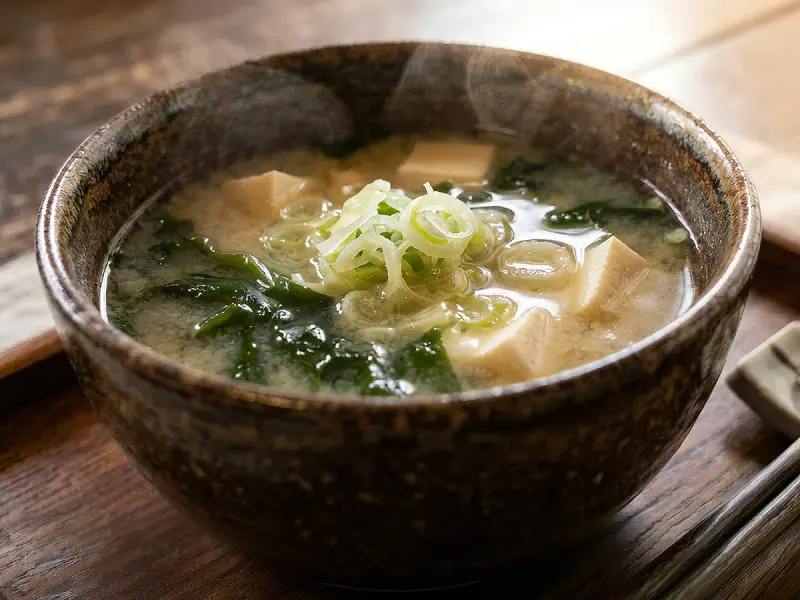
Miso soup
The quiet one. Dashi, miso, cubes of silken tofu, a few ribbons of wakame. Fifteen minutes, 90 calories, and the reason silken tofu exists: it barely holds together, which is exactly what you want floating in a savory broth.
One rule: never boil the soup after the miso goes in. Boiling kills the aroma and turns the texture grainy. Take the pot off the heat, dissolve the miso through a small sieve, serve. Japanese home cooks make this daily without a recipe, and after a week of practice, so will you.
A note on shopping, since the tofu aisle confuses everyone: silken for soups and mapo, firm or extra-firm for frying and stir-fries. The brand matters far less than the water content. And if your first attempt still tastes flat, it wasn't the tofu. It was the seasoning. Salt is allowed.