Germany was a patchwork of separate states until 1871, and the cooking never unified afterwards. Ask for the national dish and you start an argument: a Swabian says Spätzle, a Bavarian says Weißwurst, someone from the Rhineland says Sauerbraten, and a Berliner names a sausage that was invented in 1949. What the regions share is not a recipe but a shopping list. Pork, cabbage, potatoes, rye, vinegar, mustard, and a spice shelf of about six things used with unusual precision.
That last part is where the reputation goes wrong. German food gets called heavy and bland. Heavy is often fair. Bland is a misreading of where the seasoning sits: it is sour and aromatic rather than hot, and it arrives as vinegar, mustard, pickles and caraway rather than chilli.
The region is the real unit, not the country
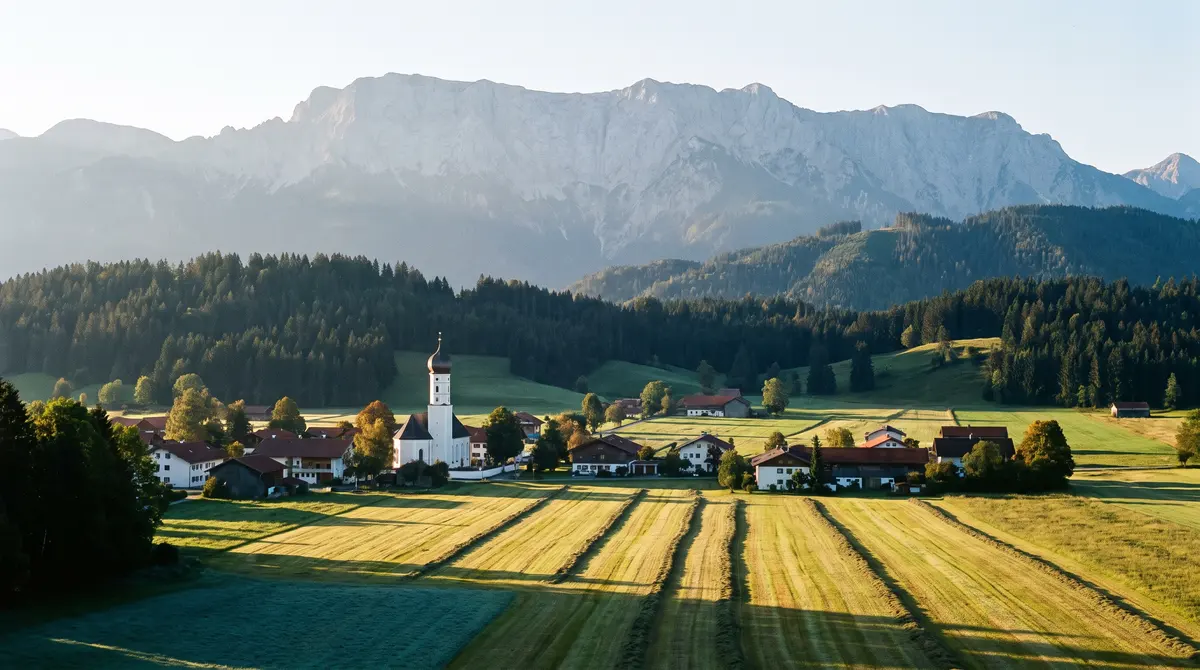
Bavaria in the south eats veal sausage before noon, dips pretzels in sweet mustard and drinks wheat beer with both. Swabia, next door, is noodle country. The Rhineland leans sweet and sour, with raisins and gingerbread crumbs thickening the gravy of a Sauerbraten. The north is closer to Scandinavia, with herring, potatoes and a cold mayonnaise salad that has almost nothing to do with the southern one.
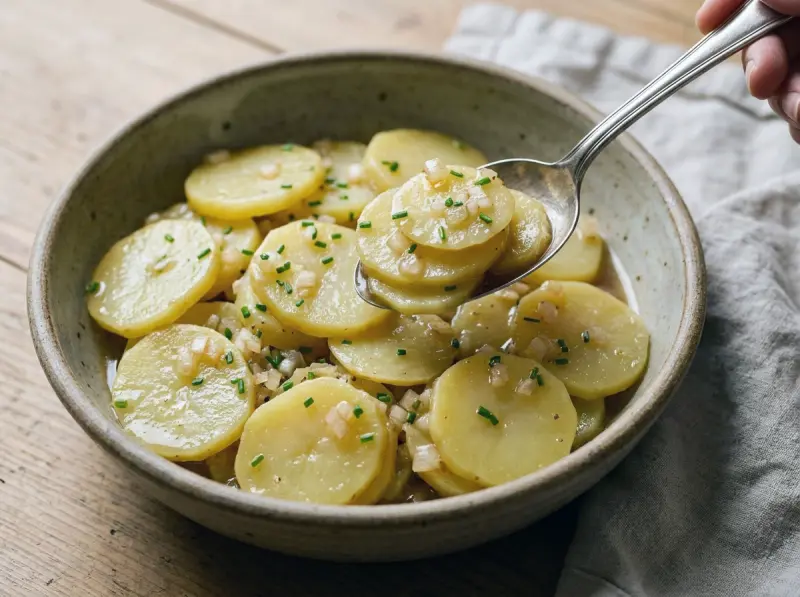
That last pair is worth spelling out, because English-language recipe sites collapse them constantly. German potato salad with no mayonnaise anywhere near it is the southern version: waxy potatoes sliced while still hot and soaked in warm stock, vinegar and mustard until they turn creamy on their own. Dress them cold and nothing absorbs. You get sliced potatoes sitting in a puddle.
A Wurst is a category, not a snack
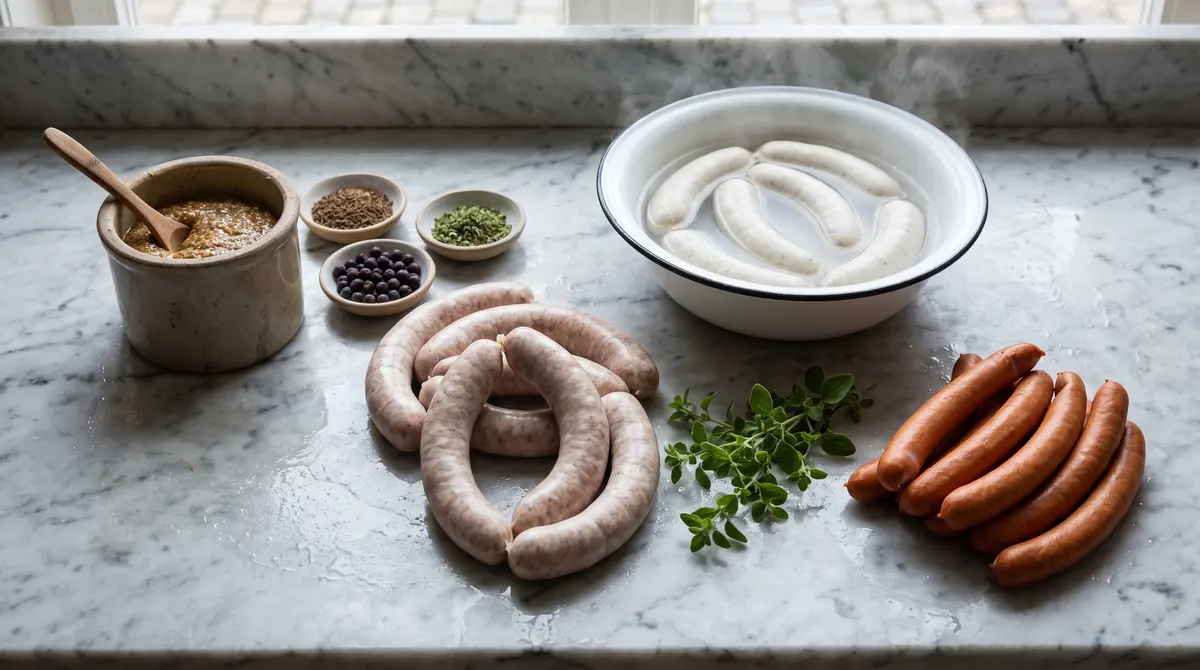
German butchers sort sausage into three families, and the family decides how you cook it. Rohwurst is raw and cured, sliced and eaten as it is: Mettwurst, salami. Brühwurst is emulsified and scalded, so it is already cooked and only needs reheating: Weißwurst, Frankfurter, Bockwurst. Kochwurst is built from cooked meat and offal and sets as it cools: Leberwurst, Blutwurst.
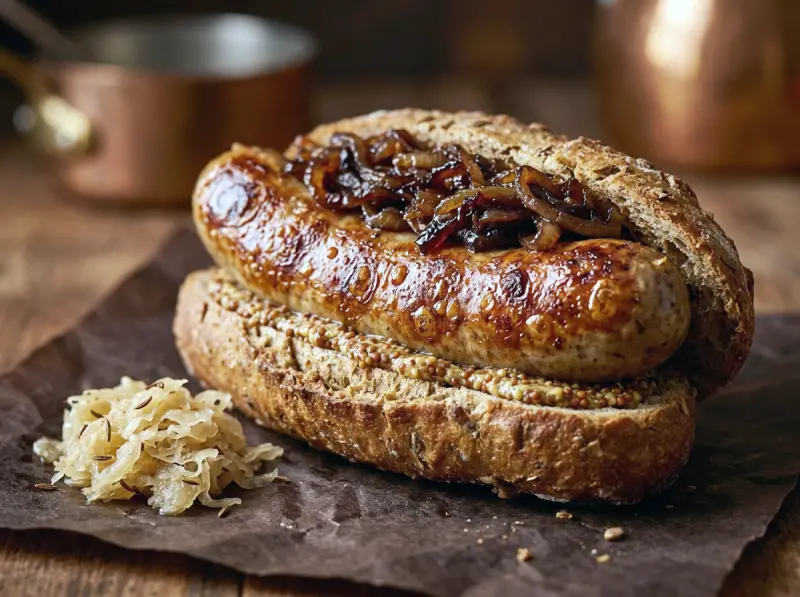
A fresh Bratwurst sits outside all three. It is raw meat in a casing, neither cured nor scalded, so it has to be cooked through. This is why the German street method beats the barbecue instinct. Simmer the sausages in beer with onions first, then sear them for four minutes purely for colour. The sausage is safe before it ever meets high heat, and it cannot split.
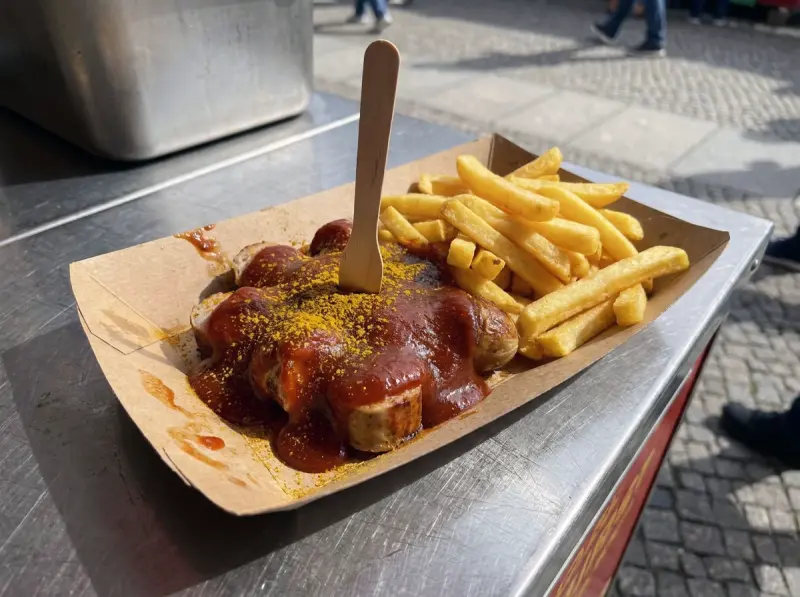
Berlin's contribution came later. Currywurst was invented by Herta Heuwer at a street stall in 1949, and the sauce is the entire dish: tomato paste and spices fried in fat until they darken, then simmered down for fifteen minutes. Ketchup with curry powder stirred through is a different and worse thing.
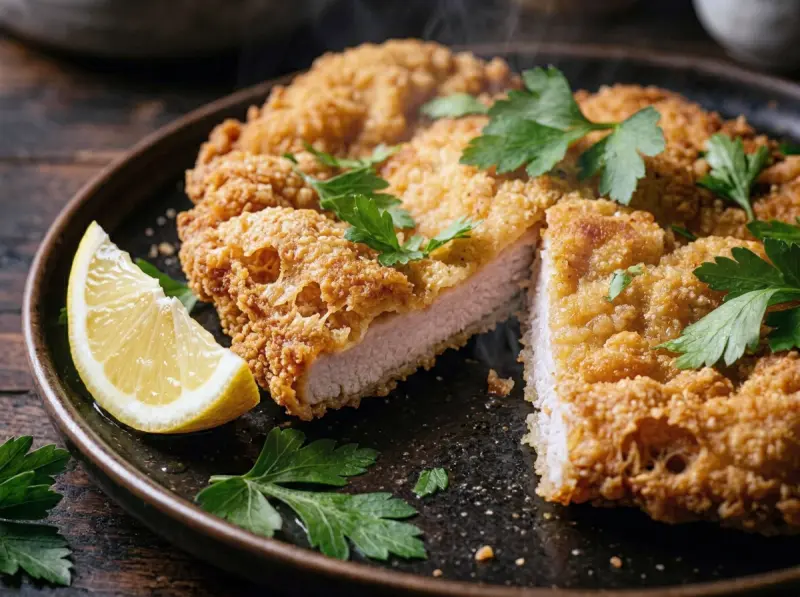
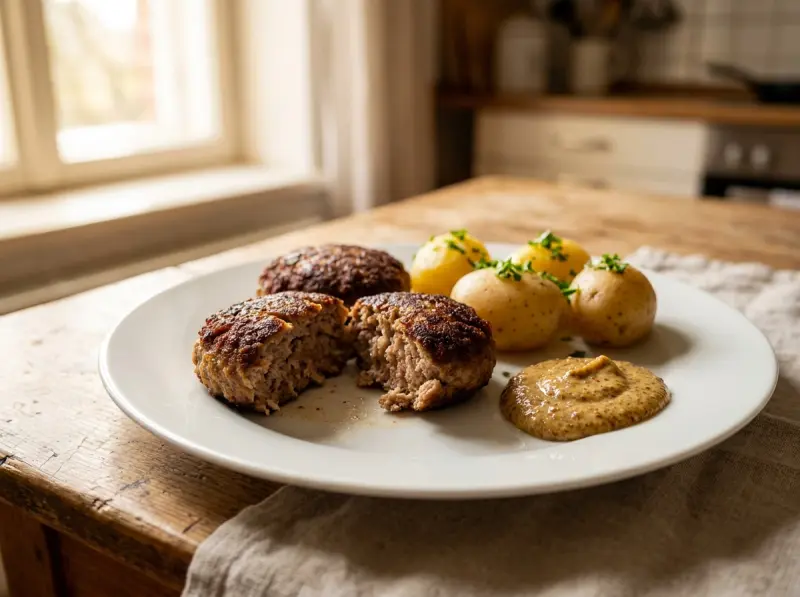
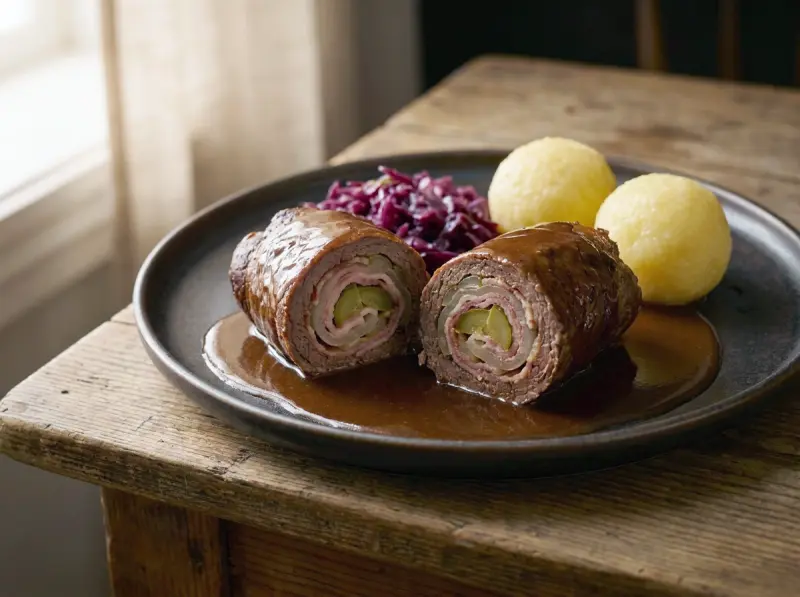
Two more pork dishes carry the everyday load. Frikadellen are the German meat patty, and bread is what separates them from a burger. A day-old roll soaked in milk and wrung out goes into the mince and holds moisture through frying, so the patties stay soft instead of turning dense. Rinderrouladen is the Sunday version: thin beef spread with mustard, rolled around bacon, onion and a dill pickle, then braised for ninety minutes at a bare shiver. And Schnitzel, which is pork unless it is called Wiener, comes down to two numbers. Three to four millimetres of meat, and about a centimetre of fat in the pan, deep enough that the cutlet floats and the crust blisters away from the meat.
Bread is the other half of dinner
Germany's bread register runs past three thousand entries, and the reason is rye. Rye flour cannot hold a gluten network the way wheat does, so it needs acidity to bake into anything but a brick. Acidity means sourdough, and sourdough is why so much German bread is dark, dense and faintly sour.
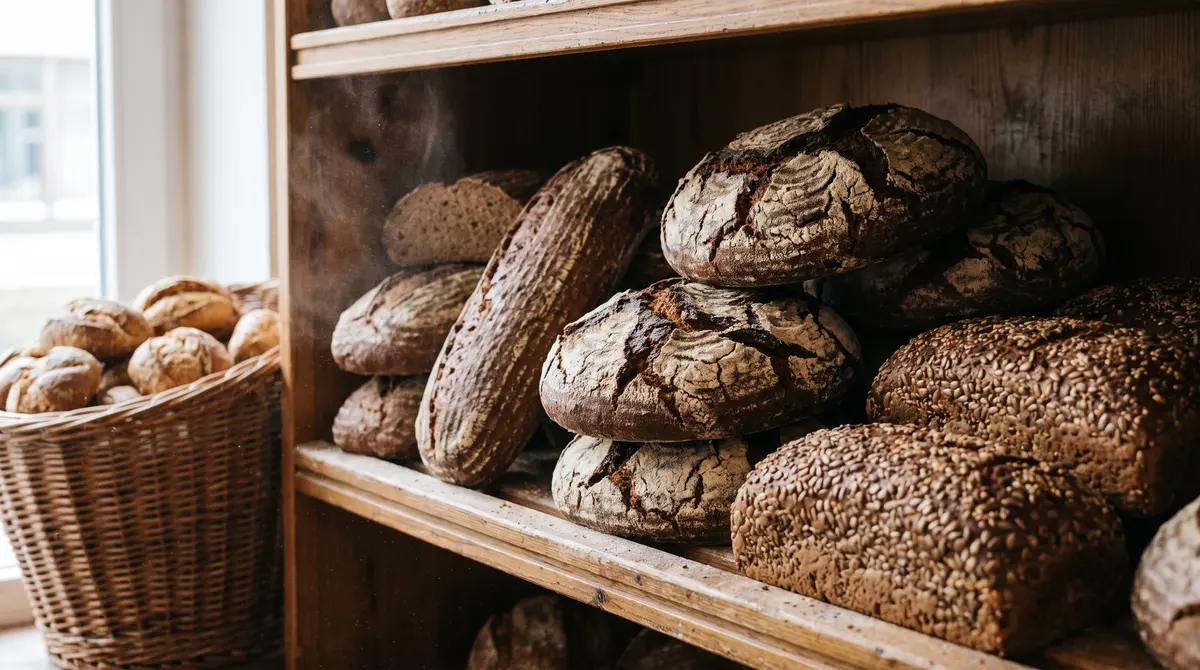
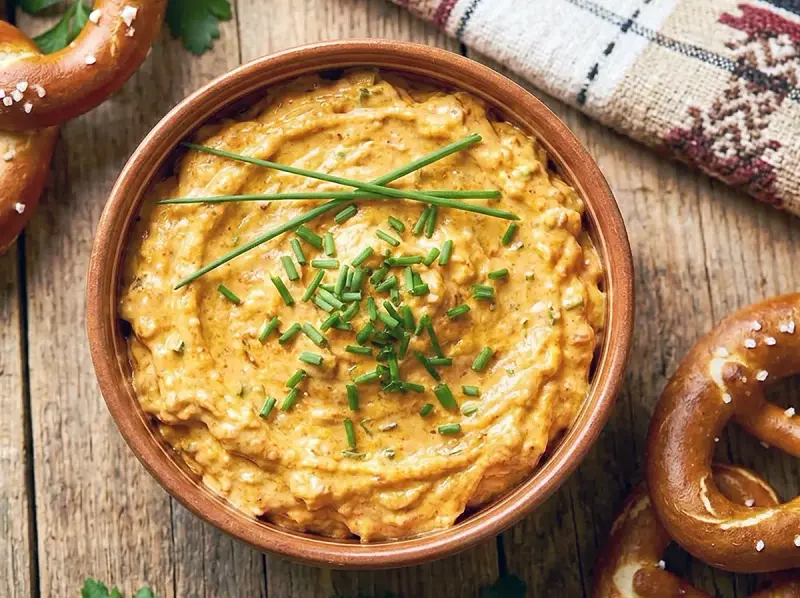
Two meals are built on it. Abendbrot is supper as bread, cheese, cold cuts and pickles, with no cooking involved, and it really is what a lot of households eat on a weeknight. Brotzeit is the Bavarian daytime version, and it is where Obatzda belongs: overripe Camembert mashed with butter, paprika, raw onion and a splash of beer. It was invented to rescue cheese that had gone too far to serve in slices.
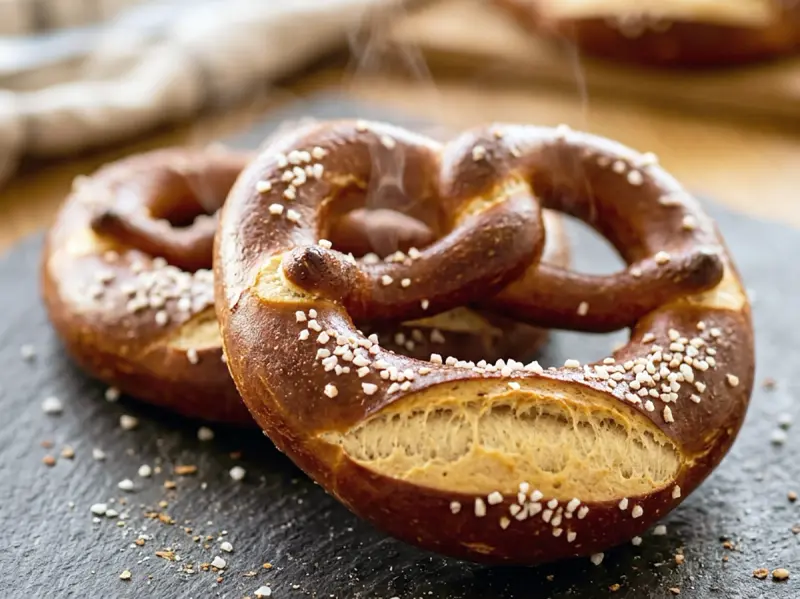
Laugenbrezeln are the same bread culture at a higher difficulty. The dough is unremarkable. What makes a pretzel taste like a pretzel is the alkaline dip before baking, which lowers the barrier for browning so far that the crust turns mahogany at an ordinary oven temperature. Bakeries use food-grade lye. At home, spread baking soda on a tray and bake it: it converts to sodium carbonate, and that gets you most of the way there.
The spice shelf is short and used precisely
Six things do most of the work.
Caraway, Kümmel, is the flavour people identify as German without being able to name it. It is in sauerkraut, on roast pork, through rye bread, folded into Obatzda. Watch the translation: German calls cumin Kreuzkümmel, literally cross-caraway, and swapping the two ruins a dish in a way that is very hard to diagnose afterwards.
Marjoram is the herb of Frikadellen, liver sausage and potato soup. Leave it out and the mince tastes vaguely Mediterranean instead of German. Juniper goes into sauerkraut and anything with game. Mustard is a seasoning rather than a condiment here, spread inside rouladen and whisked into potato salad dressing. Lovage is called Maggikraut in German for the obvious reason, and one leaf does more for a broth than a handful of parsley. Nutmeg belongs in anything with cream or potato in it.
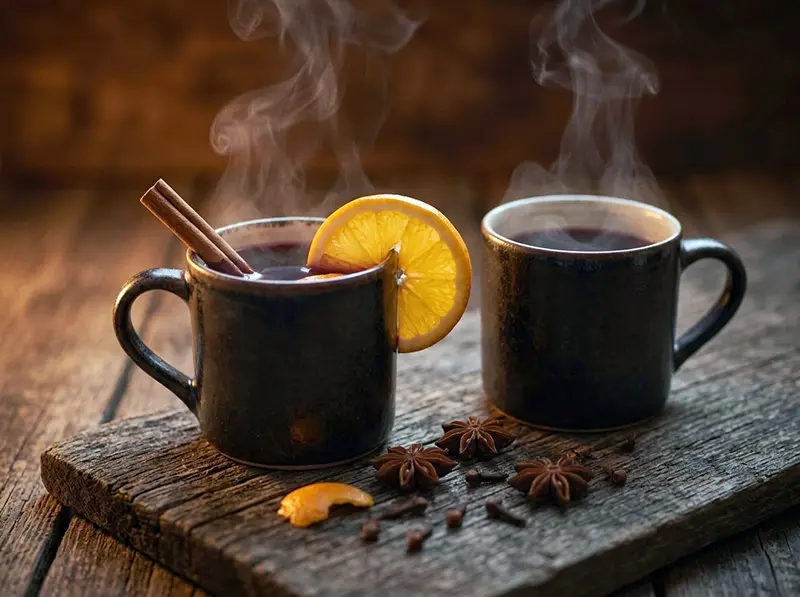
Then there is the winter shelf: cinnamon, clove, star anise, cardamom, orange. That is Glühwein, and its one rule is temperature. Alcohol starts leaving at 78°C, so wine that reaches a boil becomes spiced grape juice. Hold it at 70, and strain the spices out the moment it comes off the heat, before they turn bitter.
Sour where other kitchens go hot
Sauerkraut is fermented cabbage and nothing else, salt and time. Gherkins go into the rouladen. Vinegar finishes the cabbage. Mustard binds the dressing. Once you notice the pattern you see it everywhere, and it explains why German food tastes flat when you cook it from a translated recipe that quietly dropped the acid.
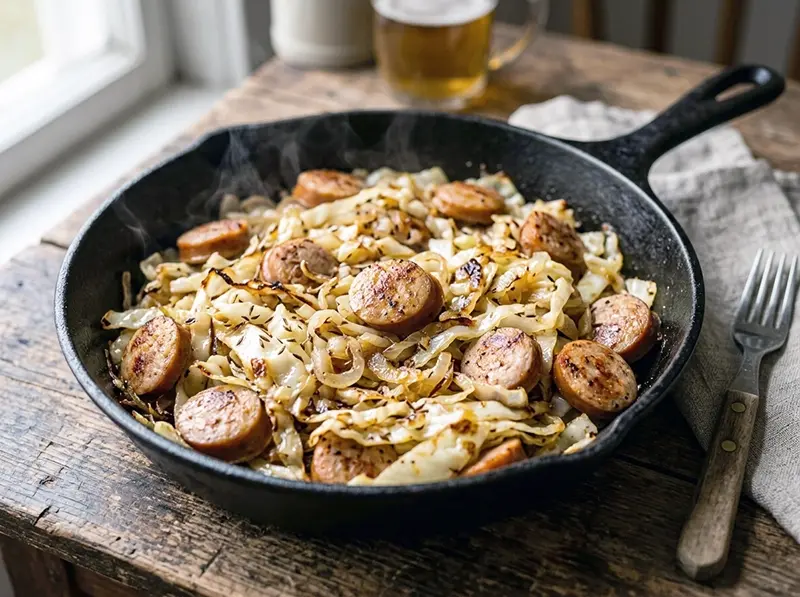
Cabbage and sausage in one skillet is that whole idea in thirty minutes: smoked sausage browned first, cabbage and onion cooked down in the fat it left, a splash of cider vinegar off the heat at the very end. Skip the vinegar and it is a decent dinner. Add it and it is a German one.
Swabia's noodles
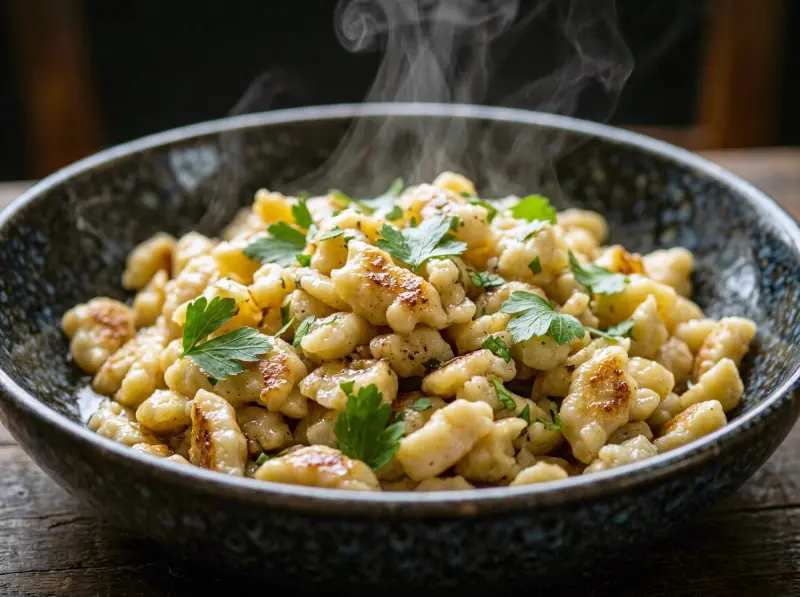
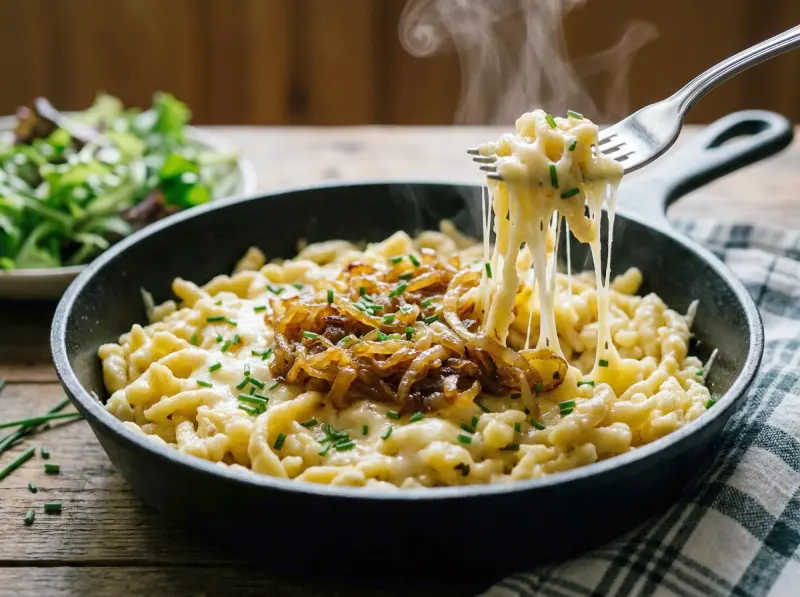
Spätzle are an egg batter scraped into boiling water, and the name means little sparrows. Batter consistency is the whole skill: lift a loaded spoon and it should fall in one thick ribbon, not run freely. Käsespätzle is what Swabians make when they want the meal rather than the side dish, and the surprise is that it never goes near an oven. Hot noodles layered with cold grated cheese and covered for two minutes melt perfectly; baking dries the strands and makes the cheese greasy.
Sweet, and legally specific
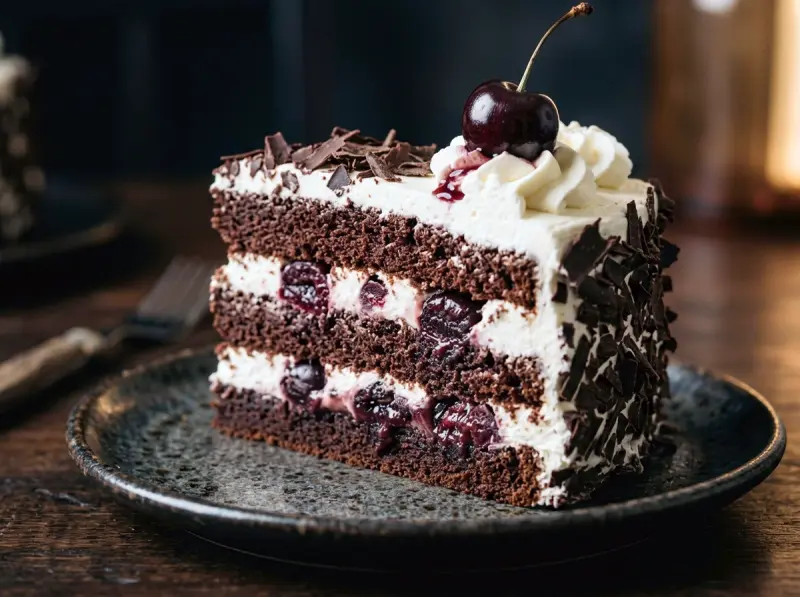
Schwarzwälder Kirschtorte is one of the few cakes with a legal definition. German food guidelines require the kirsch to be clearly tasteable, so a version made without it cannot honestly carry the name. Kirschwasser is a clear, unsweetened cherry spirit at around 40 per cent; cherry liqueur is not a weaker substitute, it is a different flavour. Assemble the cake a day early. A night in the fridge is what turns three separate components into one thing.
Where to start
Cook the schnitzel first and pay attention to the two numbers, because it is the fastest lesson in what German frying is actually about. If you want the flavour that is hardest to buy, make the potato salad, since nothing sold under that name in a supermarket resembles the southern version. And if people are coming over, put the rouladen in at two o'clock and forget about them until four.
For the beer-tent end of all this, we have a separate piece on six Oktoberfest dishes.