Chili oil didn't go viral because someone invented something new. It went viral because millions of people discovered — usually by accident, usually at 11pm, usually with eggs — that a spoonful of something garlicky and spicy and deeply fragrant makes almost any simple food suddenly feel worth eating.
That's it. That's the whole secret.
The chili crisp that sparked the trend — Lao Gan Ma, the Chinese brand with the grandmother on the label — has been on shelves since 1997. What changed is that home cooks started actually using it. Not as a niche condiment but as a base layer of flavor that works across cuisines. Eggs, pasta, noodles, pizza, hummus, cucumber salad, fried rice — each one gets lifted by a spoonful in a way that's hard to articulate but instantly recognizable.
These six recipes are built around that idea. Some are full meals, some are 10-minute situations. All of them are better with chili oil than without it.
Chili oil fried rice
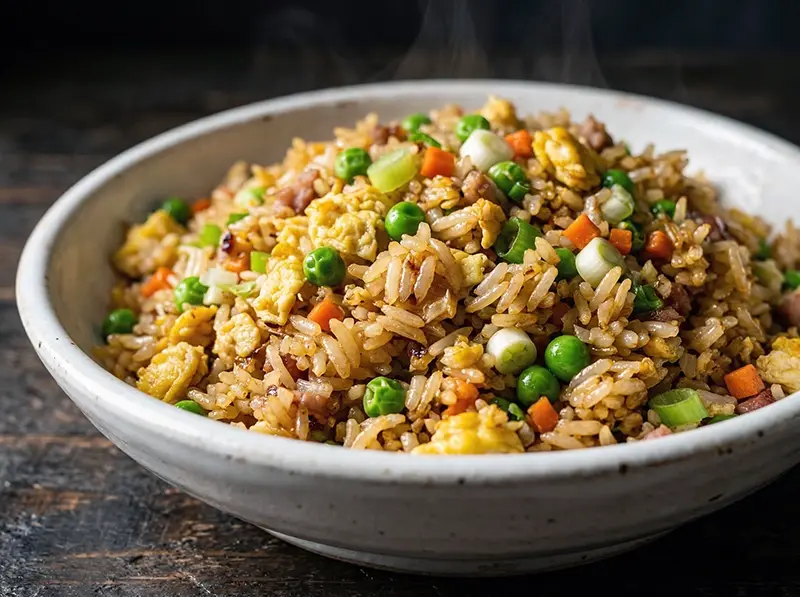
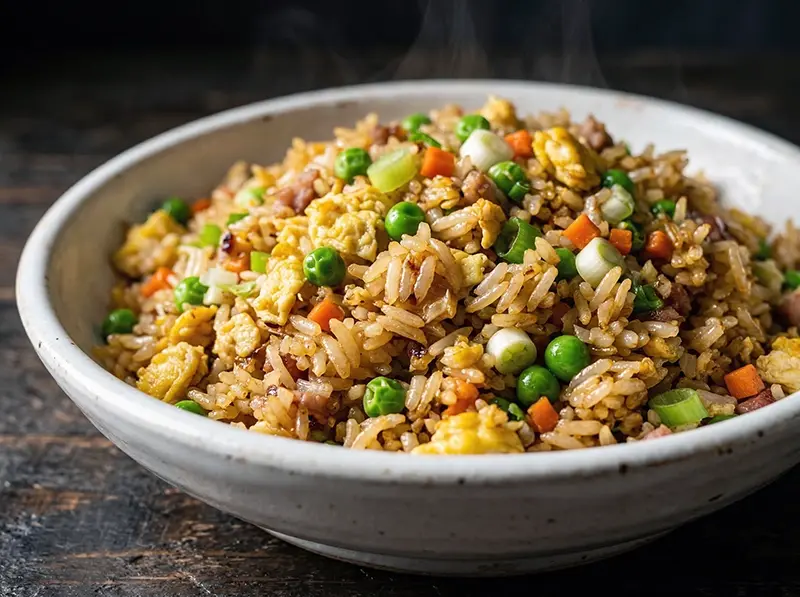
Fried rice with a spoonful of chili crisp stirred in at the end — it adds heat, garlic, and a complexity that you normally only get from a restaurant wok burner. Day-old rice, eggs, whatever vegetables you have, soy sauce. The chili oil goes in last, off the heat.
The technique that matters: the rice needs to be cold and completely dry before it hits the pan. Hot, fresh rice steams instead of frying and turns sticky. Refrigerate it overnight — the grains firm up and separate, which is what creates the slightly toasted texture rather than a clump.
Smashed cucumber salad
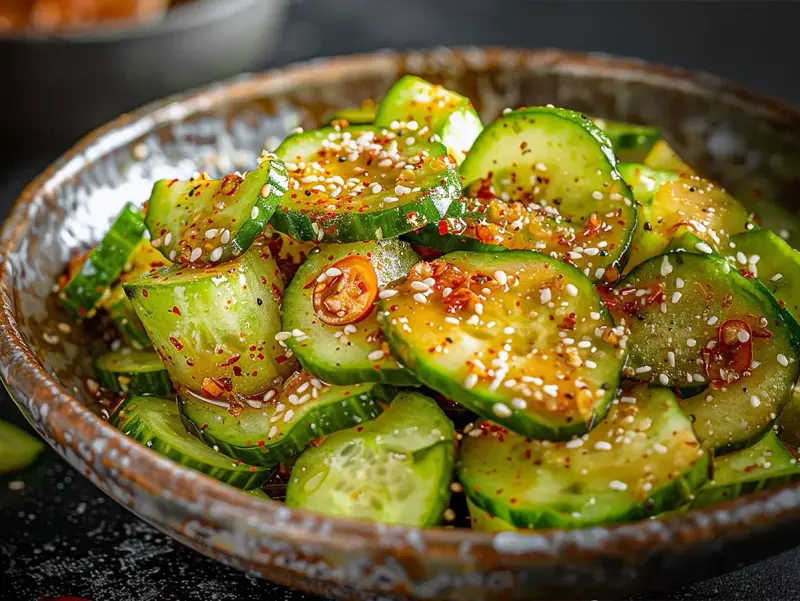
The most viral dish on TikTok in 2024 that people are still making in 2026. Cucumbers smashed with the flat side of a knife, salted to draw out water, then dressed in chili oil, sesame oil, rice vinegar, and garlic. Din Tai Fung, the Taiwanese chain, made this combination famous. The home version takes 8 minutes.
Smashing instead of slicing is not a gimmick. The irregular edges created by smashing have more surface area than clean slices, which means more dressing clings to each piece. Salt the cucumbers for 10 minutes before dressing them — this draws out excess water that would otherwise dilute the sauce.
→ Smashed cucumber salad recipe
Dan dan noodles
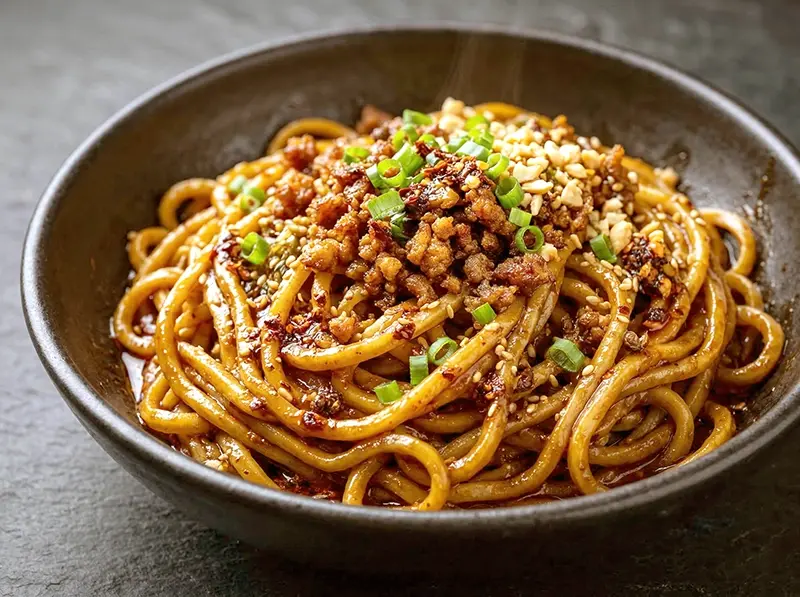
The classic Sichuan street noodle dish that gave chili oil its most celebrated context. Wheat noodles in a sauce built from sesame paste, soy sauce, rice vinegar, and — generously — chili oil, topped with pork mince cooked until slightly crunchy and a scatter of spring onion.
The sauce comes together in the bowl, not in a pan. Sesame paste goes in first, then the liquids one at a time, whisked until smooth. The noodles go on top with the hot pork and the bowl gets tossed at the table. Don't skip the Sichuan peppercorn — it creates the characteristic numbing tingle that balances the heat.
Chili oil eggs
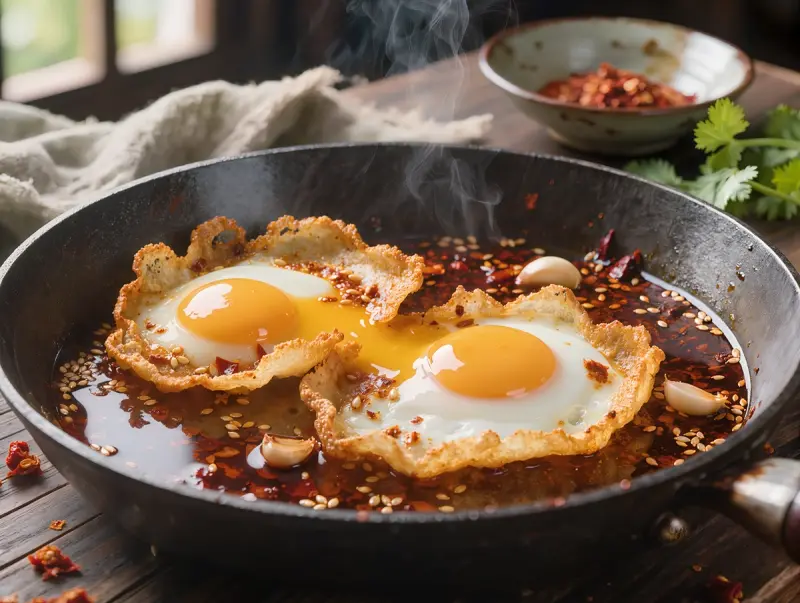
The recipe that made the whole trend legible to people who'd never heard of chili crisp. Eggs fried in a generous amount of chili oil so the whites blister and crisp while the yolk stays soft. Two minutes. One pan. Eat with rice or bread or nothing.
The version worth knowing: heat 2 tablespoons of chili oil in a small pan over medium-high until it shimmers. Crack in two eggs. Tilt the pan and spoon the hot oil over the whites repeatedly for 60–90 seconds. The whites go lacy and golden at the edges; the yolk stays liquid. Salt, finish with another small drizzle of chili oil from the jar. Nothing else.
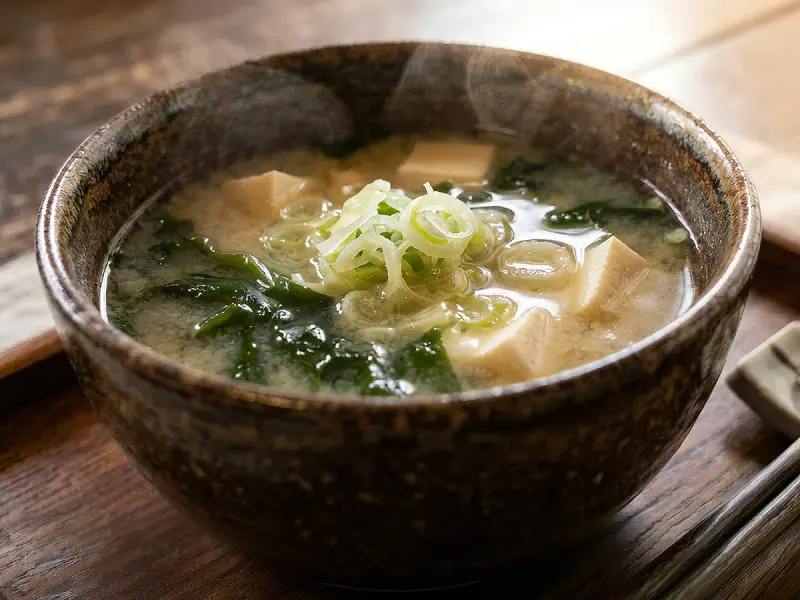
Miso soup
Miso soup already contains deep umami from the fermented paste and dashi. A few drops of chili oil on top — added after the soup is in the bowl, never while it cooks — adds heat and a fragrant top note that makes the whole thing feel like something you'd order in a restaurant rather than assemble in four minutes.
The rule that everyone ignores: miso should never boil. Add the paste after pulling the dashi off the heat. Dissolve it in a small cup of hot liquid first, then stir it back in. Boiling miso destroys the aromatic compounds that make it taste like itself.
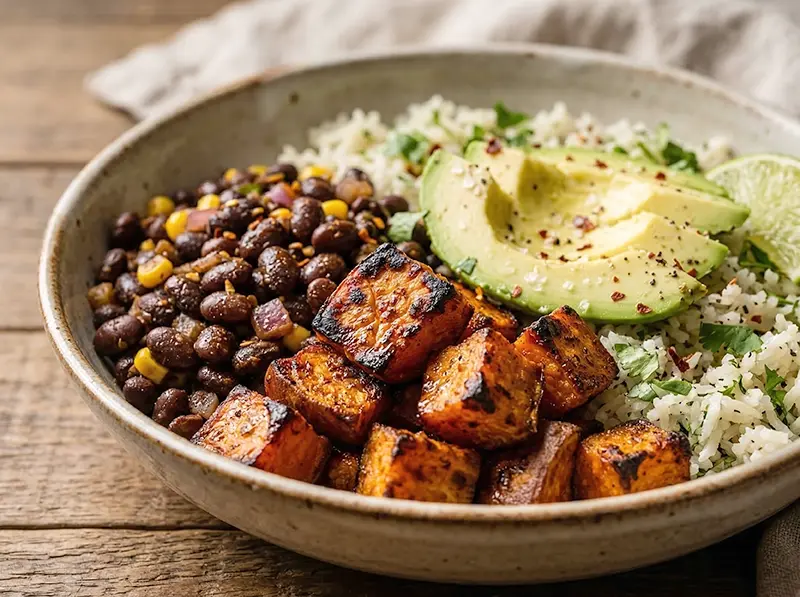
Roasted sweet potato and black bean bowls with chili oil drizzle
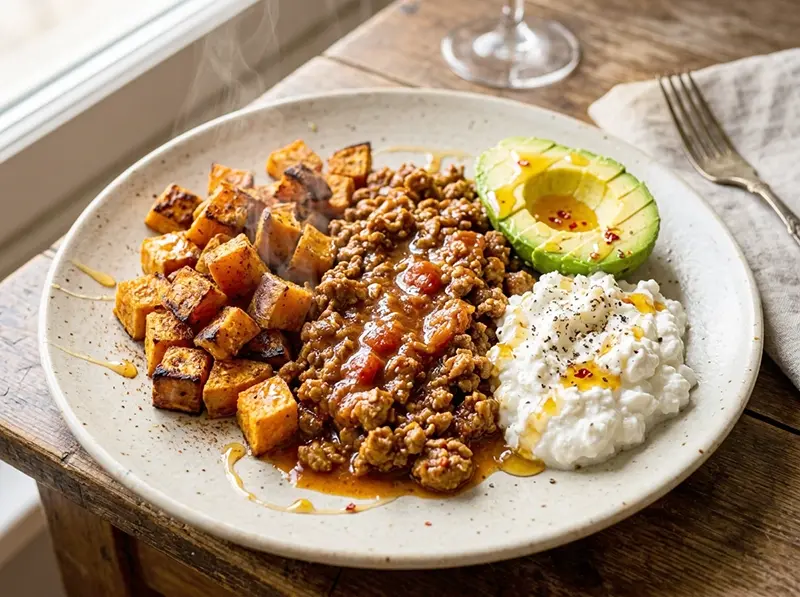
A vegetarian bowl that works for meal prep precisely because each component holds separately: roasted sweet potato, seasoned black beans, rice or grain of choice, avocado. The chili oil comes in as the dressing — drizzled over everything at the end, it replaces the need for a separate sauce.
Roast the sweet potato at 220°C in a single layer with space between pieces. Lower temperatures steam instead of caramelize and produce a completely different result. The caramelized edges are where most of the flavor lives.
→ Roasted sweet potato and black bean bowls recipe
How to use chili oil properly
Start with more than you think. The instinct is to add a cautious half-teaspoon. That produces a vaguely spicy background note. A full tablespoon produces something that actually tastes like something.
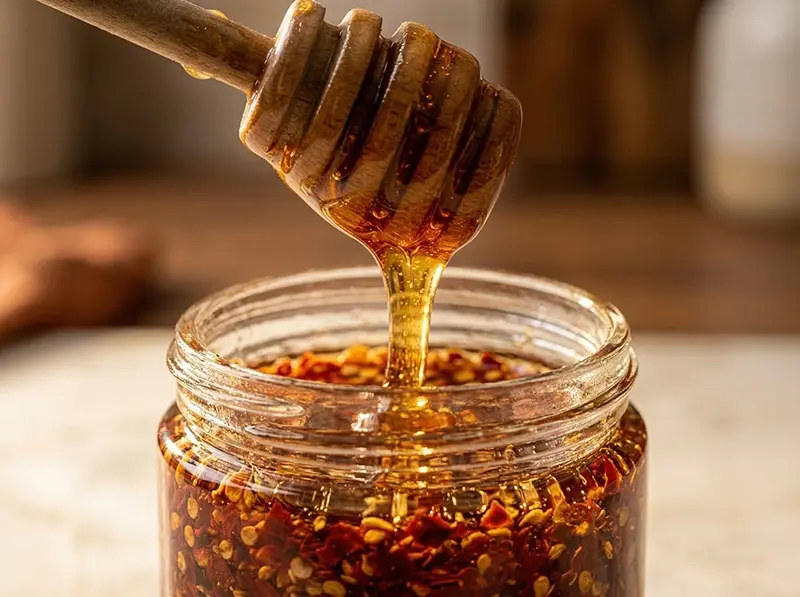
Use the solids, not just the oil. Most chili crisp is a suspension of fried garlic, dried shrimp, and chili flakes in oil. Stirring the jar before using gets you the solids along with the oil — that's where the actual flavor is.
Add it at two points. Once during cooking to build background heat, and once at the end raw, for the fresh fragrant layer. They taste different and work differently.
Don't refrigerate it. The oil keeps the solids preserved. Refrigerating chili crisp doesn't extend its life and turns the oil solid, making it harder to use.