



Cannoli
Cannoli are Sicilian pastries: crisp tubes of fried dough filled with sweet ricotta cream, chocolate and orange zest. The dough is rolled thin, wrapped around metal tubes and fried until blistered, and the cream goes in just before serving. Start the day before: the ricotta drains overnight, and the dough rests for an hour. Makes 16–18 cannoli, about three per serving.
Ingredients
- 250 gflour
- 30 gsugar
- pinchsalt
- 30 glard (or butter)
- 1 egg
- 50 mldry Marsala (or dry white wine)
- 1 tbspwhite wine vinegar
- 500 gricotta
- 150 gpowdered sugar
- 1 tspvanilla extract
- 50 gdark chocolate, finely chopped
- zest of 1 orange
- vegetable oil for frying
- chopped pistachios and powdered sugar for decorating
Method
- The night before, set the ricotta in a sieve lined with cheesecloth over a bowl and leave it in the fridge to drain. Whole-milk ricotta is what you want, sheep's milk if you can find it. For the dough, mix flour, sugar and salt in a bowl. Add the cold lard (or diced cold butter) and rub it in with your fingertips until the mixture looks like crumbs. Add the egg, Marsala, and vinegar. Knead until smooth. Wrap in clingfilm and chill for 1 hour.
- On a lightly floured surface, roll out the dough thinly (about 2 mm). Cut out circles with a diameter of 10–12 cm, gathering and re-rolling the scraps; you should get 16–18. Wrap each circle around a metal cannoli tube, brush the overlapping edge with a little water and press it down firmly, otherwise the tube opens up in the oil. If you have fewer tubes than rounds, keep the rest covered with a towel and fry in batches.
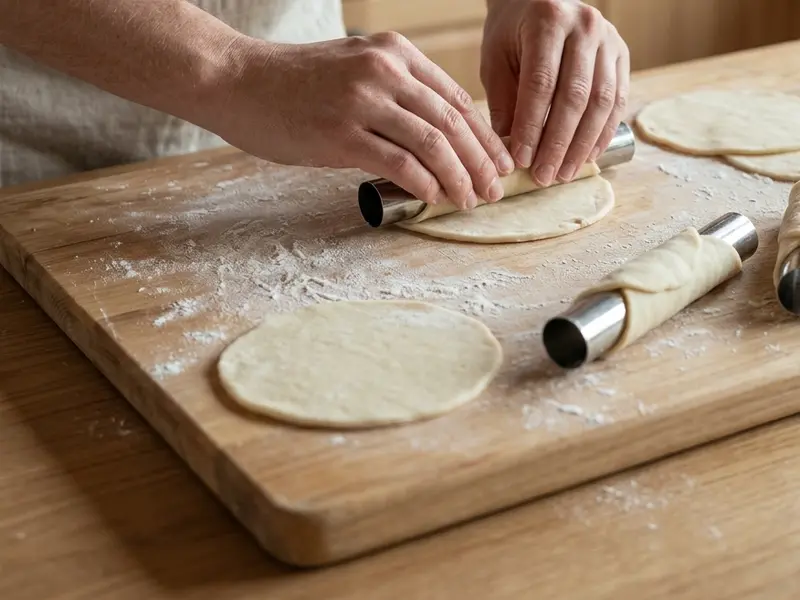
- Pour about 5 cm of oil (about 1 litre) into a deep, heavy saucepan — it should come no more than a third of the way up the sides — and heat it to 180°C. Never leave hot oil unattended and keep water well away from it, with a lid within reach; if the oil ever catches fire, turn off the heat and cover the pan with the lid — never use water. Lower the tubes in away from you and fry 2–3 at a time, turning them, until golden and blistered (1–2 minutes), then drain on paper towels. The metal tubes are very hot: hold each one with tongs and a folded kitchen towel, slide the shell off while it is still warm, and let the tube cool before wrapping the next round. Cool the shells completely.
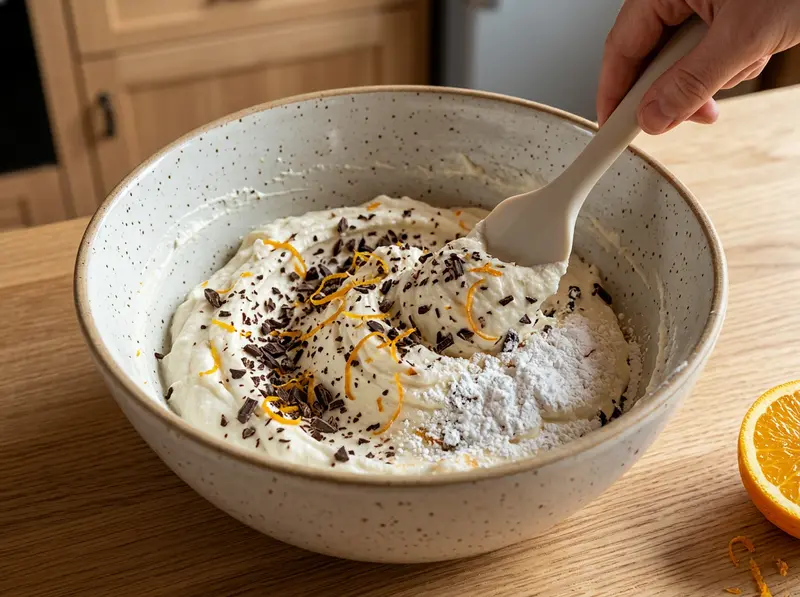
- Take the drained ricotta and push it through a fine sieve with the back of a spoon, then stir in the powdered sugar and vanilla until smooth; do not use a blender. Add the chocolate and orange zest.
- Fill the cooled shells with the cream from a pastry bag, piping from both ends. Dip the ends in chopped pistachios. Sprinkle with powdered sugar before serving.
Cooked it? Rate the recipe
FAQ
They weren't fried long enough or the oil wasn't hot enough (it should be 180°C, as in the recipe). The dough also needs to be rolled very thin — about 2 mm. Test with a small piece: it should sizzle immediately and float to the surface.
Drain the ricotta through cheesecloth overnight in the refrigerator to remove excess whey, then push it through a fine sieve with the back of a spoon — this, not beating, is what makes it smooth. Stir in the powdered sugar and vanilla; do not use a blender. Fold in the chopped chocolate last.
Strictly just before serving — maximum 5–10 minutes before. If filled too early, the moisture from the filling softens the shell and destroys the crunch. If you want a dessert that can be made a day ahead instead, tiramisu is the better pick.
Yes — roll thick aluminum foil tightly into cylinders about 2 cm in diameter. Wooden dowels also work. The mold just holds the shape while frying; it only has to hold the shape and stand up to the hot oil.
Empty shells keep in an airtight container at room temperature for up to 5 days. The ricotta filling keeps refrigerated for up to 2 days. Fill only what you need, just before serving.
Keep browsing
More dishes from the Italian archive — picked by overlap with what you're cooking now.



Recipes by email
One letter a week: a recipe picked for your taste, plus whatever is new on the site. You can stop the letters in one click.
Welcome gift: Sergei's cookbook (e-book).
By signing up for the newsletter you agree to the privacy policy.
Tell us what you like to cook (30 seconds) →
Join the conversation
Comments (1)
Come siciliano devo dire che la ricotta deve essere di pecora non di mucca!! E va scolata almeno 4 ore nel frigo altrimenti la crema è liquida. Ho notato che molti usano ricotta di mucca poi si lamentano che non viene.