Greek recipes that taste like a taverna by the sea
Greek cooking runs on olive oil, lemon, oregano, and feta. Four ingredients that show up in nearly everything and somehow never get boring. The cuisine is built around simplicity, but the kind of simplicity that takes a few thousand years to refine. Nothing is accidental.
Six recipes from the Greek kitchen. Some take time, some take fifteen minutes, all of them taste better than they have any right to given how short the ingredient lists are.
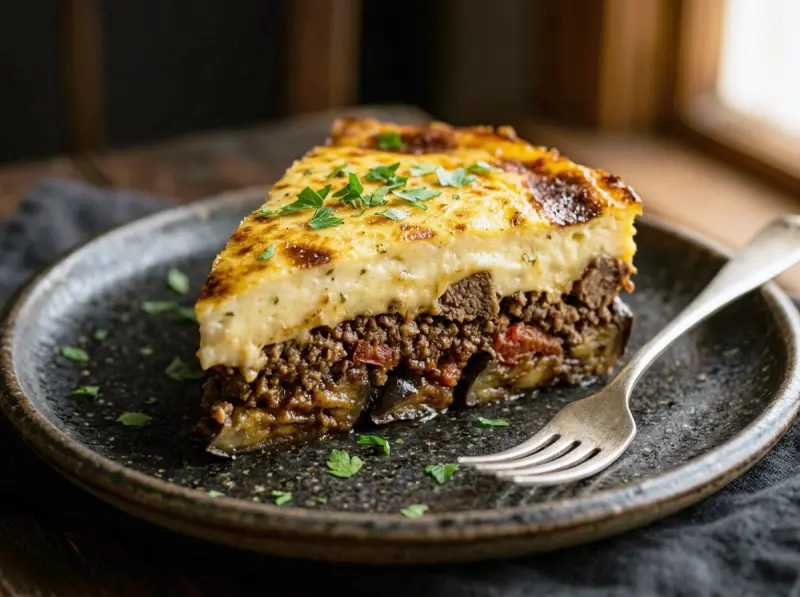
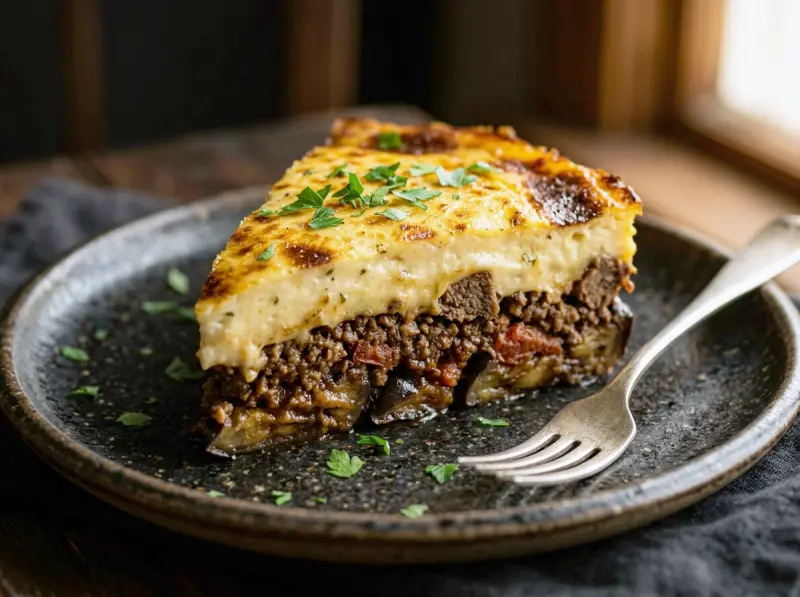
Moussaka — the Greek lasagna that's better than lasagna
Layers of fried eggplant, spiced lamb mince, and a thick béchamel top. It takes about two hours from start to finish and most of that is passive. The cinnamon in the meat layer is what makes it distinctly Greek rather than just a Mediterranean casserole.
Salt the eggplant slices and let them sit for 30 minutes before frying. This pulls out moisture and bitterness. Skip this step and the whole thing turns soggy. The béchamel on top needs to be thick, almost like a custard, so it holds its shape when you cut portions. Egg yolks stirred in at the end give it structure.
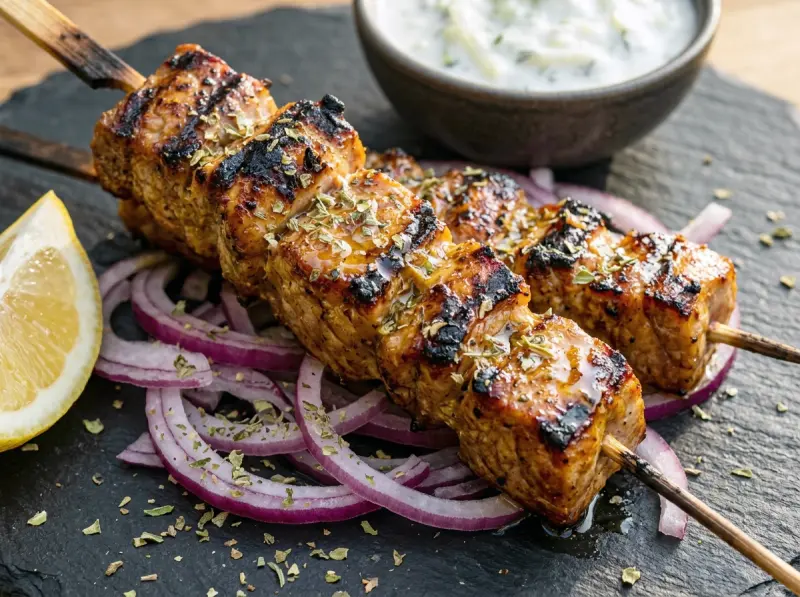
Souvlaki — street food perfection
Pork neck, marinated in olive oil, lemon juice, and dried oregano, threaded onto skewers and grilled. Takes 30 minutes including marination if you're in a hurry, though overnight is better. The char on the edges is half the flavour.
Rub dried Greek oregano between your palms before adding it to the marinade. This crushes the leaves and releases the oils. The difference between sprinkled oregano and crushed oregano is the difference between okay souvlaki and souvlaki that makes you close your eyes. Serve in warm pita with tzatziki, tomato, and raw onion.
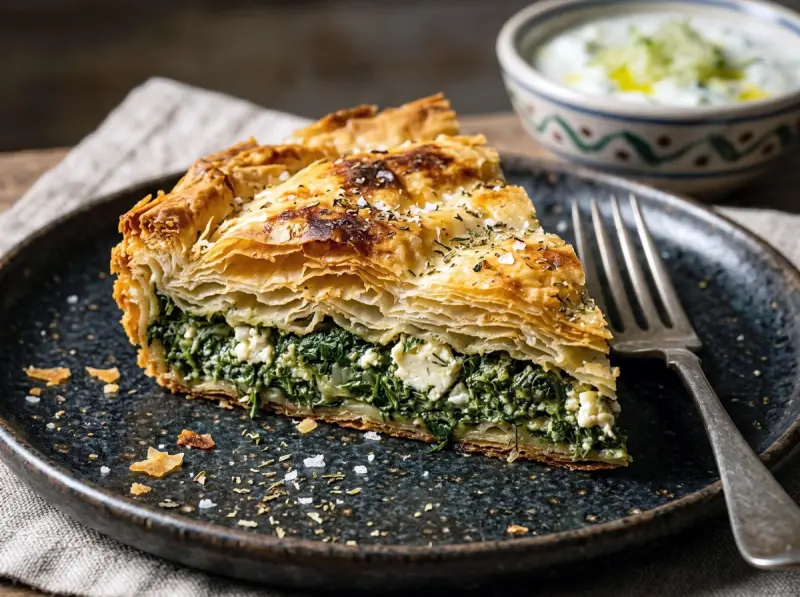
Spanakopita — the spinach pie that feeds a crowd
Spinach, feta, dill, and eggs wrapped in layers of buttered phyllo pastry. Every Greek grandmother makes this differently, and every version is right. This one produces a crispy, golden pie that feeds six to eight people for very little money.
The filling must be completely dry before it goes into the phyllo. Squeeze the cooked spinach in a clean kitchen towel until nothing drips out. Wet spinach makes the pastry bottom soggy and there is no fixing that after baking. Brush every single layer of phyllo with melted butter. Every one. The crispiness depends on it.
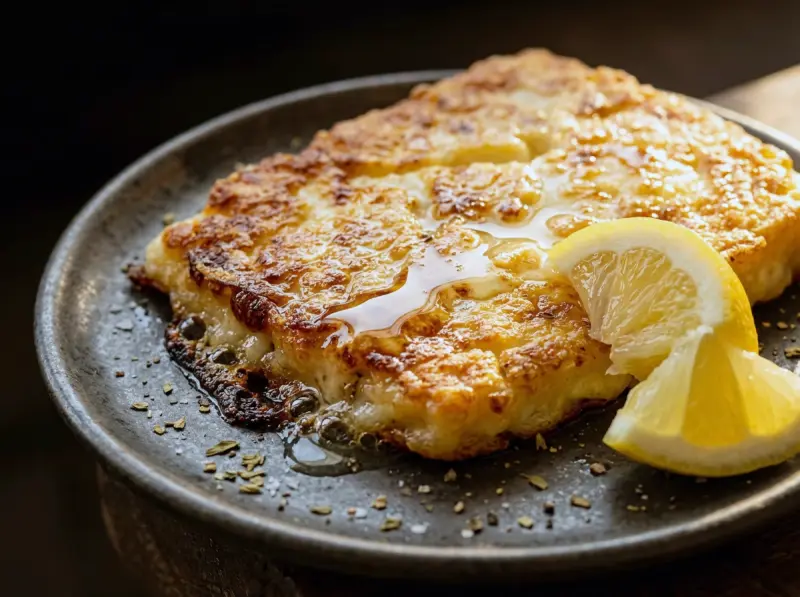
Saganaki — fried cheese in two minutes
A thick slab of cheese, dusted in flour, fried in olive oil until golden. That is the entire recipe. Squeeze lemon over it at the table and eat it while it is still hot and slightly gooey in the center.
Use a firm cheese that holds its shape when heated: graviera, kefalograviera, or halloumi. Soft cheese melts into the pan and becomes a mess. Get the oil hot enough that the cheese sizzles immediately. Thirty seconds per side, no more. Serve with bread to mop up the olive oil.
Tzatziki — the sauce that goes with everything
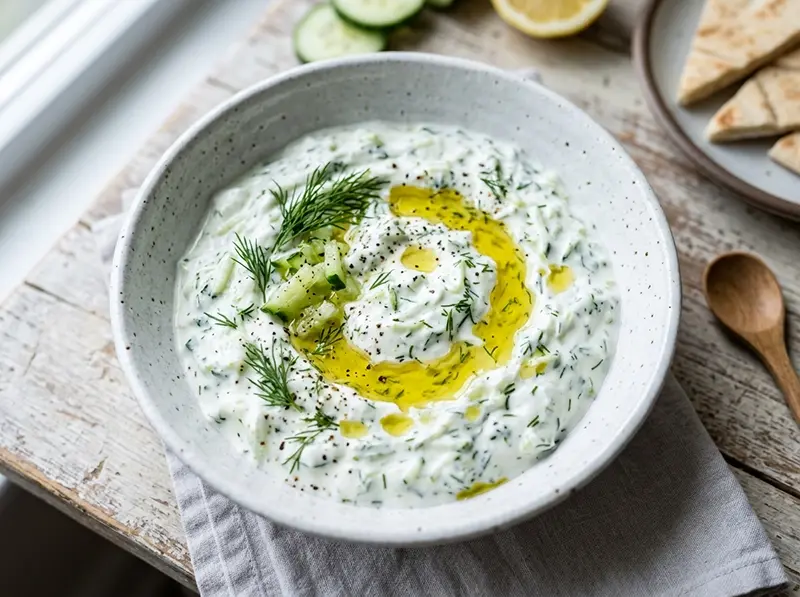
Strained yogurt, grated cucumber, garlic, olive oil, and dill. Five ingredients, zero cooking. The sauce appears next to grilled meats, on top of salads, inside pita wraps, and eaten with bread on its own.
Grate the cucumber and squeeze out every drop of water. Wrap it in a towel and wring it like laundry. Watery tzatziki is thin and bland. Thick tzatziki with visible cucumber shreds and a punch of raw garlic is the real thing. Let it sit in the fridge for an hour before serving so the flavours merge.
Pastitsio — baked pasta that nobody makes at home but should
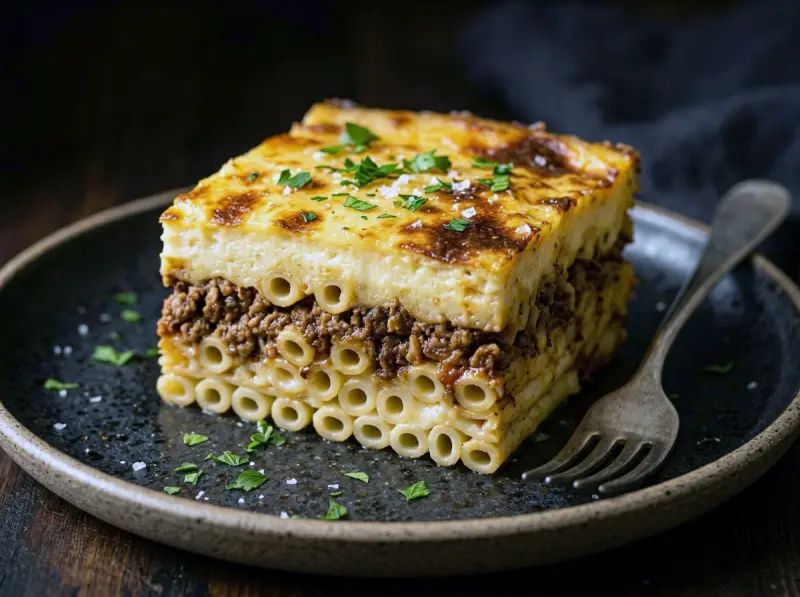
Think of it as Greek bolognese baked with béchamel. Tubular pasta layered with cinnamon-spiced meat sauce and a generous blanket of creamy béchamel on top. Baked until the surface is deep golden and the whole kitchen smells like a Sunday in Athens.
The pasta needs to be slightly undercooked before assembling since it finishes cooking in the oven. Mix an egg into the pasta layer. This sounds odd but it binds everything together so the portions hold their shape when you serve them. Without it, the pasta slides apart.
The Greek pantry
Dried Greek oregano (the mountain kind, not the supermarket jar), good olive oil, lemons, feta in brine, and full-fat Greek yogurt. That covers 90% of Greek cooking. The oregano matters more than you think. Greek oregano is stronger and more floral than Italian or Mexican oregano. If you can get it from a Greek shop, do.