Skip to content
GetCookMatch
⌘K
Ingredient

Mirin Recipes

16 recipes with mirin for weeknights, meal prep, and quick ingredient searches. Choose by time, cuisine, and what is in your kitchen.

16 recipes
Ramen with bamboo shoots, carrot and chicken β€” Japan recipe
πŸ‡―πŸ‡΅JapanAdvanced
Soups

Ramen

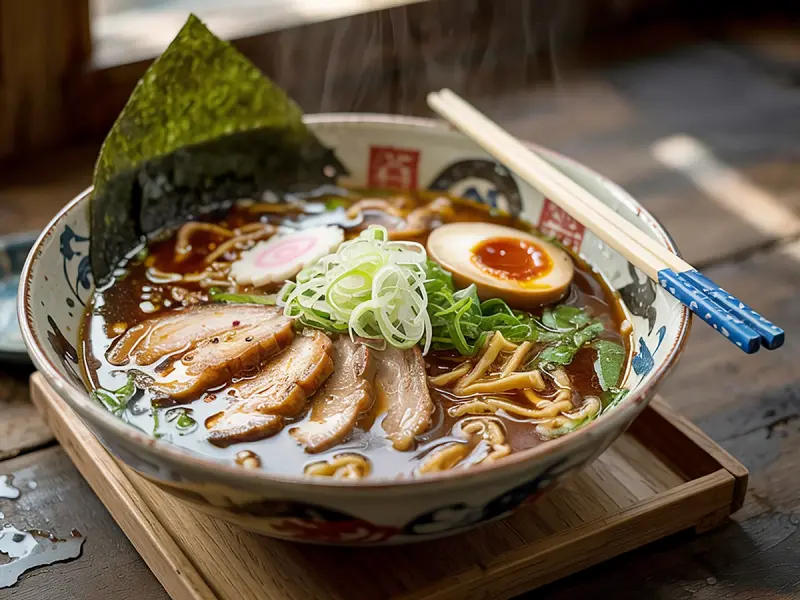
Ramen is a traditional Japanese dish consisting of Chinese noodles served in a hot broth with various toppings. Each region of Japan has its own unique recipes.

310 min550 kcal4 serves
πŸ’ͺHigh protein
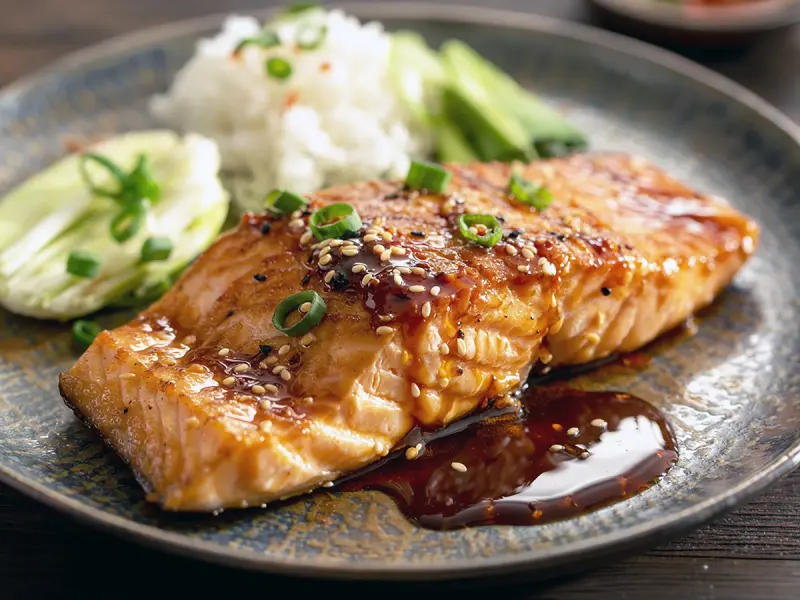
Mellow Teriyaki Fish with fish, sake and soy sauce β€” Japan recipe
πŸ‡―πŸ‡΅JapanMedium
Fish and Seafood Dishes

Mellow Teriyaki Fish

White fish fillets glazed with a homemade teriyaki sauce that caramelizes under high heat into a sticky, sweet-savory coating. The sauce reduces to a glossy lacquer while the fish stays flaky and moist inside.

23 min275 kcal4 serves
⚑QuickπŸ’ͺHigh protein
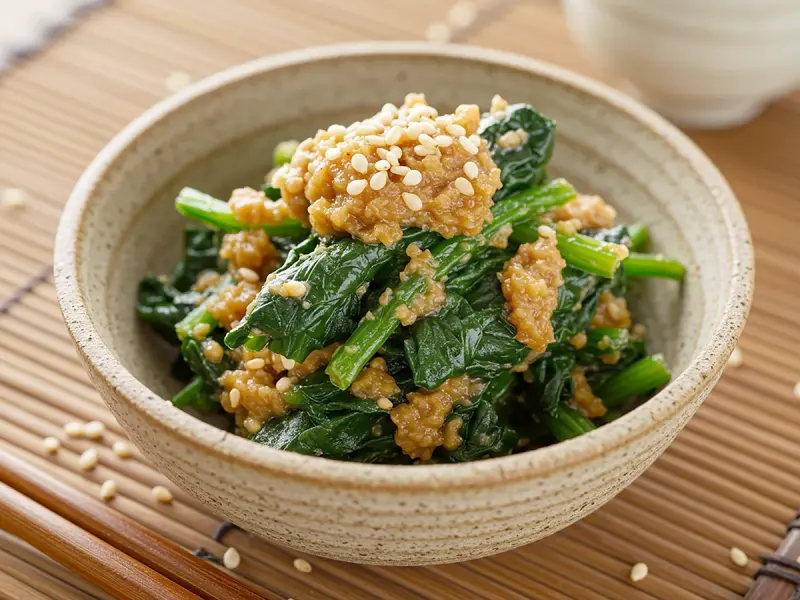
Spinach in Sesame Sauce (Goma-ae) with fresh spinach, white sesame seeds and mirin β€” Japan recipe
πŸ‡―πŸ‡΅JapanEasy
Vegetable and Mushroom Dishes

Spinach in Sesame Sauce (Goma-ae)

A classic Japanese side dish β€” blanched spinach tossed in a nutty sesame-soy dressing with a touch of mirin and sugar. Goma-ae (θƒ‘ιΊ»ε’Œγˆ) means 'sesame-dressed' and is one of the most fundamental techniques in Japanese home cooking. Served chilled as a cold appetizer or side dish.

15 min90 kcal2 serves
🌿Vegetarian⚑Quick🌱Vegan
Teriyaki Sauce with soy sauce, mirin and sake β€” Japan recipe
πŸ‡―πŸ‡΅JapanEasy
Sauces and Dips

Teriyaki Sauce

A glossy, deeply savory-sweet glaze built from soy sauce, mirin, sake, and sugar, thickened with a cornstarch slurry until it coats a spoon. Homemade teriyaki takes ten minutes and tastes nothing like the bottled kind β€” the fresh garlic and ginger give it a brightness that disappears completely in shelf-stable versions. I keep a jar in the fridge and use it on everything from grilled chicken to roasted vegetables.

10 min60 kcal4 serves
🌿Vegetarian⚑Quick
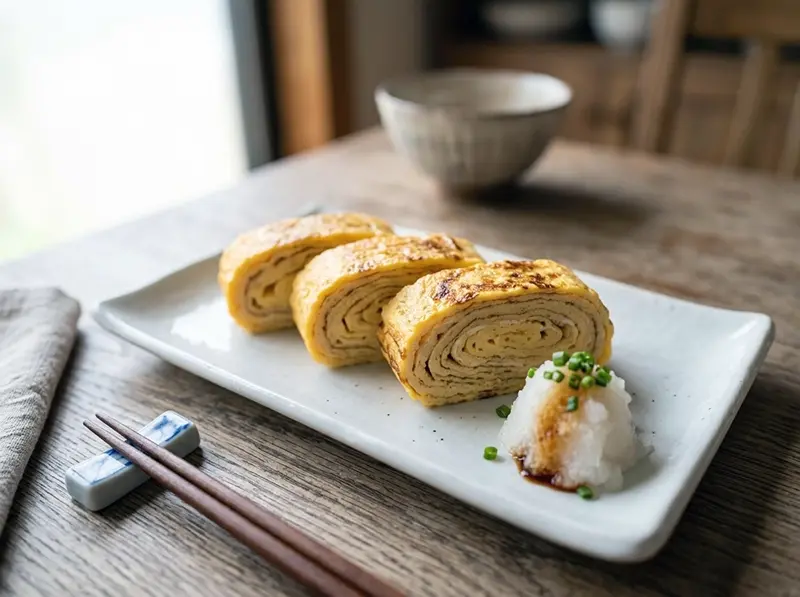
Tamagoyaki (Japanese Rolled Omelette) with eggs, dashi and mirin β€” Japan recipe
πŸ‡―πŸ‡΅JapanEasy
Breakfast and Brunch

Tamagoyaki (Japanese Rolled Omelette)

A Japanese rolled omelette built in layers: thin sheets of sweetened, dashi-seasoned egg poured into a pan one at a time, each one rolled onto the last while still slightly soft, building up a spiral-layered log that shows the rings when sliced. The flavor is lightly sweet, subtly savory, and distinctly Japanese β€” nothing like a Western omelette. Tamagoyaki appears at breakfast alongside rice and miso soup, in bento boxes, and as nigiri sushi topping. The technique takes practice but the ingredients are few, the eggs always taste good, and the first imperfect roll is still worth eating.

15 min185 kcal2 serves
🌿Vegetarian⚑Quick
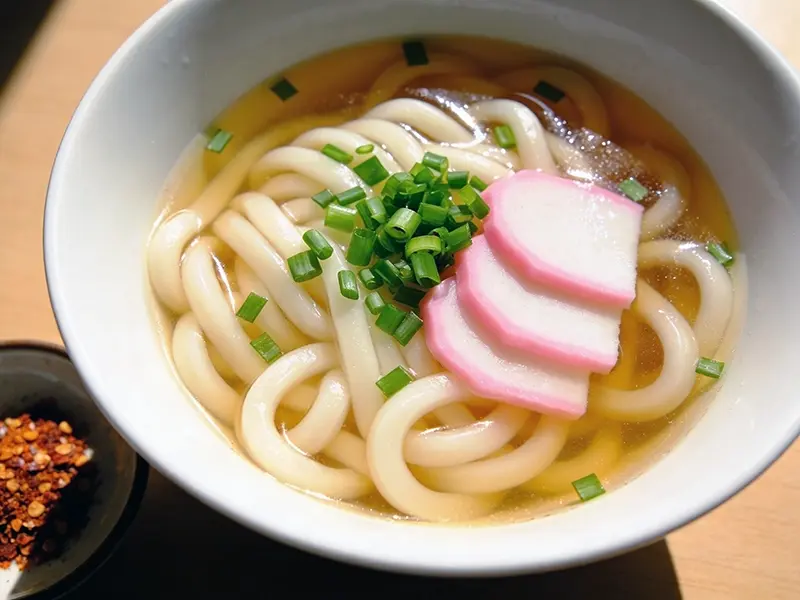
Udon Noodle Soup (Kake Udon) with udon noodles, dashi and soy sauce β€” Japan recipe
πŸ‡―πŸ‡΅JapanMedium
Cereal and Pasta Dishes

Udon Noodle Soup (Kake Udon)

Kake udon (かけうどん) is the plainest bowl of Japanese udon noodle soup: thick, chewy wheat noodles in a clear golden dashi broth seasoned with soy sauce and mirin, topped with spring onion and little else. The broth is nearly colourless but deep in umami, lightly sweet from the mirin. Udon is a specialty of the Kagawa region (Sanuki udon) and is eaten everywhere in Japan; the Kansai version uses a lighter broth, the Kanto version a darker, more assertive soy, and this recipe follows Kansai. The 20 minutes is hands-on time with dashi packets or powder; homemade dashi adds 20 to 30 minutes of passive kombu soaking. Make the broth right and the noodles take care of themselves.

20 min380 kcal2 serves
⚑Quick
Yakitori (Japanese Grilled Chicken Skewers) with chicken thighs, soy sauce and mirin β€” Japan recipe
πŸ‡―πŸ‡΅JapanMedium
Meat Dishes

Yakitori (Japanese Grilled Chicken Skewers)

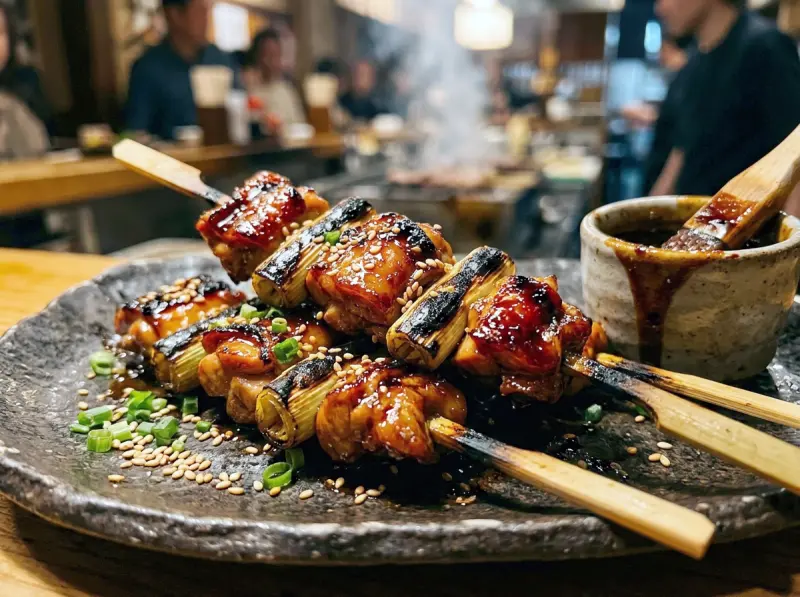
Yakitori (焼きι³₯, yaki = grilled, tori = bird) is one of Japan's most beloved street foods and izakaya staples β€” bite-sized pieces of chicken threaded onto bamboo or metal skewers and grilled over charcoal, seasoned with either coarse salt (shio style) or brushed repeatedly with tare, a soy-mirin-sake glaze that caramelizes into a lacquered, sweet-savory coating. Authentic yakitori is cooked over binchotan (η™½η‚­), a white oak charcoal that burns at very high temperature with minimal smoke, allowing the fat dripping from the chicken to produce fragrant vapour rather than flare-ups. The two defining skewer styles covered here are negima (ねぎま) β€” chicken thigh alternated with long onion β€” and the plain momo (γ‚‚γ‚‚) thigh skewer. Both are grilled in multiple passes, dipped in tare, returned to the grill, and repeated until the exterior is lacquered dark and the interior is cooked through.

60 min310 kcal4 serves
πŸ’ͺHigh protein
Chawanmushi with Crab and Shiitake (Japanese Steamed Egg Custard) with dashi, crab meat and shiitake mushrooms β€” Japan recipe
πŸ‡―πŸ‡΅JapanMedium
Appetizers and Sandwiches

Chawanmushi with Crab and Shiitake (Japanese Steamed Egg Custard)

Chawanmushi is a savoury Japanese egg custard steamed until it barely sets β€” so soft it trembles on the spoon, with none of the firmness of a Western custard. Dashi carries the flavour, seasoned lightly with mirin and pale soy, while crab, shiitake, kamaboko, and ginkgo nuts sit hidden beneath the surface. Served warm in a lidded cup with a sprig of mitsuba and a shaving of yuzu, it's the quiet, restrained side of Japanese cooking.

40 min130 kcal4 serves
πŸ’ͺHigh protein
Mille-Feuille Nabe (Japanese Cabbage and Pork Hot Pot) with napa cabbage, pork belly and dashi β€” Japan recipe
πŸ‡―πŸ‡΅JapanMedium
Soups

Mille-Feuille Nabe (Japanese Cabbage and Pork Hot Pot)

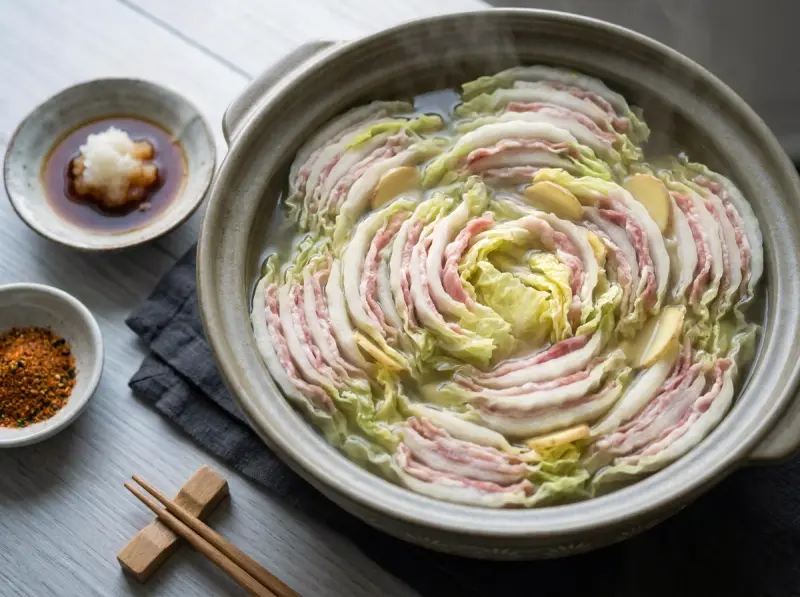
Mille-feuille nabe borrows its name from the French pastry of a thousand leaves, but here the layers are napa cabbage and paper-thin pork belly, packed upright into a pot so the cut edges spiral outwards like a flower. A clear dashi broth is poured over and everything simmers for twenty minutes until the cabbage collapses into sweetness and the pork melts. It looks like far more work than it is, and the leftover broth makes the best bowl of udon you'll have all winter.

45 min450 kcal4 serves
πŸ’ͺHigh protein
Katsudon (Japanese Pork Cutlet Rice Bowl) with pork, eggs and panko β€” Japan recipe
πŸ‡―πŸ‡΅JapanMedium
Cereal and Pasta Dishes

Katsudon (Japanese Pork Cutlet Rice Bowl)

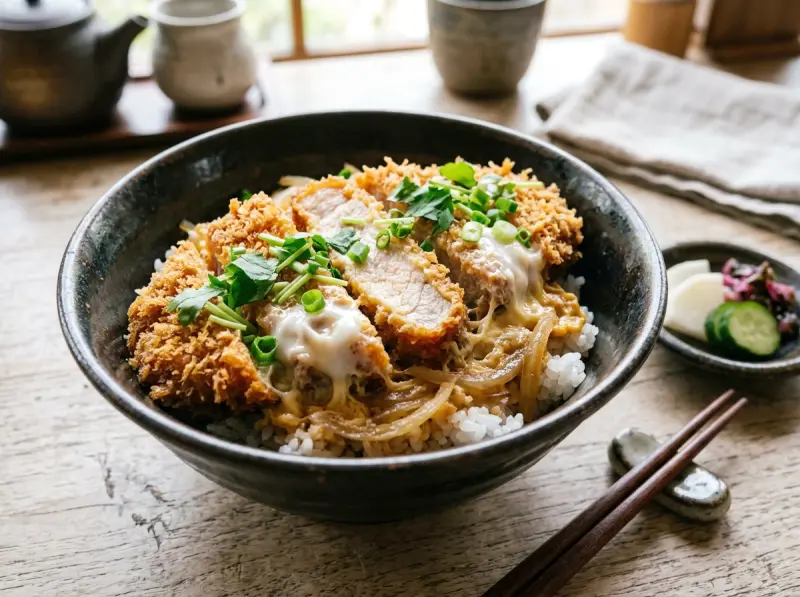
Katsudon is a Japanese rice bowl (donburi) topped with tonkatsu, a breaded fried pork cutlet that's simmered briefly in sweet dashi broth with onion and set with egg. The name joins katsu, the cutlet, and donburi, the bowl. You slice the cutlet, give it about a minute in a small pan of broth, pour the egg over and slide the lot onto rice. Part of the crust stays crunchy and part goes silky where the broth reaches it, and that contrast is the whole appeal. Japanese students eat it before exams and athletes before a match, because katsu sounds like the verb "to win."

40 min780 kcal2 serves
πŸ’ͺHigh protein
Oyakodon (Japanese Chicken and Egg Rice Bowl) with chicken, eggs and dashi β€” Japan recipe
πŸ‡―πŸ‡΅JapanMedium
Cereal and Pasta Dishes

Oyakodon (Japanese Chicken and Egg Rice Bowl)

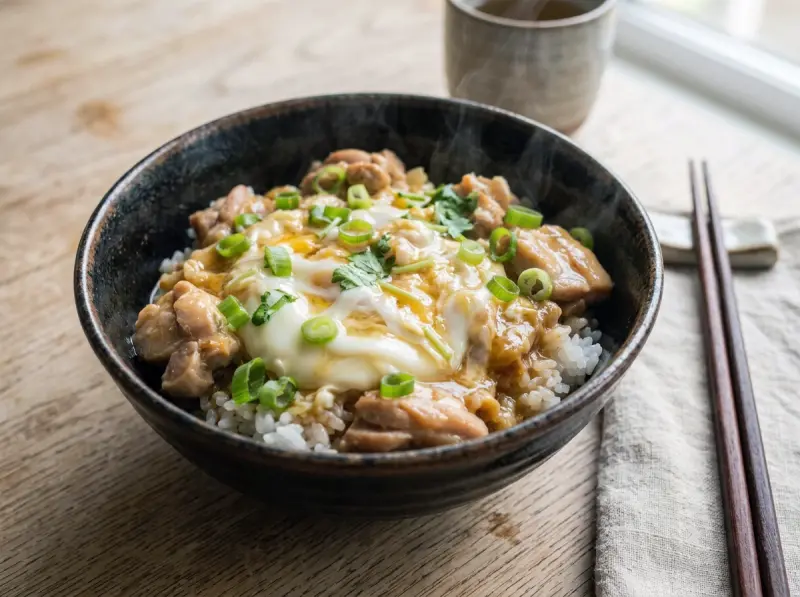
Oyakodon is a Japanese rice bowl (donburi) of chicken and onion simmered in sweet-savoury dashi broth, finished with softly set egg and served over rice. The name means "parent and child": chicken and egg in one bowl, which is either charming or a little dark depending on your mood. It's the easiest donburi to get right at home, and the one I make when there's nothing in the fridge but chicken thighs, eggs and rice. The egg goes in at the very end and sets into soft, barely cooked curds, and the whole thing takes about fifteen minutes.

20 min550 kcal2 serves
⚑QuickπŸ’ͺHigh protein
Gyudon (Japanese Beef Rice Bowl) with beef, onion and dashi β€” Japan recipe
πŸ‡―πŸ‡΅JapanMedium
Cereal and Pasta Dishes

Gyudon (Japanese Beef Rice Bowl)

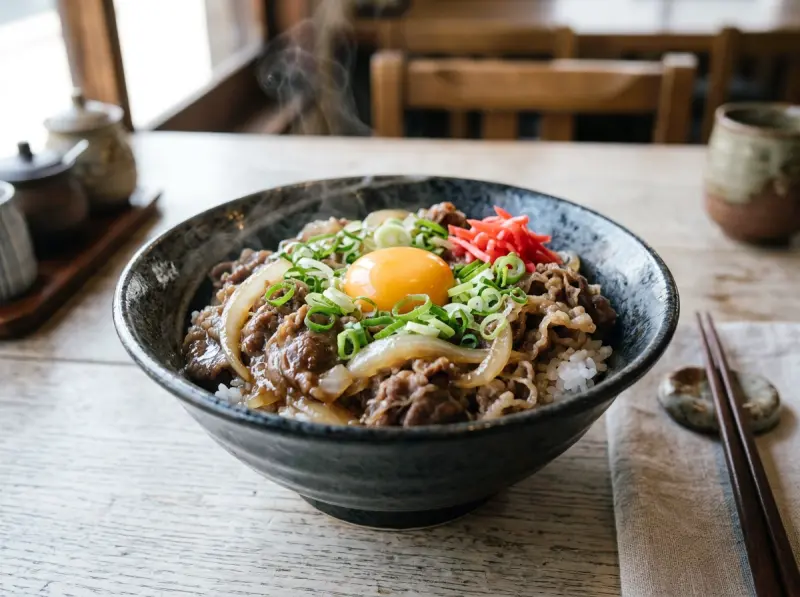
Gyudon (gyΕ«don, 牛丼, literally "beef bowl") is a Japanese rice bowl of thinly sliced beef and onion simmered in a sweet-savoury broth of dashi, soy sauce, mirin and a little sake. It's the dish fast-food chains like Yoshinoya built their business on, and it's just as good made at home. The onion goes in first until soft, the beef follows for a couple of minutes, then the whole lot goes over hot rice. The only thing that really matters is the beef: it has to be sliced almost transparently thin, which is why the freezer is your friend here.

20 min620 kcal2 serves
⚑QuickπŸ’ͺHigh protein
Ingredients

Goes well with

Other ingredients that appear most often alongside mirin across the archive. Pick one to drill deeper.